

Getting people through the door isn’t just about good food anymore. It’s timing, visibility, familiarity. Sometimes it’s a well-lit photo at the right hour. Other times it’s a story someone heard from a friend. What works for one place might feel forced at another - but there are patterns, and there are moves that quietly work over time. This isn’t about being loud. It’s about being known for something people remember and come back to.
Why Restaurant Marketing Isn’t Optional Anymore
People rarely stumble into places by accident anymore. Most of the time, they’ve seen something - an image, a name, a post someone shared. Maybe they passed your sign once and remembered the curve of the logo. Maybe they saw a photo of your plate and saved it, thinking I’ll try that next week. That’s marketing now. It’s ambient. Quiet, but constant. And for restaurants, it matters more than ever.
Good food alone isn’t enough if no one knows where to find it. The world’s more connected, but attention is scattered. Diners scroll through ten options before picking one. They check reviews. They scan your feed. They want to feel like they know what they’re walking into.
You don’t need to be everywhere. But you do need to be present - visible in the right places, speaking in your own tone, reminding people that you exist, and that you care. Marketing isn’t a campaign anymore. It’s how you show up in the world, even when the tables are empty.
Build a Strong Local SEO Foundation
Most people won’t type your restaurant’s name into Google - they’ll search brunch near me or best tacos in [neighborhood]. That’s why local SEO isn’t something you set up once and forget. It’s how people find you when they don’t know you yet. It starts with the basics, but those basics stack up. Here’s where to focus:
- Keep your Google Business Profile clean and current
- Use real photos, not stock ones - your space, your food, your people
- Check your hours, location, and links regularly
- Collect reviews slowly and steadily, not in big bursts
- Respond to feedback, even short ones, with a human voice
- Use location-based terms naturally on your site and menus
- Think beyond your homepage - update your “About,” your blog, even image alt text
This isn’t about gaming the algorithm. It’s about being easy to find, easy to understand, and worth remembering once someone lands on your name. Most diners will only give you a few seconds. Make them count.

1. Bring Foot Traffic to Your Door with Better Signage
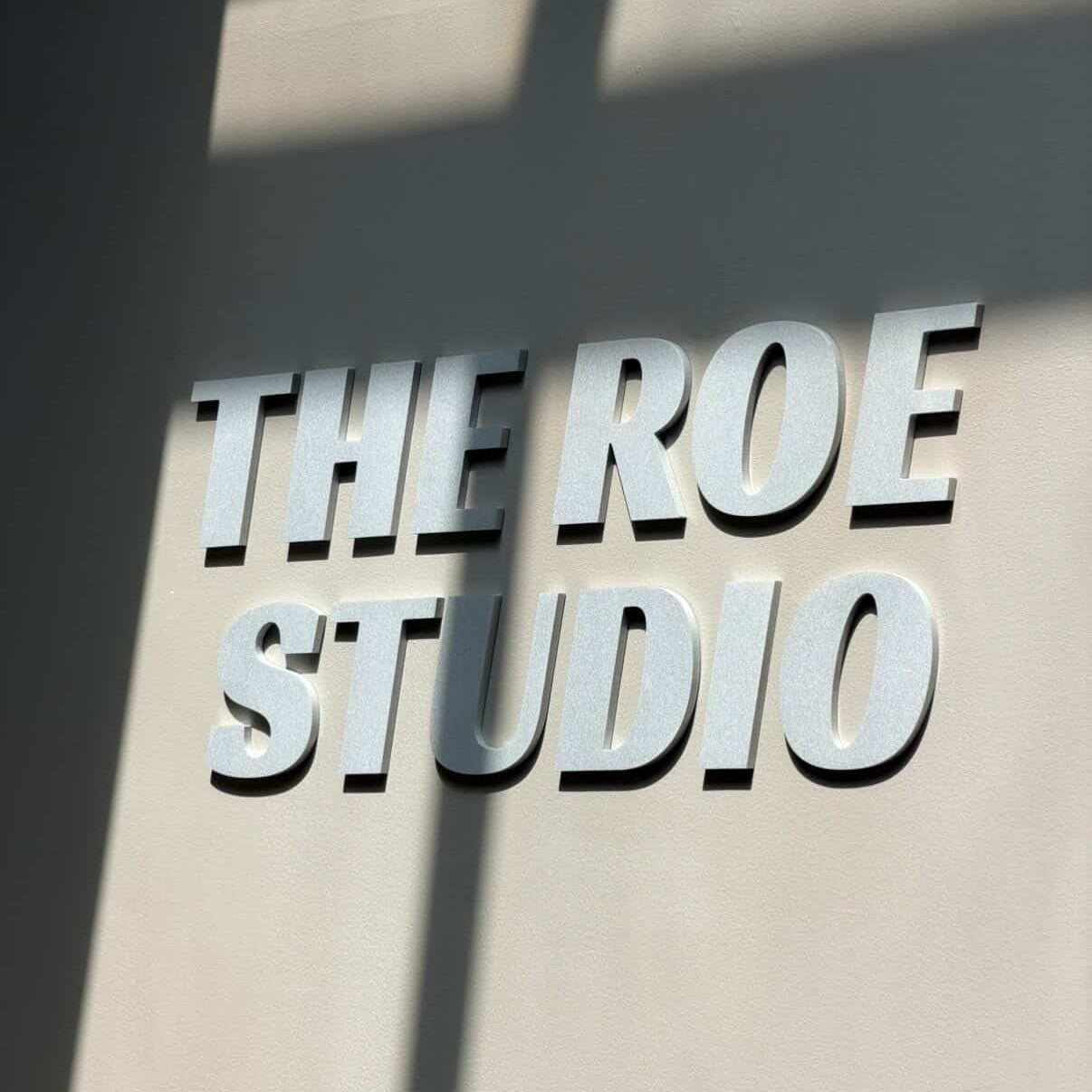
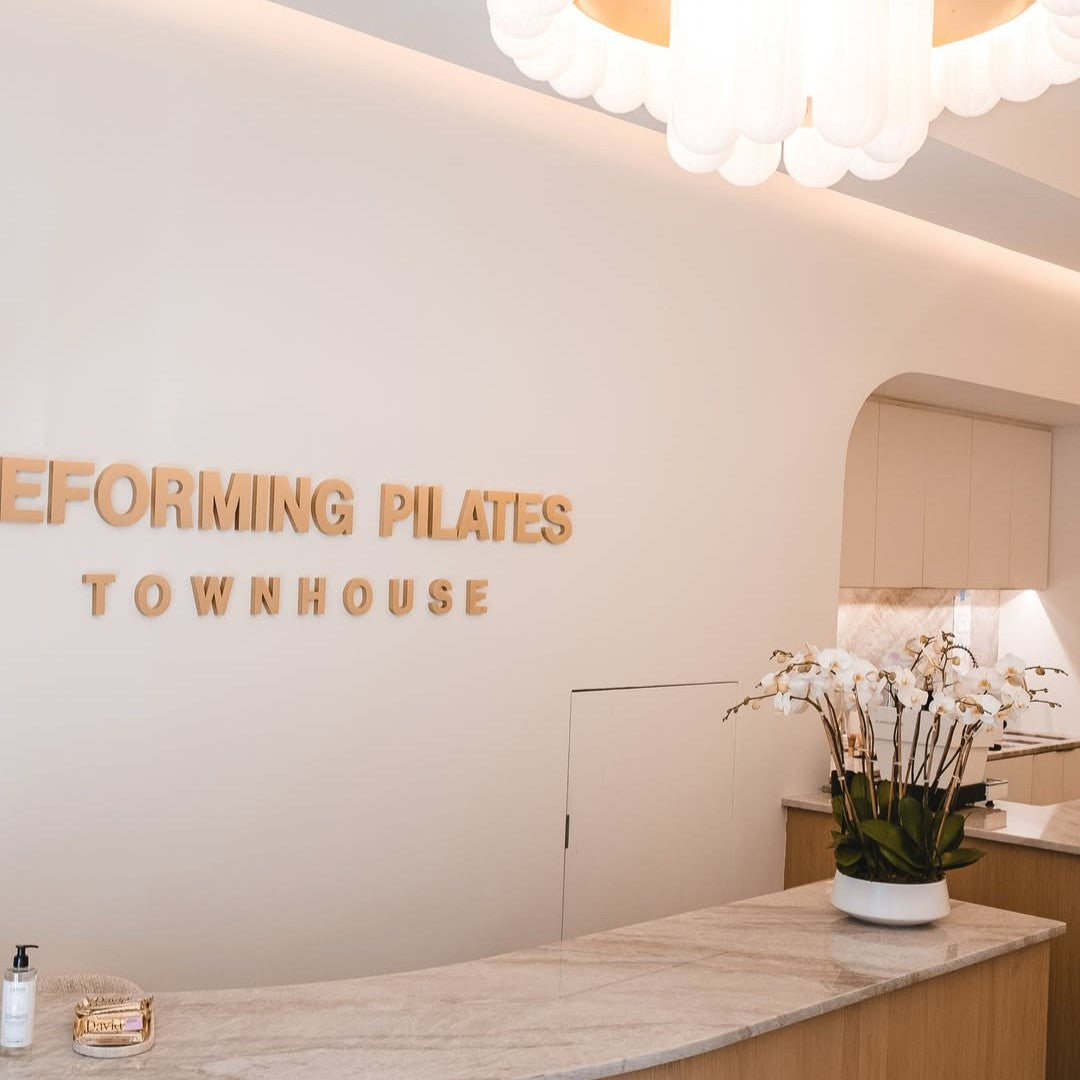
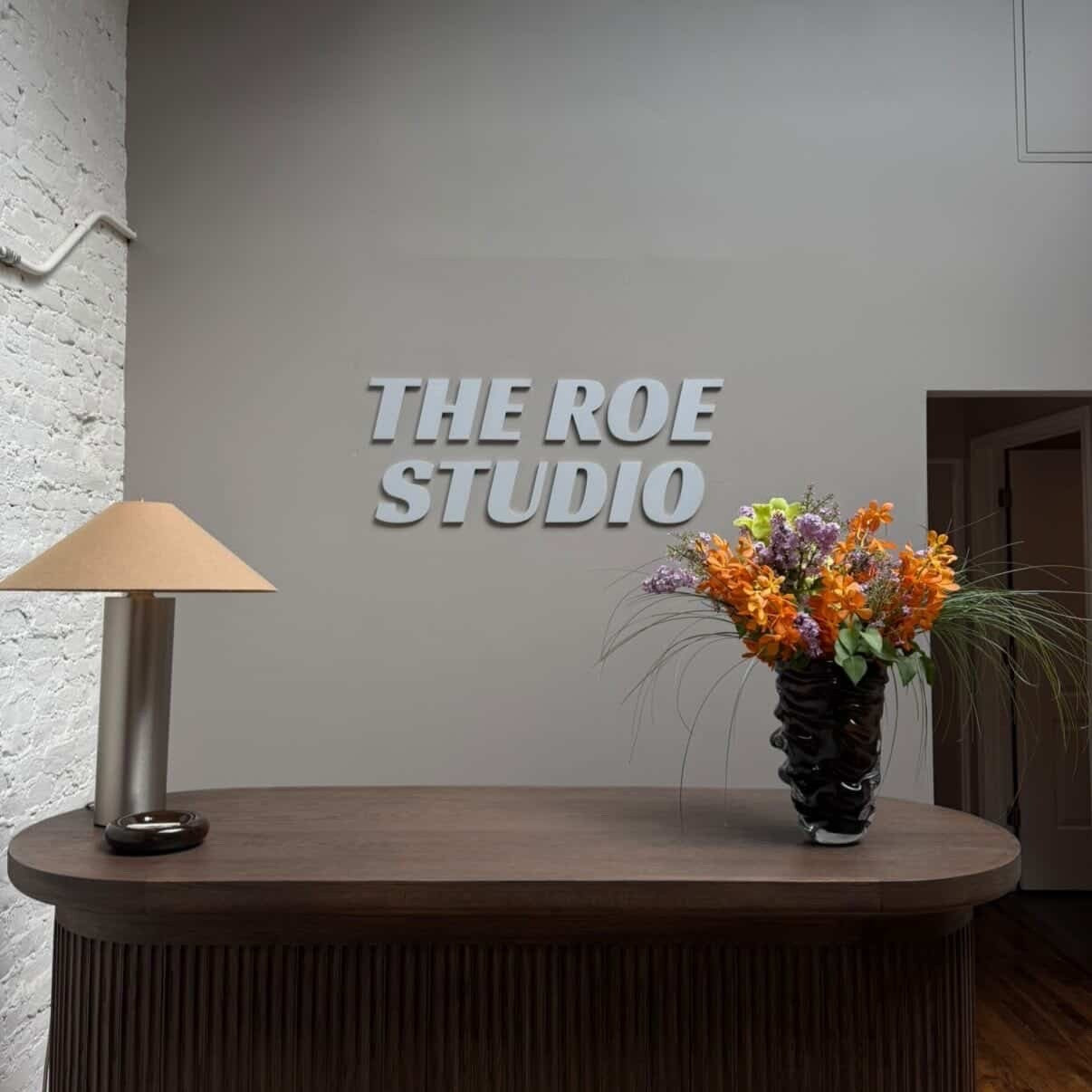
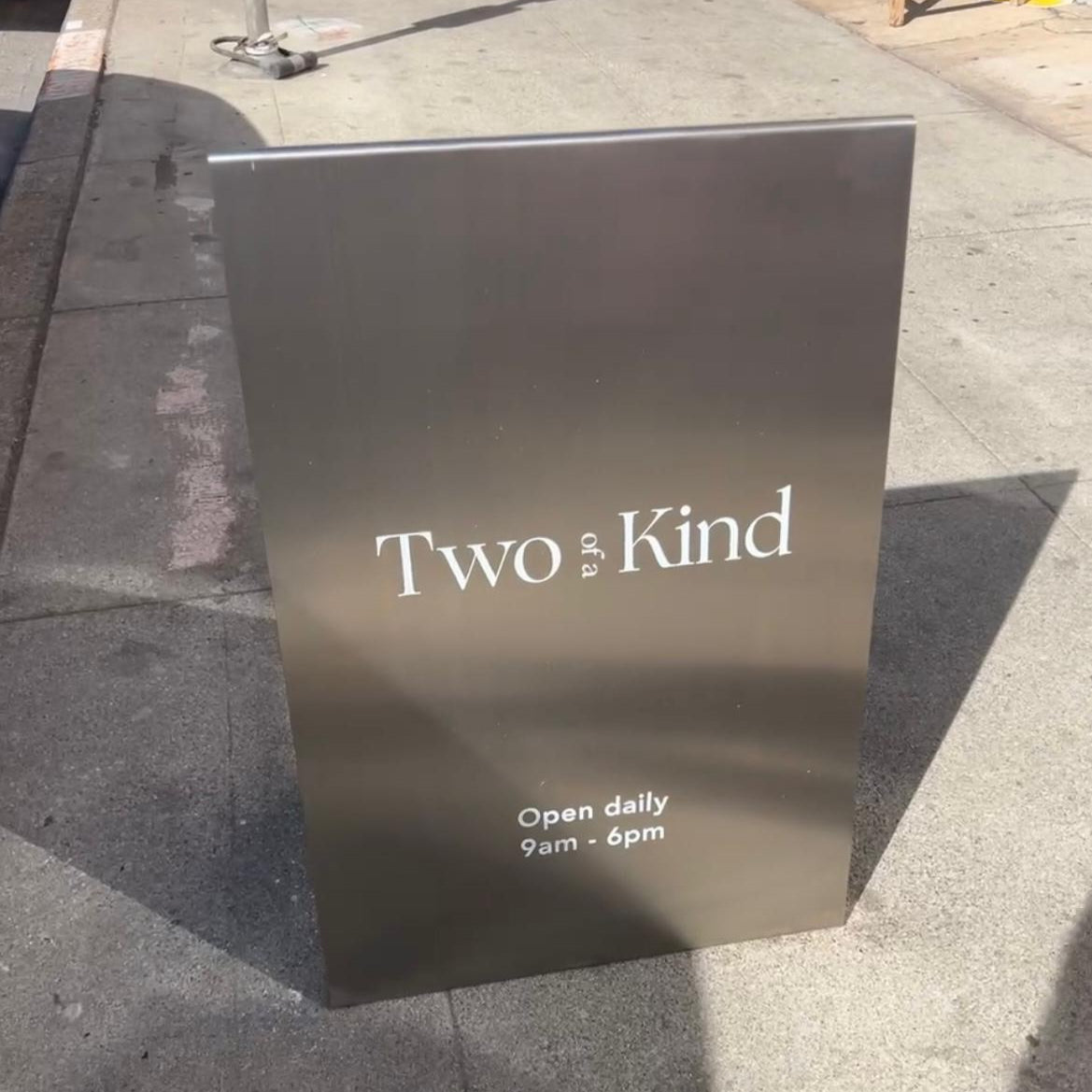
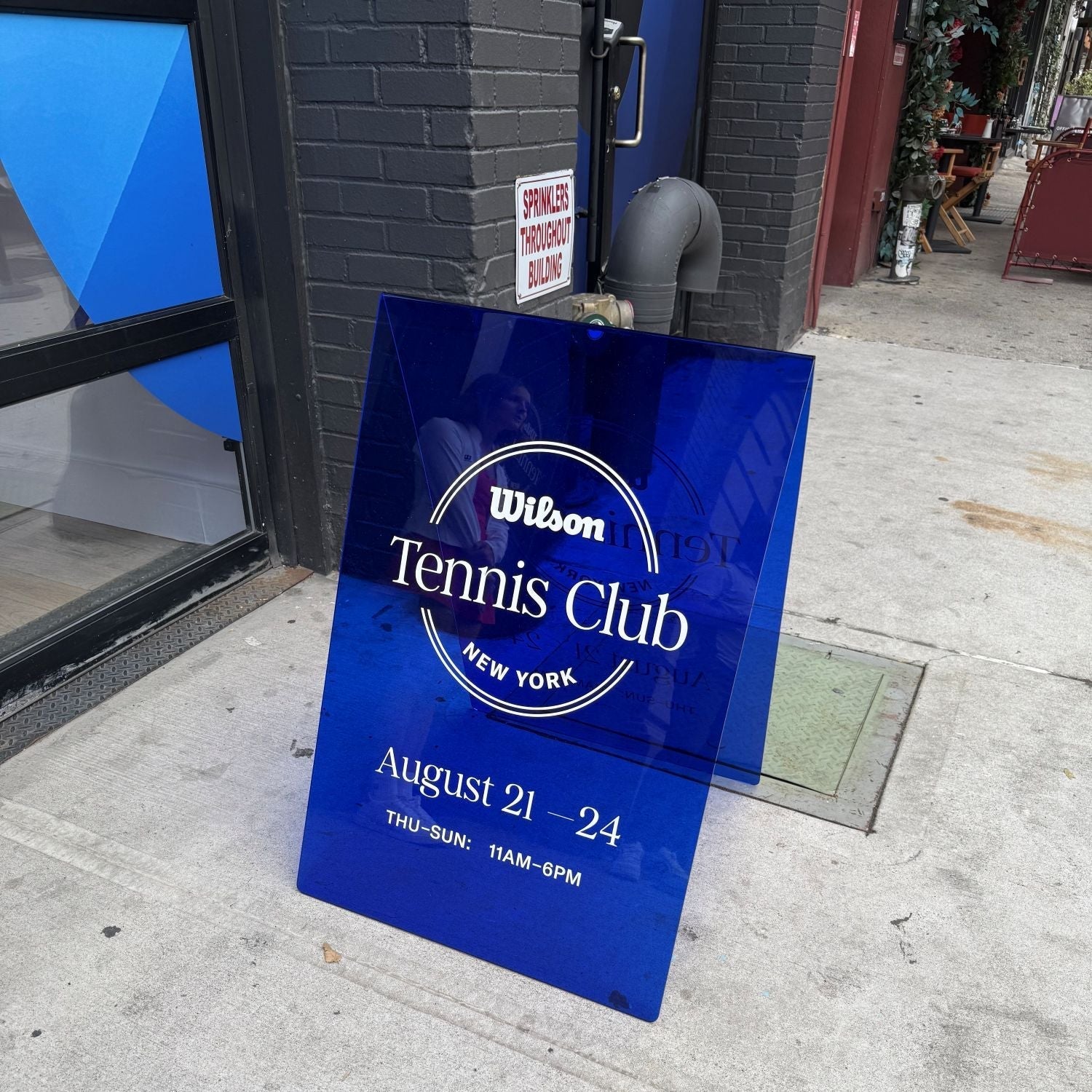
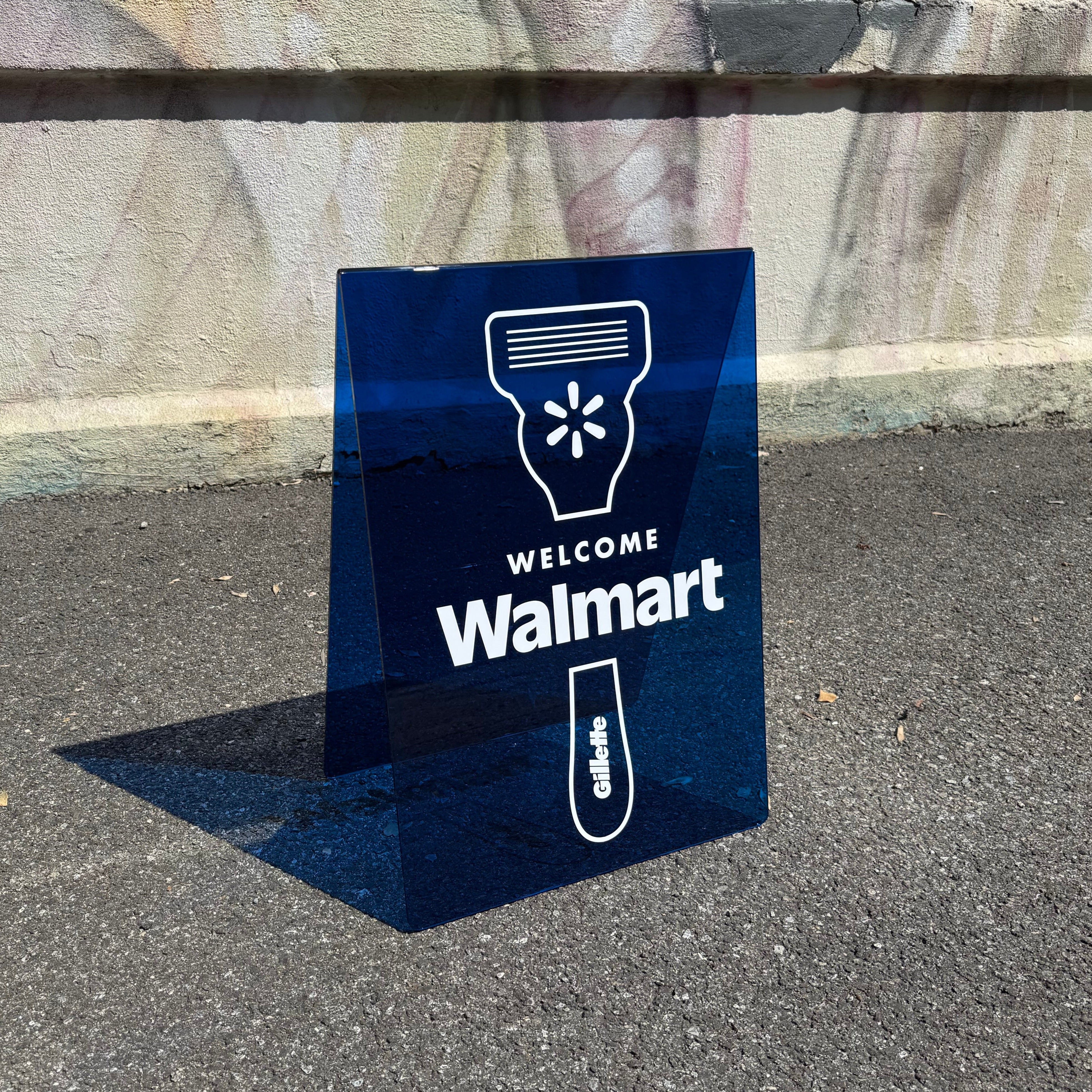
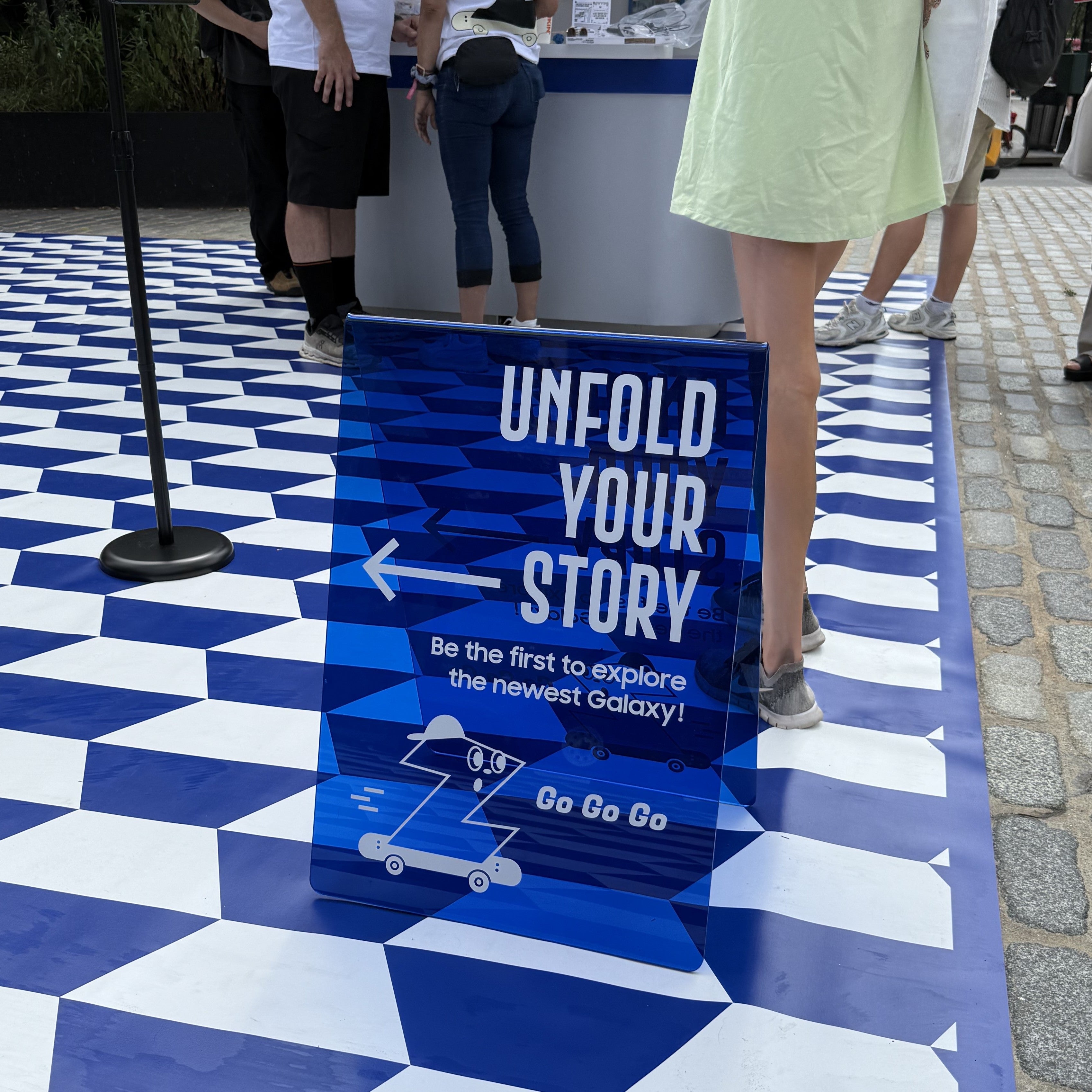
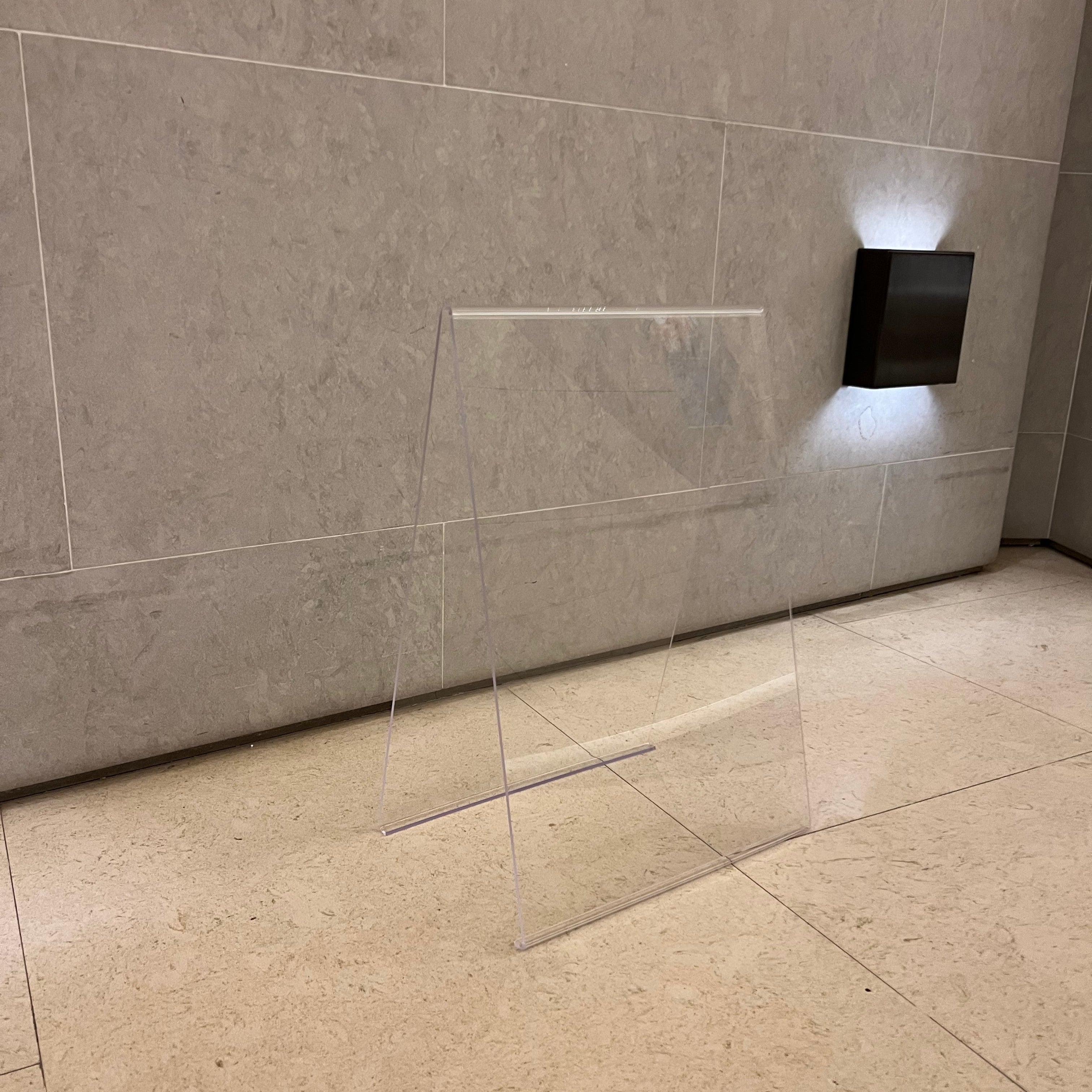
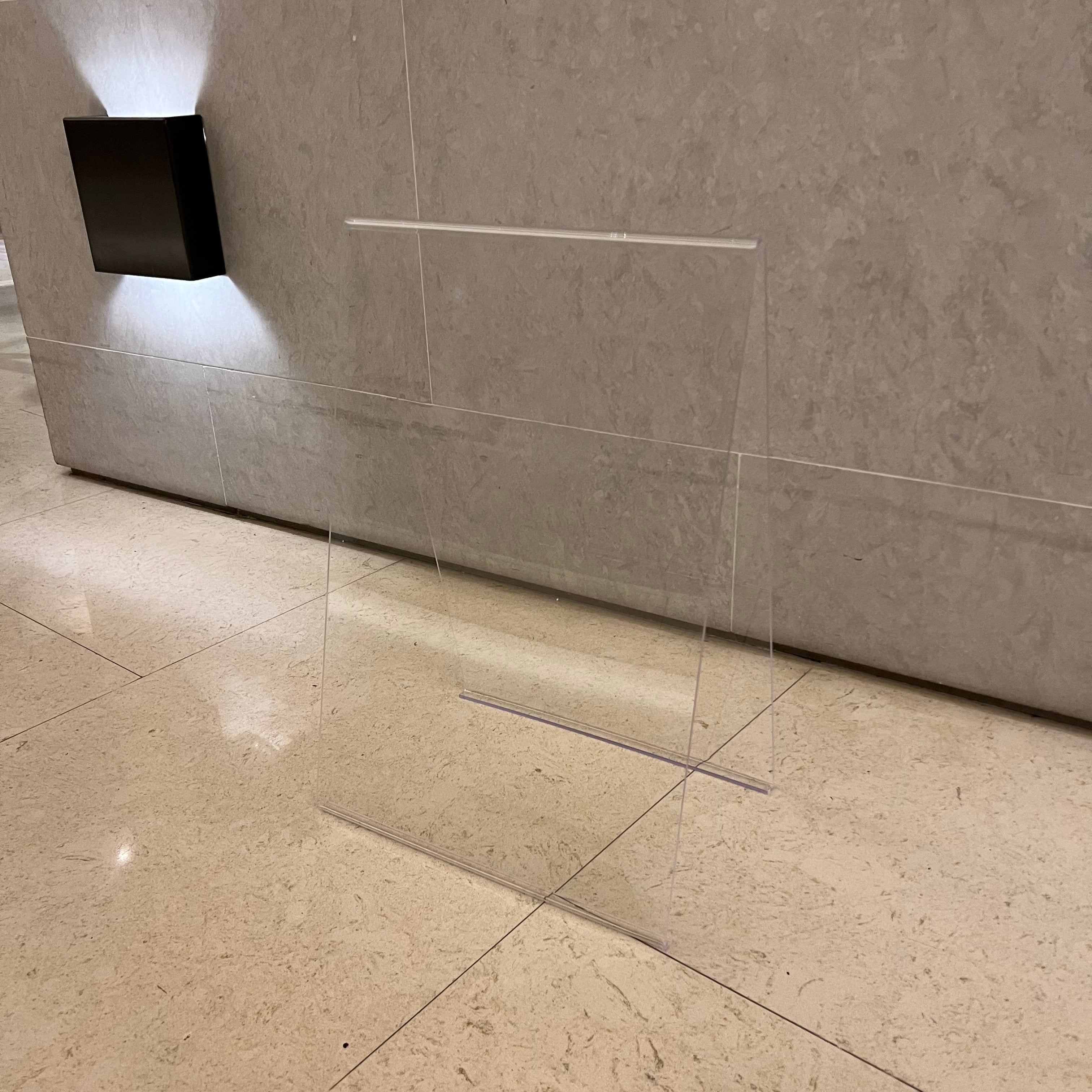
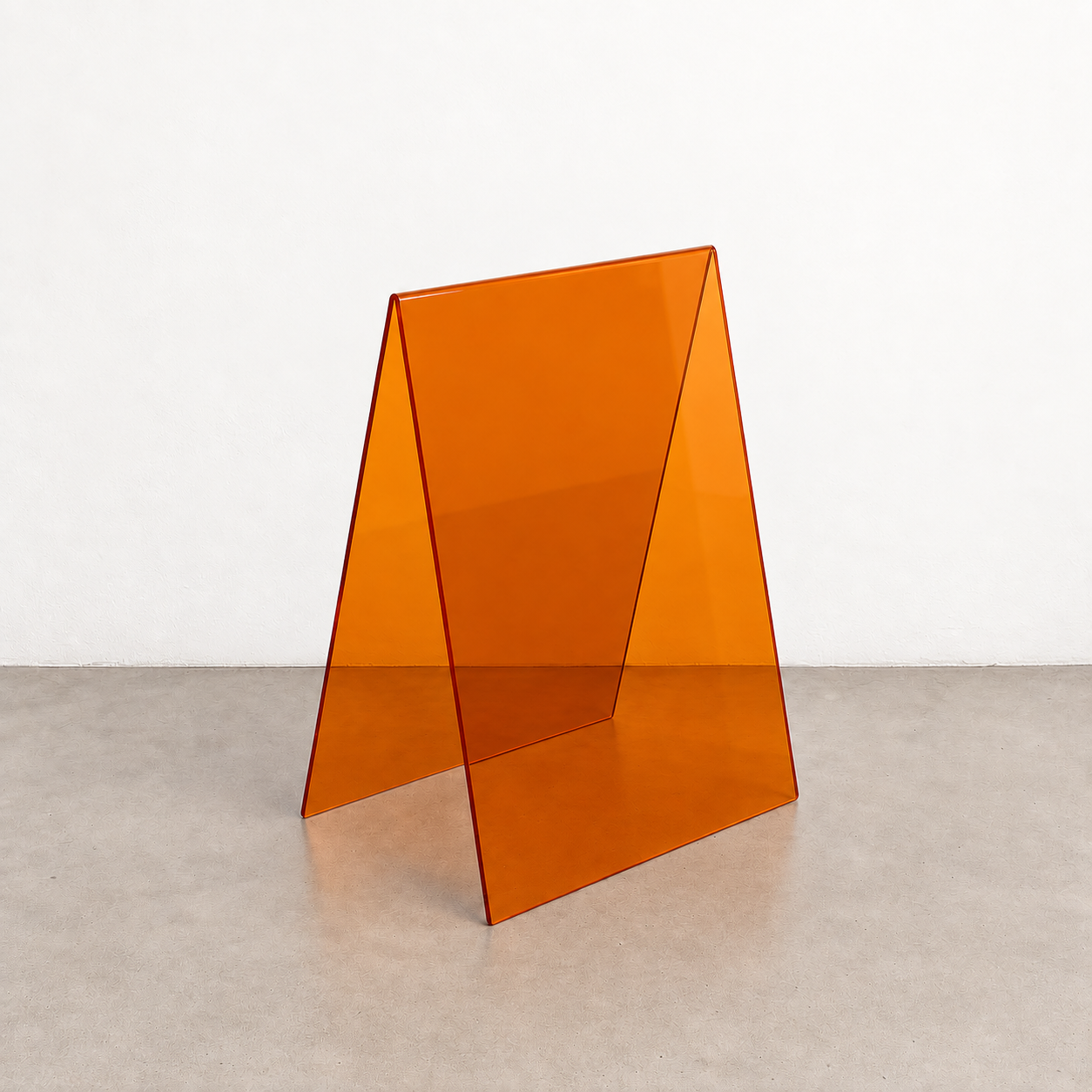
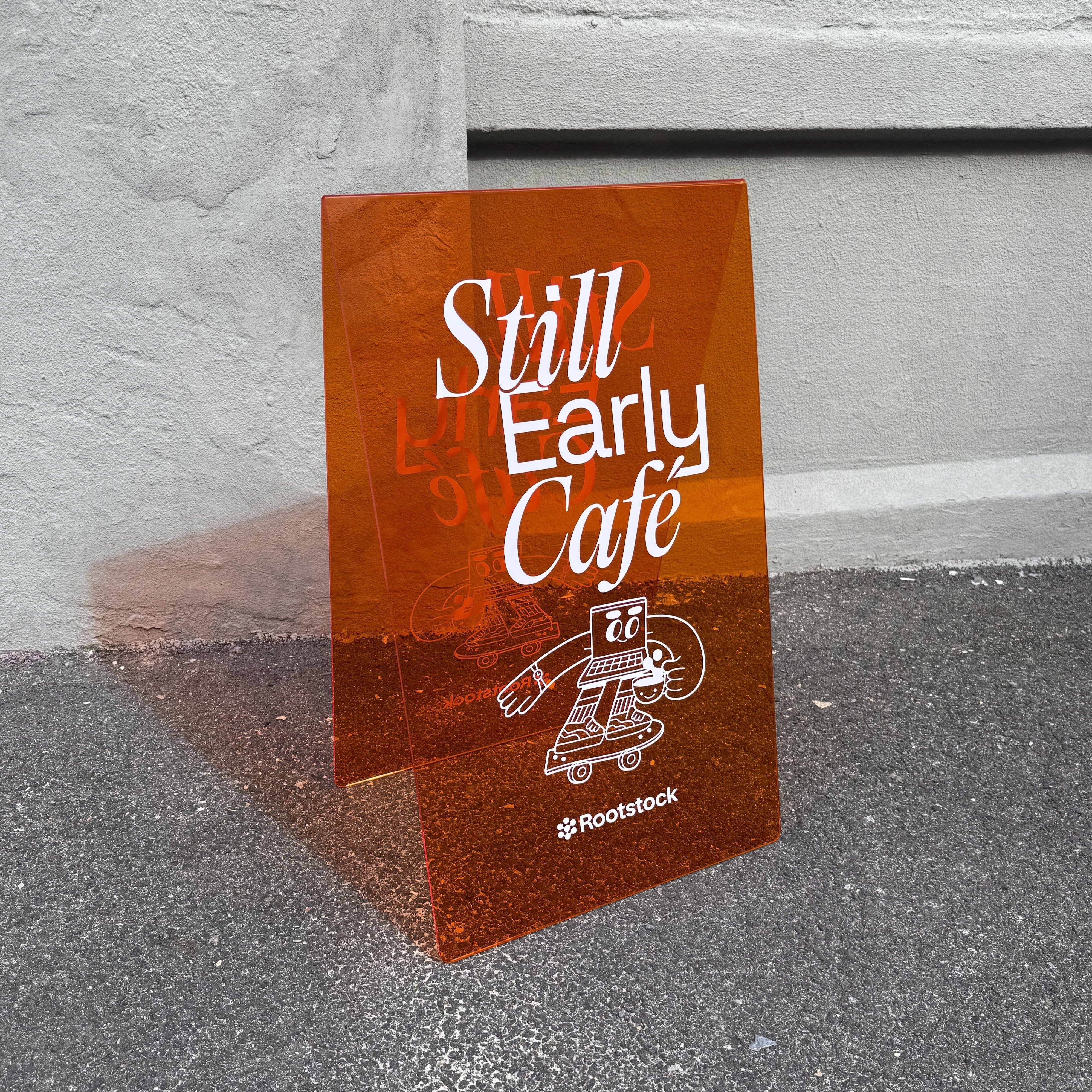
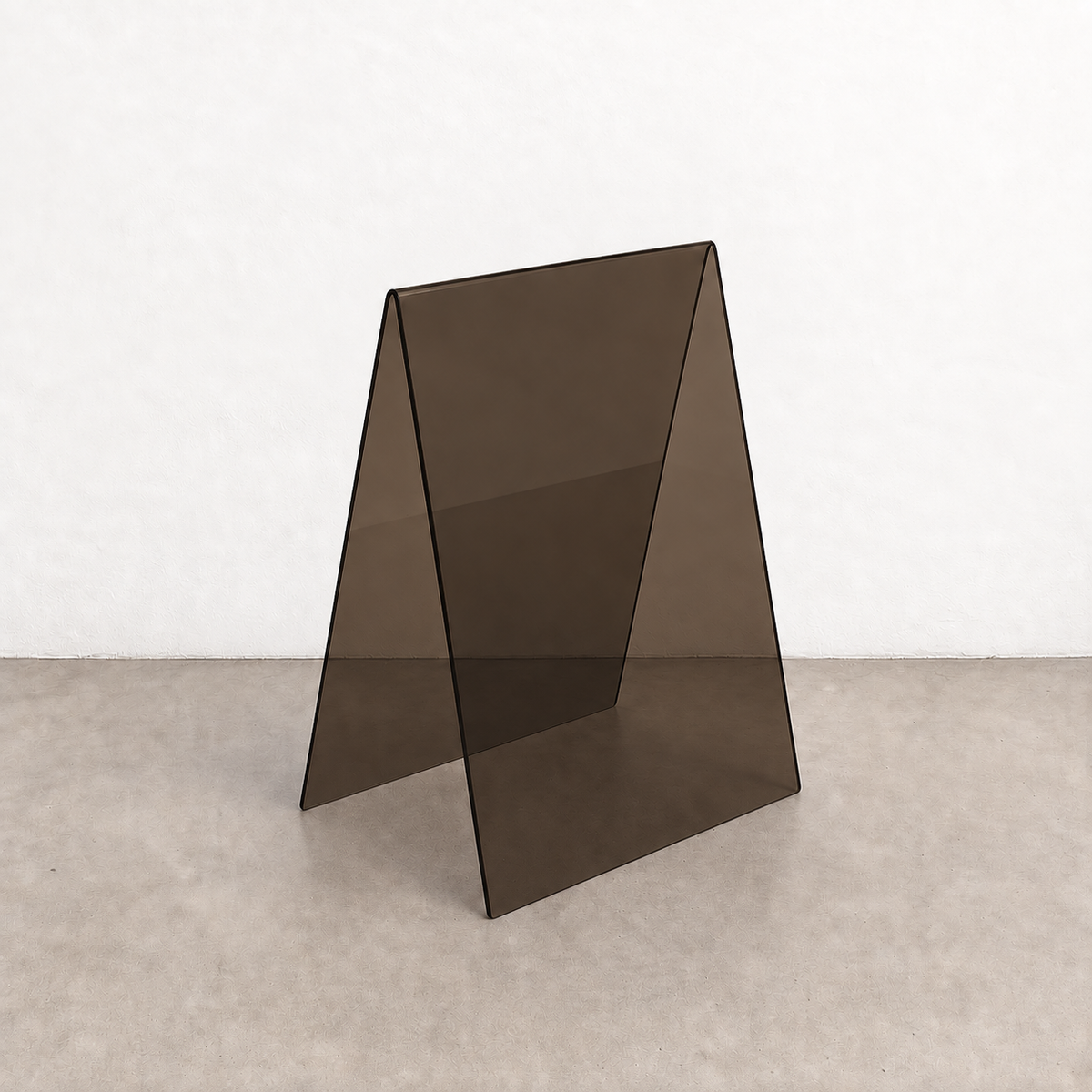
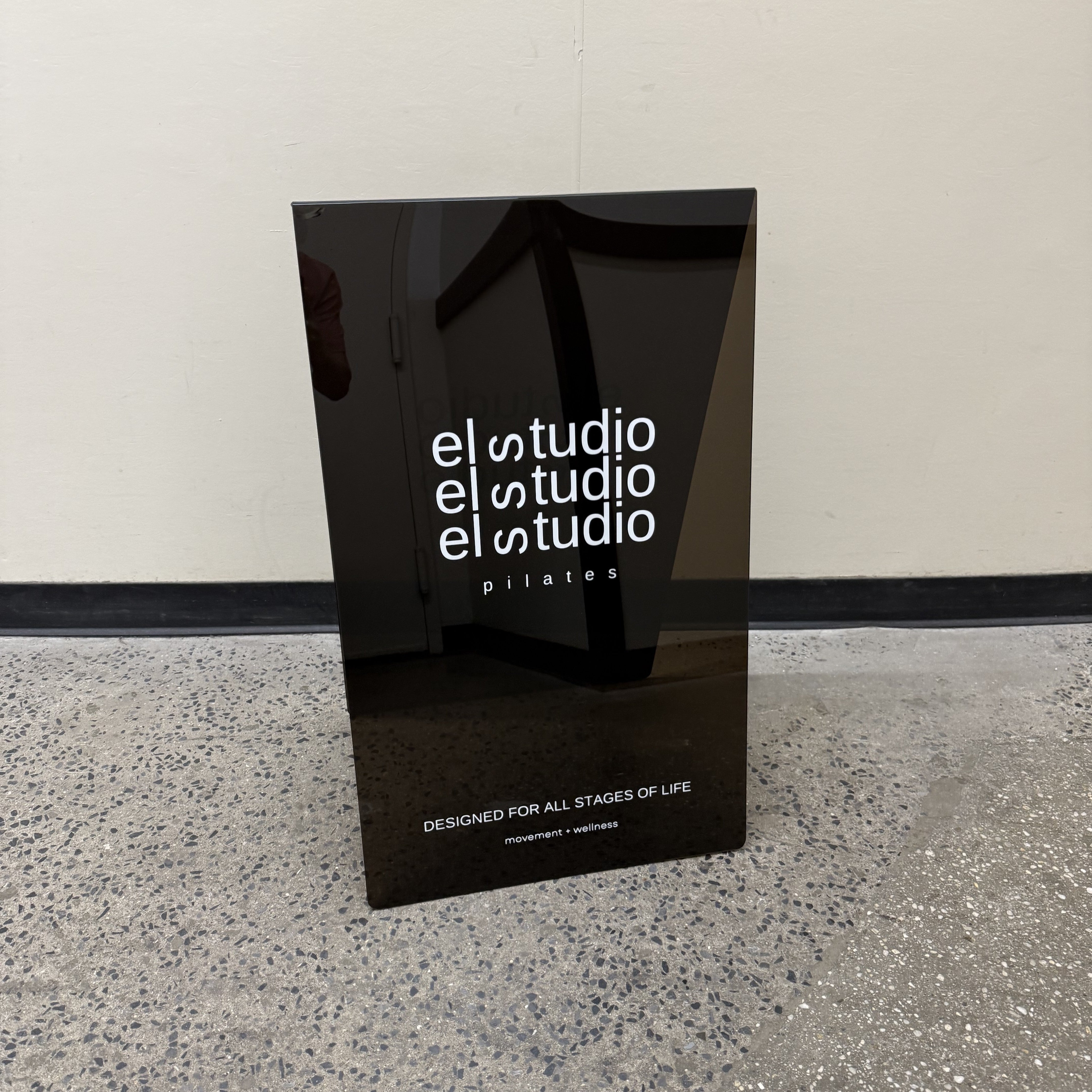
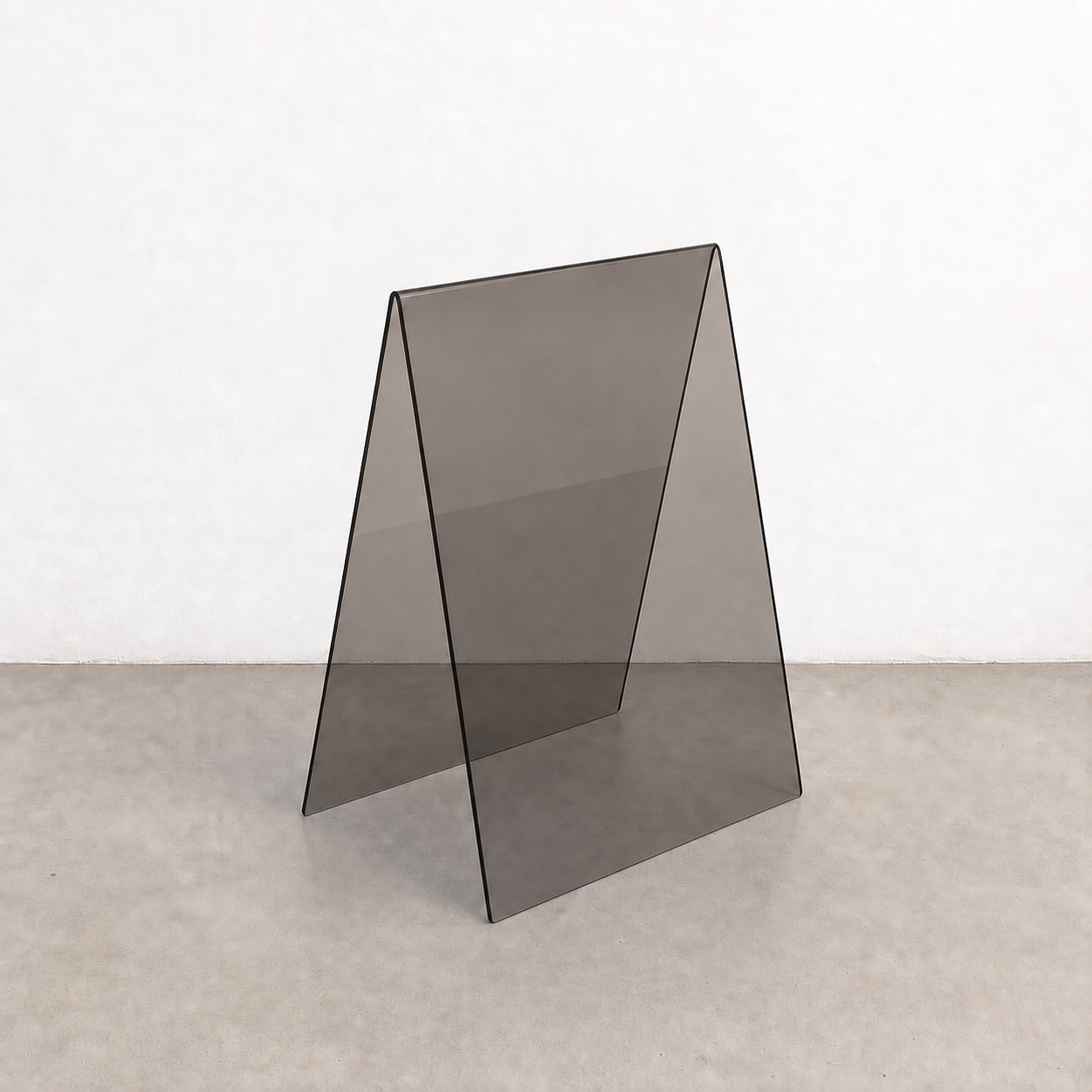
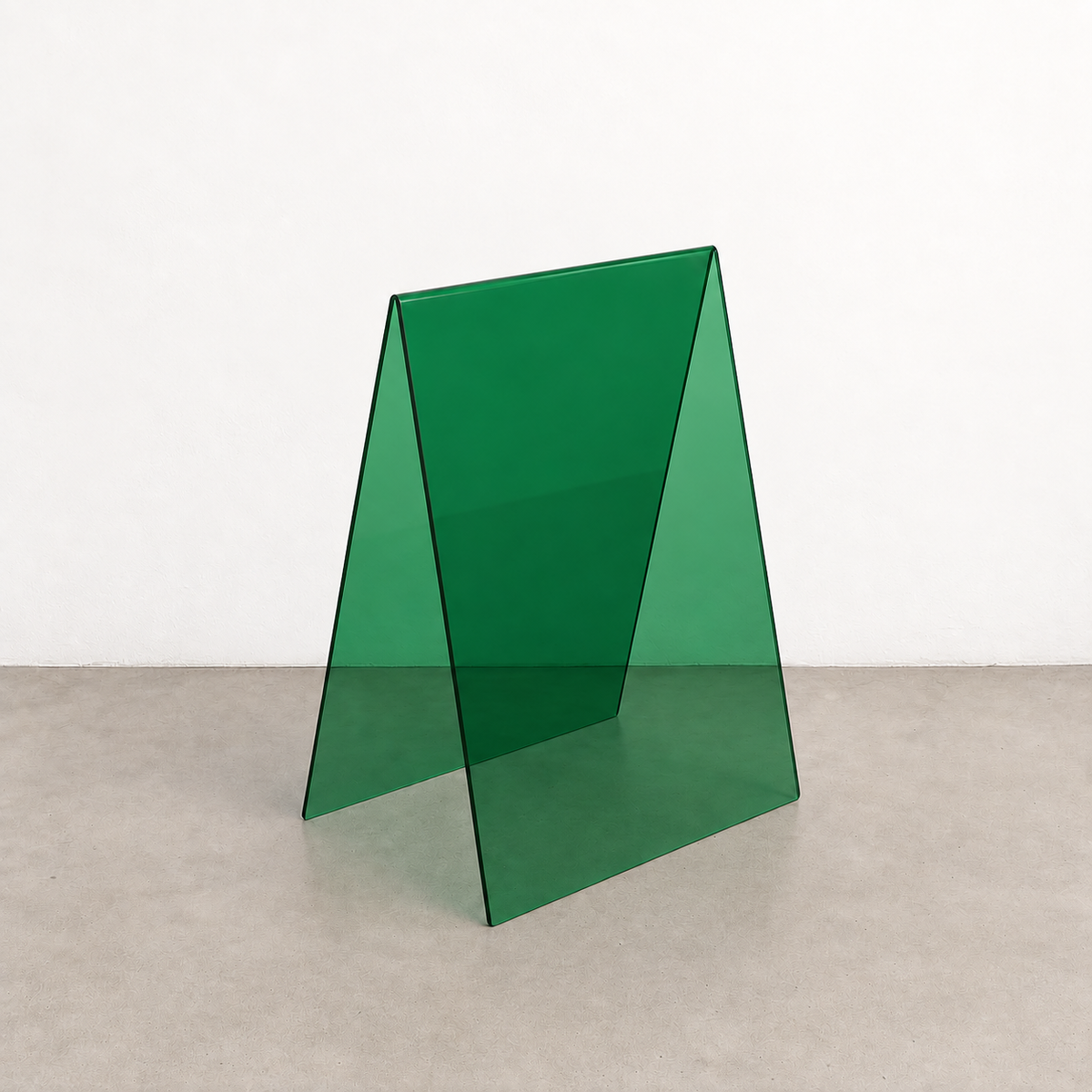
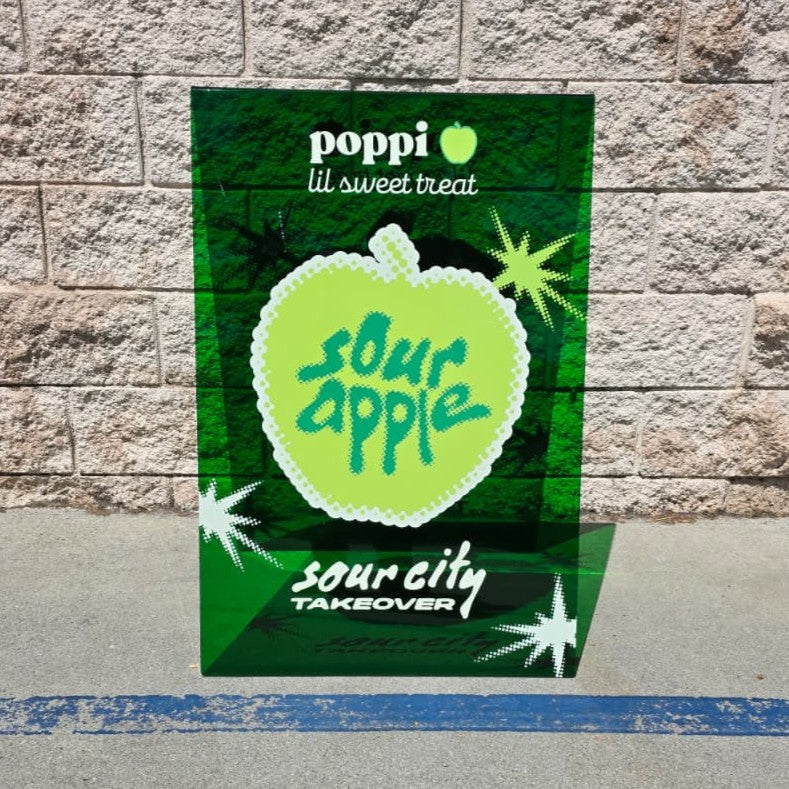
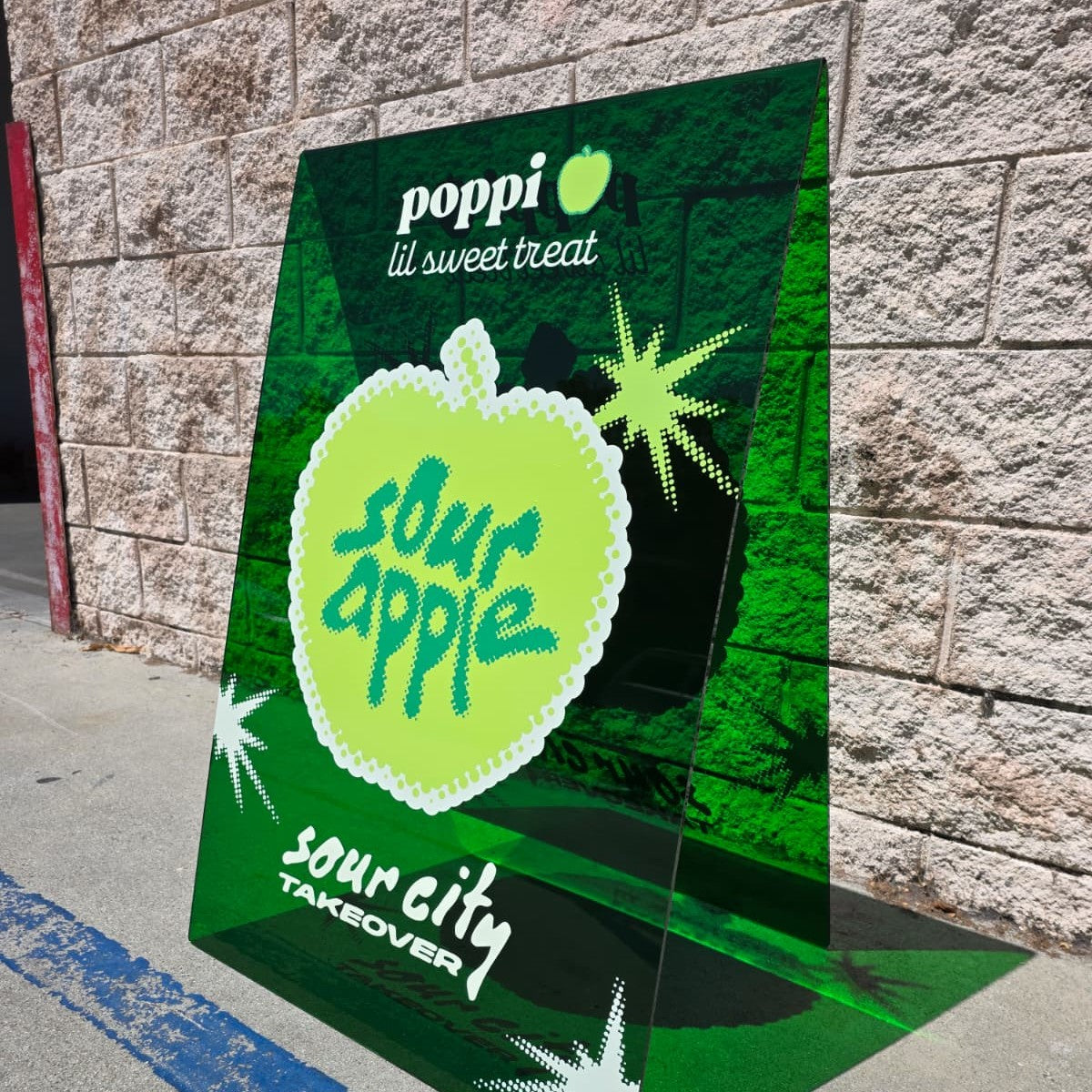
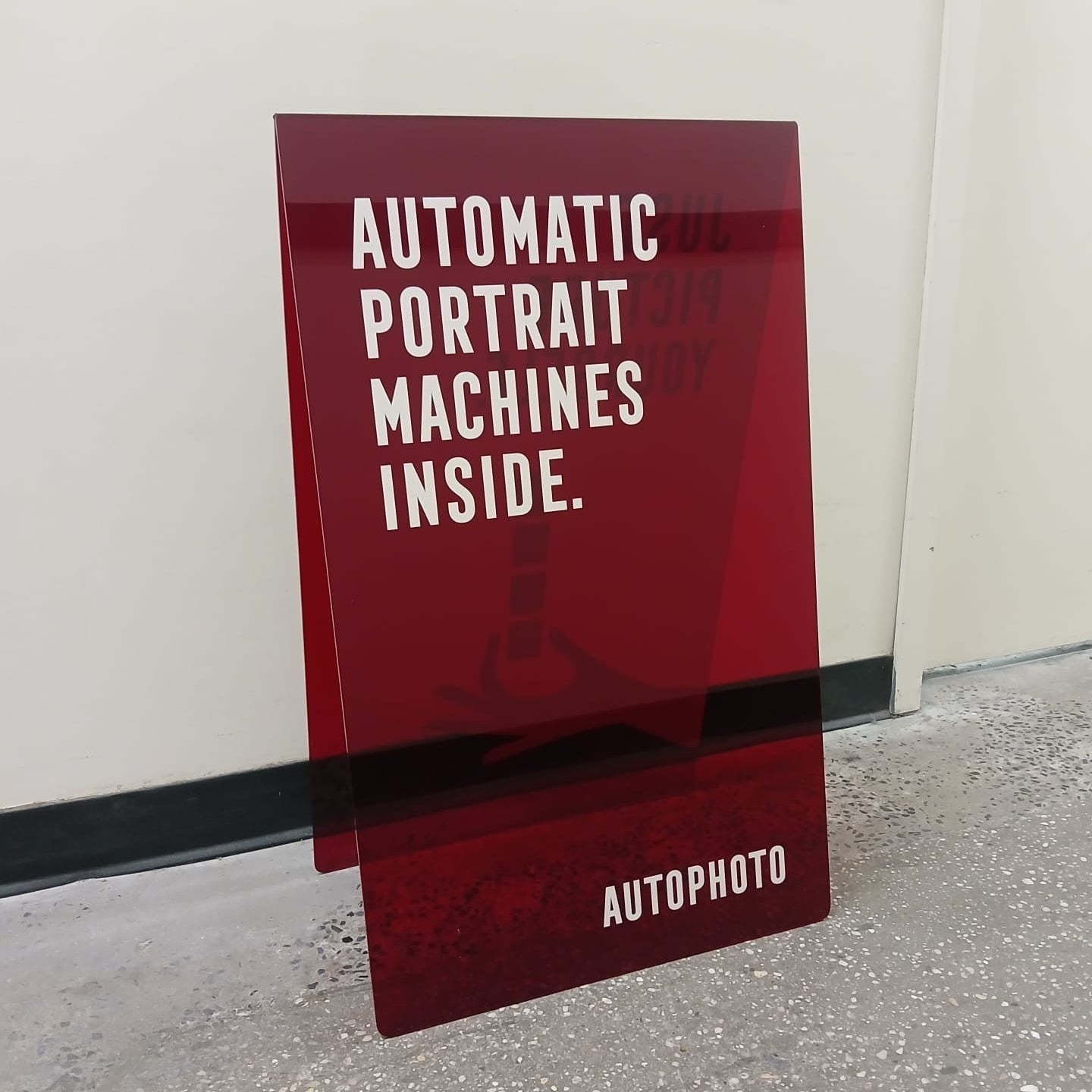
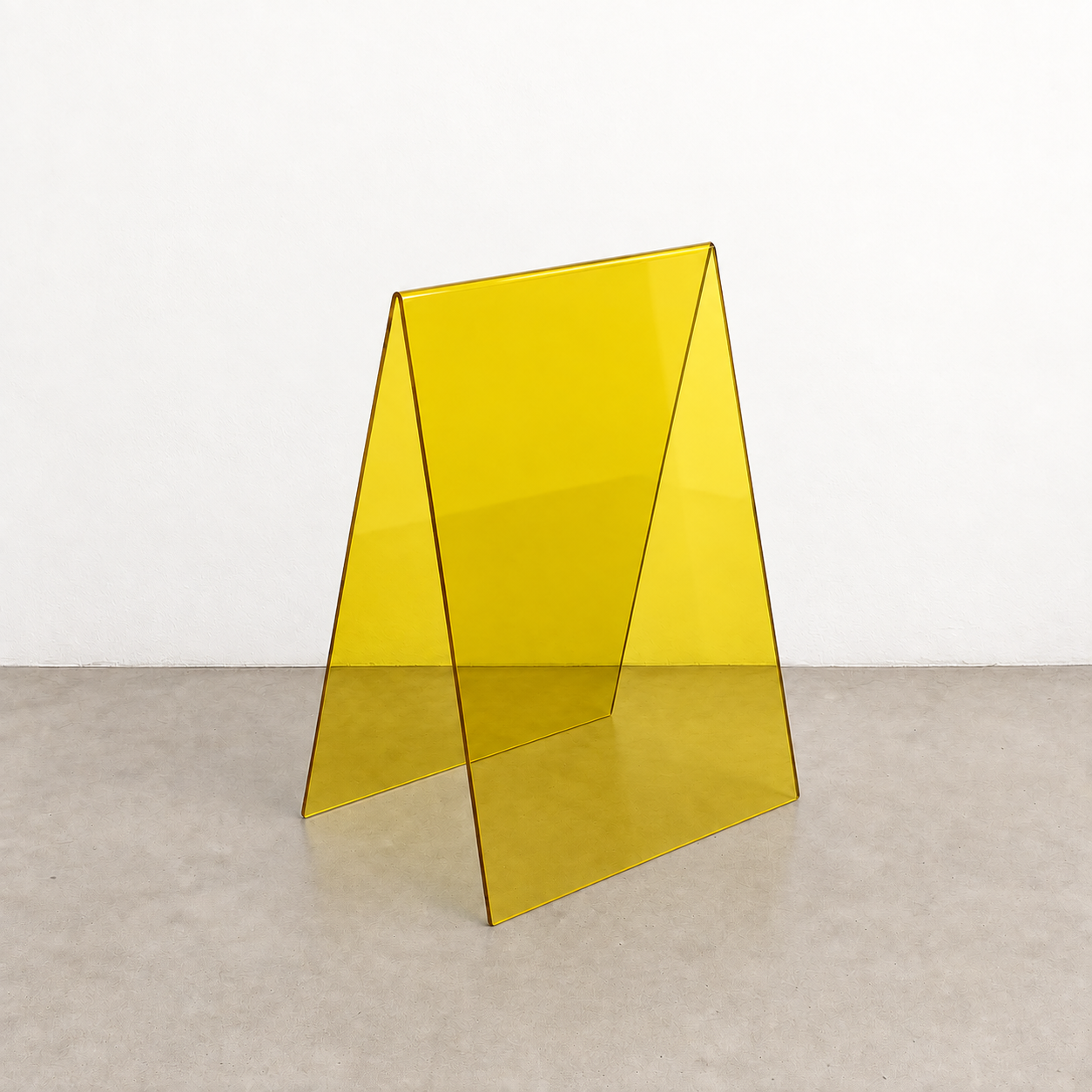
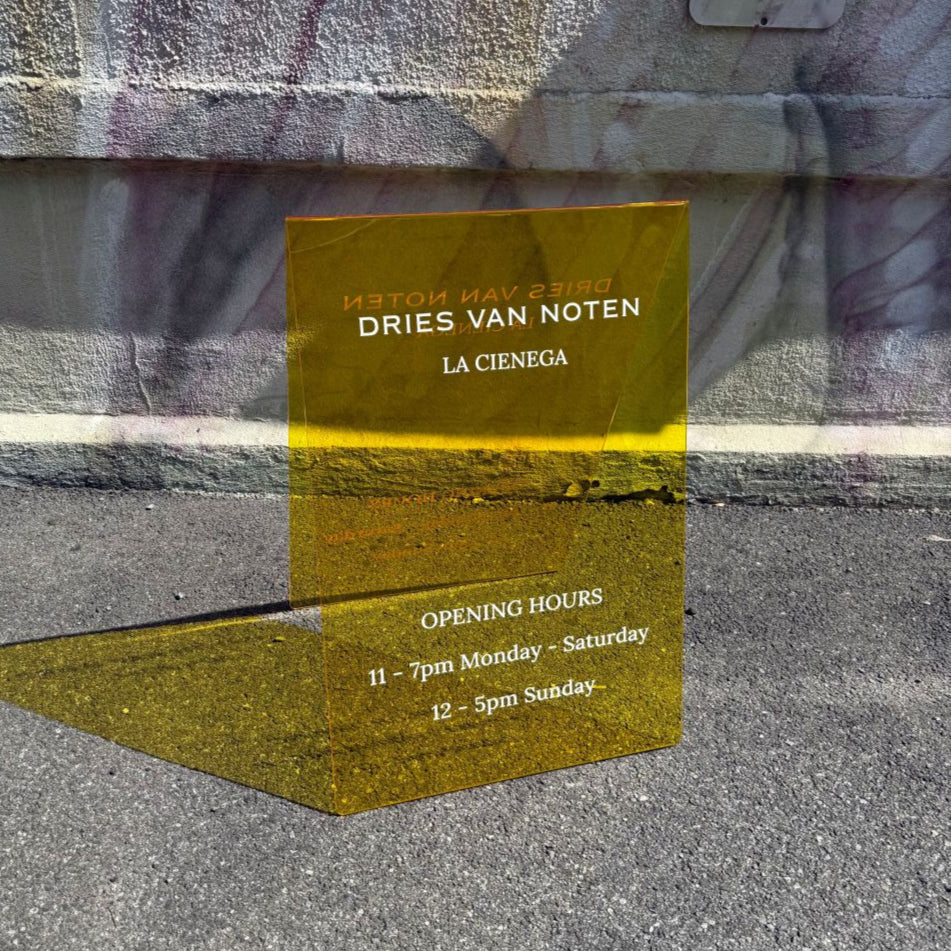
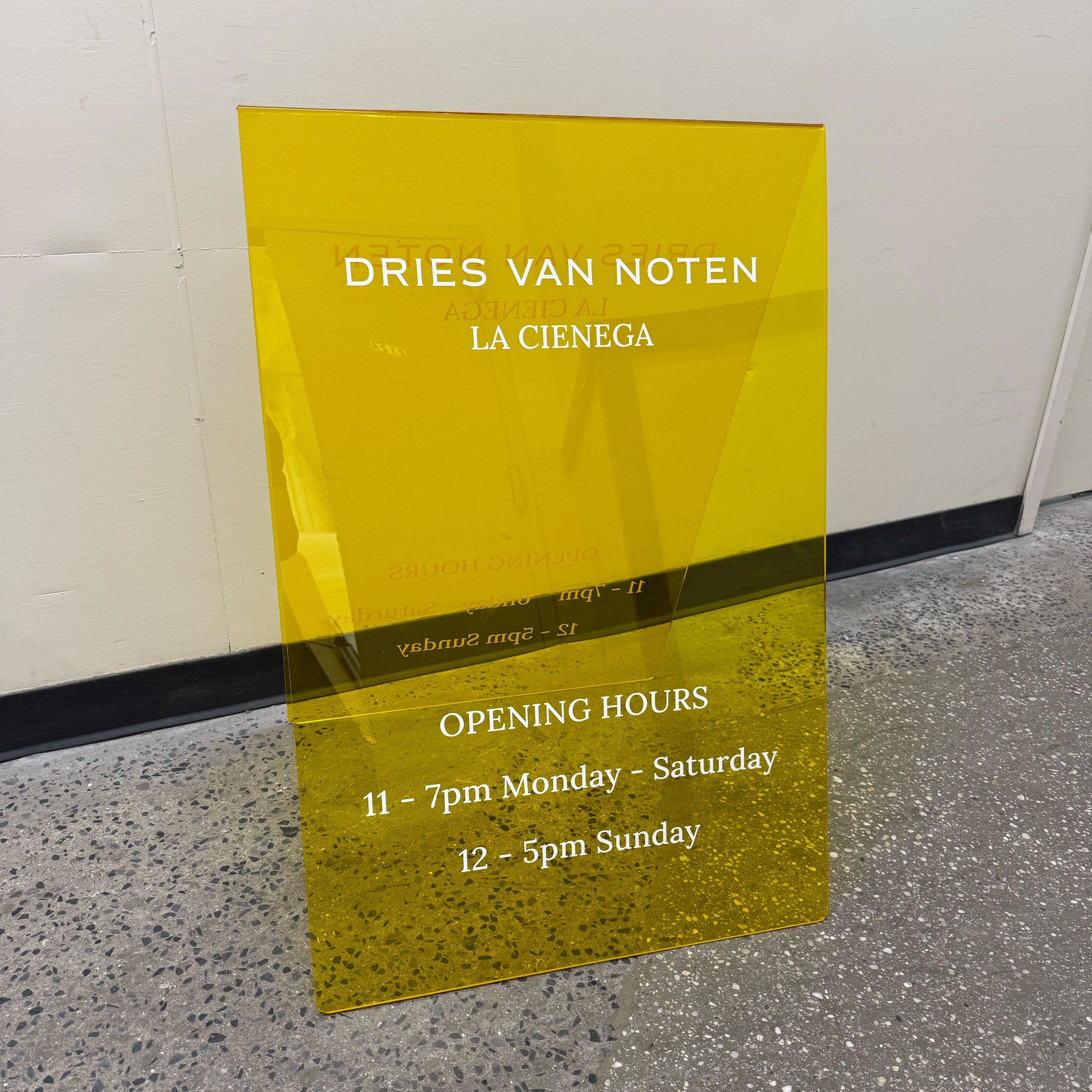
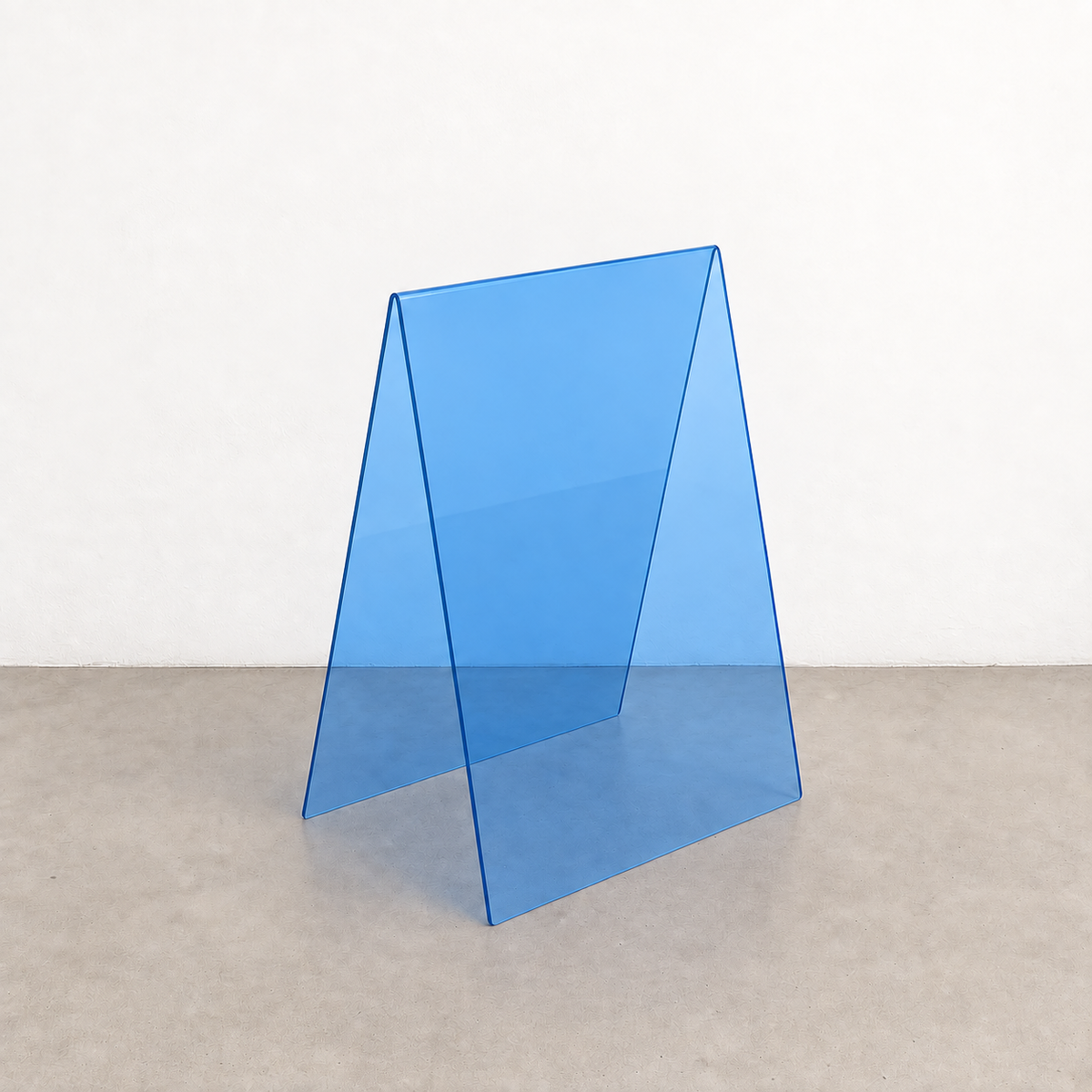
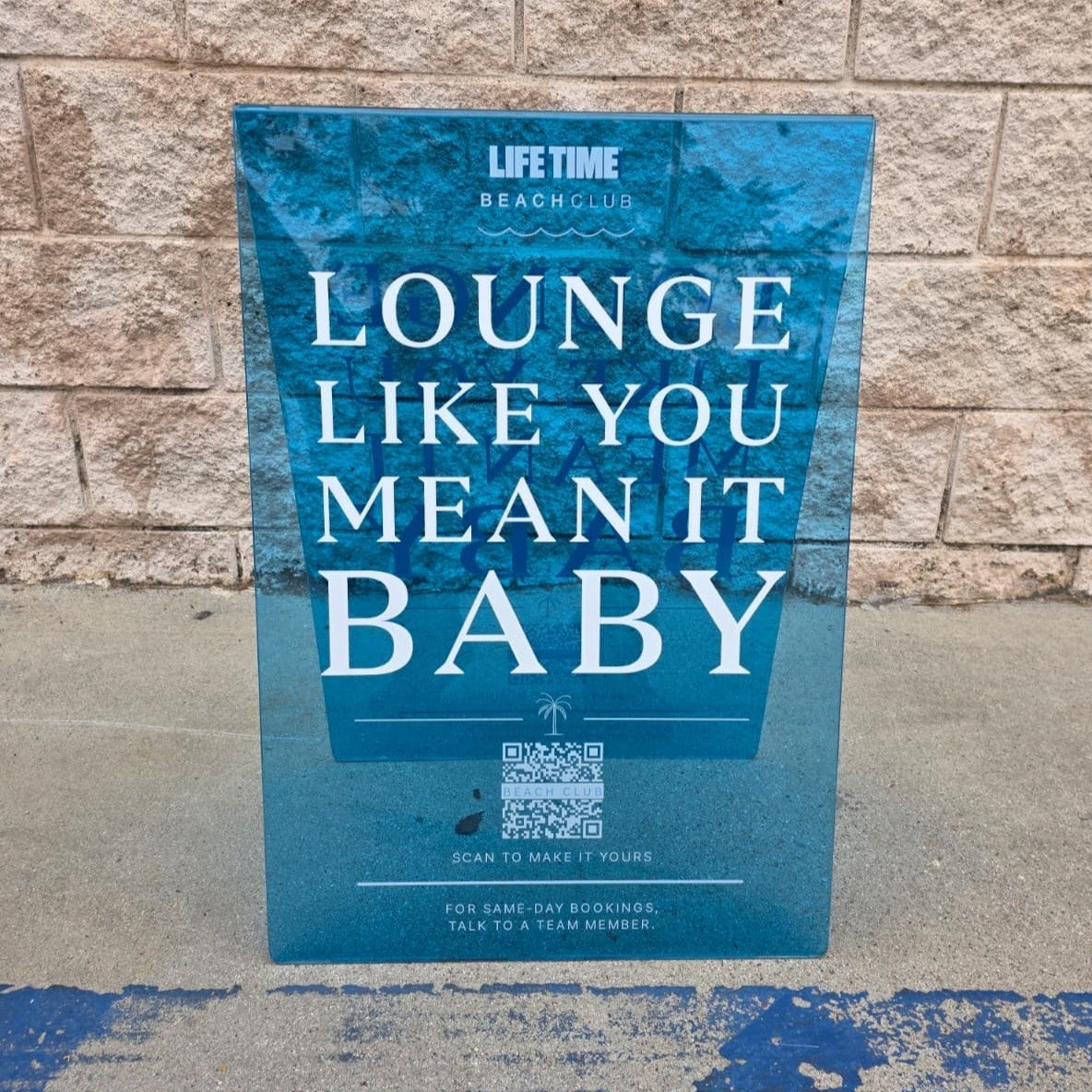
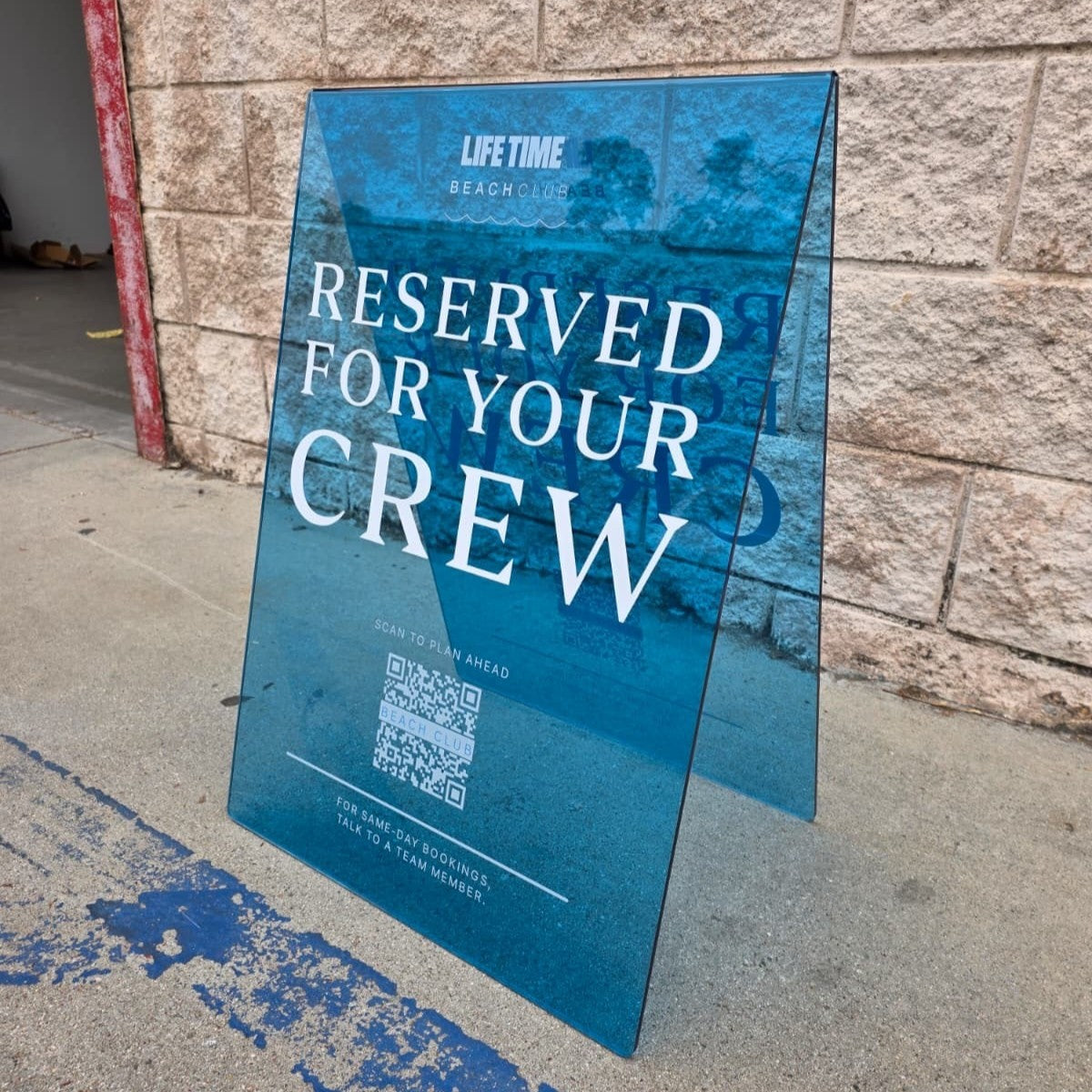
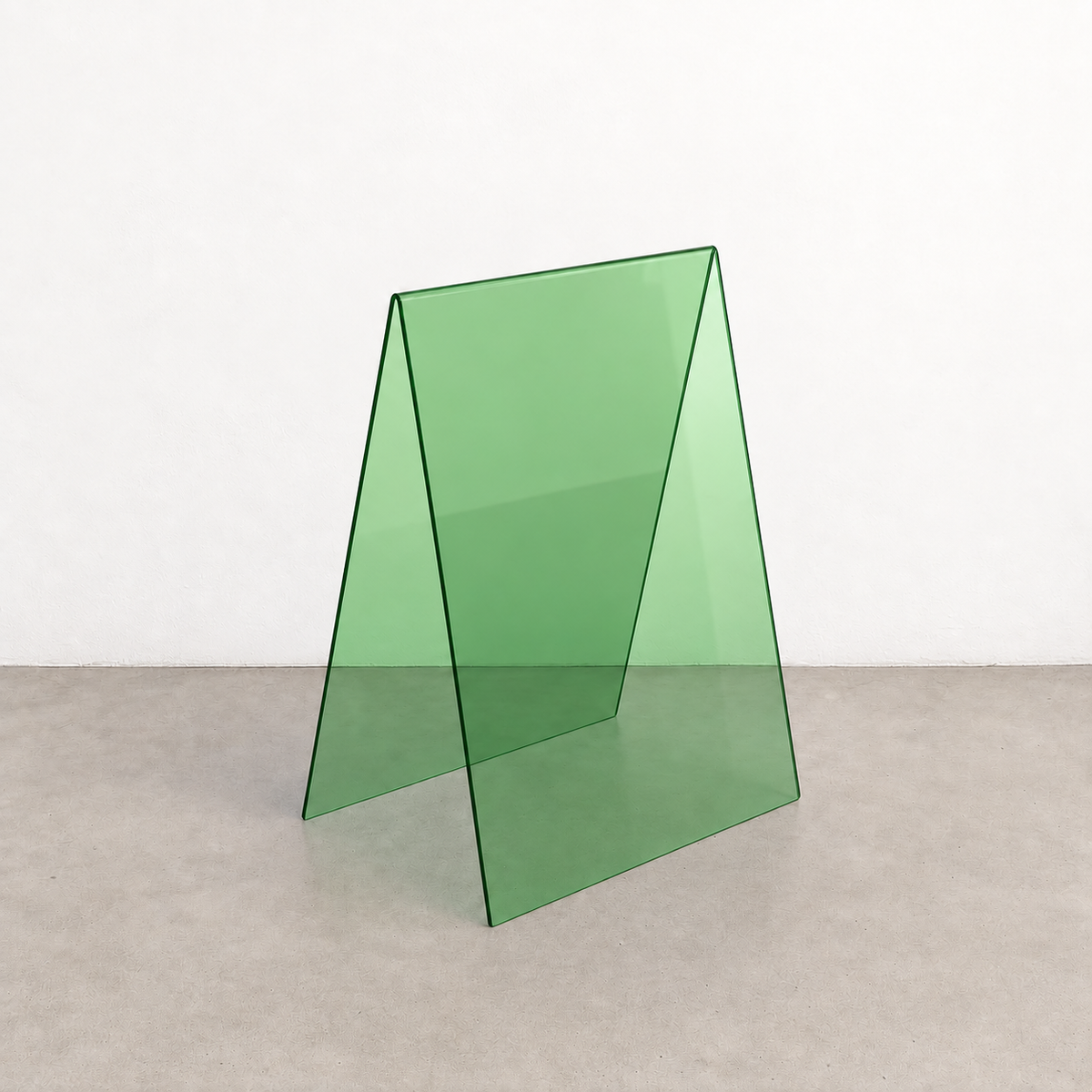
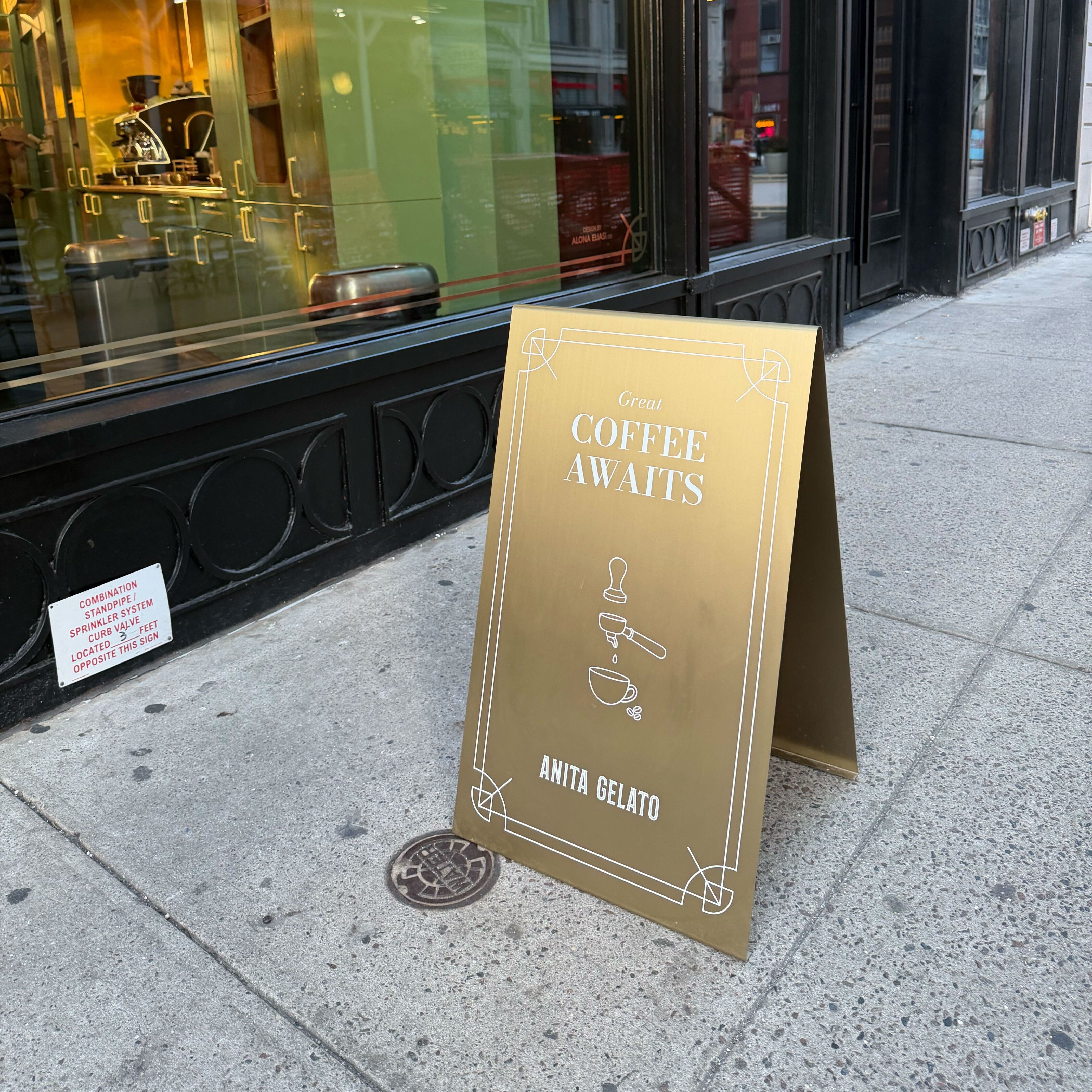
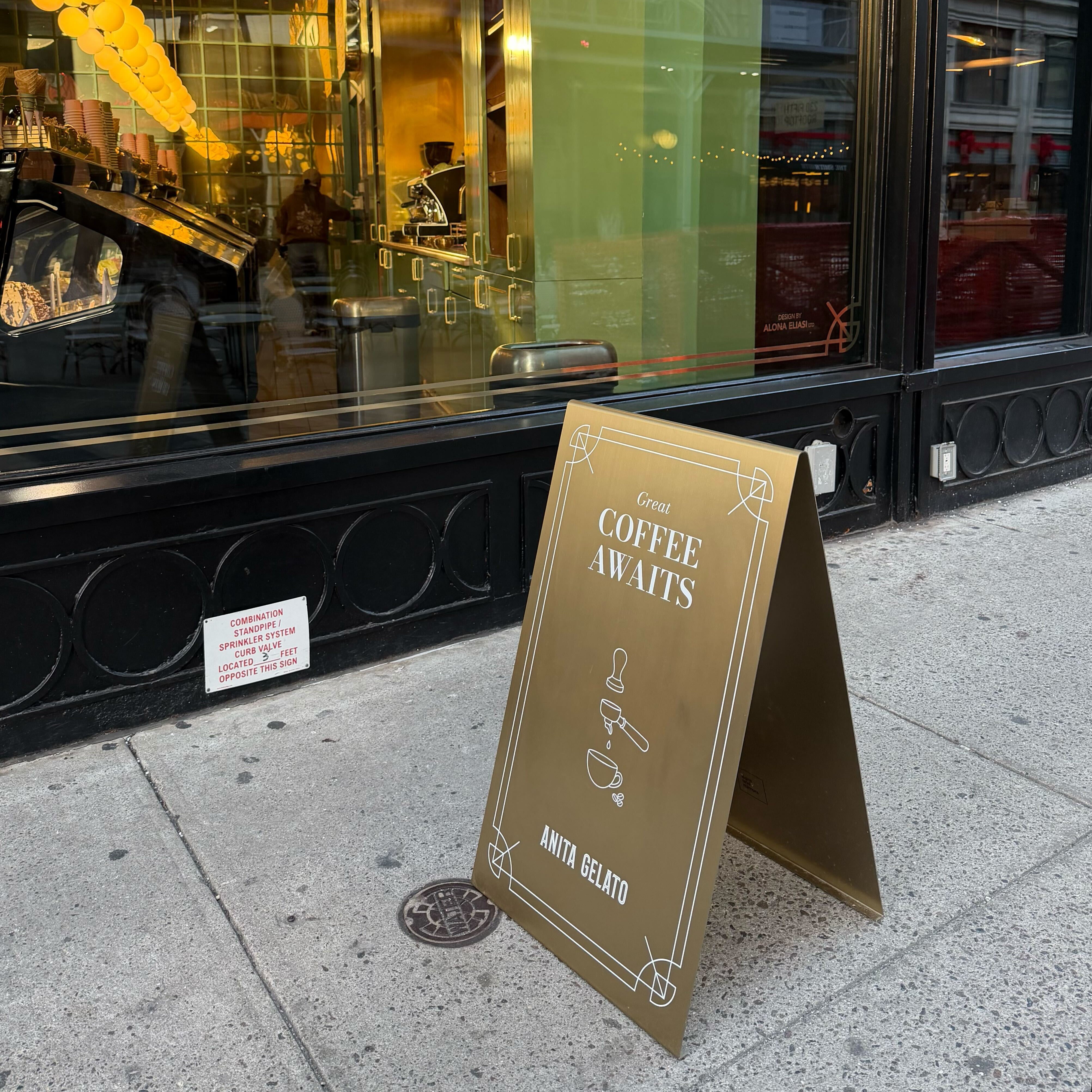
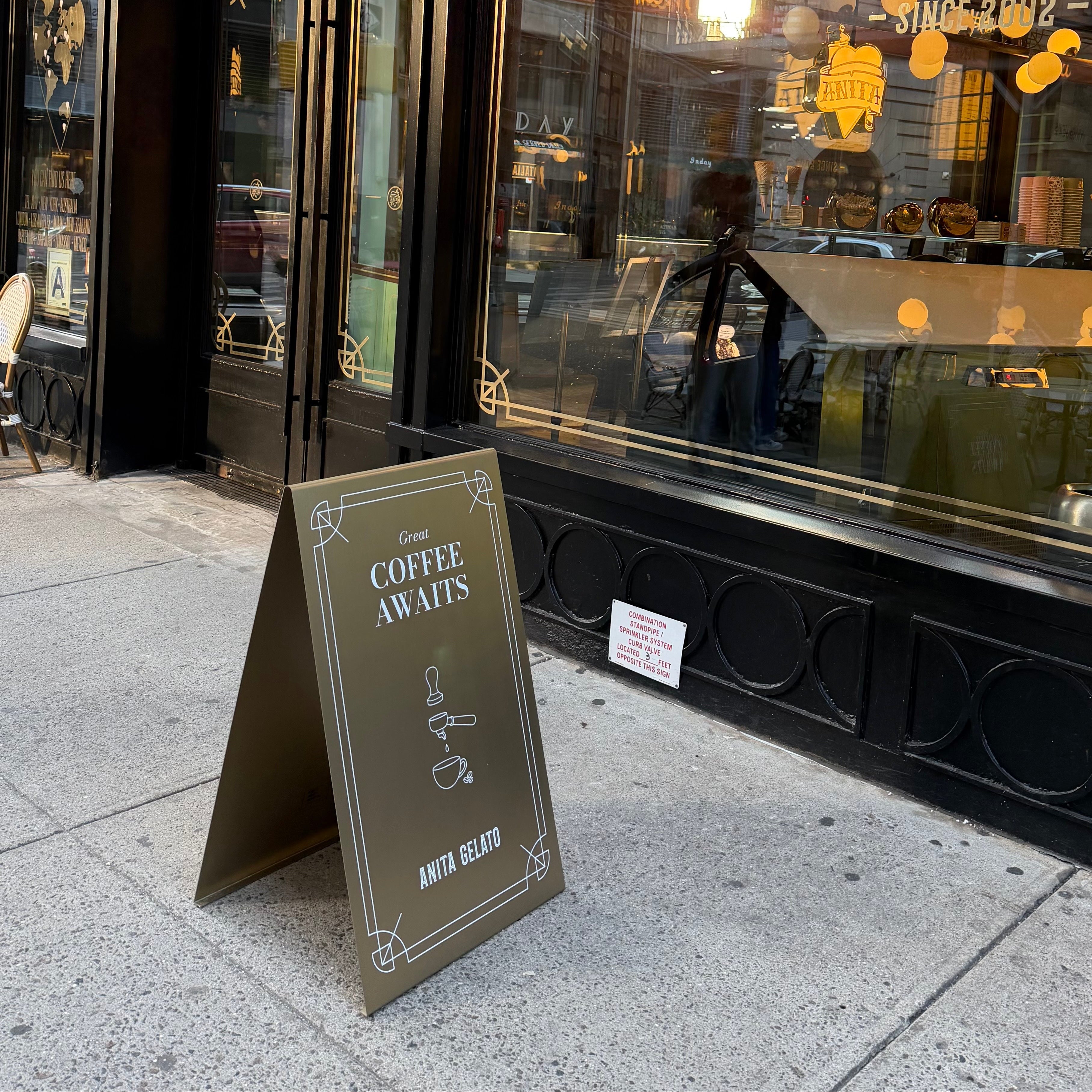
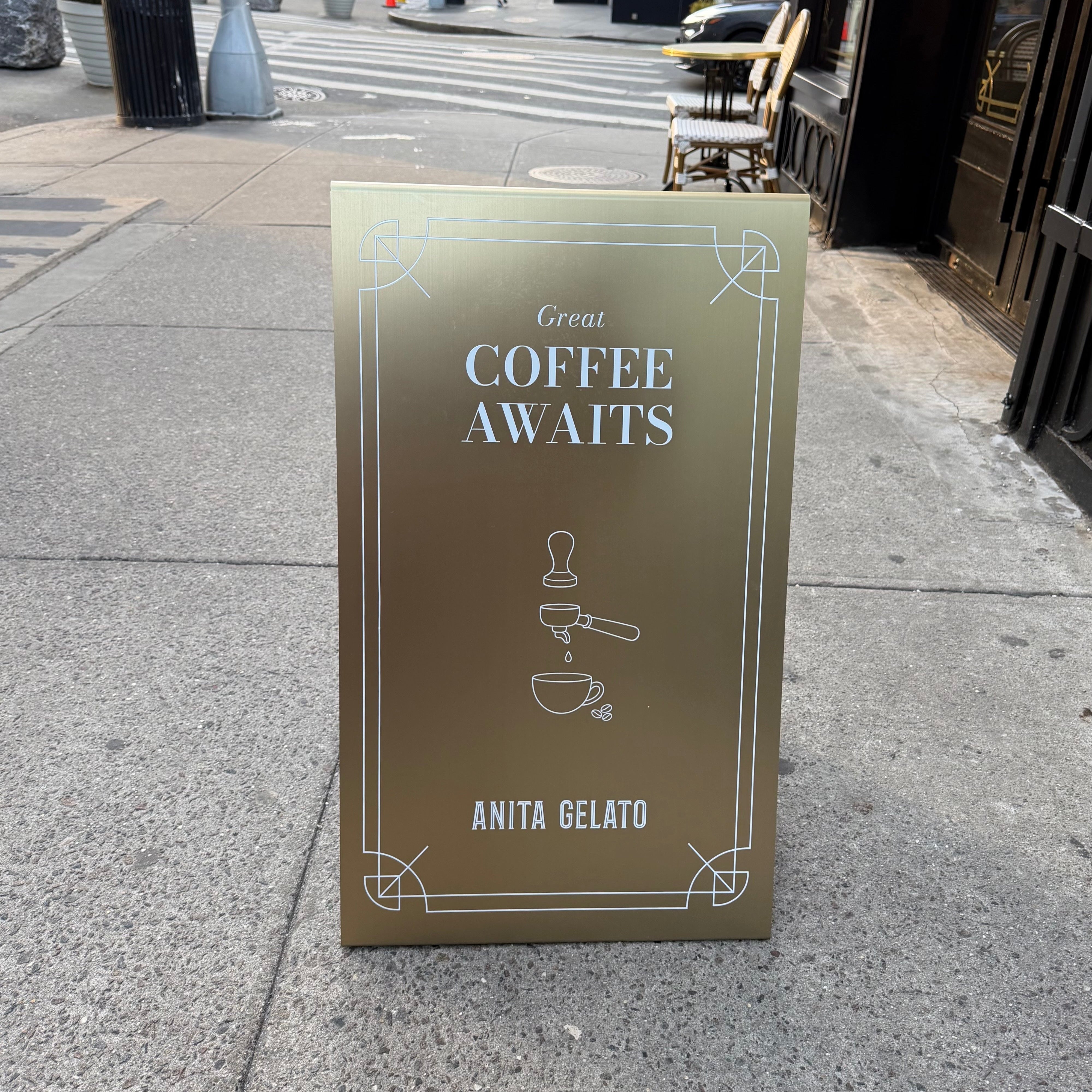
Most diners don’t come in just because they’re hungry. They come in because something pulled them in - a small detail, a visual cue, a moment of curiosity. And often, that first moment is a sign. A good one isn’t just directional - it’s magnetic. It sets the tone before anyone even sees the food.
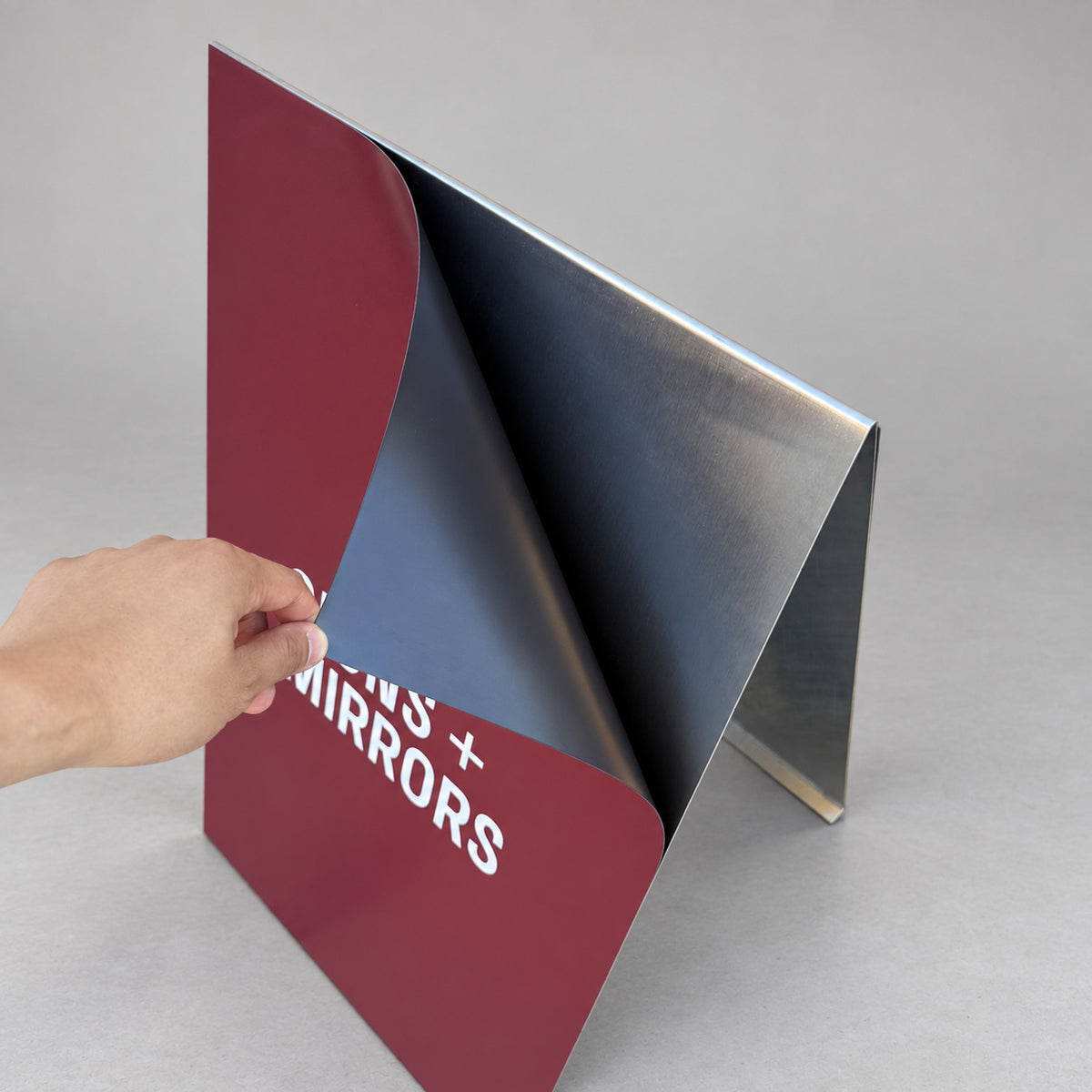
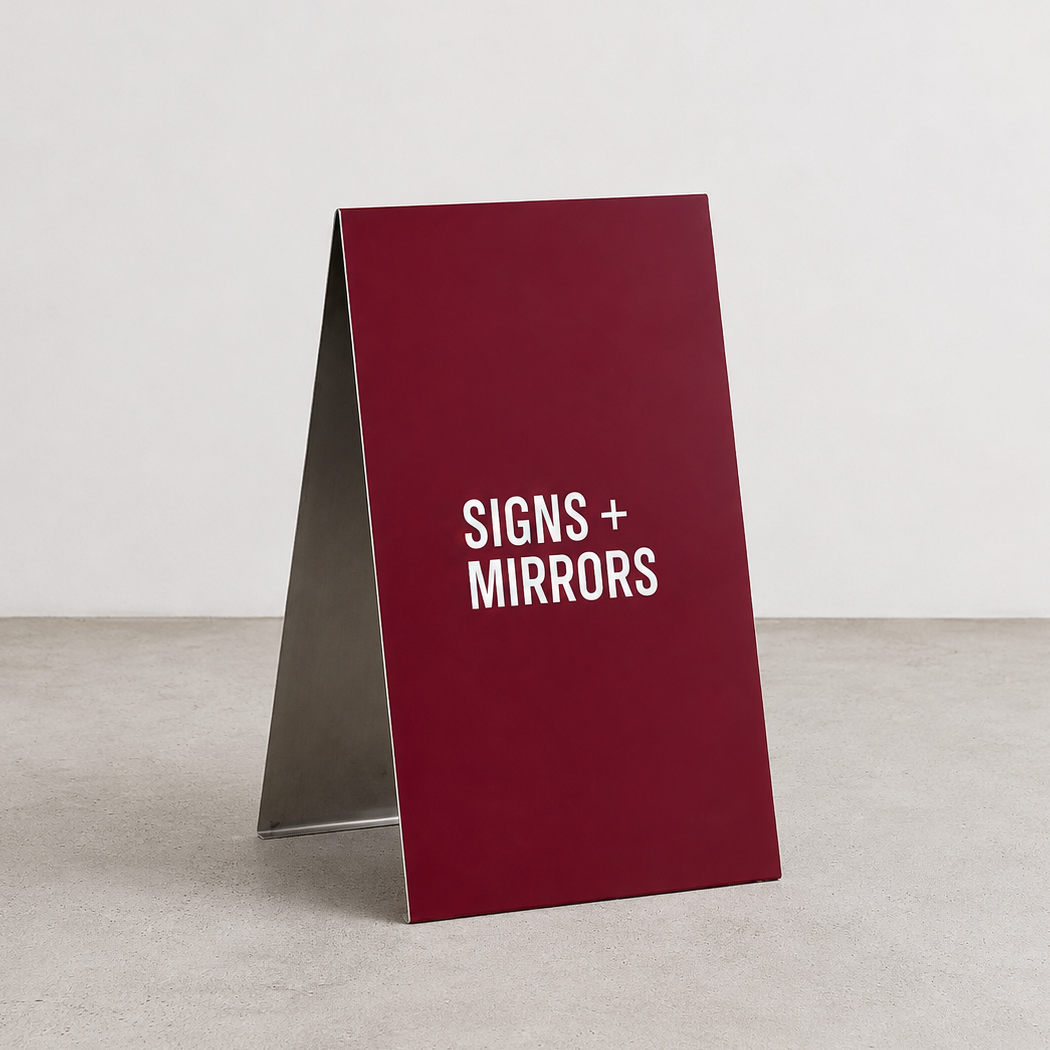
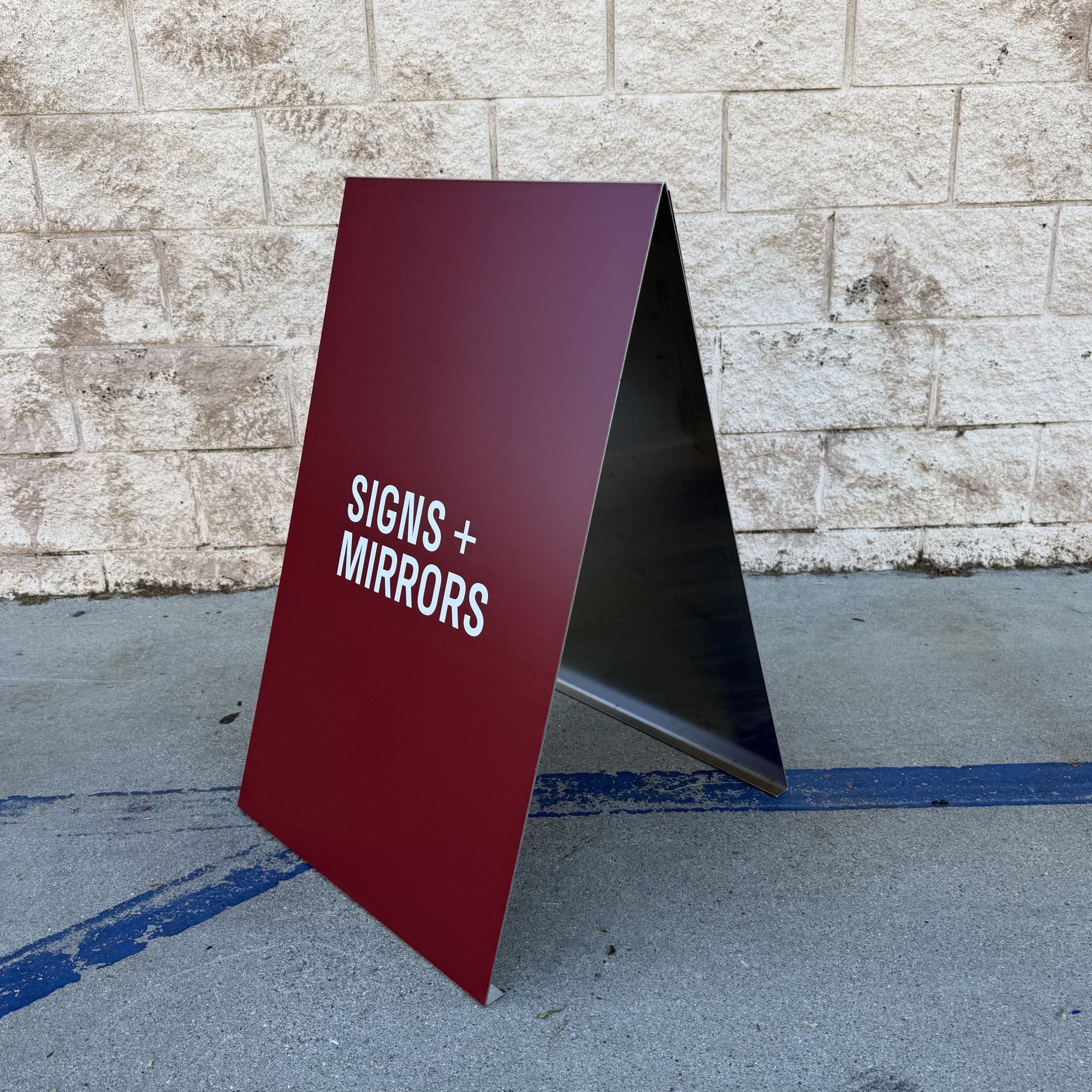
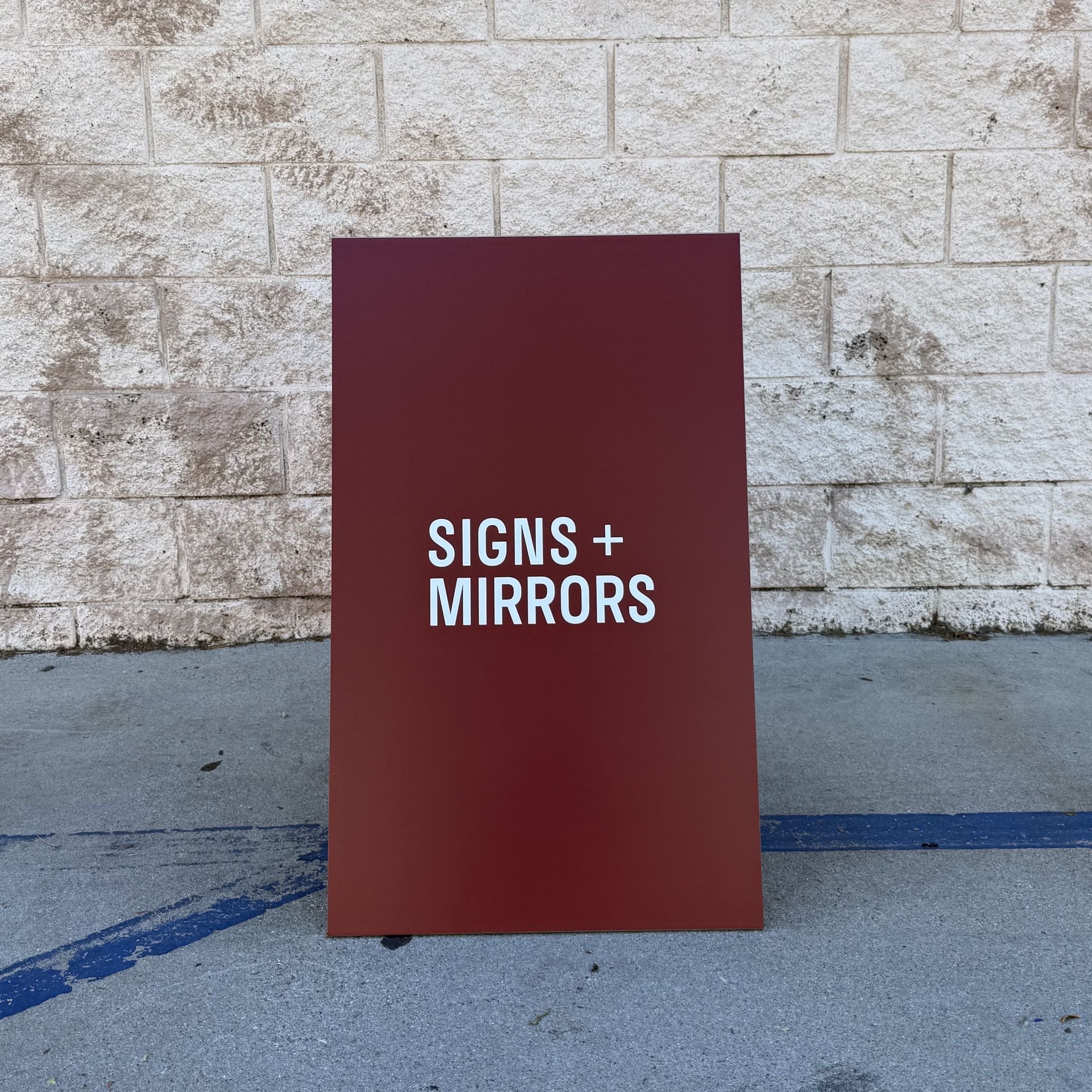
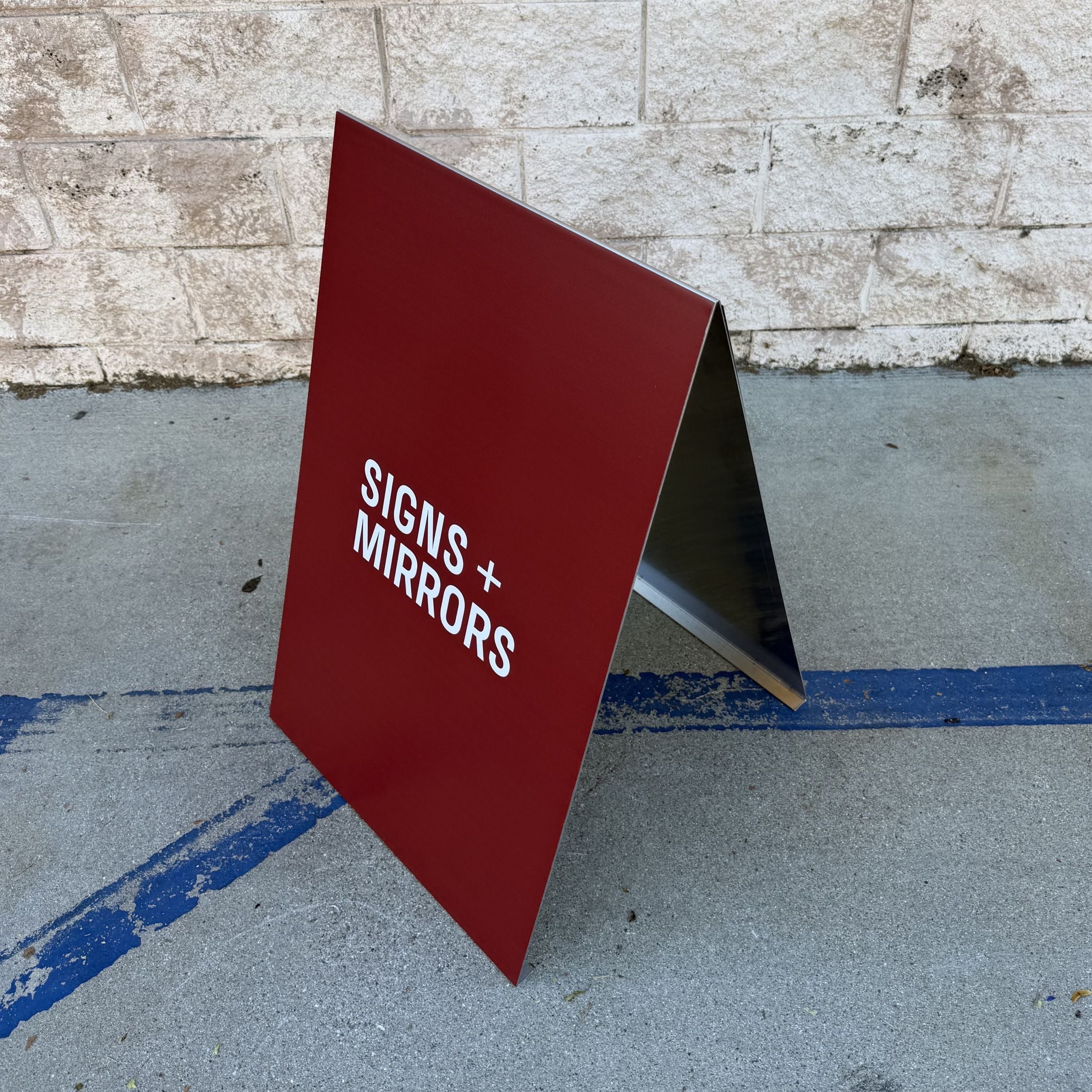
At Signs and Mirrors, we build signage that does more than point people to the entrance. We create pieces that feel intentional, polished, and quietly iconic. The kind people stop to photograph. The kind that gets shared.
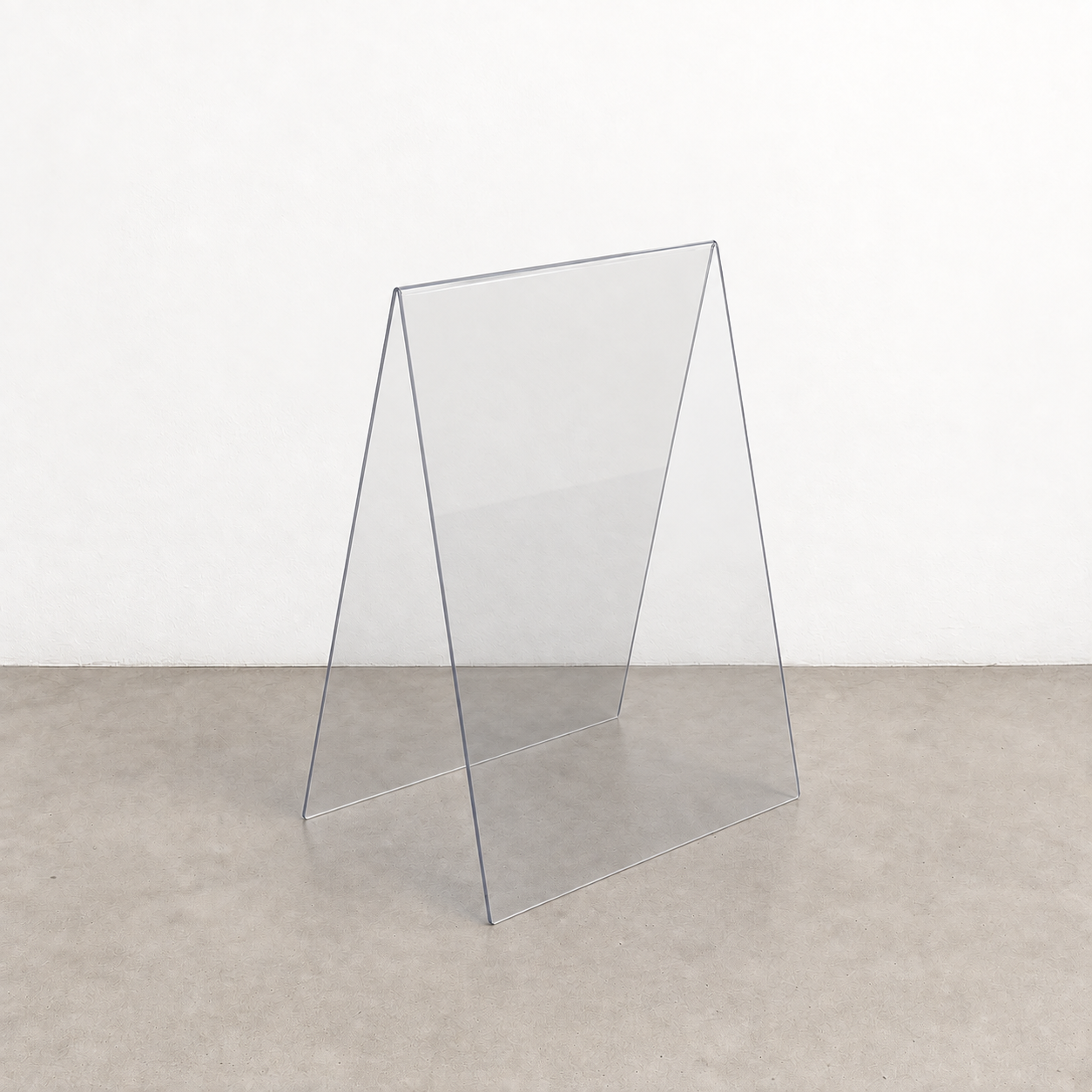
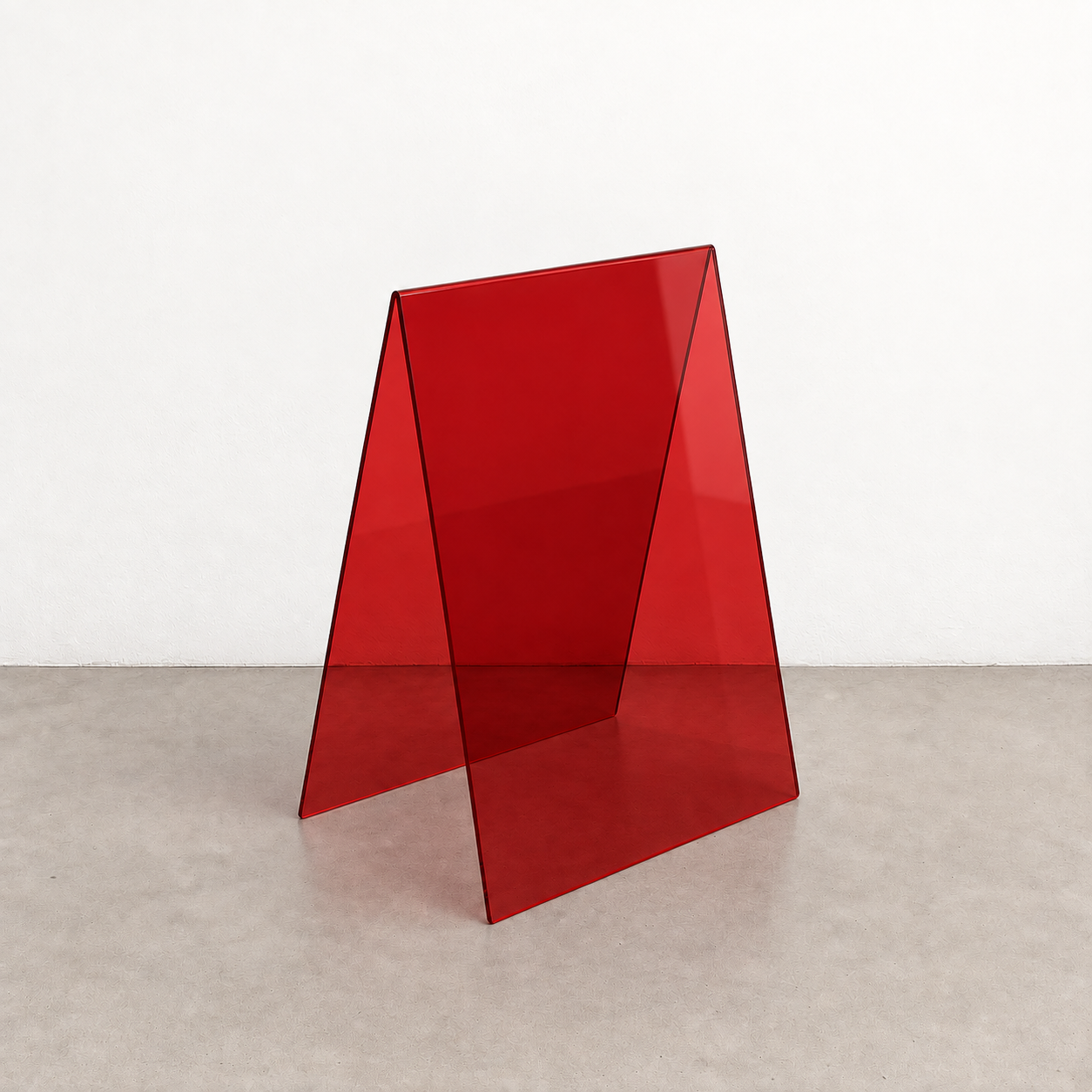
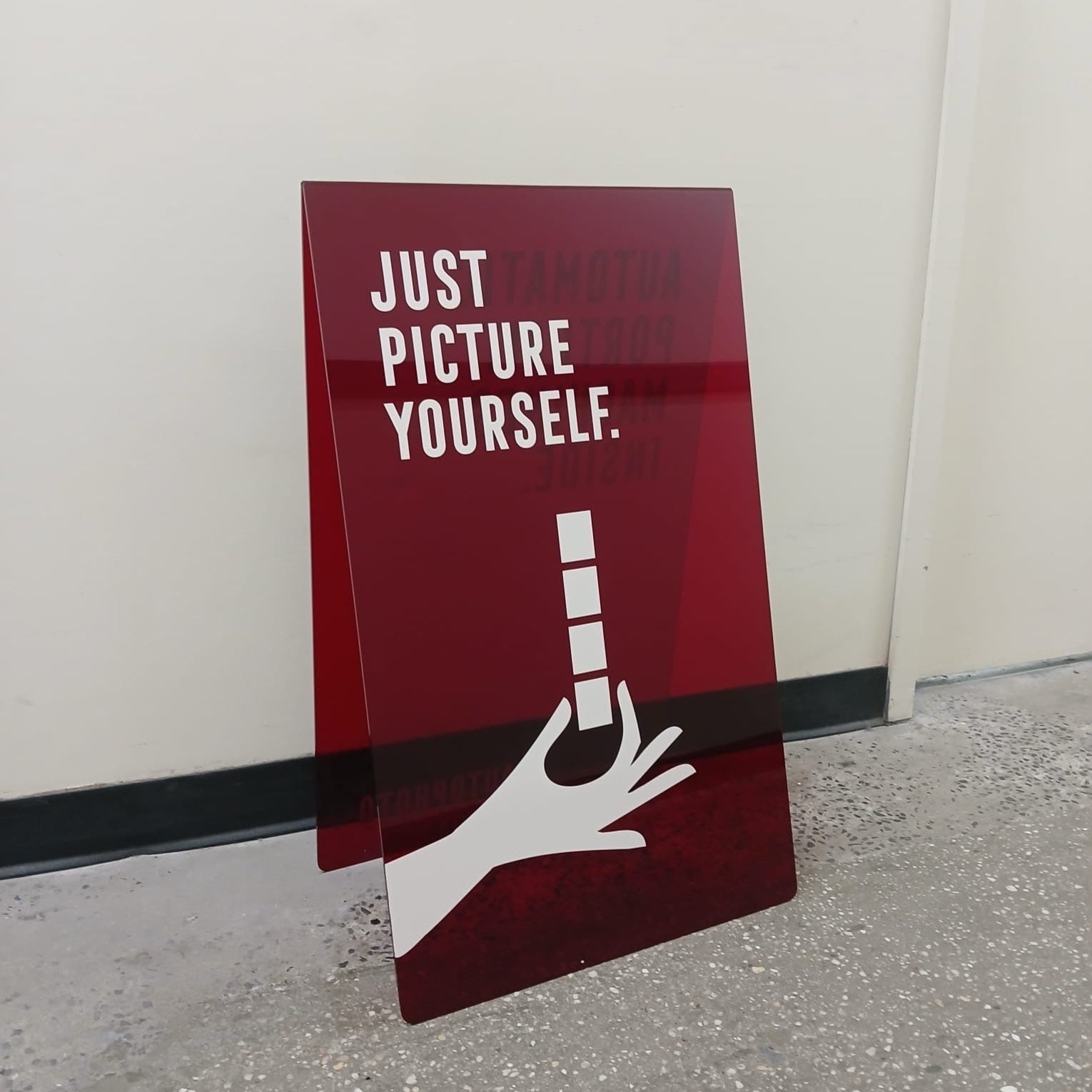
Our collection includes indoor and outdoor signs crafted in stainless steel, acrylic, and mirrored finishes - designed to reflect your brand (literally and otherwise) with calm clarity. Many of our clients are studios, cafés, restaurants, and concept spaces where presence matters, even from across the street.
A Few Sign Options Restaurants Love

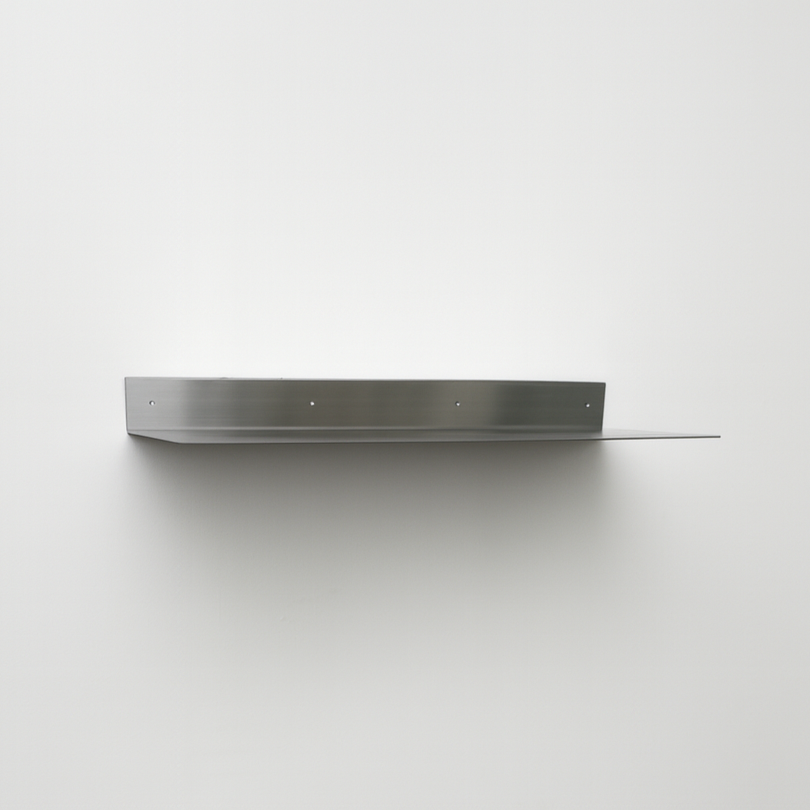
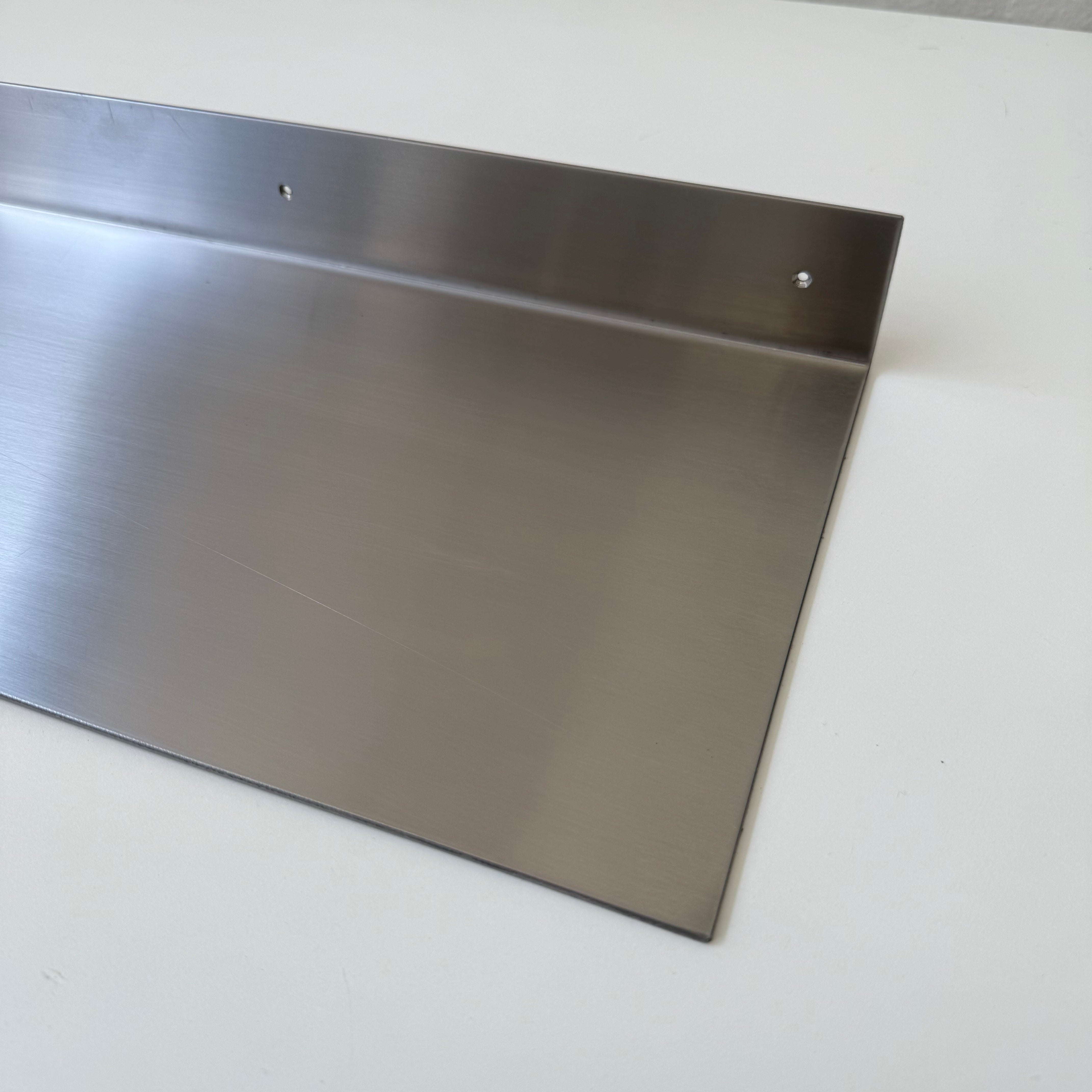
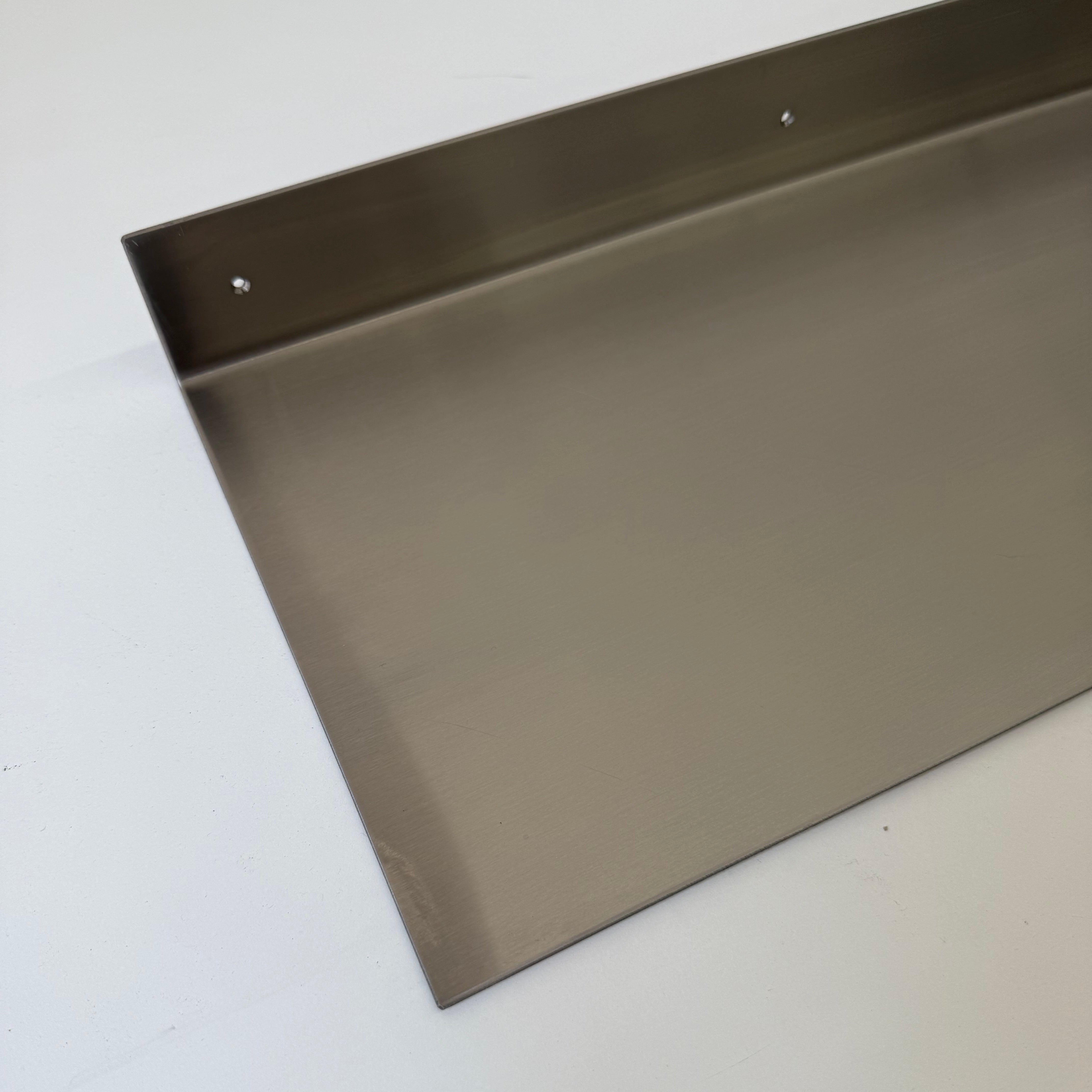
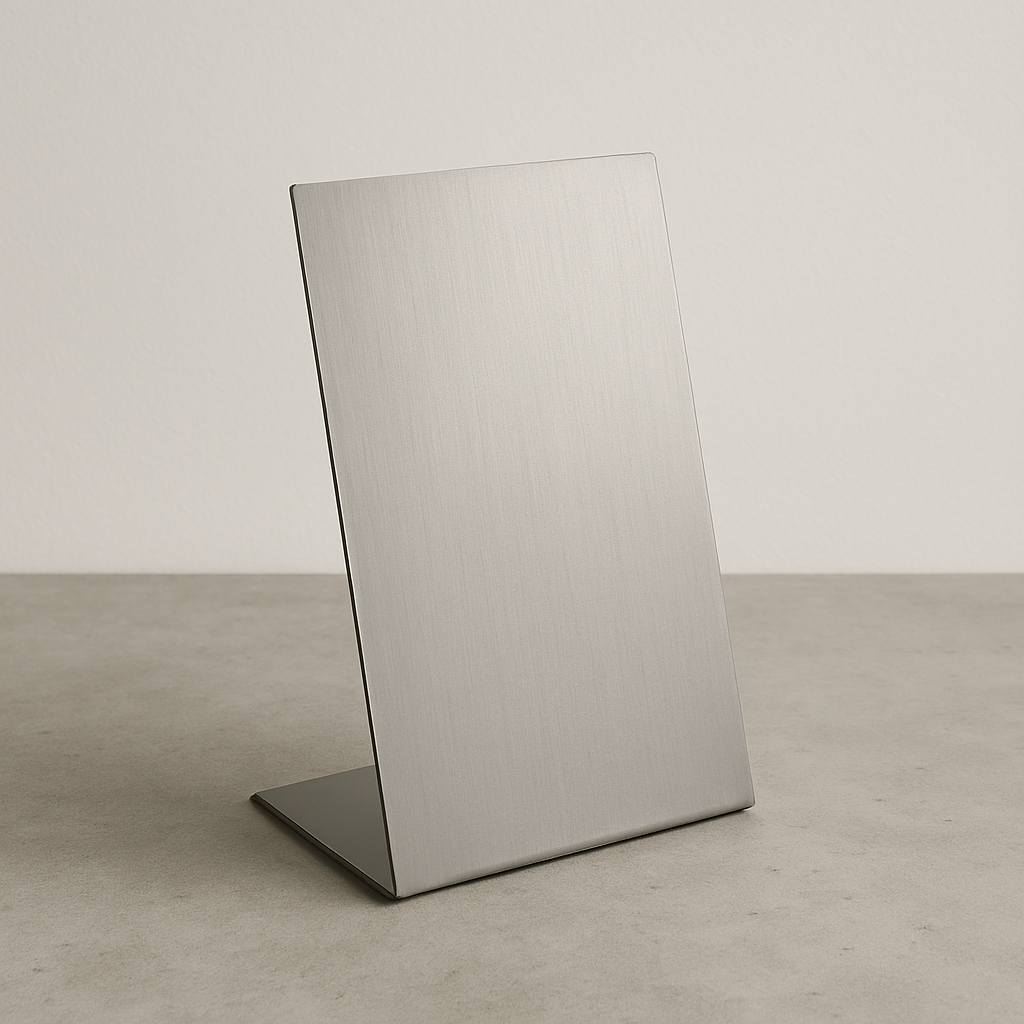
1. #020 - Stainless Steel Leaning Wall Panel Sign
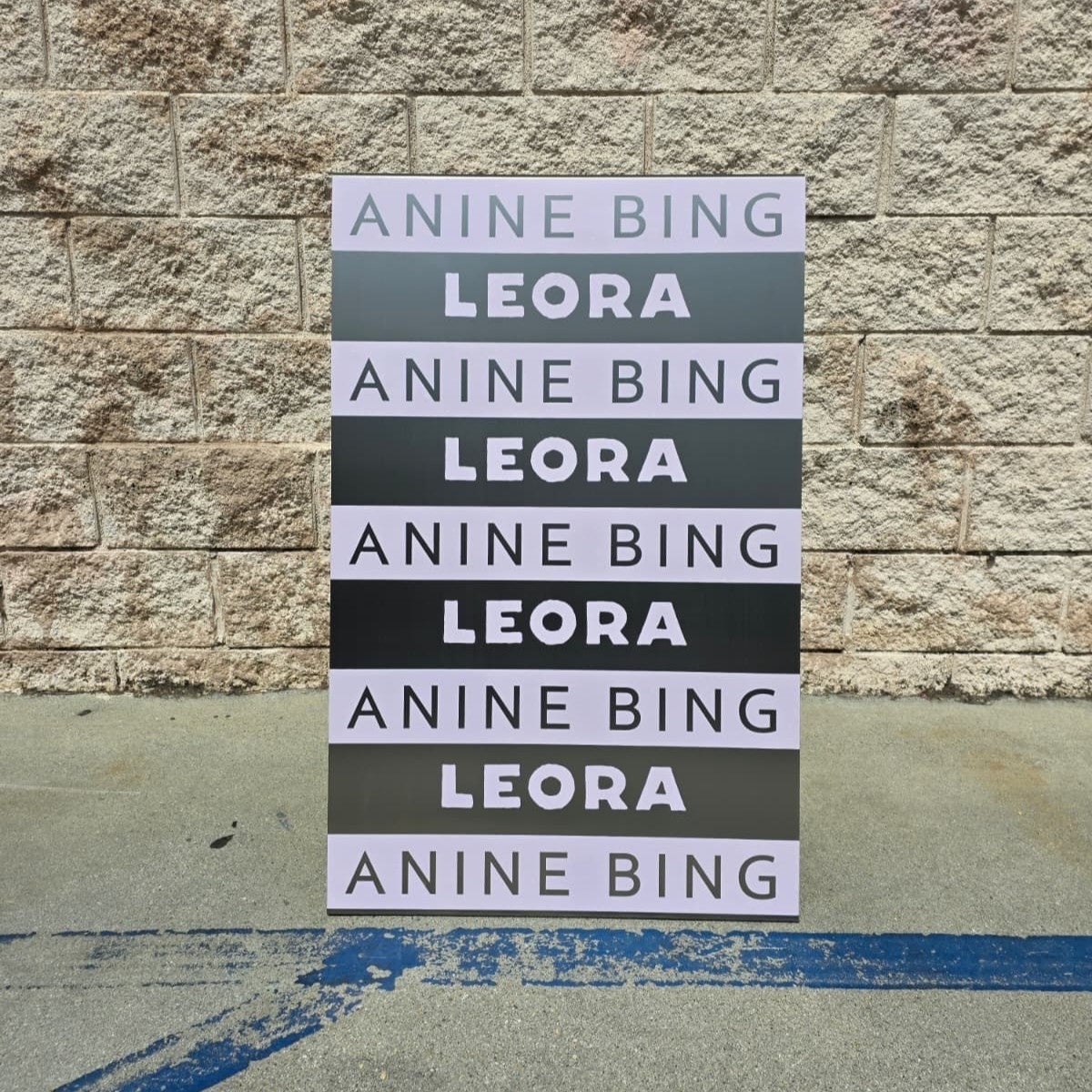
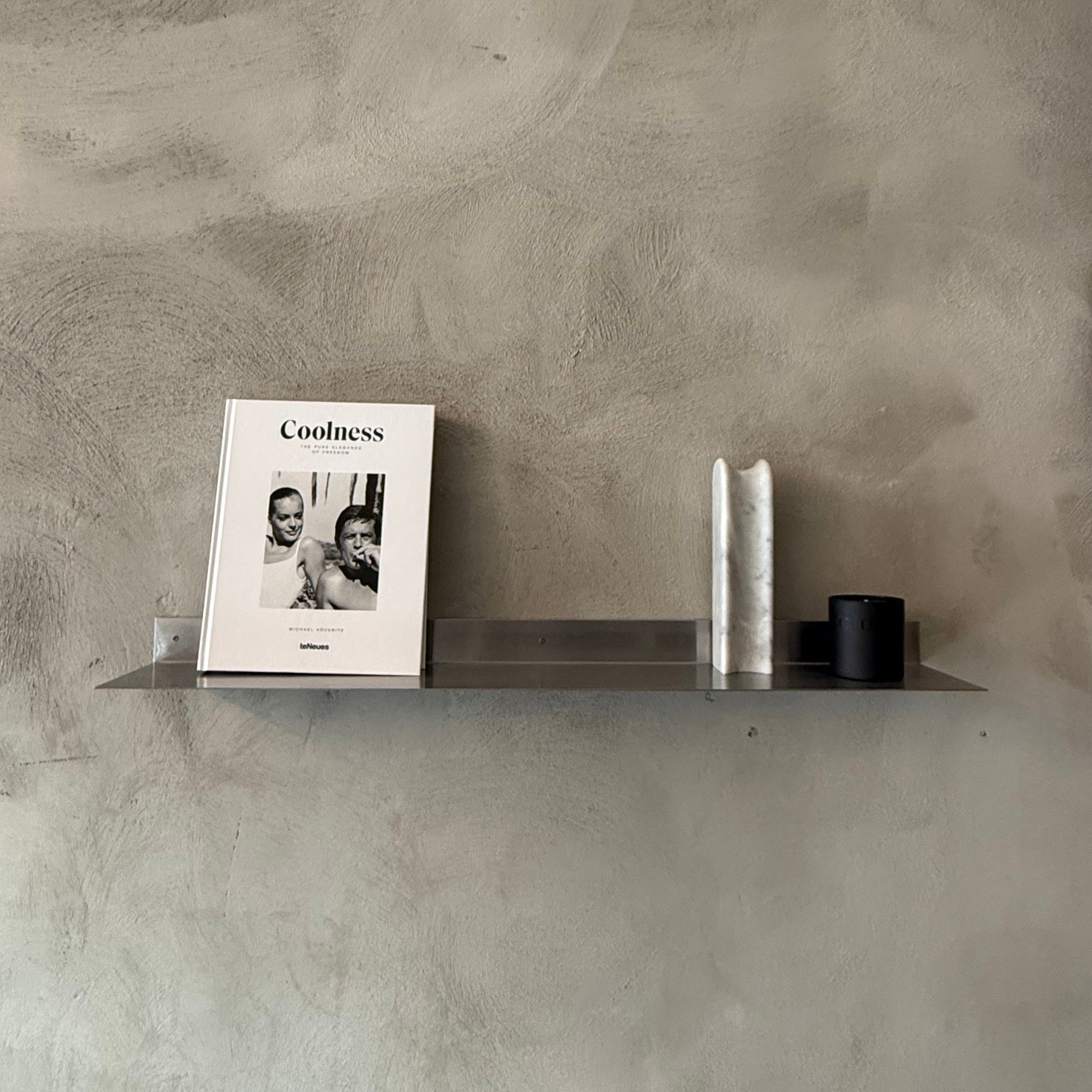
The Stainless Steel Leaning Wall Panel Sign is designed for indoor spaces. It leans against a wall rather than standing on its own, which keeps the look calm and unobtrusive. Available in brushed or mirrored finishes, with the option for custom print, it works well near entrances, host stands, or menus.

2. #014 - Rounded Cream Stainless Steel Standing Sign
The Rounded Cream Stainless Steel Standing Sign has a soft, curved shape and a powder-coated finish. It’s lightweight, easy to move, and stable enough for everyday sidewalk use in low-wind areas. Often used outside cafés and small restaurants, it adds presence without feeling heavy.

3. #007 - Textured Insert Brushed Stainless Steel Upright Sign
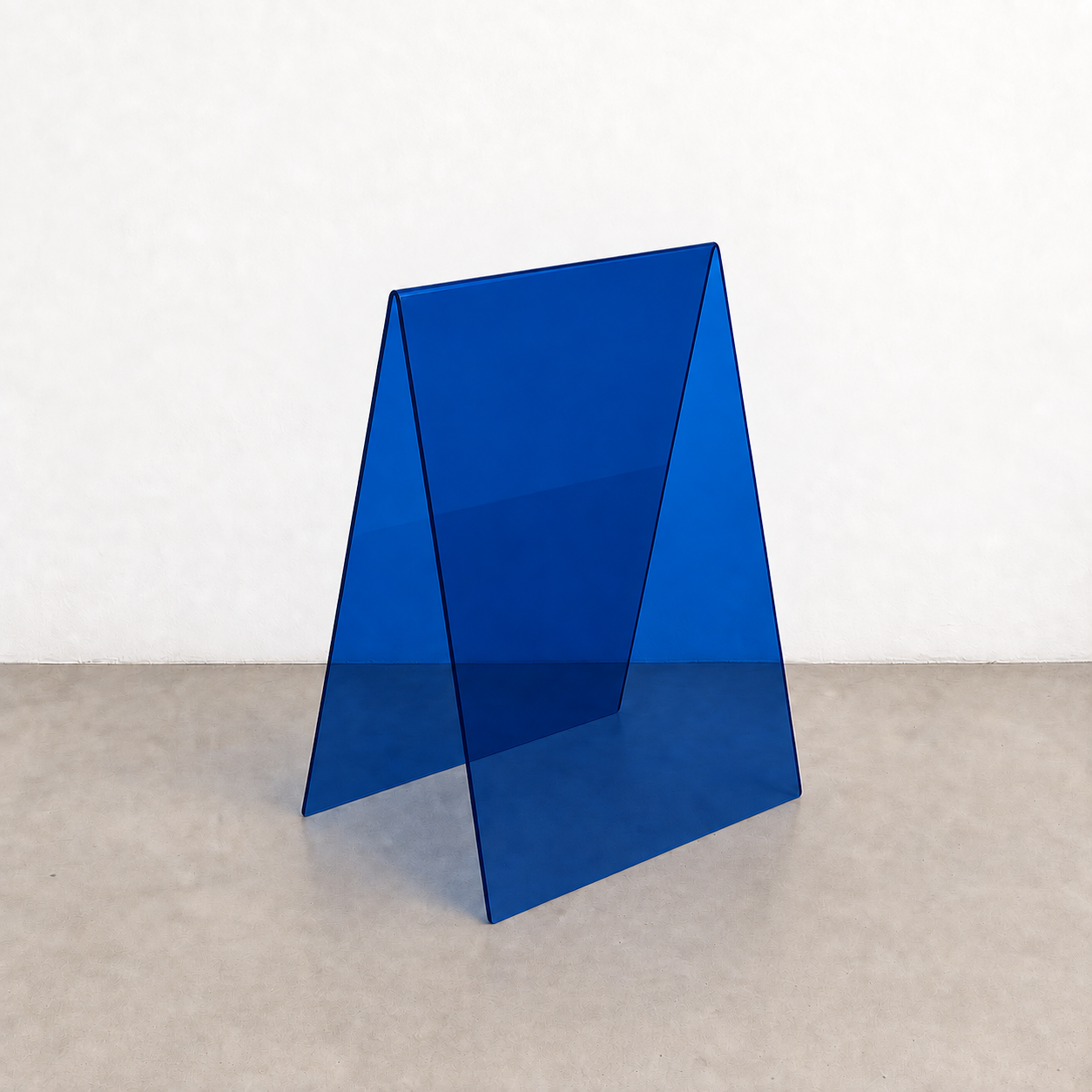
The Textured Insert Brushed Stainless Steel Upright Sign is built for structure and visibility. Its stainless steel frame holds a clear polycarbonate insert that can be swapped or customized. Suitable for both indoor and outdoor use, it’s commonly used for menus, announcements, or simple brand messaging.

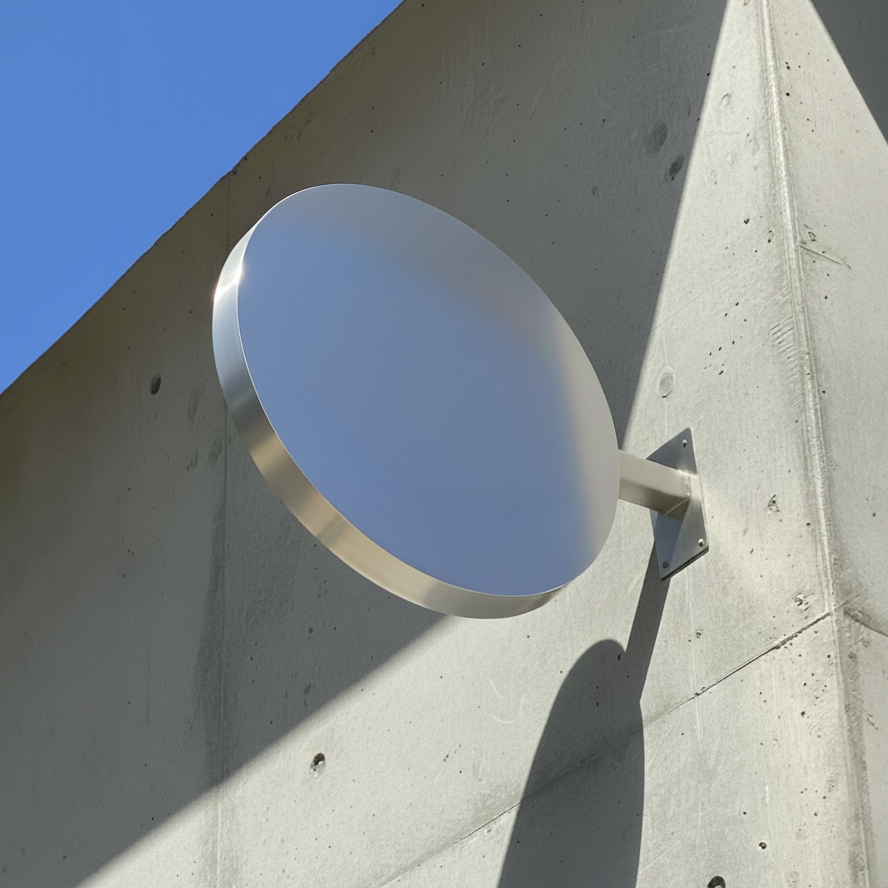
4. #019 - Square Blade Wall Sign
The Square Blade Wall Sign mounts flush to the wall and extends outward for visibility. With its clean square form and brushed stainless steel finish, it’s often used for logos or directional signage on exterior walls. Available blank or with double-sided custom print.

5. #011 - Black Stainless Steel A-Frame Sidewalk Sign
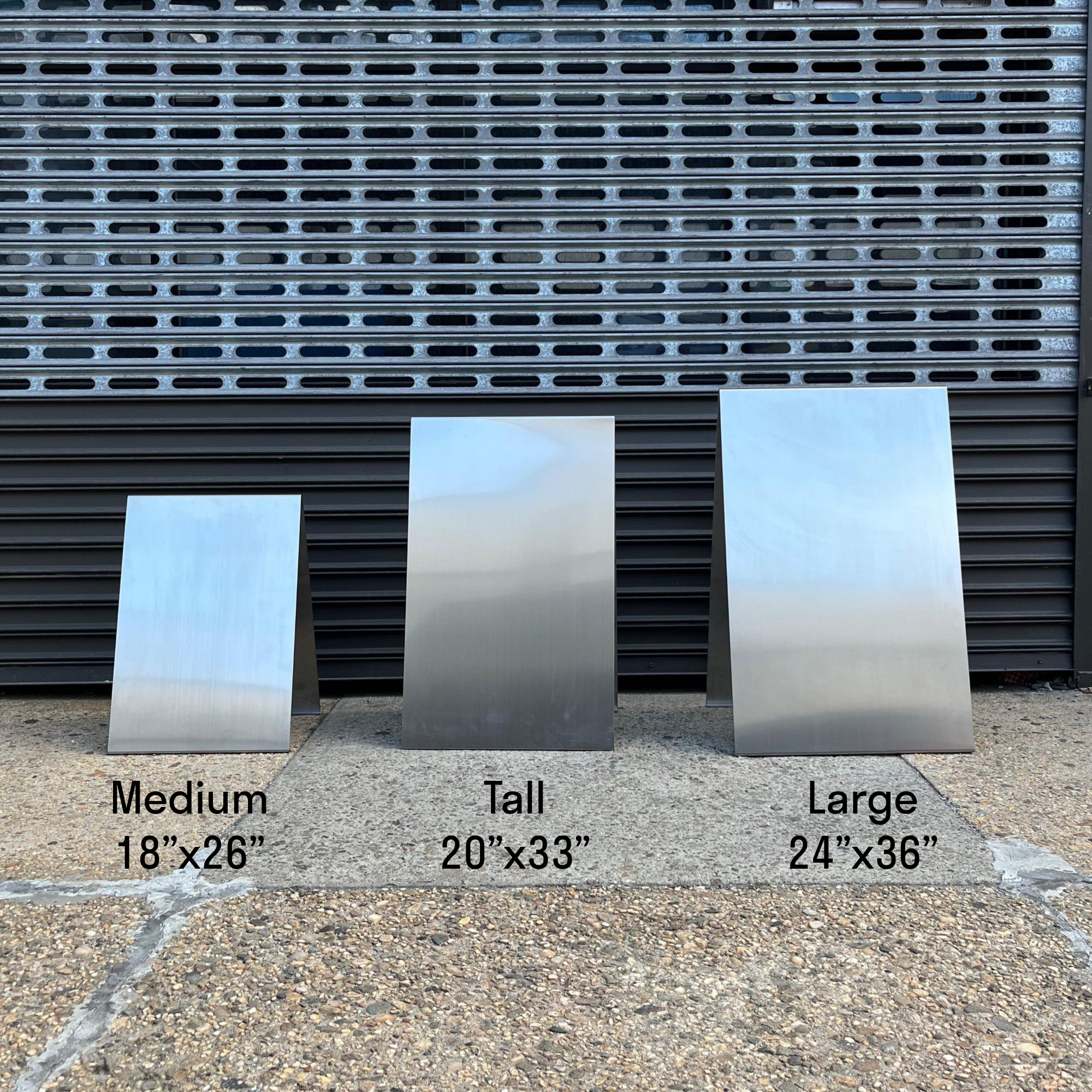
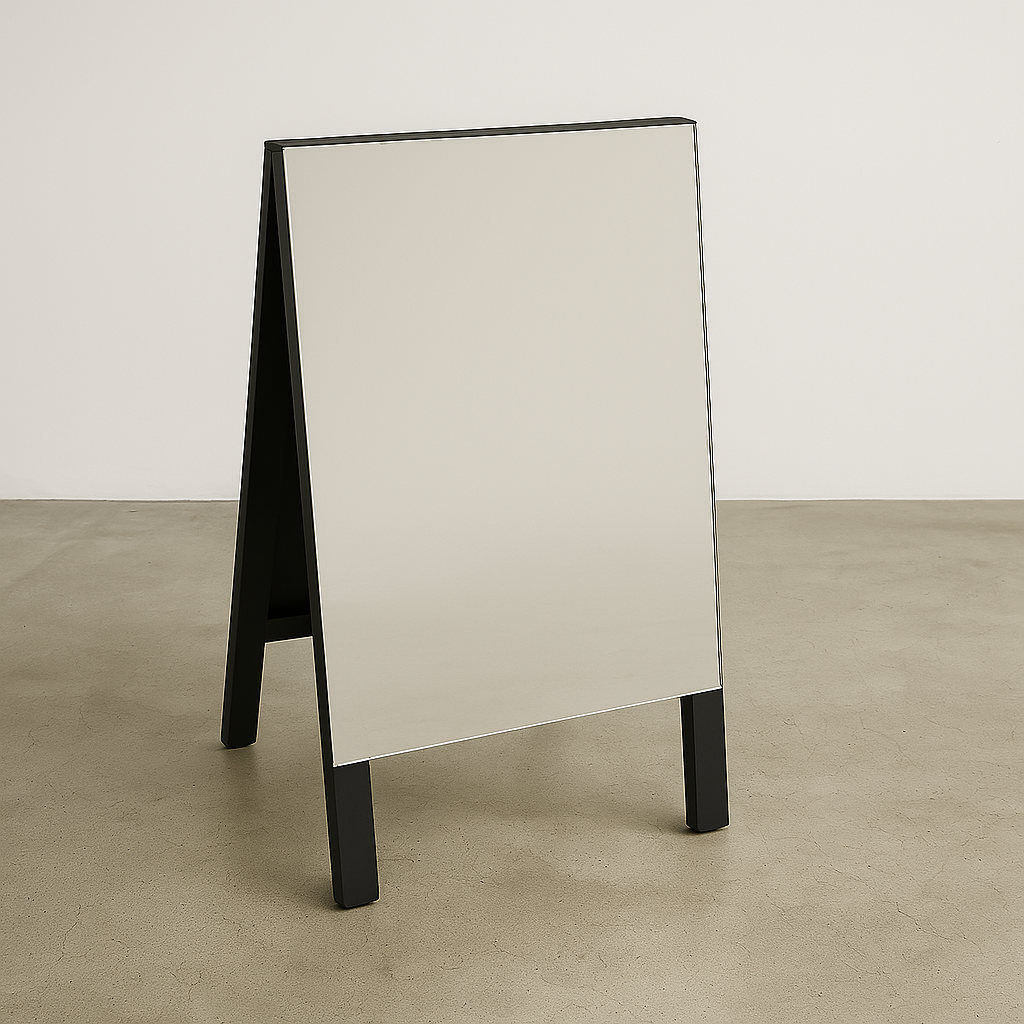
The Black Stainless Steel A-Frame Sidewalk Sign is made from powder-coated stainless steel and built for everyday use. It comes in two sizes and can be ordered blank or custom-printed. Often placed outside restaurant doors or at sidewalk corners for daily specials or branding.

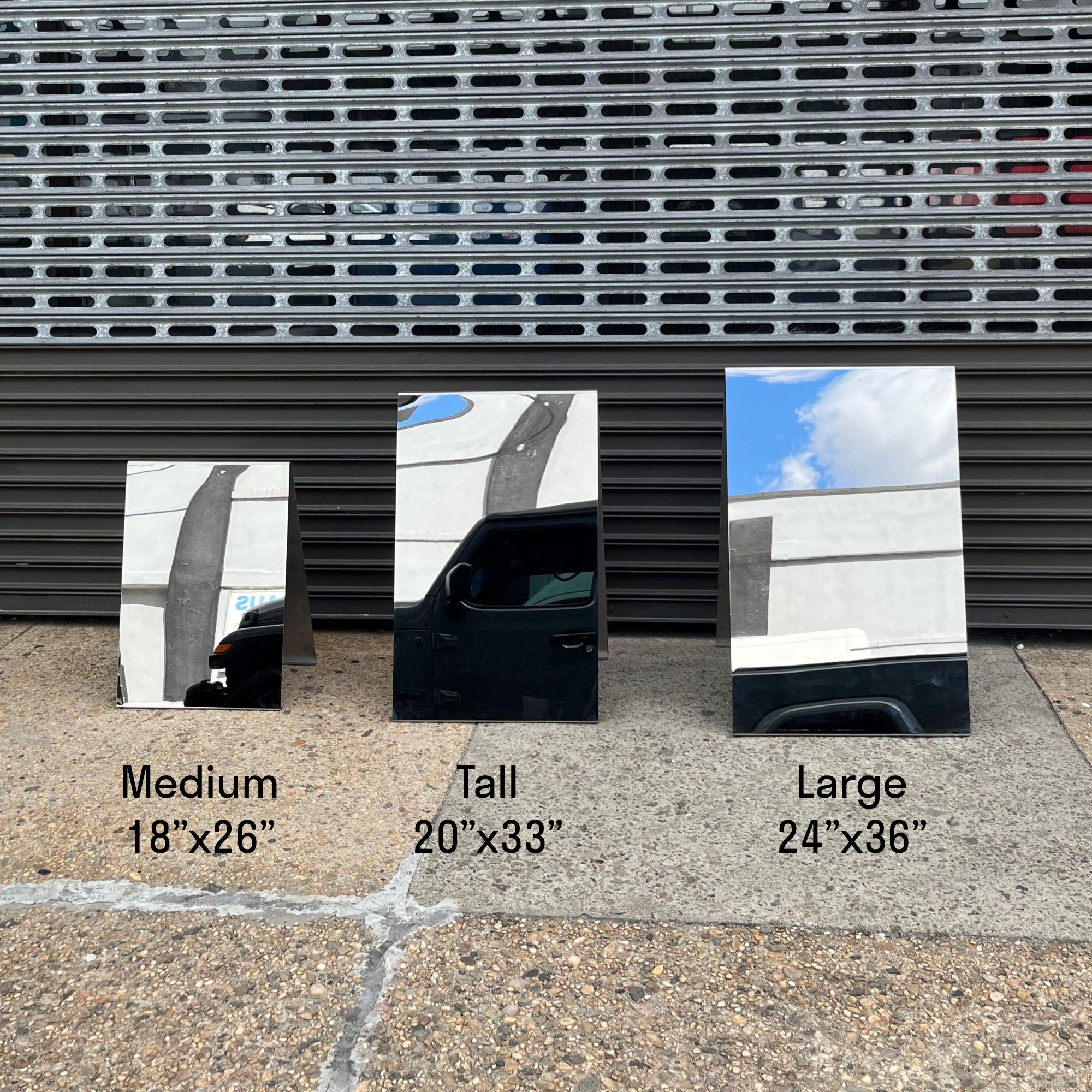
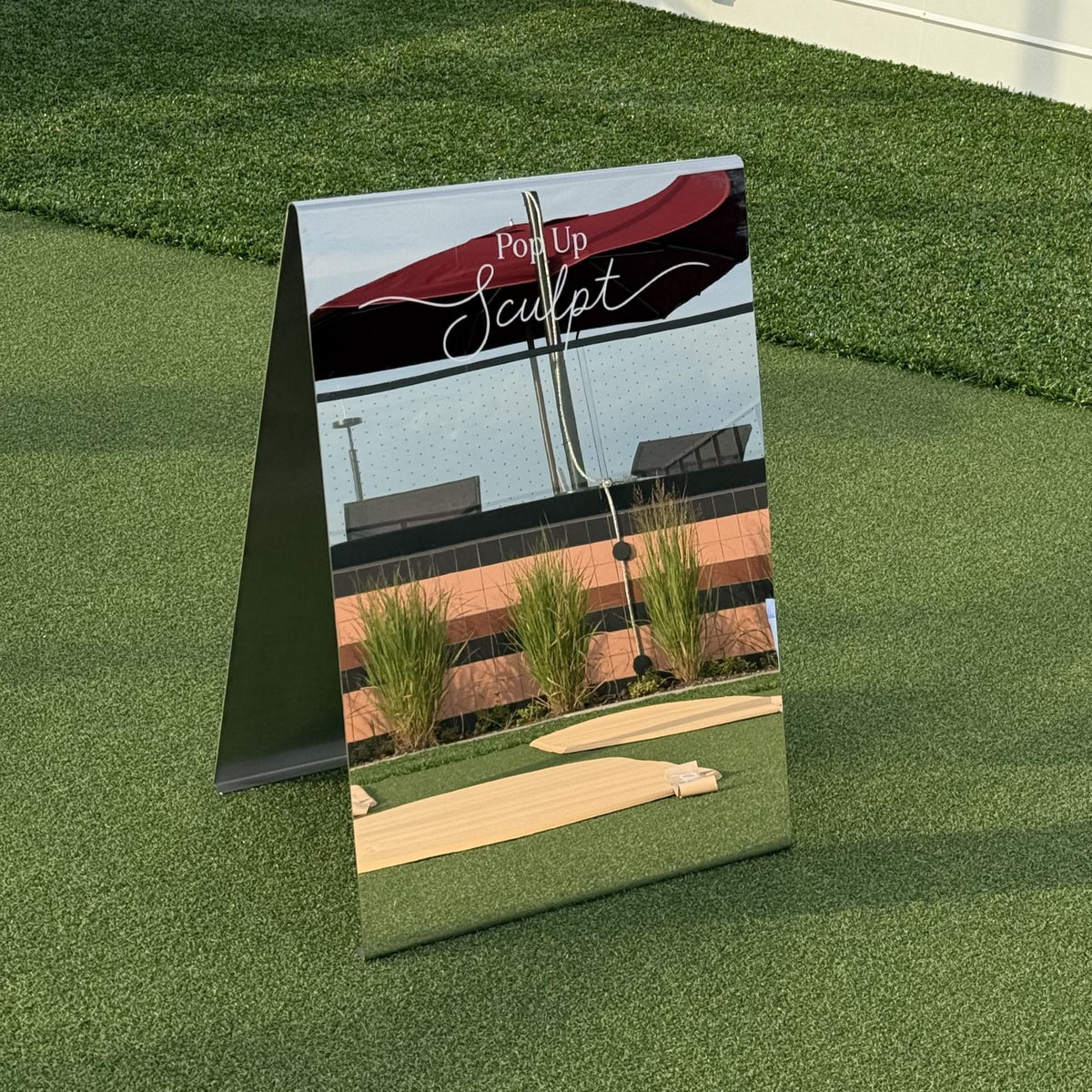
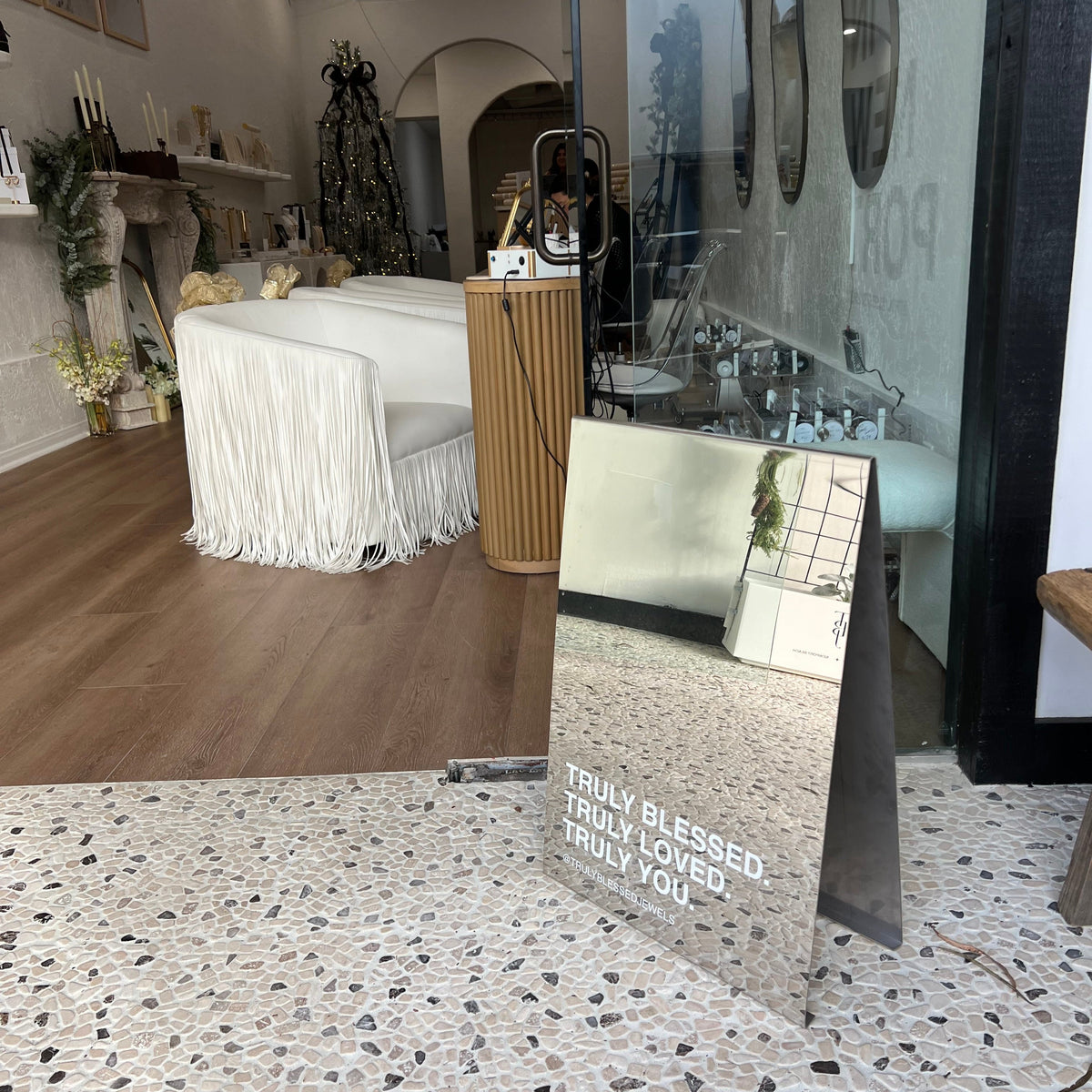
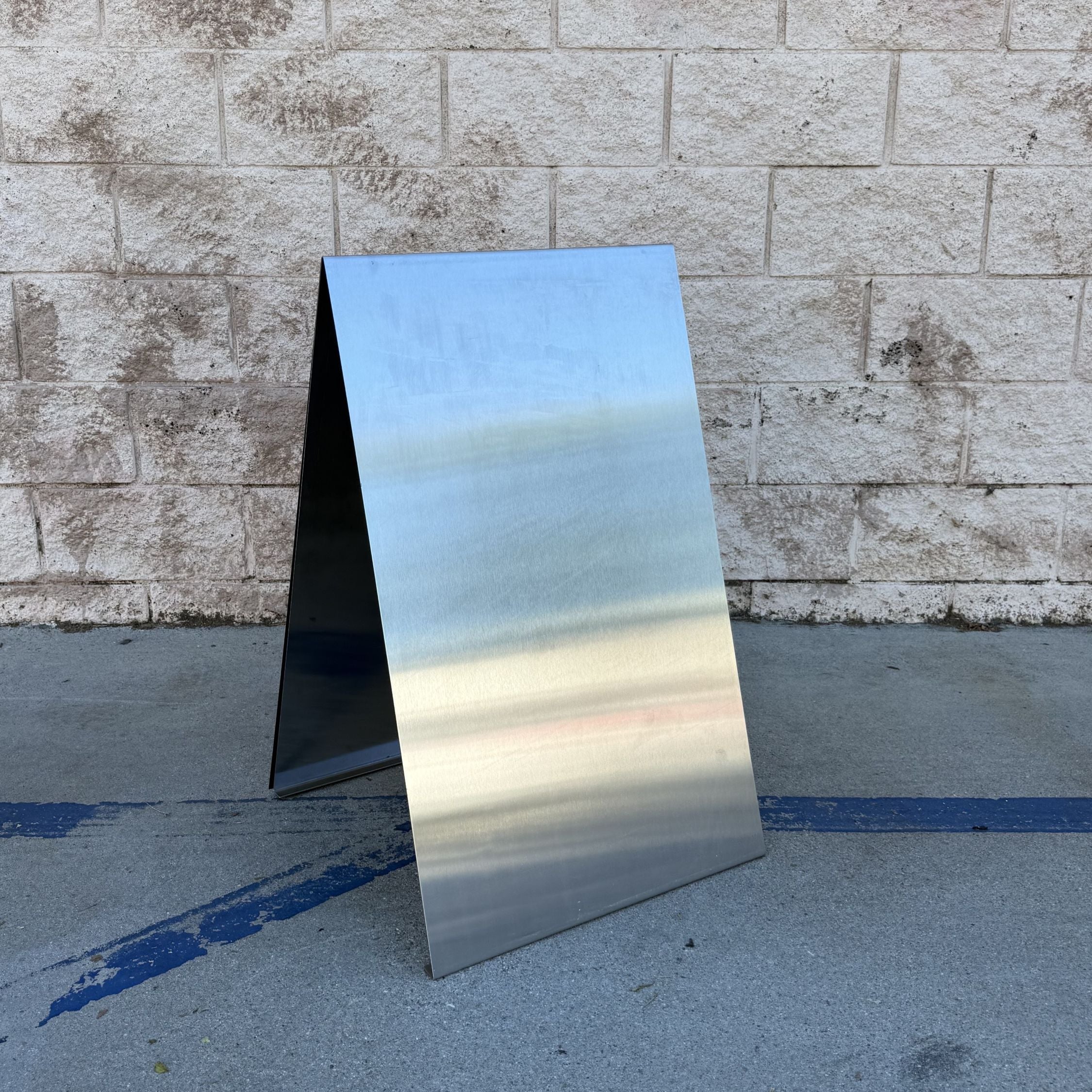
6. #003 - Mirrored Stainless Steel A-Frame Sidewalk Sign
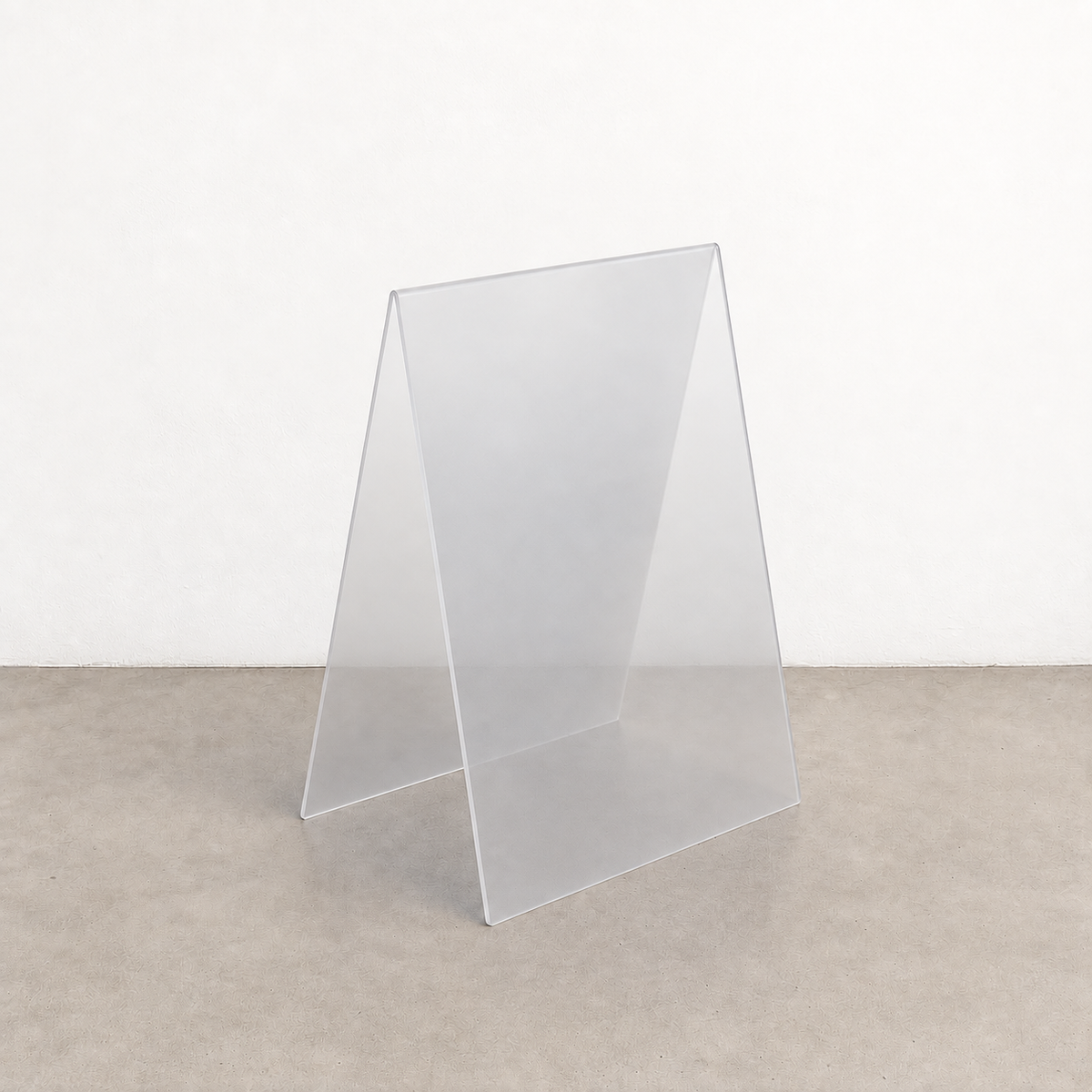
The Mirrored Stainless Steel A-Frame Sidewalk Sign is polished to a high shine and reflects its surroundings. With a solid, balanced build and multiple size options, it’s used both indoors and outdoors - frequently near entryways or storefronts to draw attention and encourage photos.
2. Host Events That Match Your Energy
Not every restaurant needs to throw parties. But the right kind of gathering - even something small - can shift how people feel about your space. Events create rhythm. They give regulars a reason to return and new guests a reason to step in.
What matters is that it fits. If your place is slow-lit and quiet, maybe it’s an after-hours tasting with soft music and seasonal pairings. If your place gets loud fast, maybe it’s trivia nights or a playlist battle where the crowd picks the next track. You don’t have to overthink it. Just notice what kind of energy your space already has, then build something that leans into it a little more.
The goal isn’t to impress - it’s to connect. People remember how a room feels more than what was on the plate. A good event isn’t always the most photographed one. Sometimes it’s just the one where people stayed longer than they meant to.
3. Encourage and Showcase Real Reviews
Reviews matter - not because they’re perfect, but because they’re real. They tell people what to expect before they even look at the menu. A few honest words from someone who’s been there carry more weight than any ad. And when restaurants highlight that feedback with care, it builds quiet trust.
The goal isn’t to chase five stars. It’s to invite conversation and show that you’re listening. Here’s how to make it part of your rhythm:
- Ask at the right moment - after a compliment, a clean plate, a second visit
- Make it easy with a QR code, link, or kind reminder on the receipt
- Check reviews regularly, not obsessively
- Respond with a calm tone - even to the not-so-great ones
- Share highlights on your social or menu board, just enough to show you're proud
- Keep it visual when possible - screenshots feel more human than copied text
Some of the best reviews are one-liners. Some are three paragraphs. Both are useful. What matters is showing that someone out there had a good time - and that you were paying attention.
4. Let People See You Before They Step Inside
Most people will find you on their phone before they find you on the street. Social media is less about growing fast and more about being quietly present. It helps people get a sense of your space before they commit - what it feels like, how it moves, the kind of people who sit there. You don’t need to follow trends or post every day. Just give people small, steady glimpses. Enough to build a feeling.
Use Photos That Feel Like Your Space
Perfect lighting is nice, but what matters more is honesty. Show the way your space looks at golden hour, how the table feels once the food lands, or the texture of the bread someone breaks open by hand. Show people, not just plates. A few intentional photos each week can say more than a full content calendar.
Share What’s Happening, Even If It’s Small
You don’t need a “launch” to make a post. A new menu item, a note about a supplier, even a quiet day with your team - these all make your restaurant feel alive. People like seeing places in motion. A short caption with one clear photo is often enough. Consistency builds recognition, even if the reach is small at first.
Make Interaction Easy
When someone tags you, reshare it. When someone leaves a kind comment, answer back like a person. These are small signals that you’re paying attention. You don’t need to turn your feed into a conversation thread, but regular responses show that you’re present. That feeling matters more than perfect engagement numbers.
5. Create Limited-Time Offers That Actually Get Used
There’s nothing wrong with a bit of urgency - as long as it feels natural. A limited offer isn’t about pressure. It’s about giving people a reason to act now instead of someday. That extra nudge to stop by after work, try the thing they saw last week, or bring a friend before it disappears.
The offer doesn’t have to be big. Sometimes it’s a dish that’s only on for two weekends. Sometimes it’s a midweek hour when drinks come with something off-menu. What matters is that it’s clear, specific, and easy to share.
Let it feel like a moment, not a sale. A time window. A detail they’ll want to pass along. And when it’s done - let it go. Pull it down, move on. That quiet rhythm of showing up, offering something small, and switching it out again? That’s what builds the kind of attention that stays.
6. Collaborate With Local Businesses and Creatives
Sometimes the best way to reach new people is to share what you already have - with someone else. A nearby florist, a ceramics studio, a vintage shop, a local band. Collaboration doesn’t have to be a “partnership.” It can be as simple as blending your presence with theirs for a week, a night, or even just a post.
Think of it less like a campaign and more like an overlap. You serve brunch on Sundays? Maybe the bakery down the street provides the bread that week, and you both mention it. Got a slow Tuesday? Invite an illustrator to set up in the corner and draw. Sell their prints. Feature their playlist. Tag them. Let it feel like something passing through, not a takeover.
It’s not about cross-promotion. It’s about showing that you’re part of something local and alive. People notice when you support each other. And in the long run, those small moments land better than most ads.
7. Use Email, But Make It Interesting
You don’t need a perfect newsletter. You need a reason to send it. If there’s something real to share - a new dish, a playlist, a short story from the kitchen - email works. Just keep it close to the tone of your space. Here’s what usually works best:
- One email, one idea: Focus on a single update instead of listing everything.
- Real photos over graphics: Show what actually happened this week, not what was planned.
- A voice, not a headline: Let it sound like a person sharing something, not a brand speaking.
- Only send when there’s something to say: Skipping a week is better than forcing a bland update.
- Make offers direct and light: Say what it is, when it ends, and how to get it - then stop.
- Keep it easy to scan: Short sections, short sentences, no formal intros or big goodbyes.
If it feels honest and low-effort (in the good way), people tend to read it. If it feels like marketing, they tend to delete.

8. Use Delivery Apps Without Losing Your Identity
Third-party delivery apps aren’t just about convenience - they’re part of how people discover you. But it’s easy to let your presence there turn generic. Your food travels in a box, your name sits next to hundreds of others, and everything starts to blur.
To use delivery apps well, treat them like a small satellite of your restaurant - not just an order system, but an extension of your experience.
Make Your Menu Work in Transit
Not every dish wants to travel. Choose items that hold up well and still feel intentional when they arrive. Edit for clarity - simple names, clean categories, no clutter. A tighter menu can make you stand out more than a long one.
Use Photos That Feel Like You
Delivery platforms flatten everything visually. Most restaurants start to look the same. Adding a few real photos - well-lit, honest, in your own tone - can help you break through. Show the food how it actually looks when it lands on a table.
Think of It as Discovery
Many customers will order before they ever visit. Delivery can be a first impression. Include something small they didn’t expect - a hand-written thank you, a mini flyer, a QR code that leads to your playlist or event list. Not to upsell, but to show who you are.
Don’t Let It Become the Default
It’s a tool, not your main path. Delivery apps can bring people in, but they shouldn’t replace the in-person experience. Use them to build awareness, not dependency. Let them work for you - not the other way around.
9. Turn Staff Into Storytellers
People remember places because of people. A server who knew their name. A barista who recommended something off-menu. The cook they glimpsed through the pass, focused and calm. You can’t script that - but you can show it.
Let your team be part of the story you share. A quick profile in your feed. A staff-favorite dish with a note about why. A photo of someone plating their favorite thing on a quiet afternoon. These don’t have to be polished. In fact, they shouldn’t be. Just real, present, and part of the rhythm of the place.
It’s not about branding your staff - it’s about letting them be seen. When people feel connected to the people behind the scenes, the whole place feels warmer. It becomes easier to return to. Easier to talk about. Easier to trust.
10. Loyalty Programs That Actually Drive Return Visits
A good loyalty program doesn’t have to be clever. It just has to feel fair, easy to follow, and worth coming back for. No complicated point systems or fine print - just a simple way of saying, we noticed you came back, and we appreciate it.
Punch cards still work. So do quiet extras - like a free pastry on the fifth coffee, or a personal note after a few visits. If you want to go digital, keep it clean: one link, clear rewards, no apps that ask for too much.
The goal isn’t to gamify habits. It’s to build small rituals. Something people look forward to, even if they don’t plan around it. When it’s done right, a loyalty program doesn’t feel like marketing. It just feels like being remembered.
11. Show Your Face in the Community
Not everything needs to be about selling. Sometimes the strongest impression comes from just showing up - with no sign, no post, no pitch. Just presence.
Whether you're supporting local schools, joining a neighborhood event, or donating food where it’s needed, being part of the community builds a kind of trust that can’t be bought or boosted. It shows you’re here for more than just the foot traffic. Here’s where it tends to feel natural:
- Sponsor something small: A kids’ soccer team, a community garden, a local zine
- Join events without overbranding: A food fair, a flea market, a neighborhood cleanup
- Share your space: Let an artist hang work or host a local meetup on a slow night
- Contribute quietly: Donate meals or time without needing to post about it
- Collaborate with purpose: Pair up with a cause that actually matters to your team
The point isn’t exposure. It’s connection. People remember the restaurants that show up when nothing’s expected of them.
12. Keep Your Visual Identity Consistent, Even in Small Moments
Marketing isn’t just promotions - it’s tone, color, feel. It’s the way your menu looks. The font on your chalkboard. The way your Instagram feed sits next to your door signage. People may not say it out loud, but they notice when things feel disjointed - and when they don’t.
This doesn’t mean every plate needs to match or that you need a design guide. It just means: be mindful. Use the same name style on your printed menus and delivery apps. Pick two or three tones that show up again and again - your walls, your packaging, your photos. It’s about repetition, not perfection.
A consistent visual presence makes your space easier to remember. Easier to trust. And when someone does take a photo or tag you, it helps that what they share already feels like you.
Staying Consistent Without Burning Out
You don’t have to be everywhere. You just have to be somewhere - and show up in a way that feels steady. The hardest part of restaurant marketing isn’t creativity. It’s energy. You’re running a service, managing people, fixing a lightbulb in the back hallway, and then somewhere in there, you’re supposed to post about the soup.
Consistency doesn’t mean doing more. It means picking a rhythm you can actually keep. Maybe it’s one real photo a week. One short email every other Friday. A seasonal sign change. Whatever it is, let it work for your pace, not against it.
The goal isn’t to stay “top of mind.” The goal is to still sound like yourself after a busy week. That’s the kind of consistency people feel - even if they don’t name it. And it’s what makes them come back.
Conclusion
Not every idea needs a full strategy deck. Most good restaurant marketing starts with noticing what’s already working and leaning into it. That sandwich people won’t stop tagging - maybe that’s your next billboard. The server who remembers every name - maybe that’s your best ad. The goal isn’t to chase trends. It’s to make what’s true about your place a little louder, a little more visible, and a little easier for someone to stumble into.
Consistency helps, but it doesn’t have to mean pressure. Think in weeks, not days. Think in people, not platforms. The restaurants that stay memorable don’t usually shout the loudest. They just find a way to keep showing up - on the block, in the inbox, in someone’s photo roll. That’s what good marketing looks like when it fits.
FAQ
What’s the most important first step for restaurant marketing?
Usually, it’s clarity. Knowing what kind of place you actually are makes everything else easier - what to post, what to offer, even what to stop doing.
Do I need to be on every platform?
No. Pick the one or two places you’ll actually update. It’s better to be active in one spot than silent in five.
How do I know if a marketing idea is working?
Watch what happens without asking. Do people come in talking about it? Are they bringing friends? Metrics help, but word-of-mouth will show up in the room.
What if I don’t have a marketing budget?
Start with signs, stories, and small things. A good photo, a well-placed chalkboard, or a single smart offer can move more people than a paid ad if it’s done with intent.