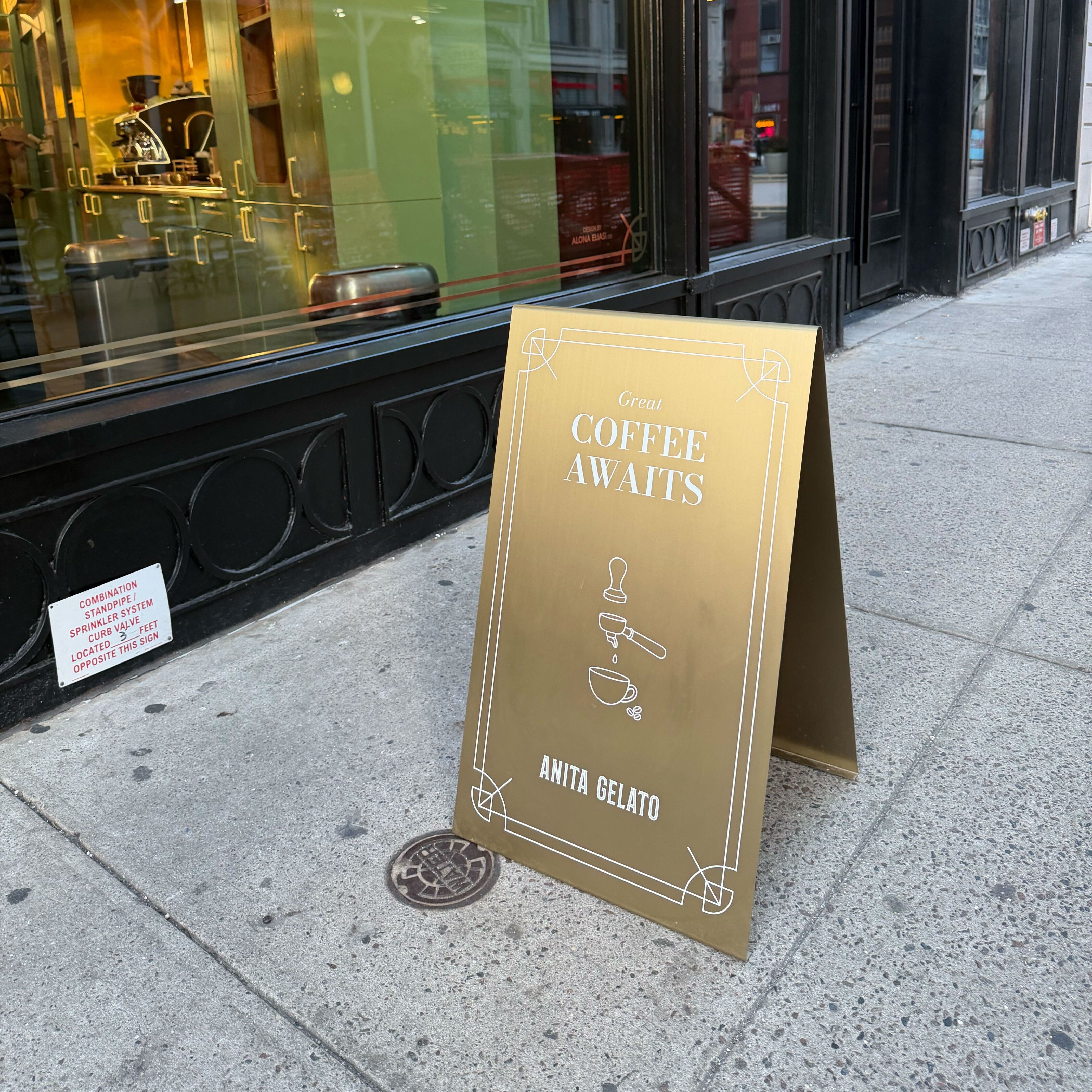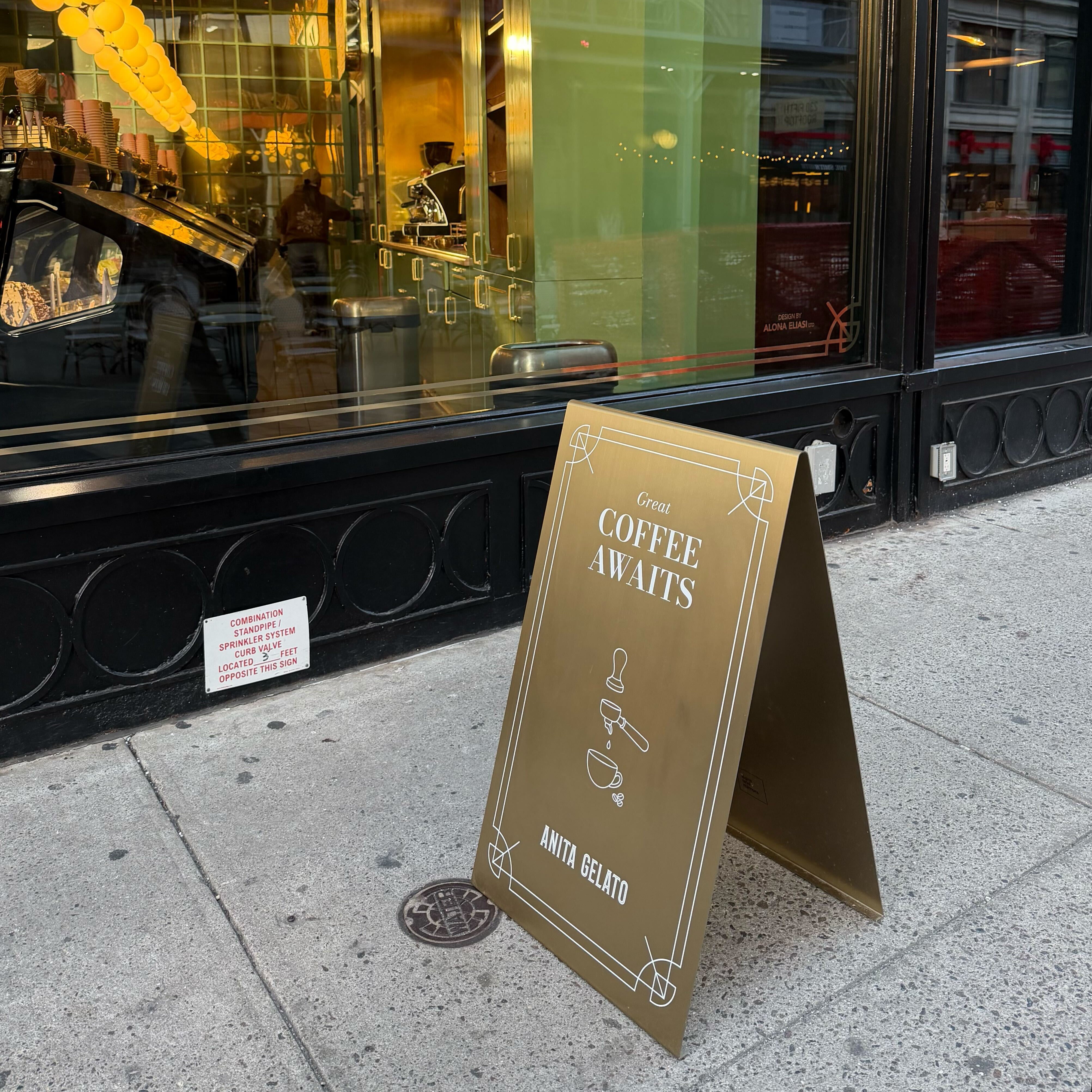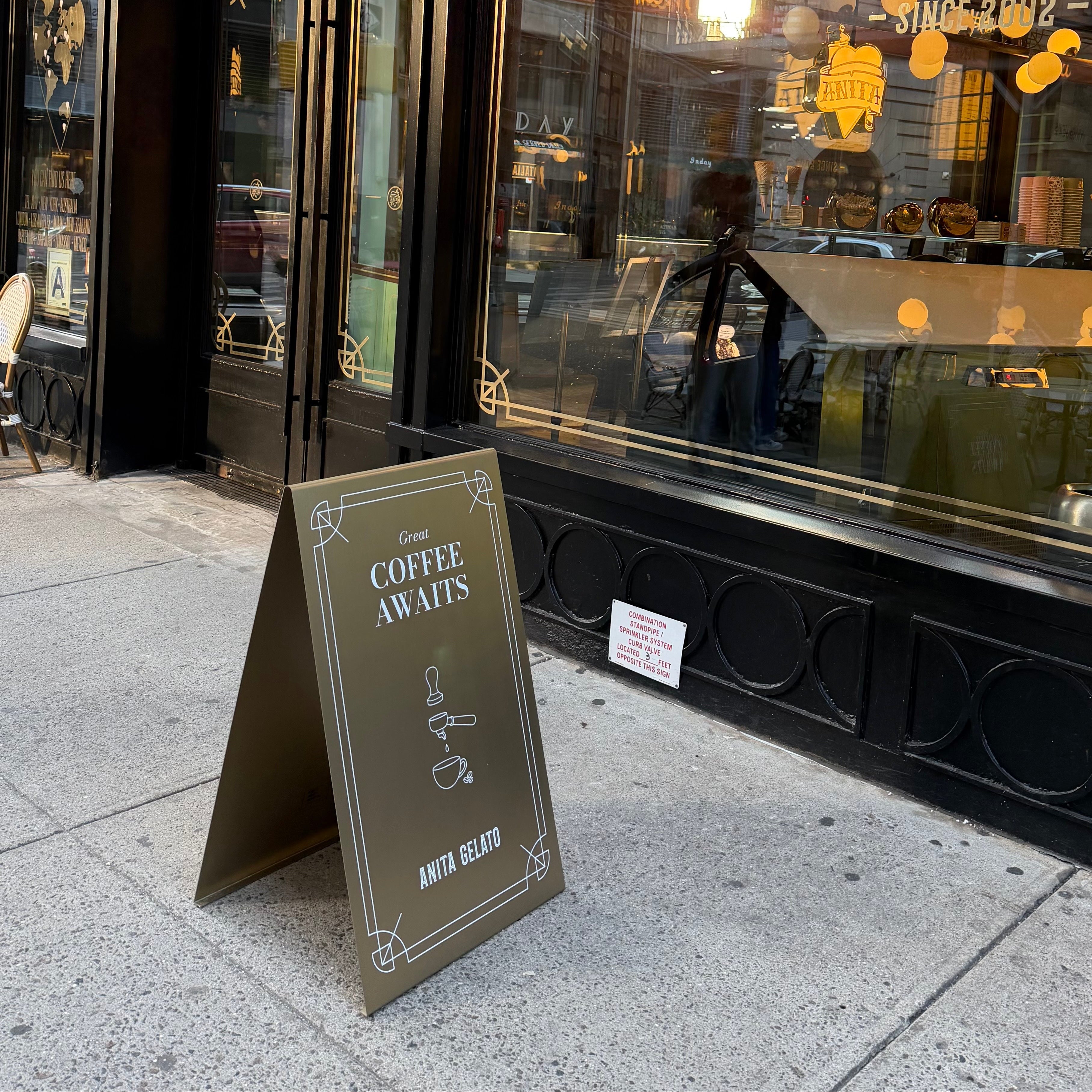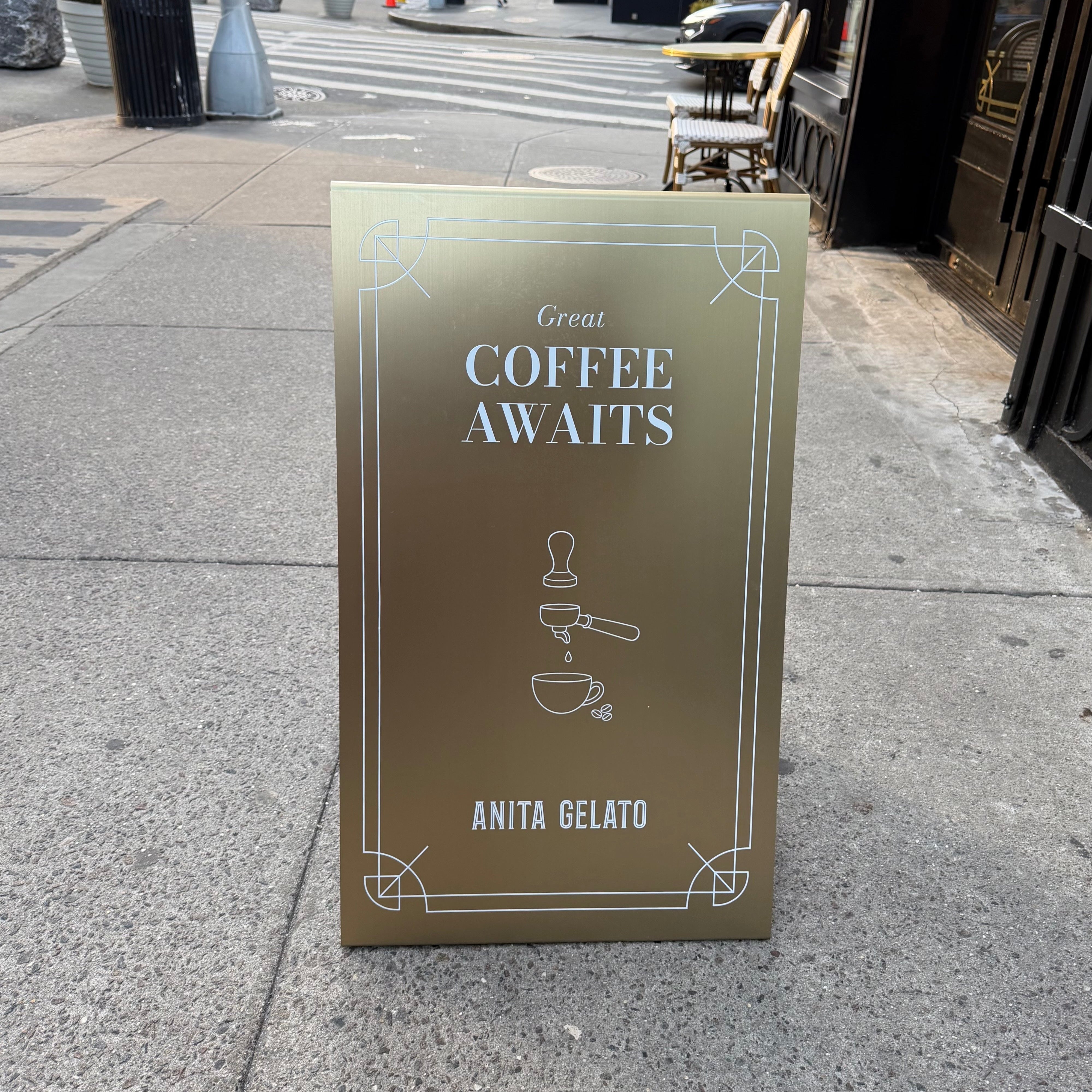


Restaurant floors take a beating - spilled drinks, heavy foot traffic, dragged chairs, and the occasional dropped pan. It’s not just about looks. The right flooring has to survive chaos, clean up fast, and still feel inviting to customers walking in off the street. Some materials hold up better than others, and the differences show after just a few months. If you're choosing a floor for a dining space - whether it’s a cozy bistro or a high-volume fast casual spot - it’s worth knowing what actually holds up under pressure.

If Flooring Grounds the Space, Signage Sets the Tone
In a restaurant, every surface speaks - even before anyone’s been seated. The flooring underfoot tells you how a place holds up to time, traffic, and spills. But what catches the eye as people walk by? That first visual anchor, the thing that frames the entire experience, is the sign. And just like good flooring, it has to strike the right balance between form and function.
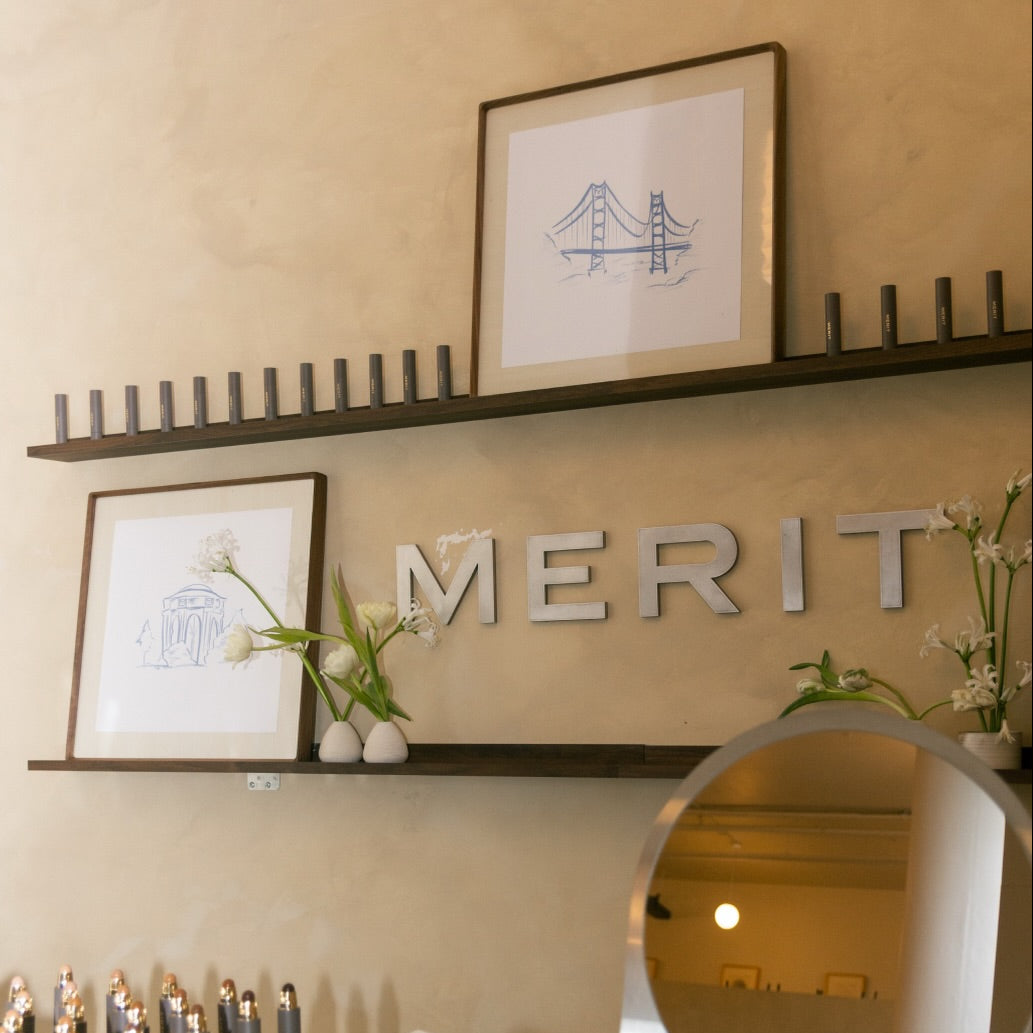
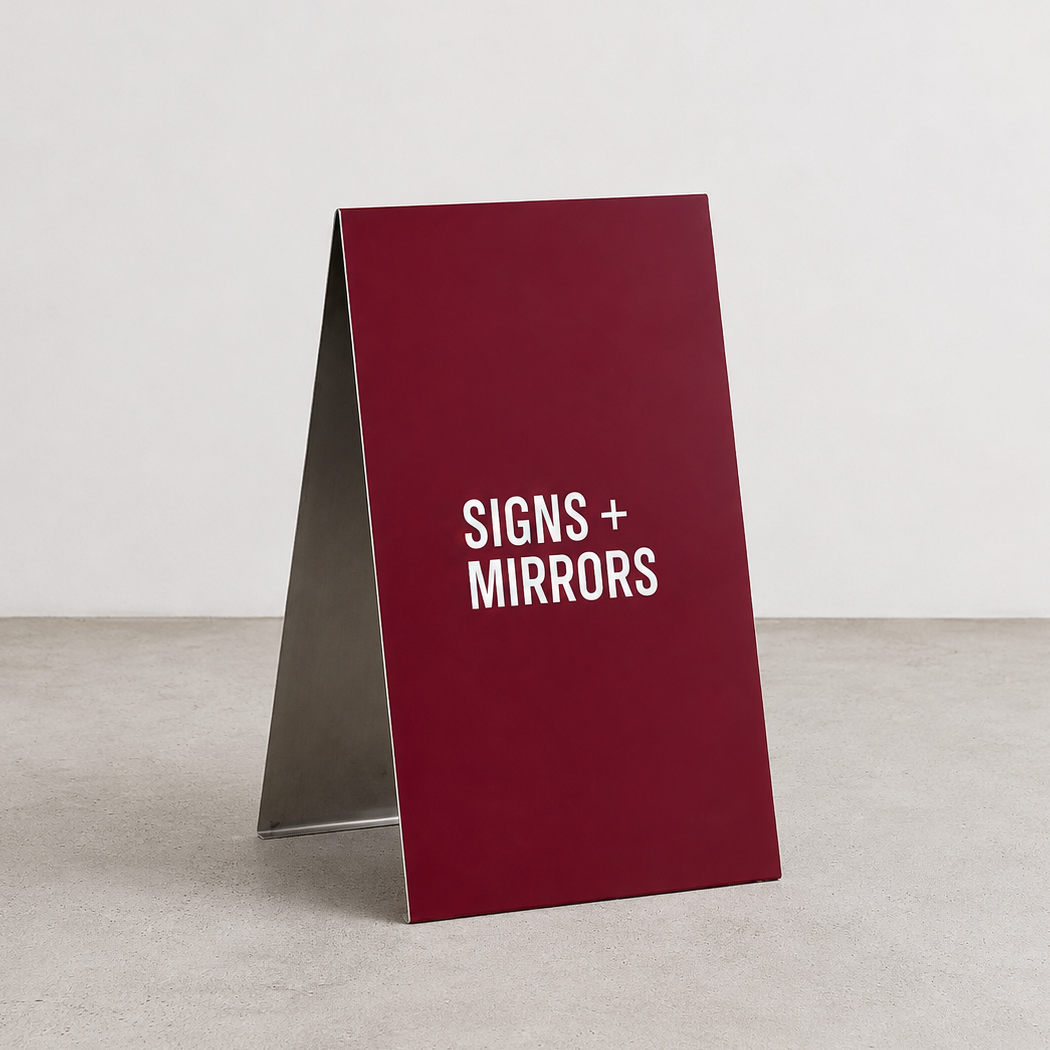
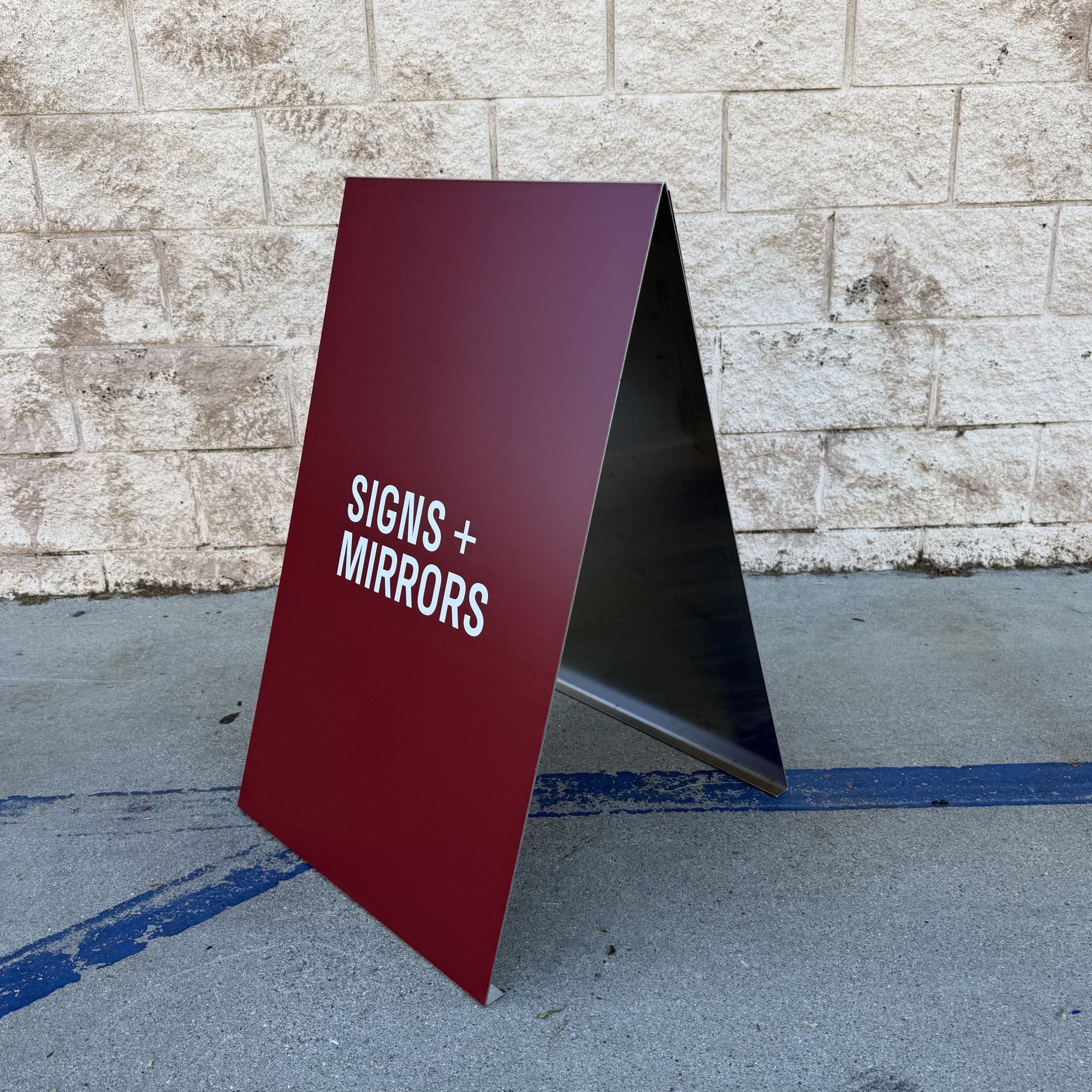
That’s where we come in. At Signs and Mirrors, we craft stainless steel, acrylic, and mirrored signs that feel like a natural extension of the space. Clean lines, long-wearing materials, and designs that hold up under pressure whether it’s on the sidewalk, by the host stand, or near the counter. We don’t just make signs that get noticed. We make signs that belong.
Types of Signs You Can Purchase from Signs and Mirrors
Our signage is designed for real restaurant environments, where durability, placement, and visual clarity matter just as much as style. Below are several options from our collection, each suited to different entrances, sidewalks, and interior layouts.

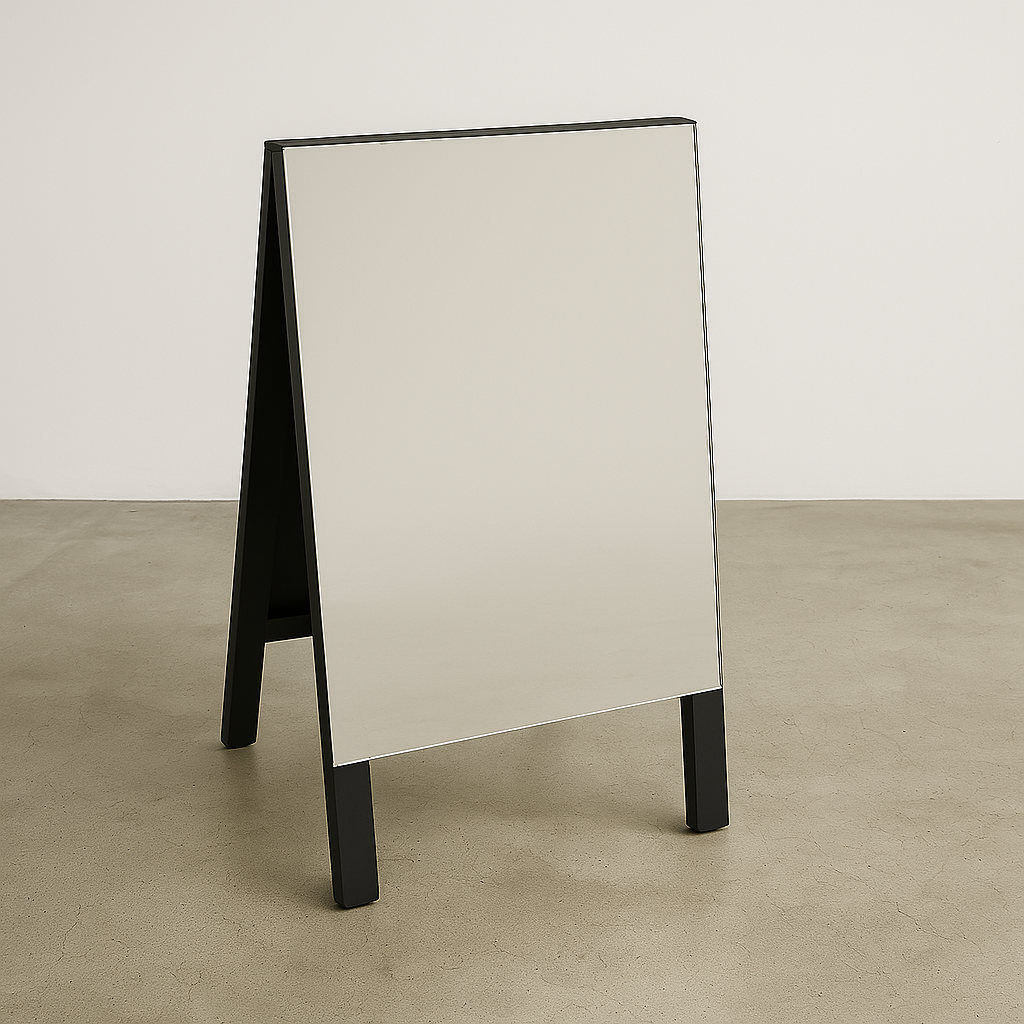
1. Mirrored A-Frame Sandwich Board Sign
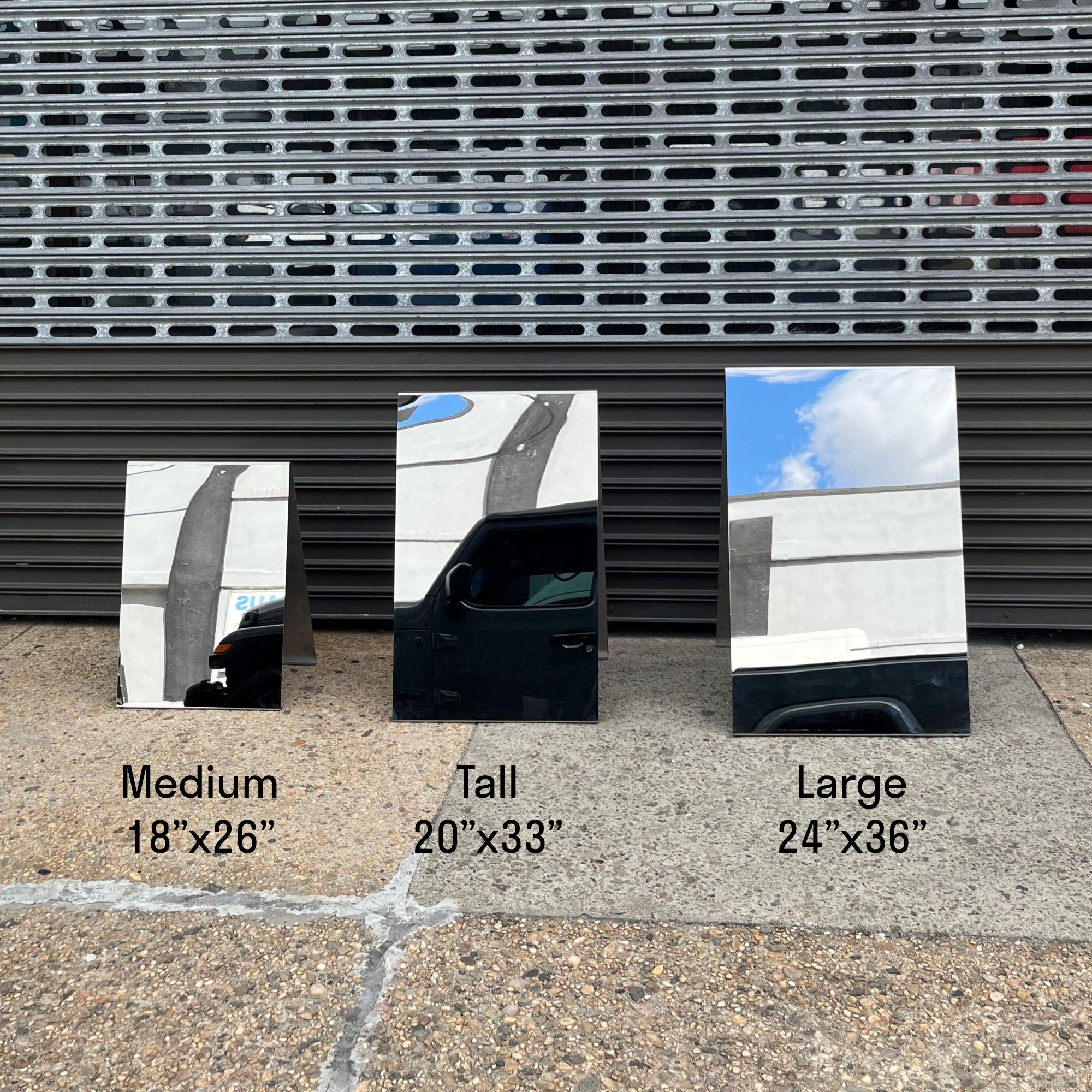
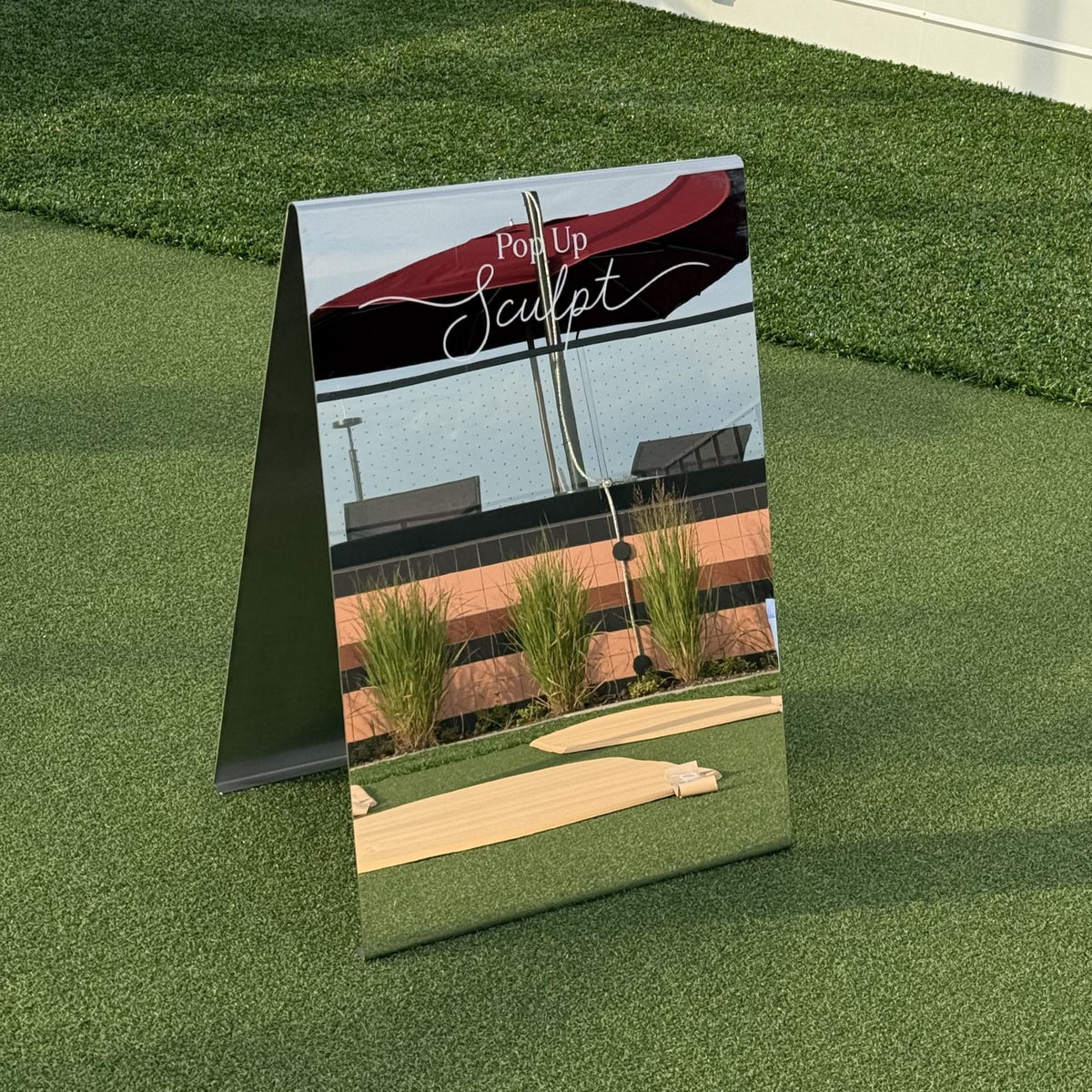
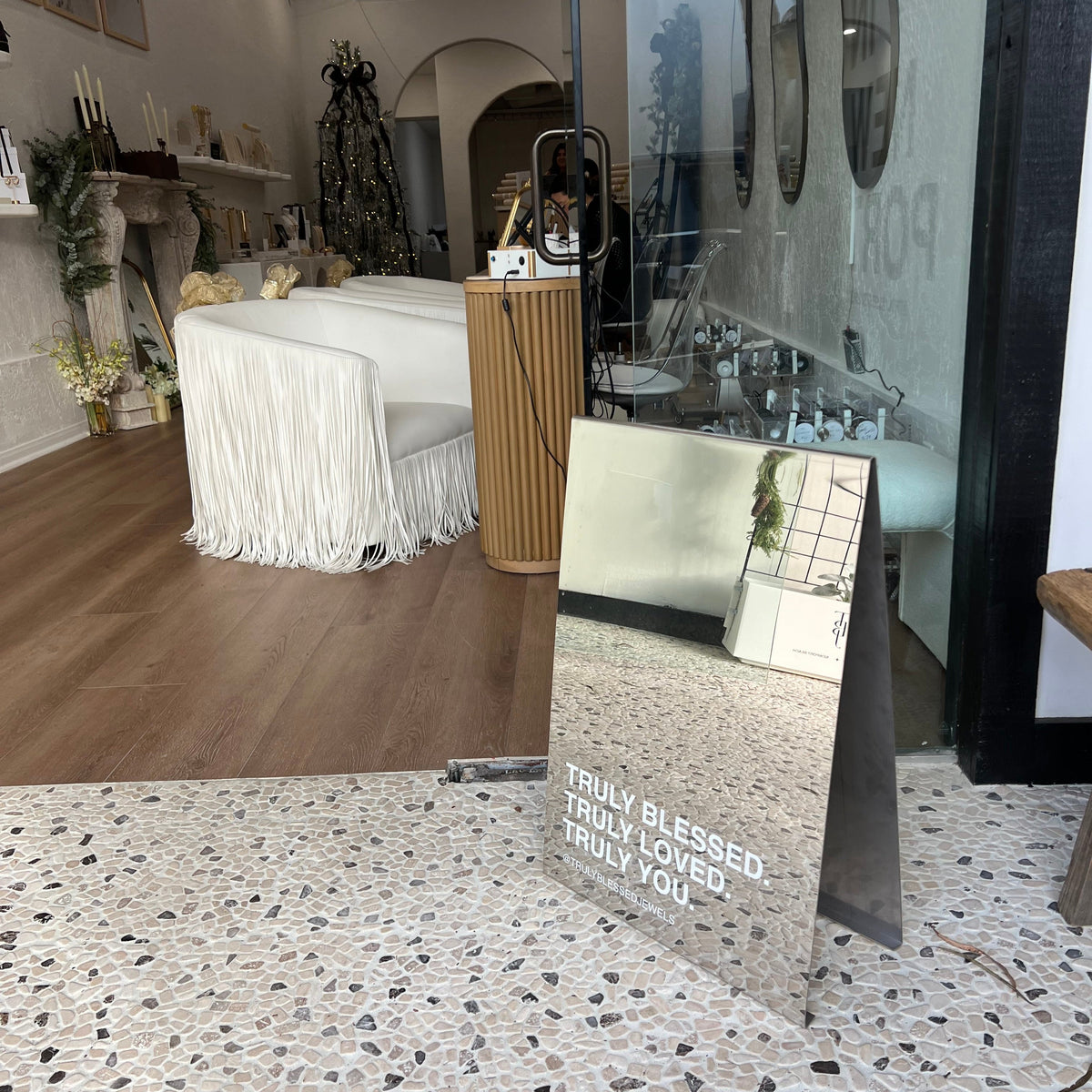
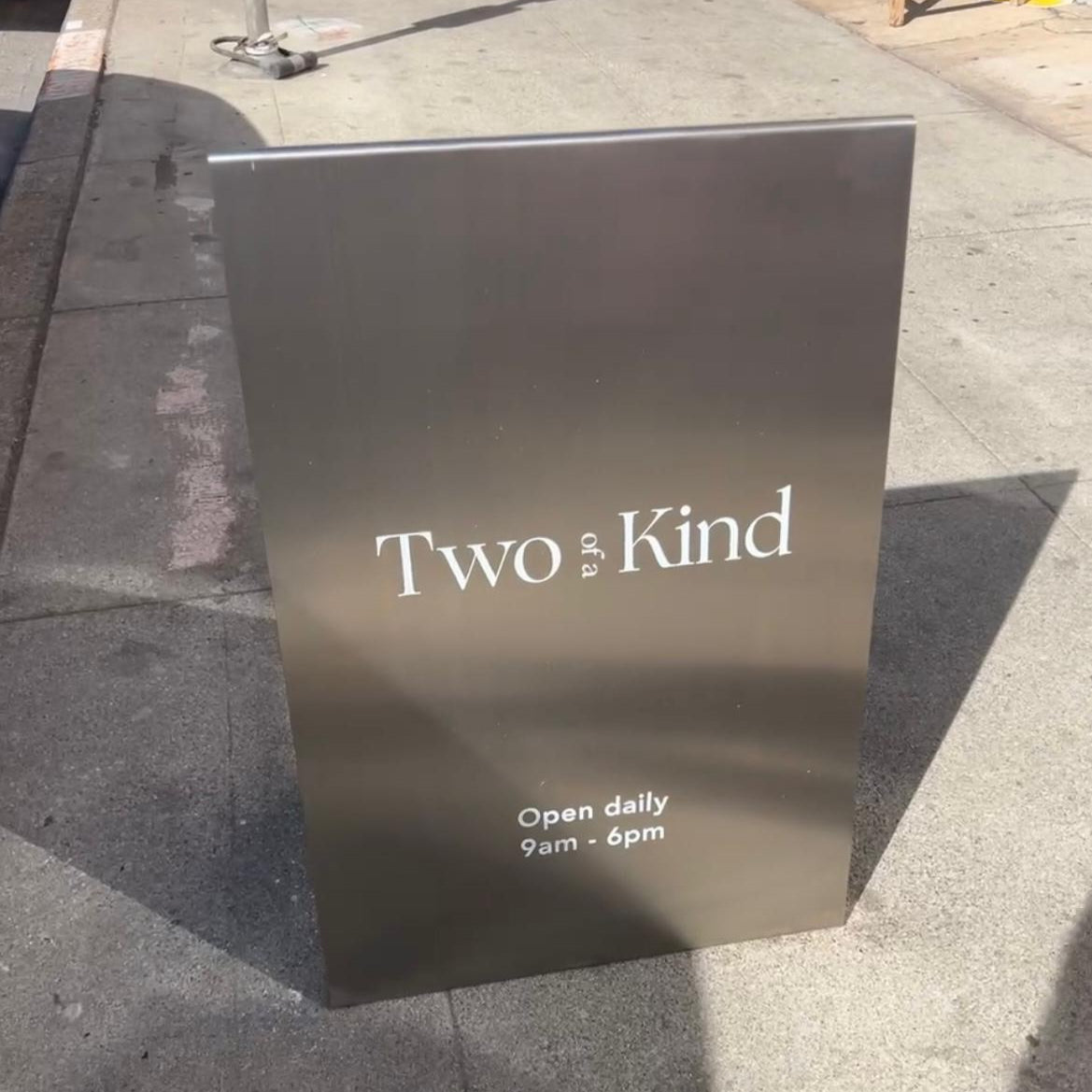
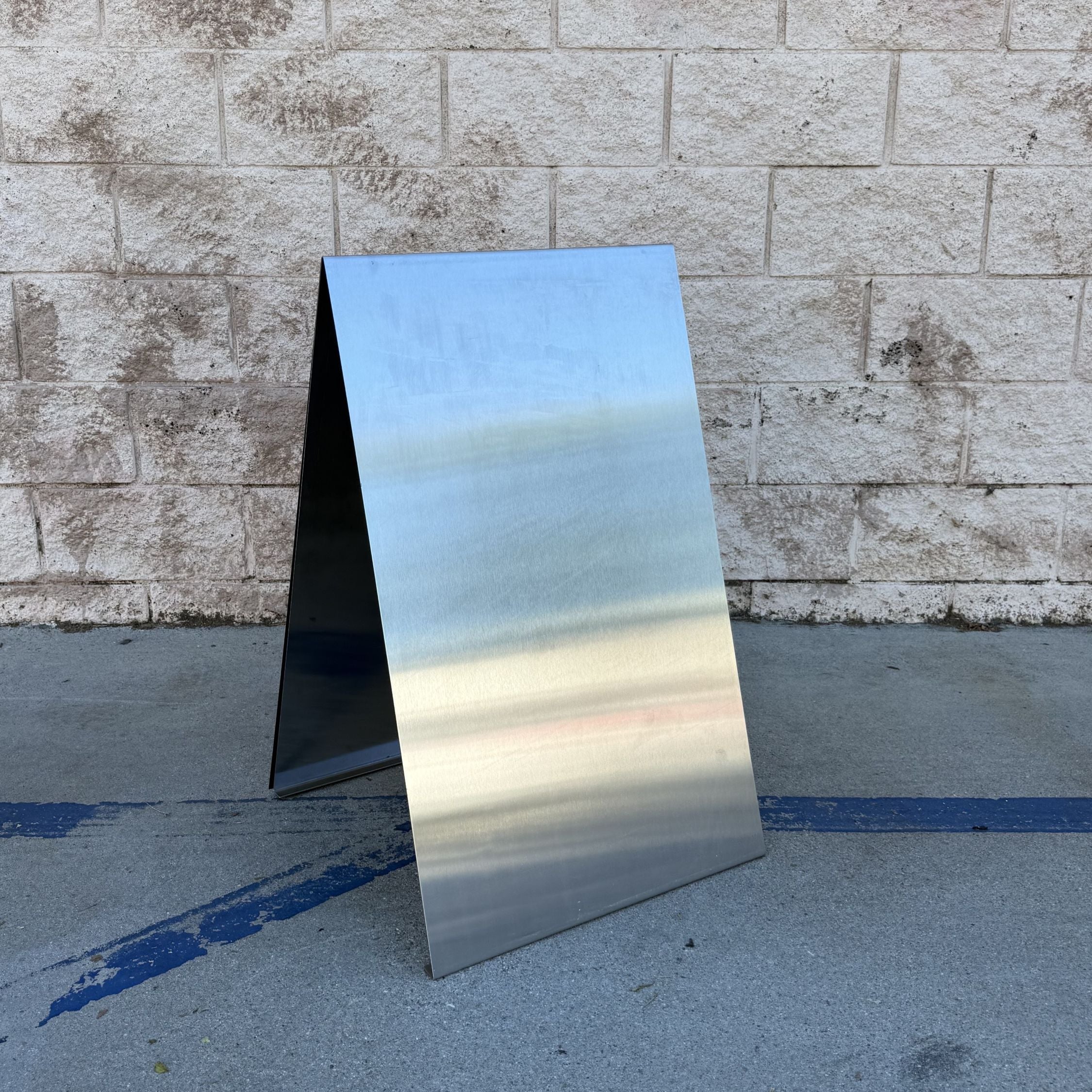
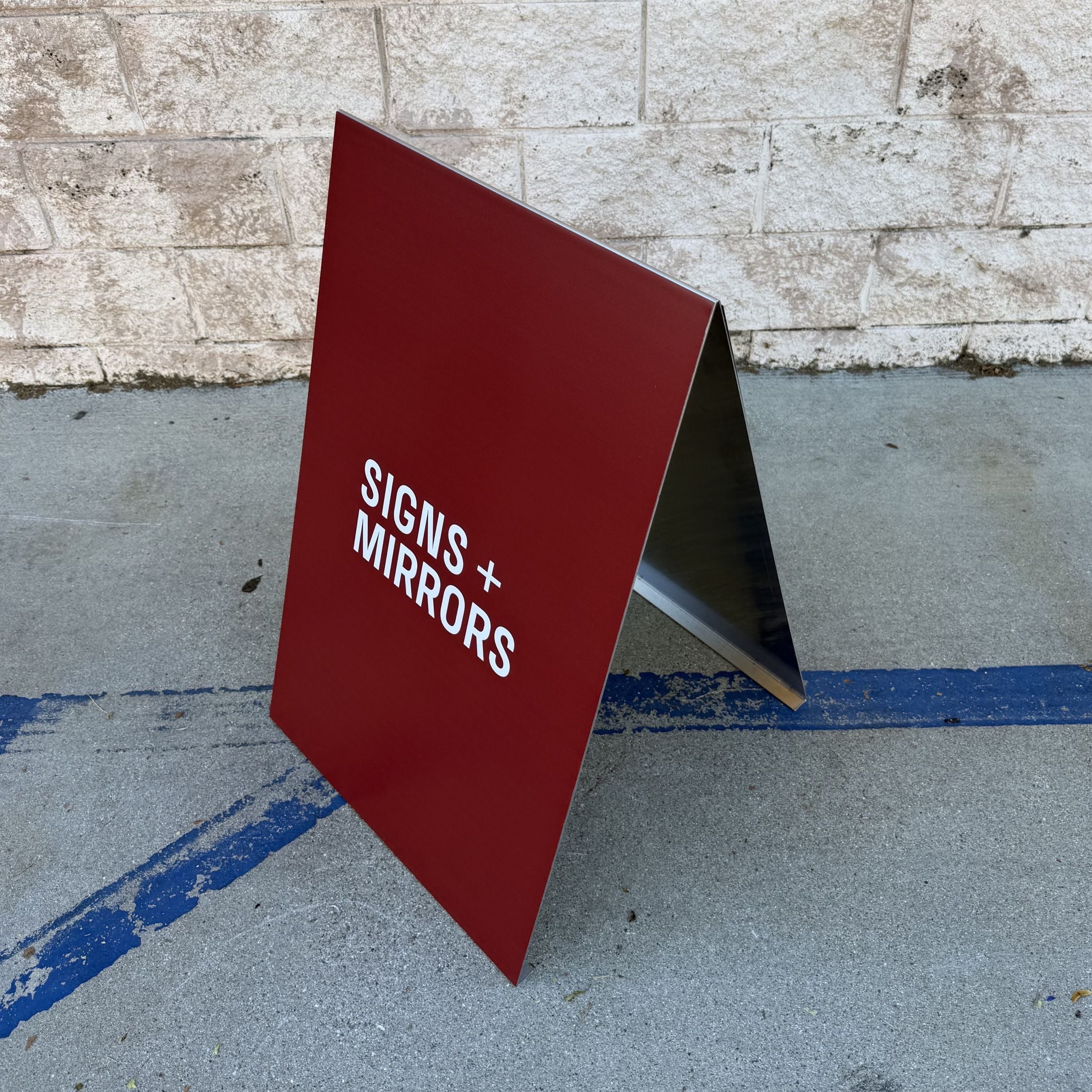
The #001 - Mirrored A-Frame Sandwich Board Sign is built from shatterproof stainless steel with a mirrored polish, making it suitable for both indoor and outdoor use. It’s often placed at restaurant entrances or sidewalks where visibility and durability are equally important.
- Designed to fold flat for easier storage
- Surface works with custom prints or left blank
- Commonly used for menus, hours, or daily specials
- Designed for low to mid wind environments

2. Mirrored Stainless Steel A-Frame Sidewalk Sign
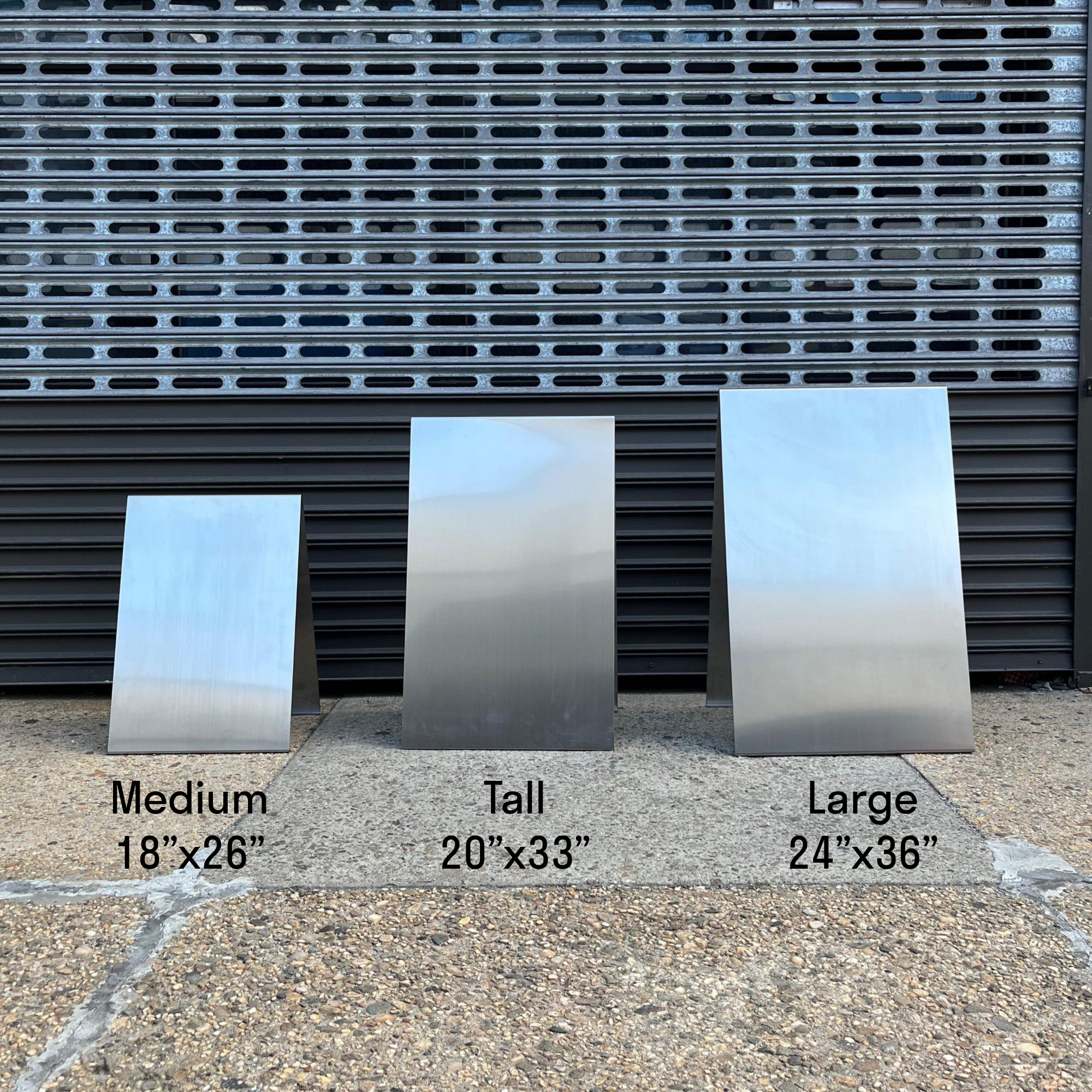
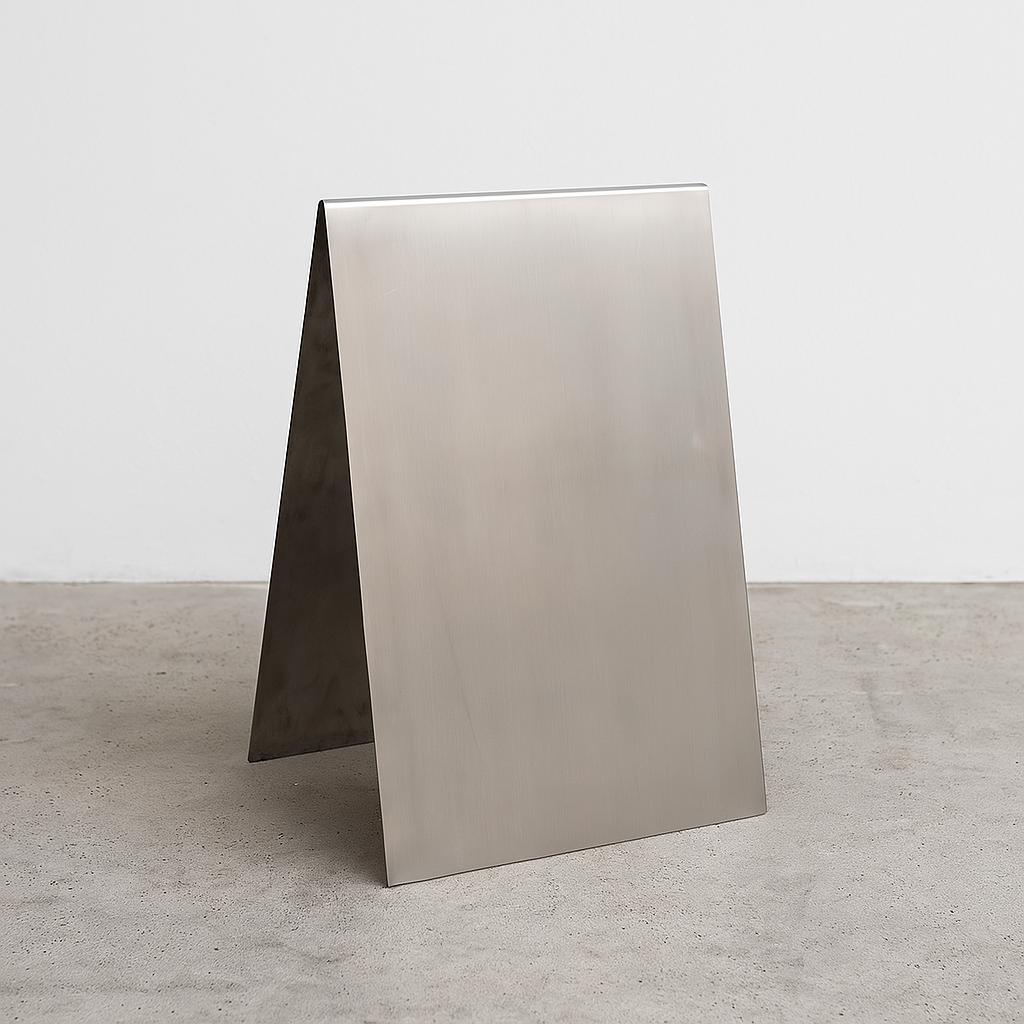
The #003 - Mirrored Stainless Steel A-Frame Sidewalk Sign is formed from a single sheet of stainless steel, giving it a more rigid, grounded feel on the sidewalk. It’s typically used where stability and long-term outdoor placement are priorities.
- Engineered for sidewalk stability
- Works indoors and outdoors
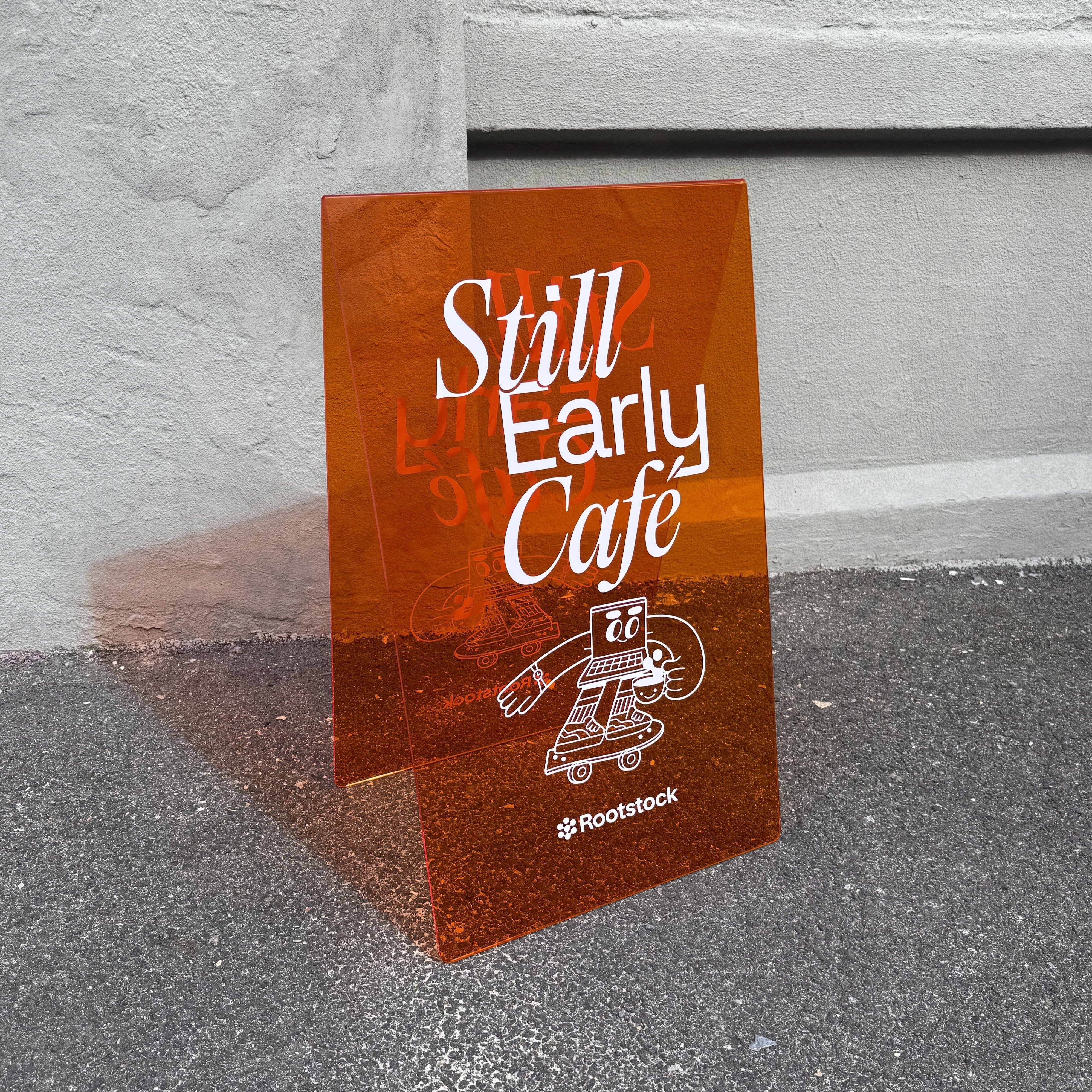
- Supports blank or custom printed displays
- Often placed outside cafés, restaurants, and retail storefronts

3. Rounded Stainless Steel A-Frame Sandwich Board Sign
The #004 - Rounded Stainless Steel A-Frame Sandwich Board Sign introduces curved edges while keeping the same mirrored stainless steel surface. The rounded shape softens the look while maintaining durability.
- Mirrored stainless steel with rounded corners
- Designed for indoor and outdoor placement
- Compatible with printed or unbranded displays
- Common in hospitality and wellness spaces

4. Textured Insert Brushed Stainless Steel Upright Sign
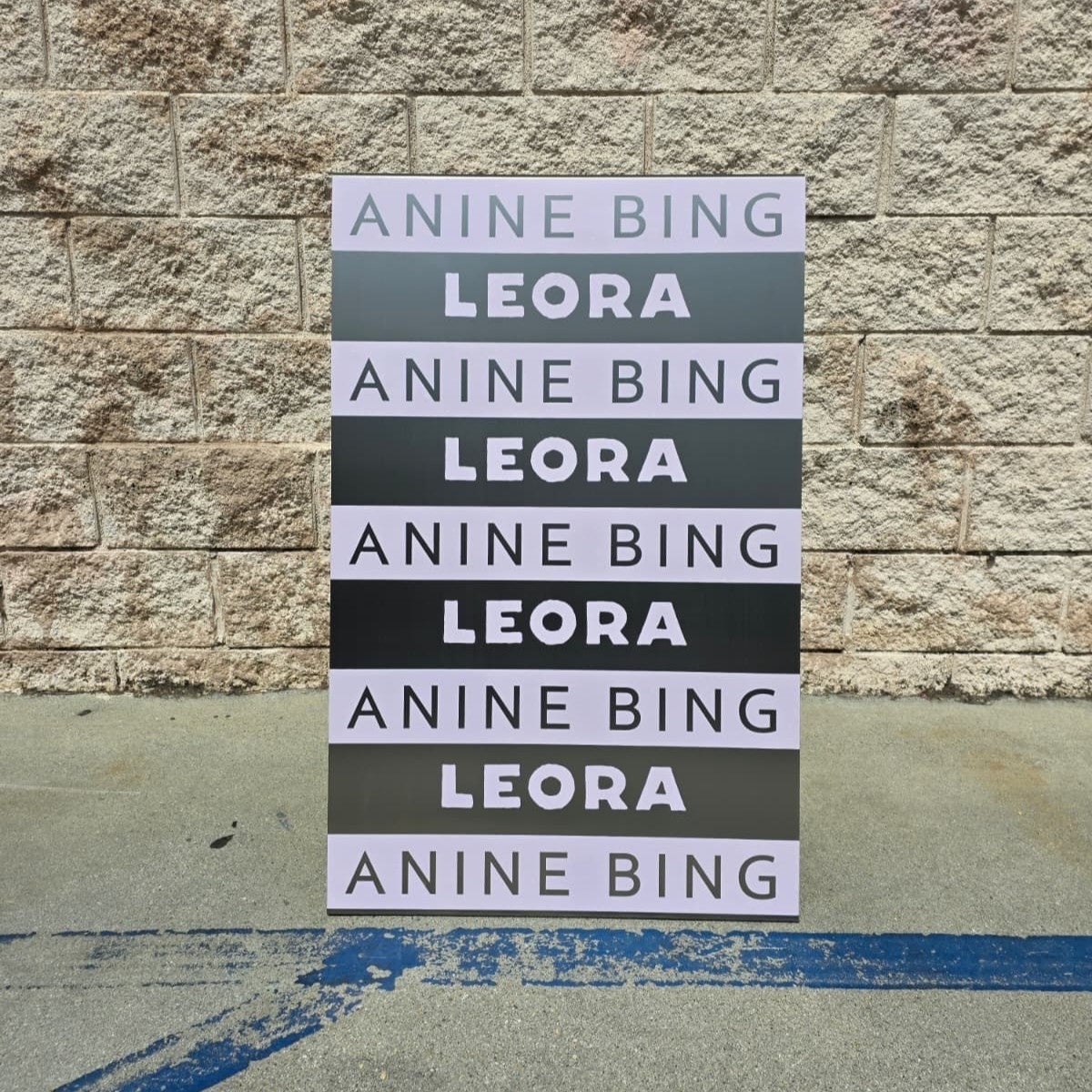
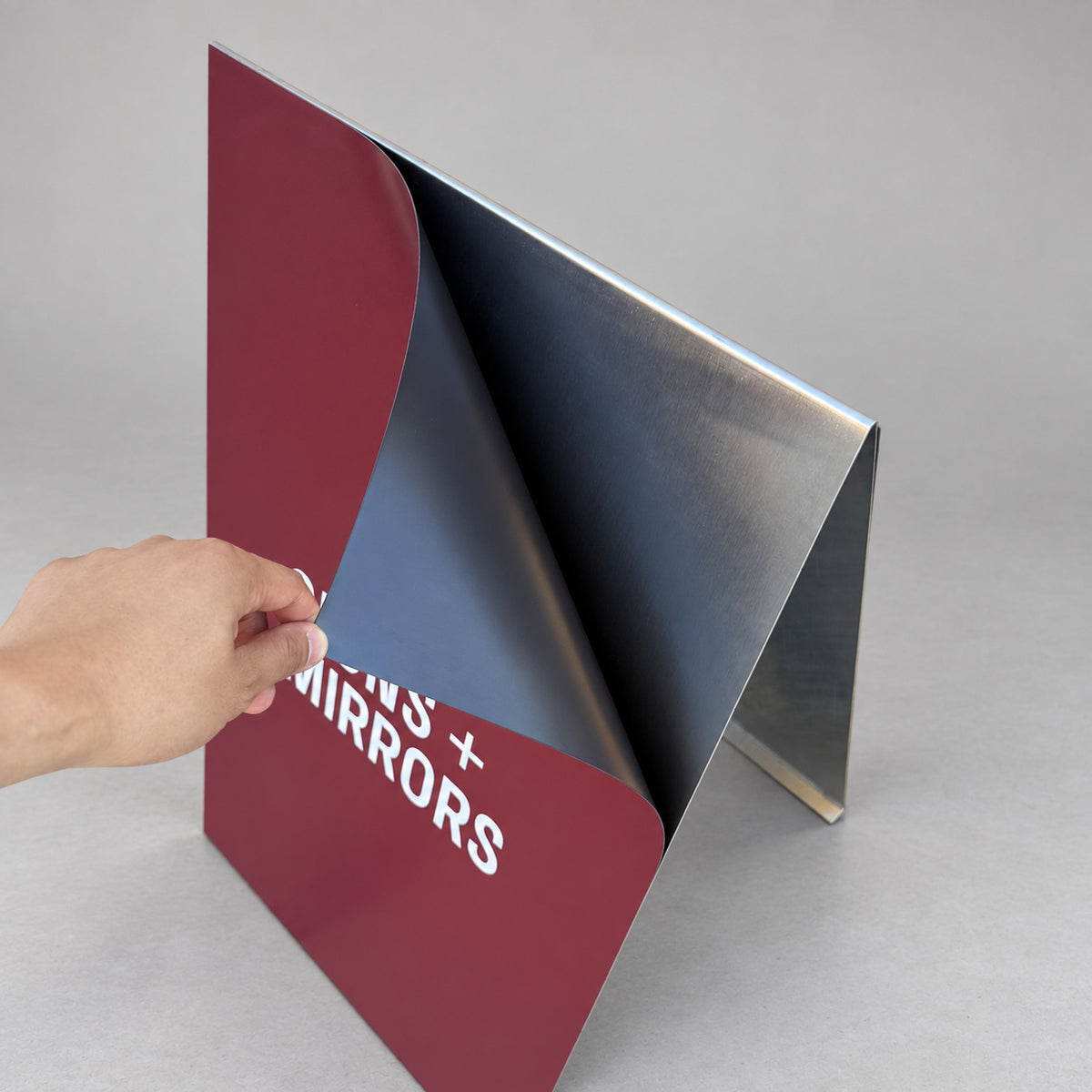
The #007 - Textured Insert Brushed Stainless Steel Upright Sign combines a stainless steel frame with a removable twinwall polycarbonate insert. It’s often used where signage needs to be updated or swapped without replacing the full structure.
- Brushed stainless steel frame
- Replaceable polycarbonate insert panel
- Designed for stable sidewalk placement
- Suitable for indoor and outdoor use

5. Brushed Stainless Steel Upright Sign
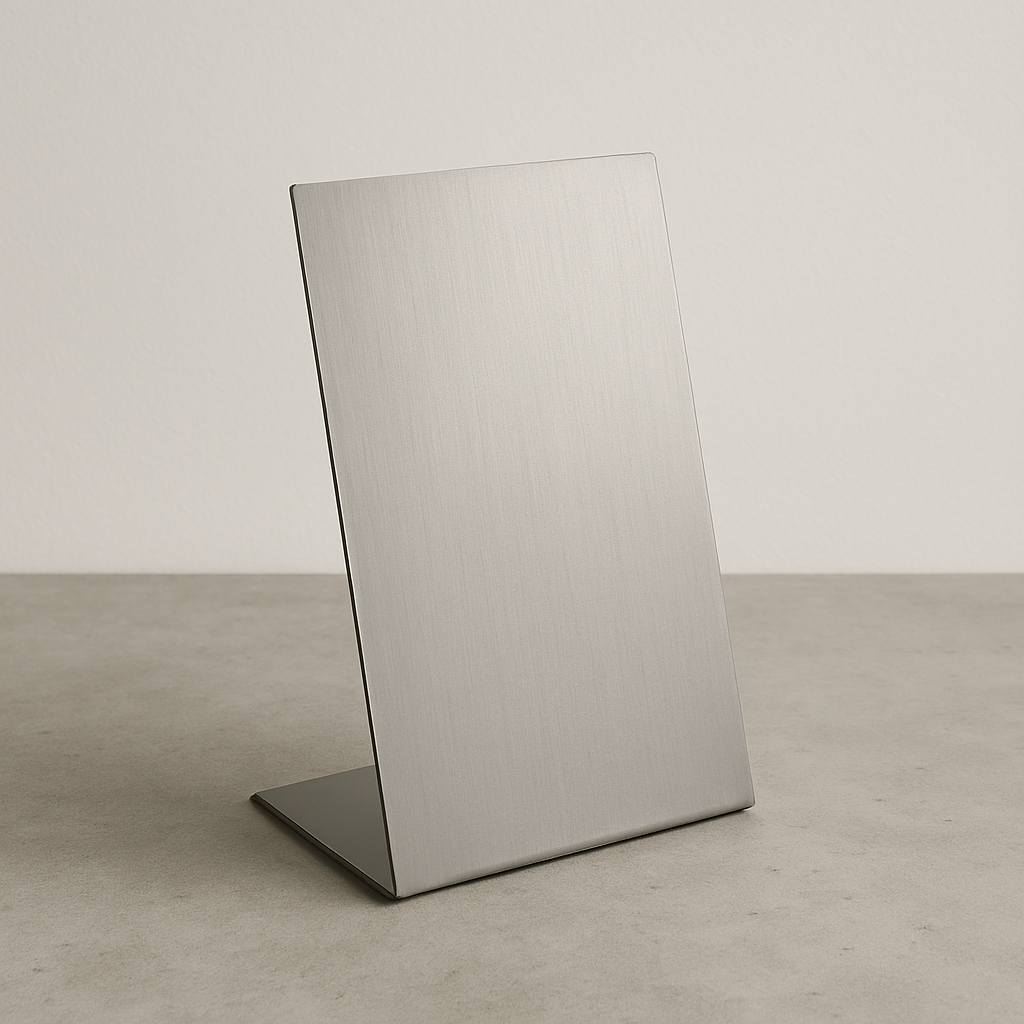
The #006 - Brushed Stainless Steel Upright Sign is a freestanding option with a solid metal finish on both sides. It’s typically positioned near entrances, host stands, or walkways where a vertical format works better than an A-frame.
- Shatterproof stainless steel construction
- Clean brushed metal finish
- Built for sidewalk and interior use
- Designed to remain stable in everyday conditions

6. Black Stainless Steel A-Frame Sidewalk Sign
The #011 - Black Stainless Steel A-Frame Sidewalk Sign uses a powder-coated stainless steel finish instead of a mirrored surface. It’s often chosen for spaces that prefer a more muted, minimal exterior look.
- Stainless steel with powder coat finish
- Designed to resist rust and surface wear
- Stable A-frame structure for sidewalks
- Suitable for indoor and outdoor use

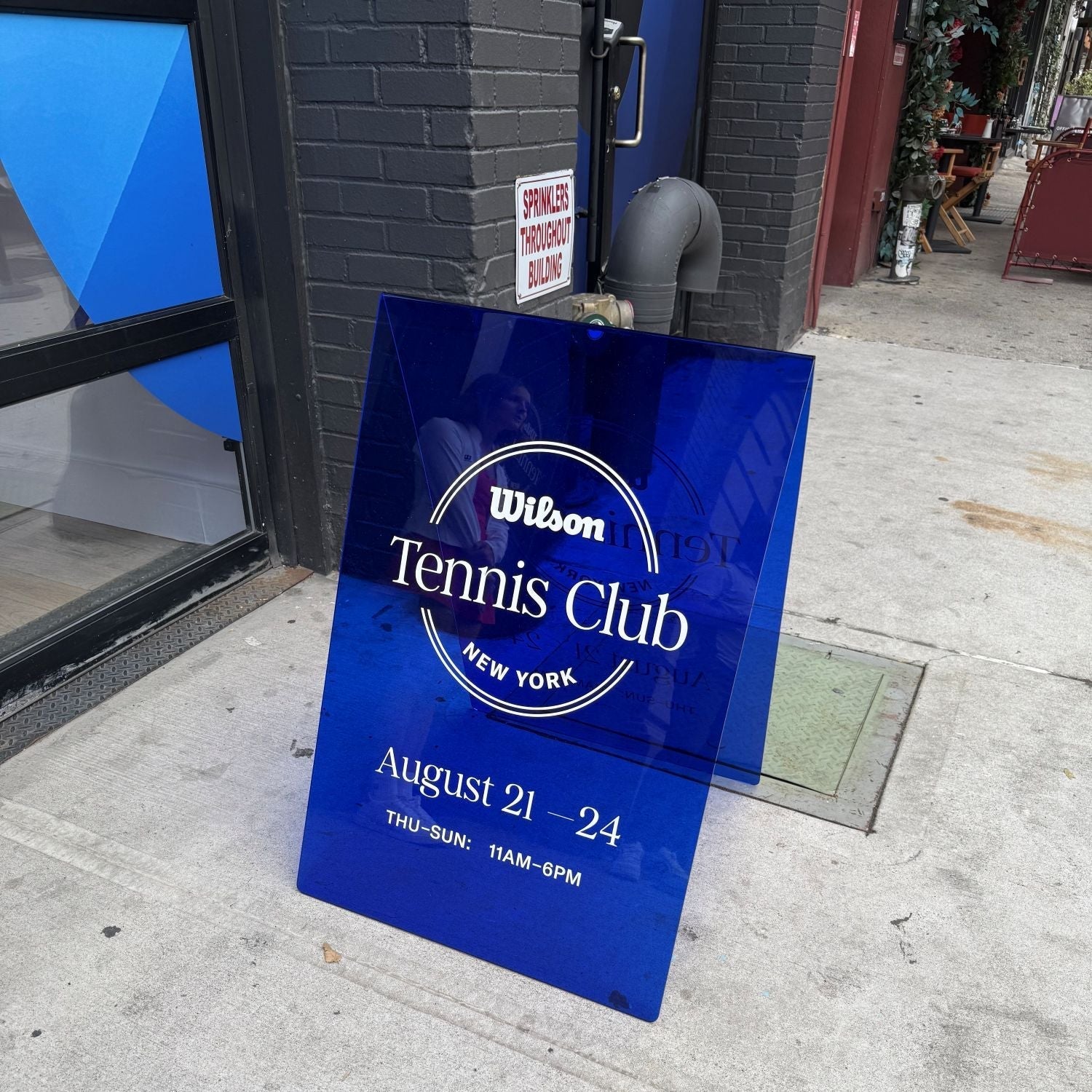
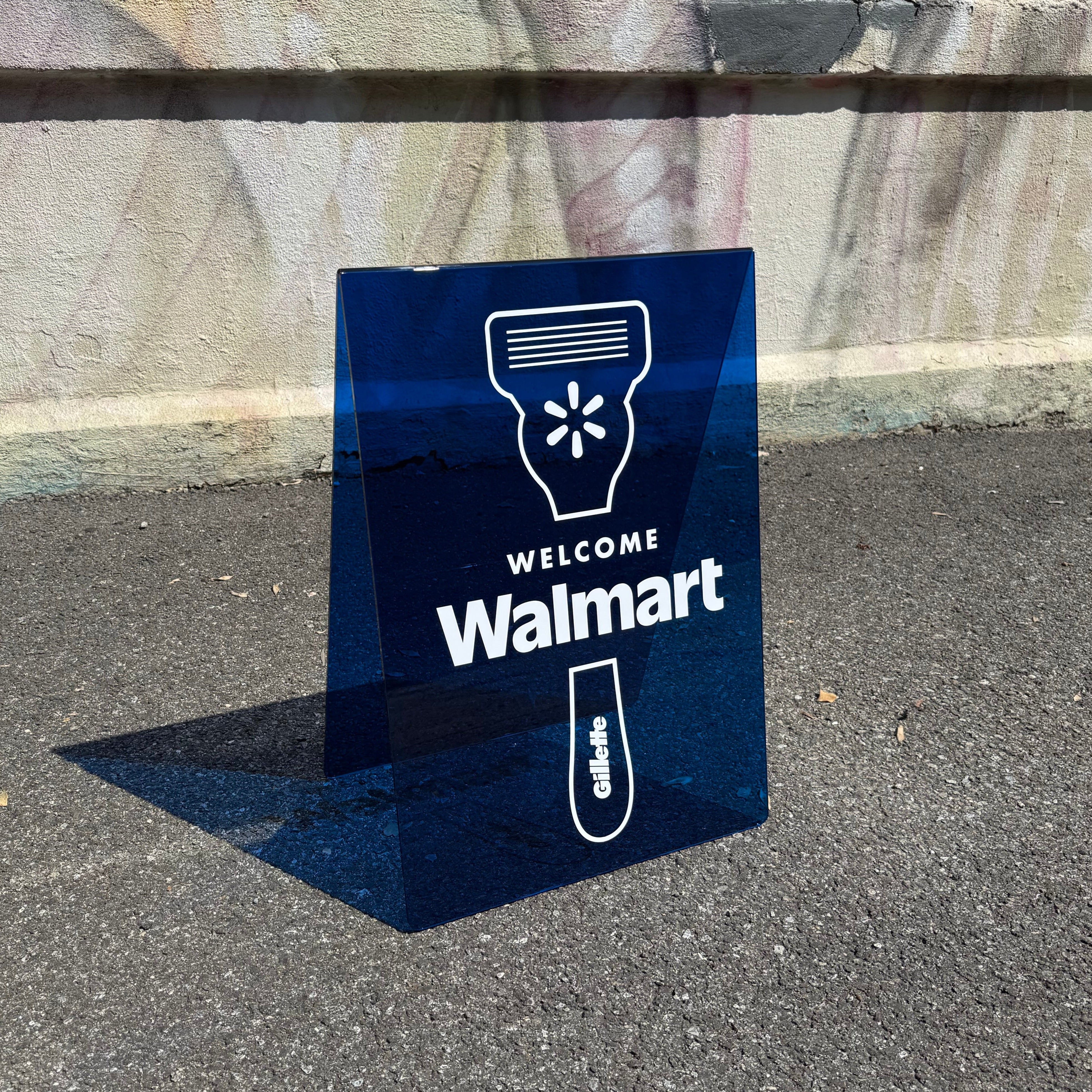
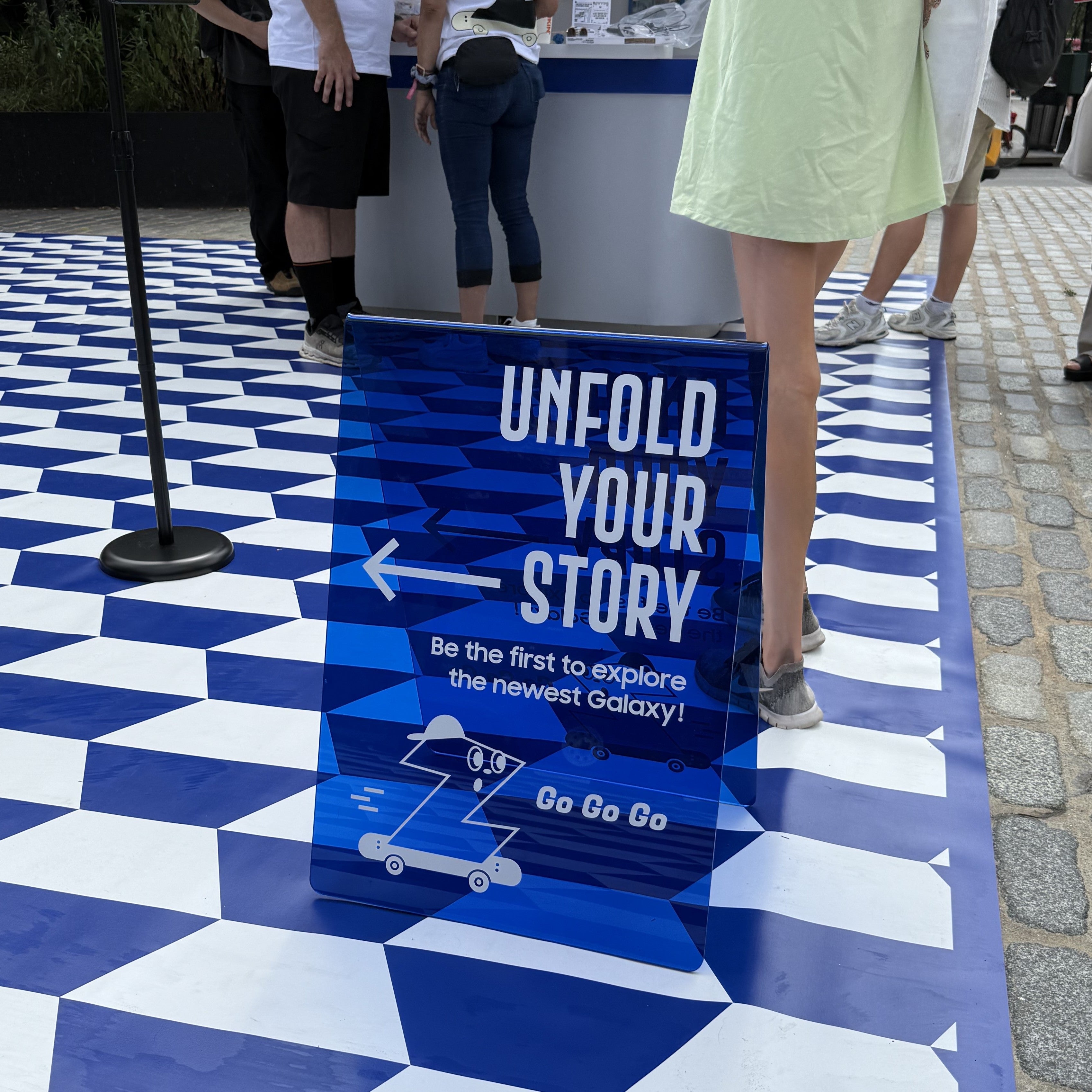
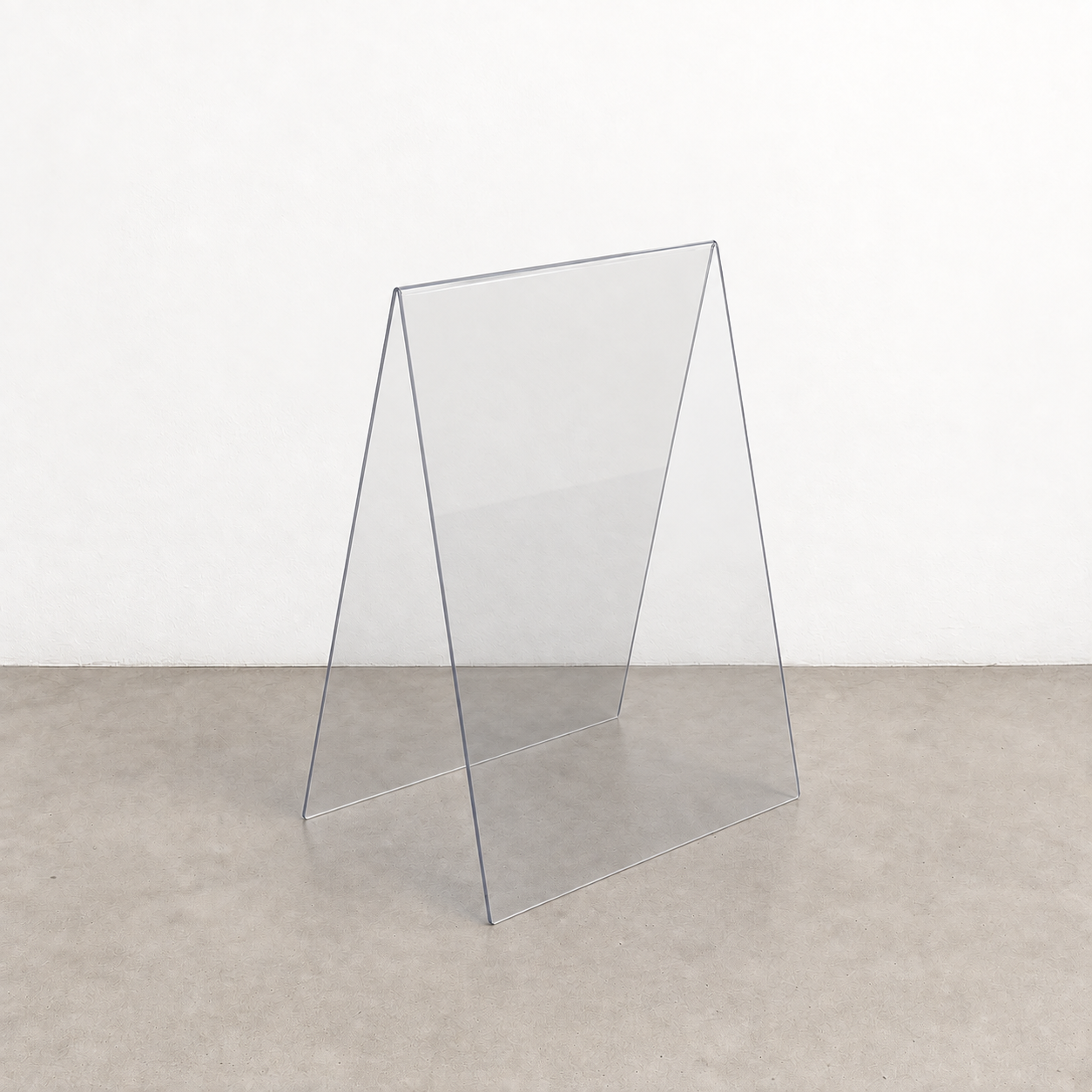
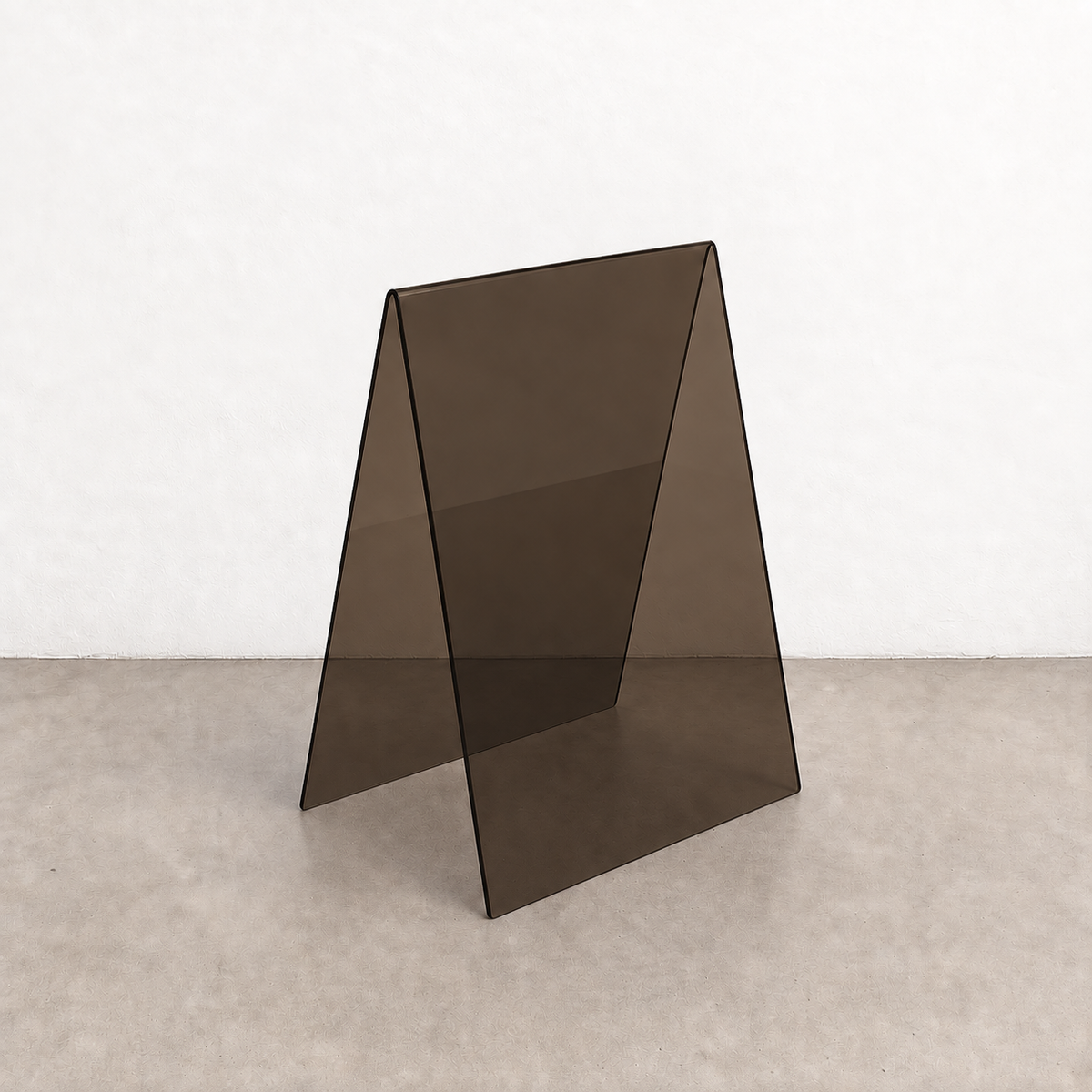
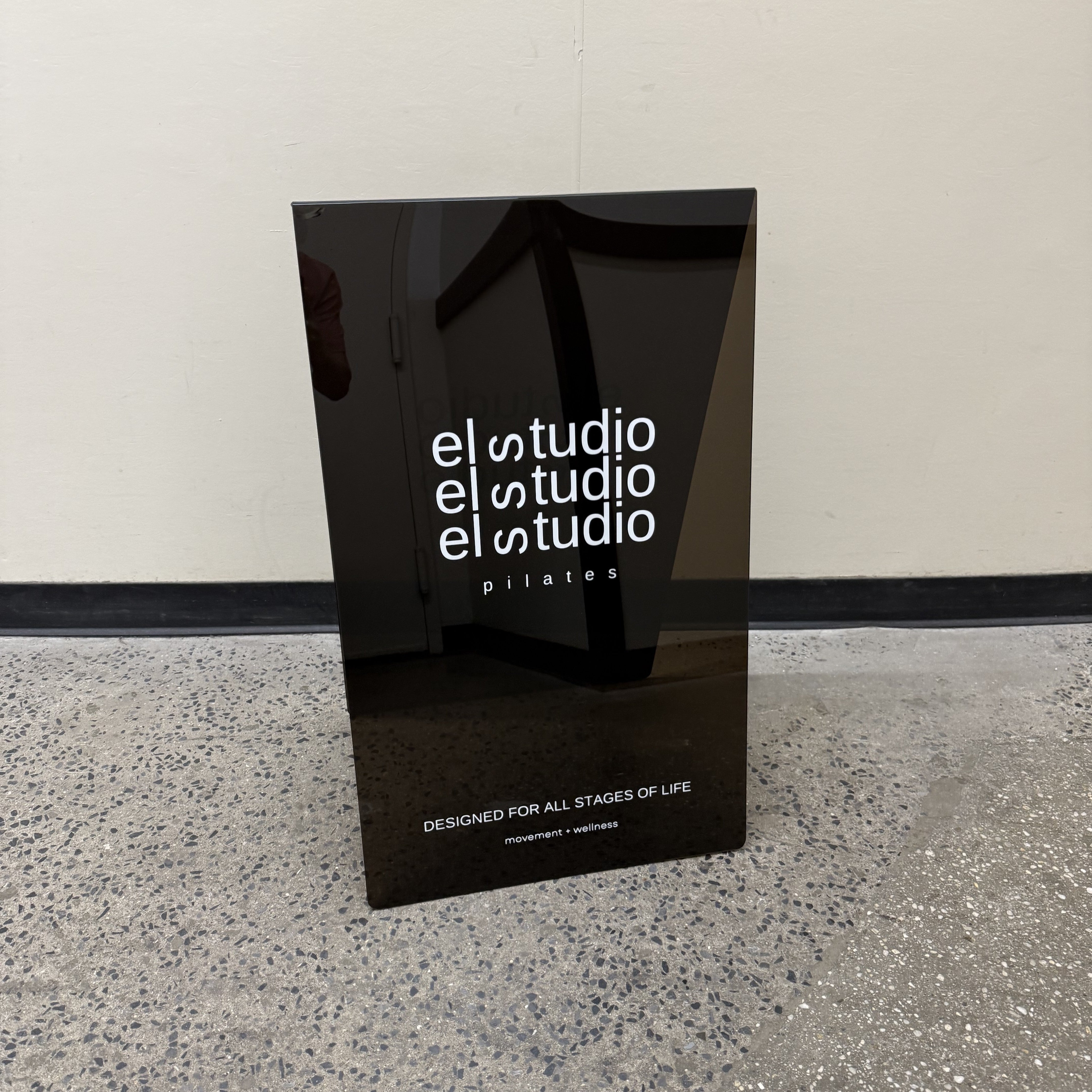
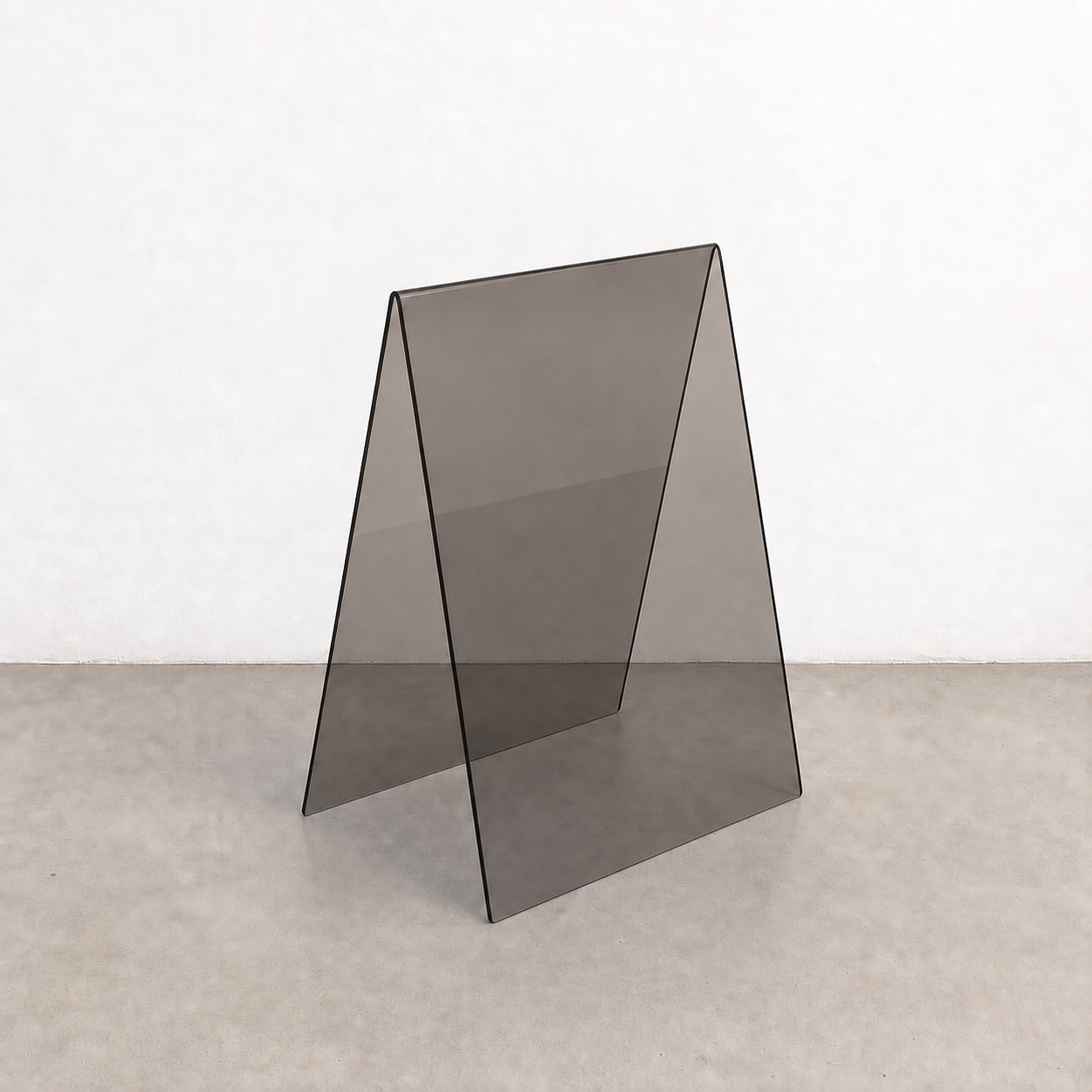
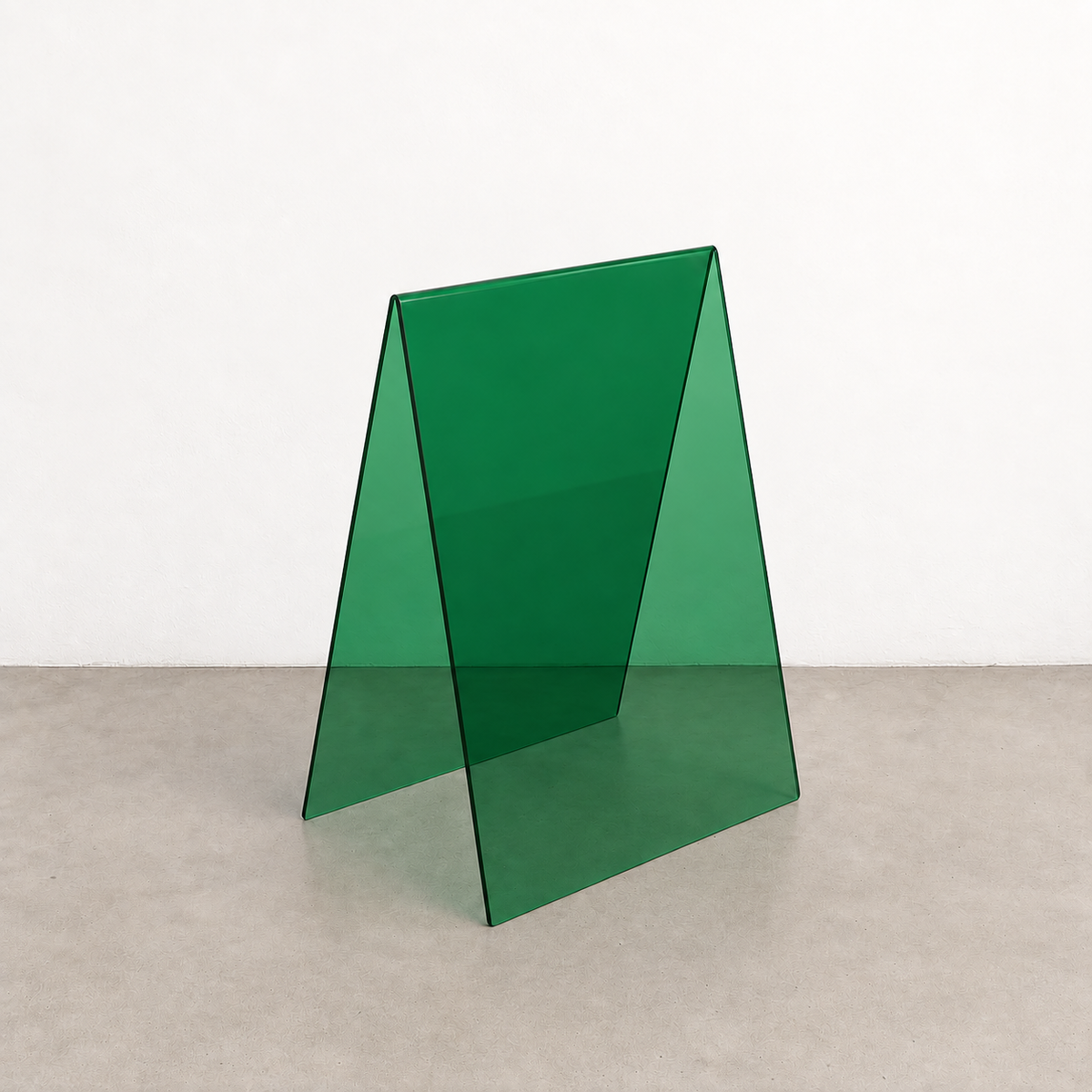
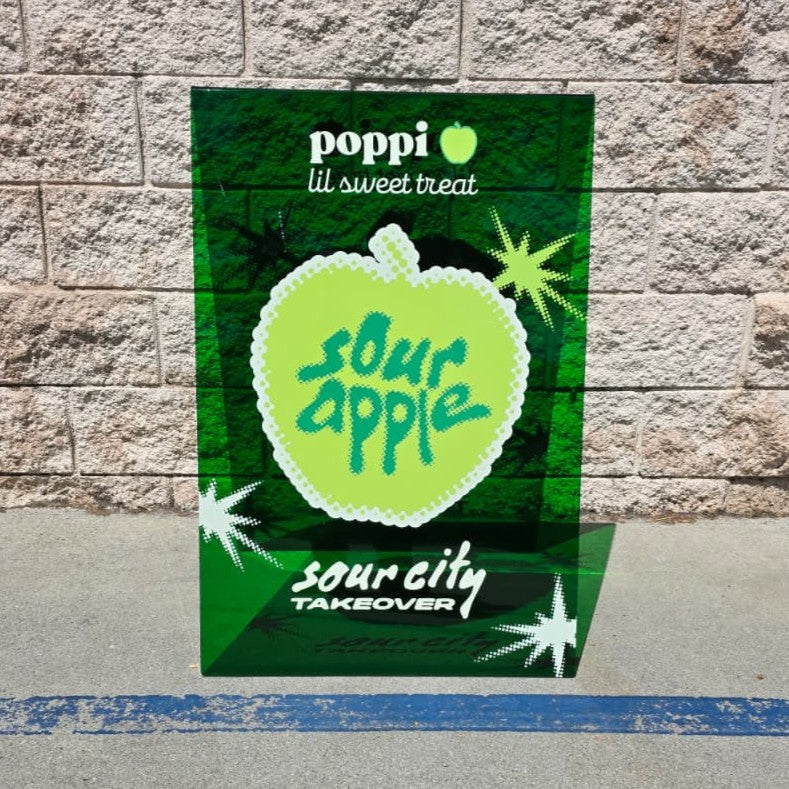
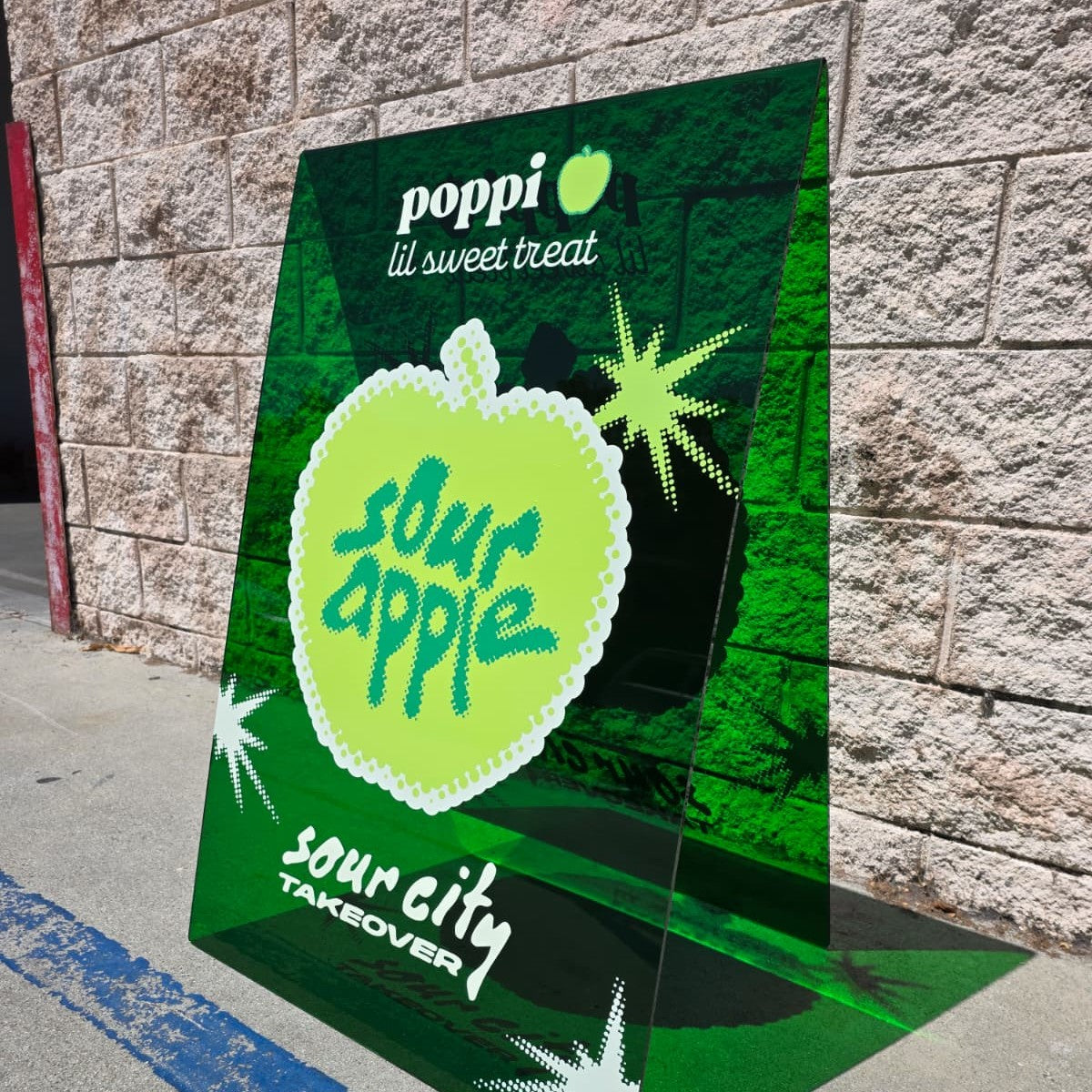
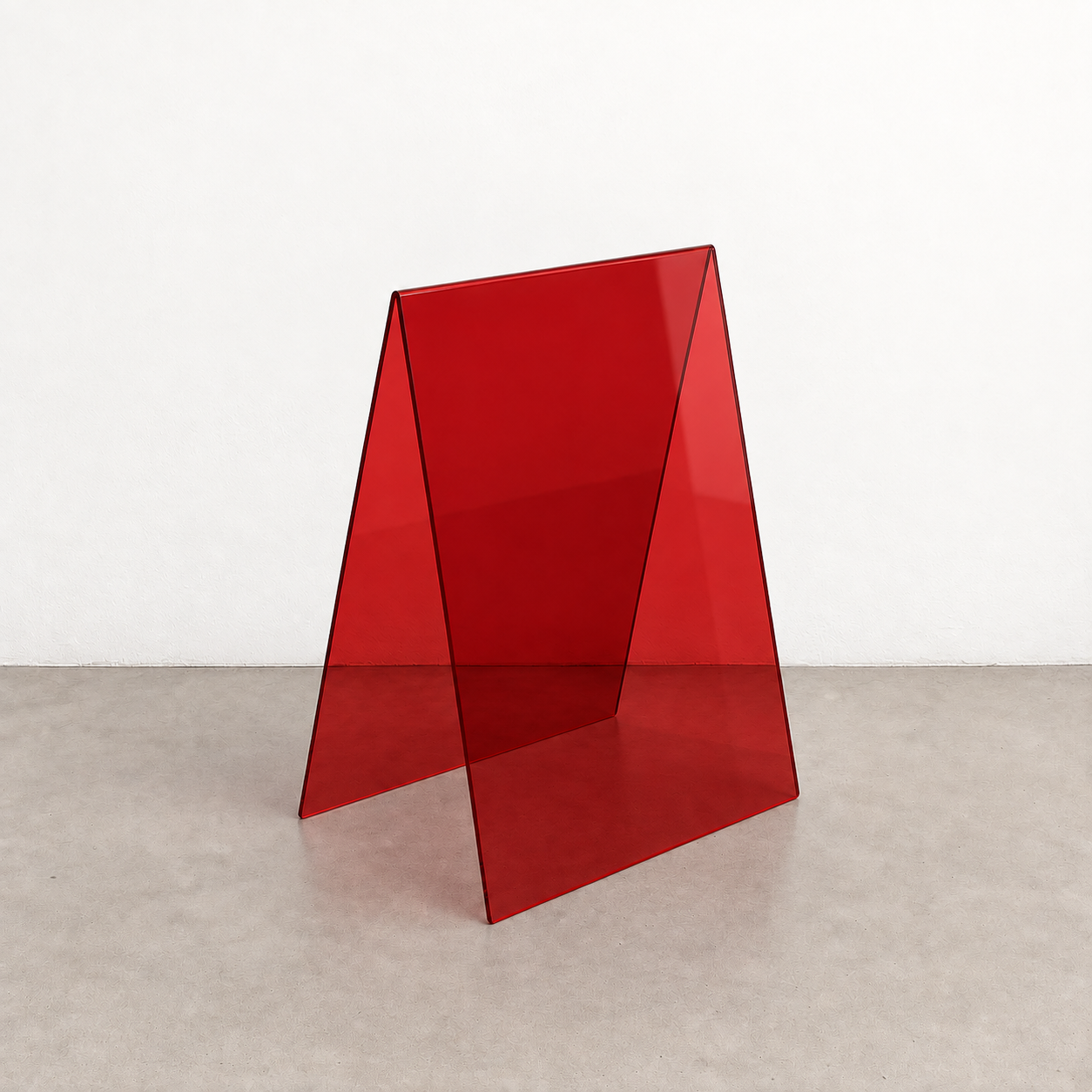
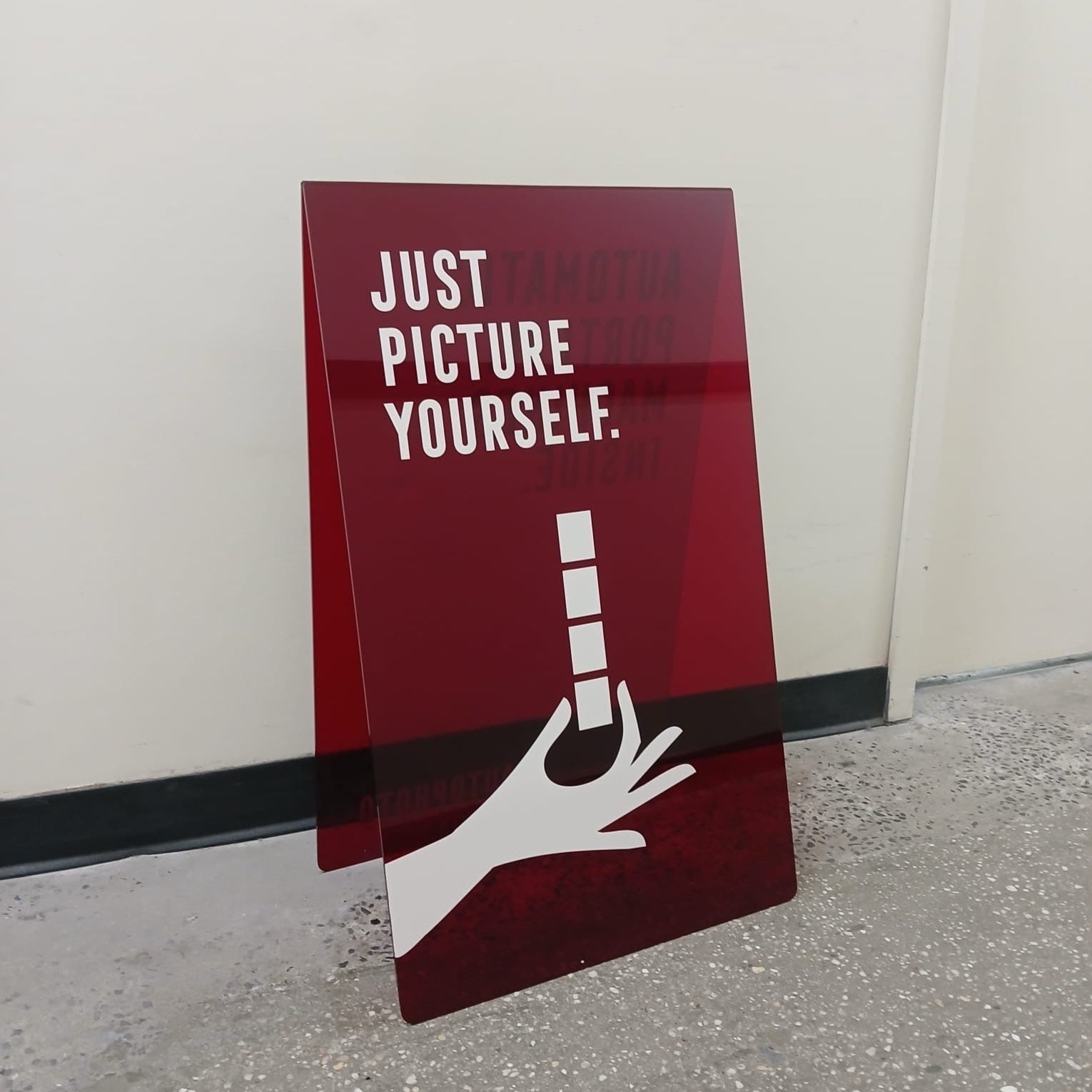
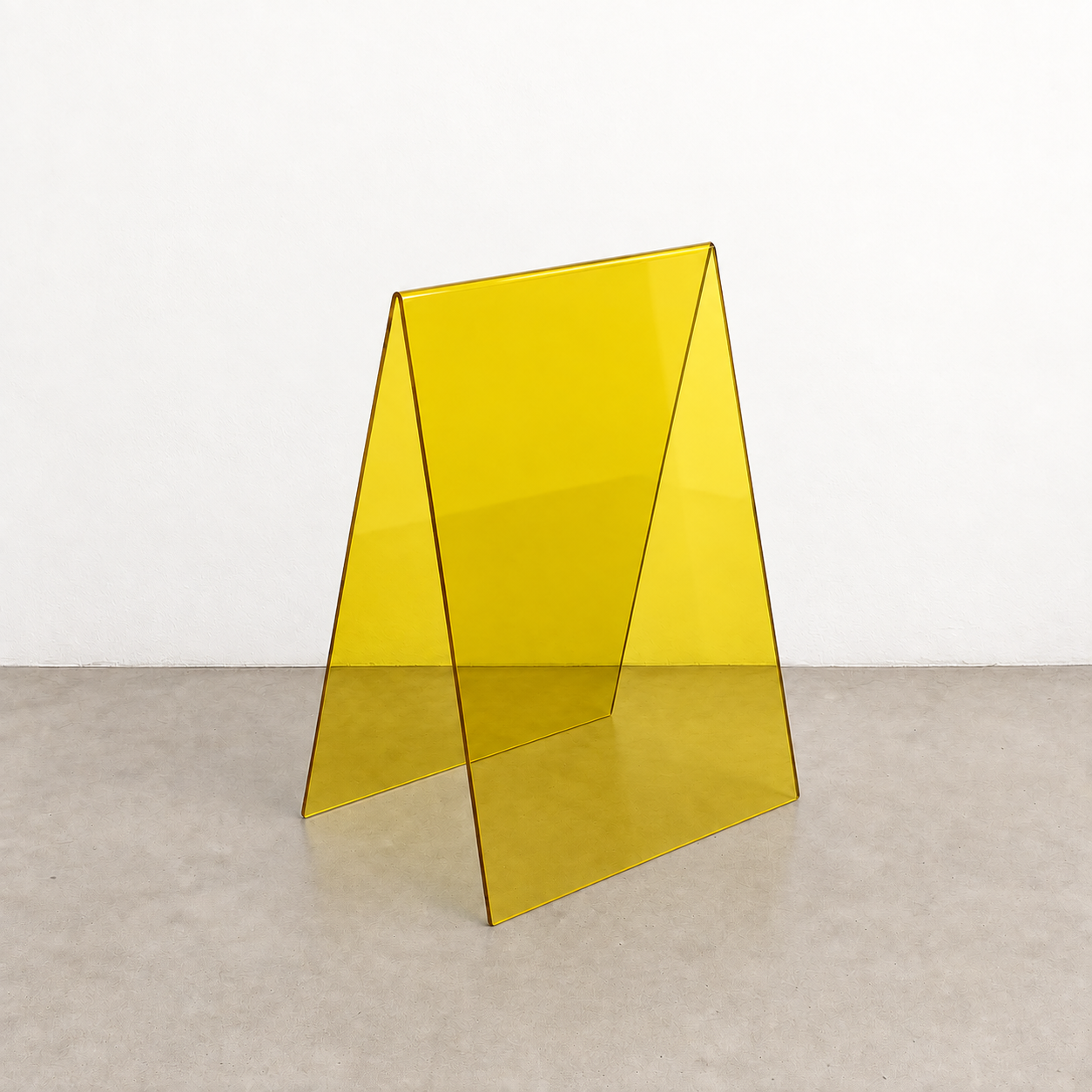
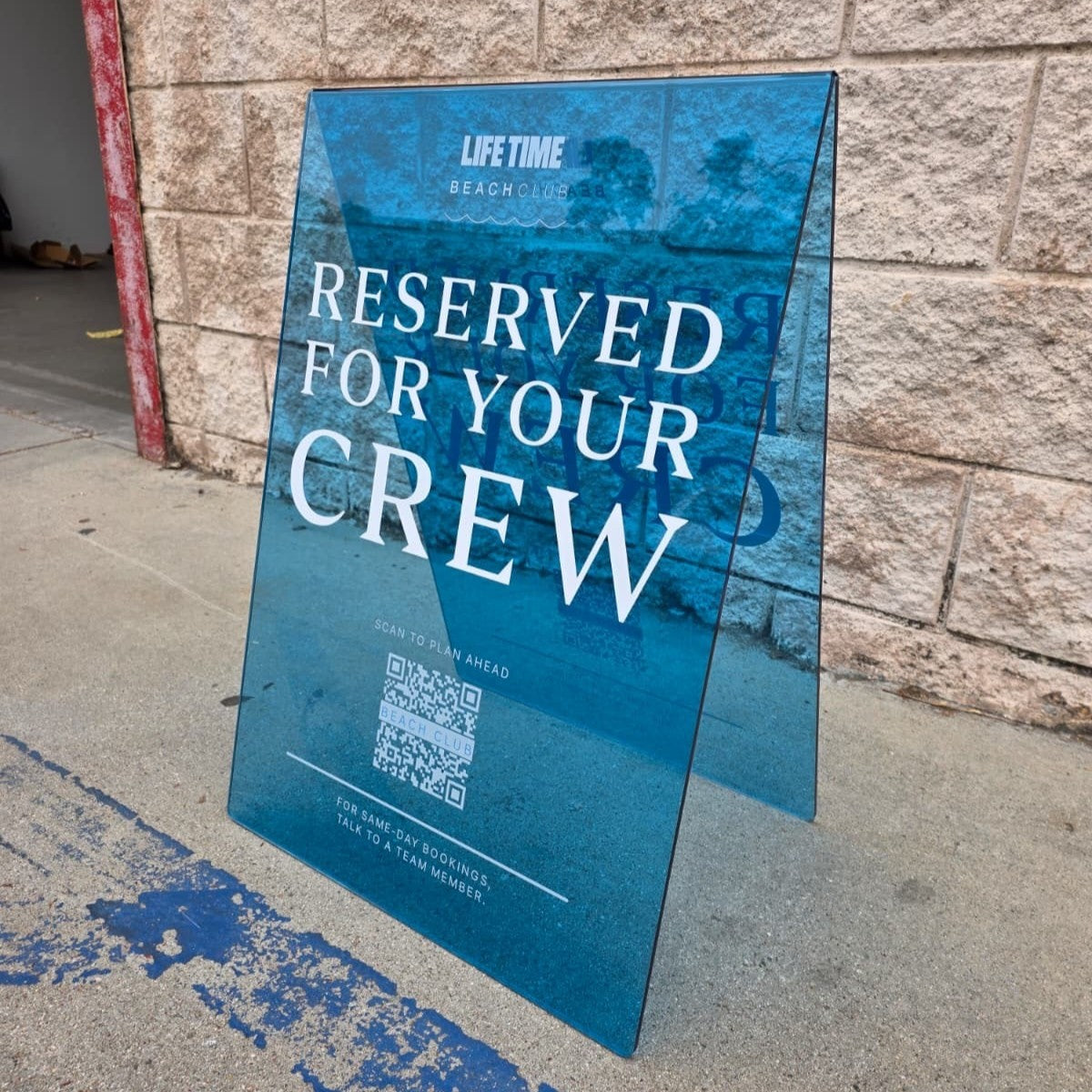
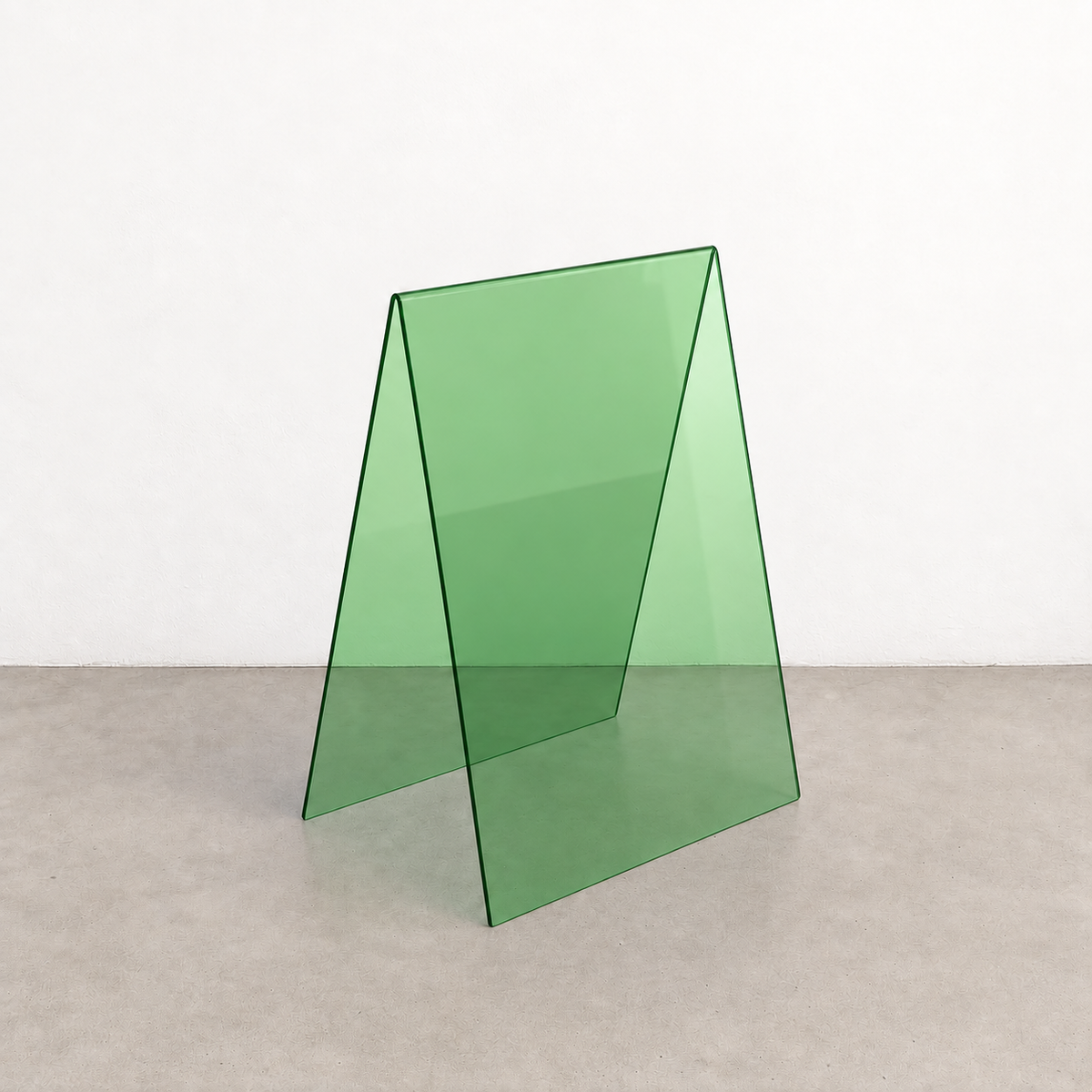
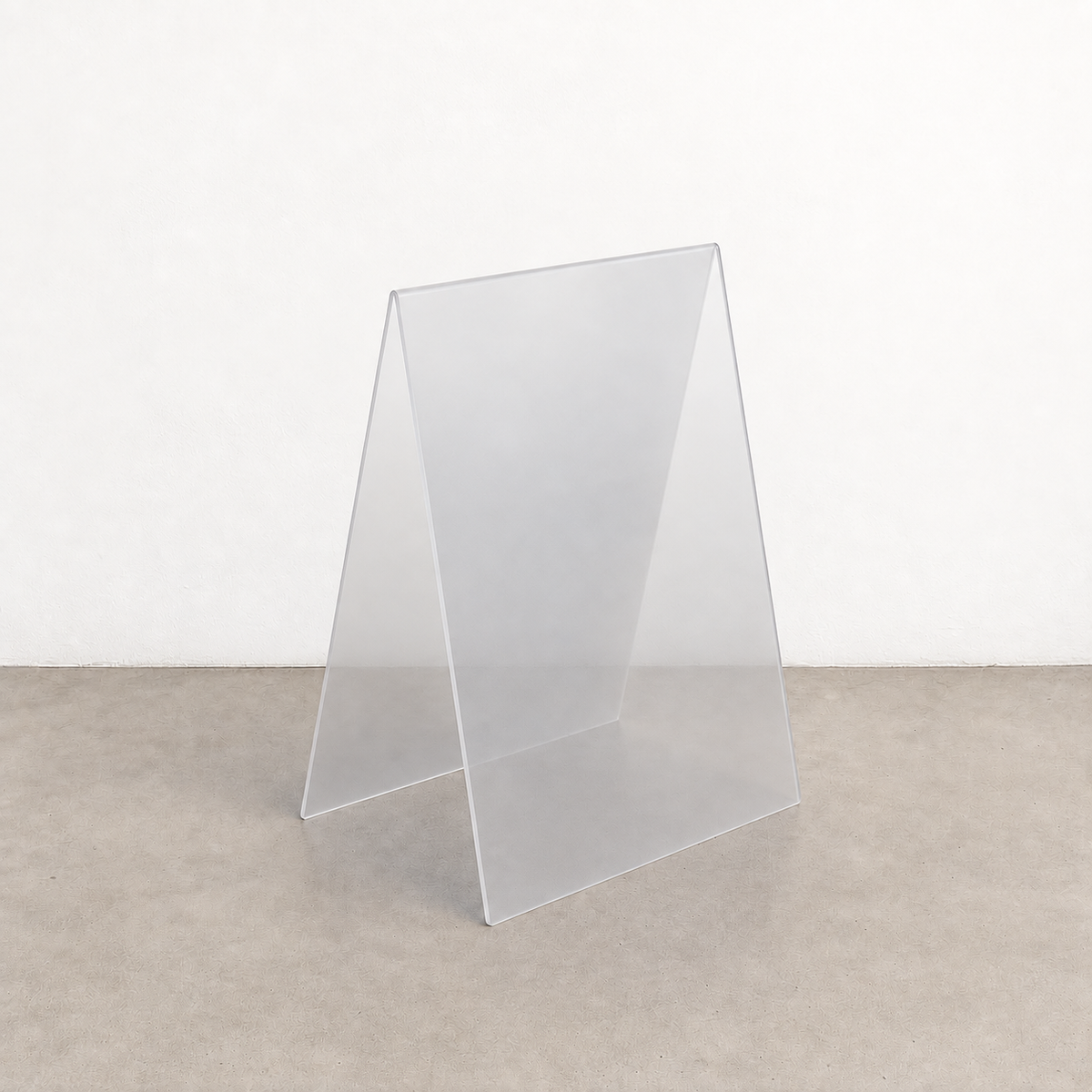
7. Transparent Acrylic A-Frame Sidewalk Sign
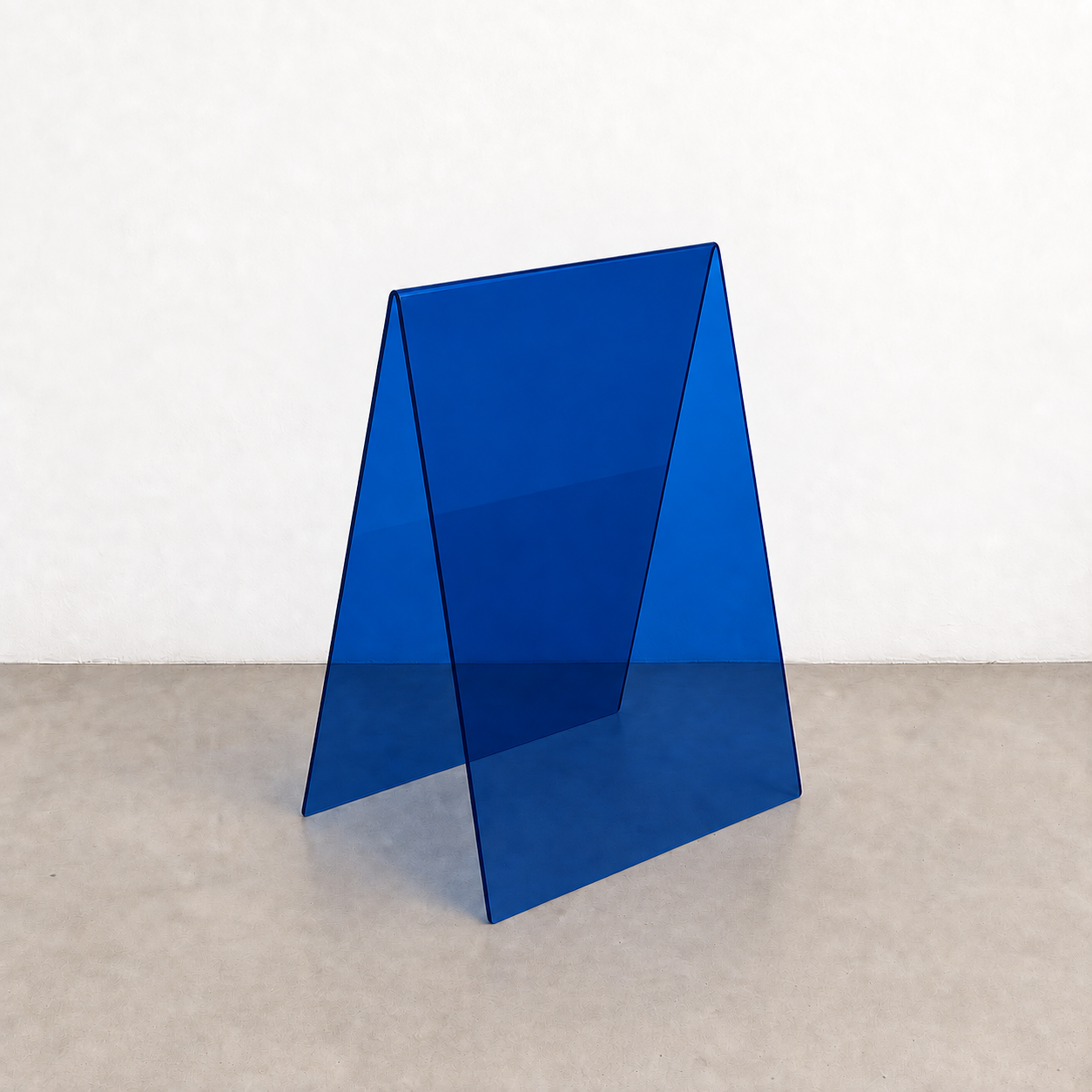
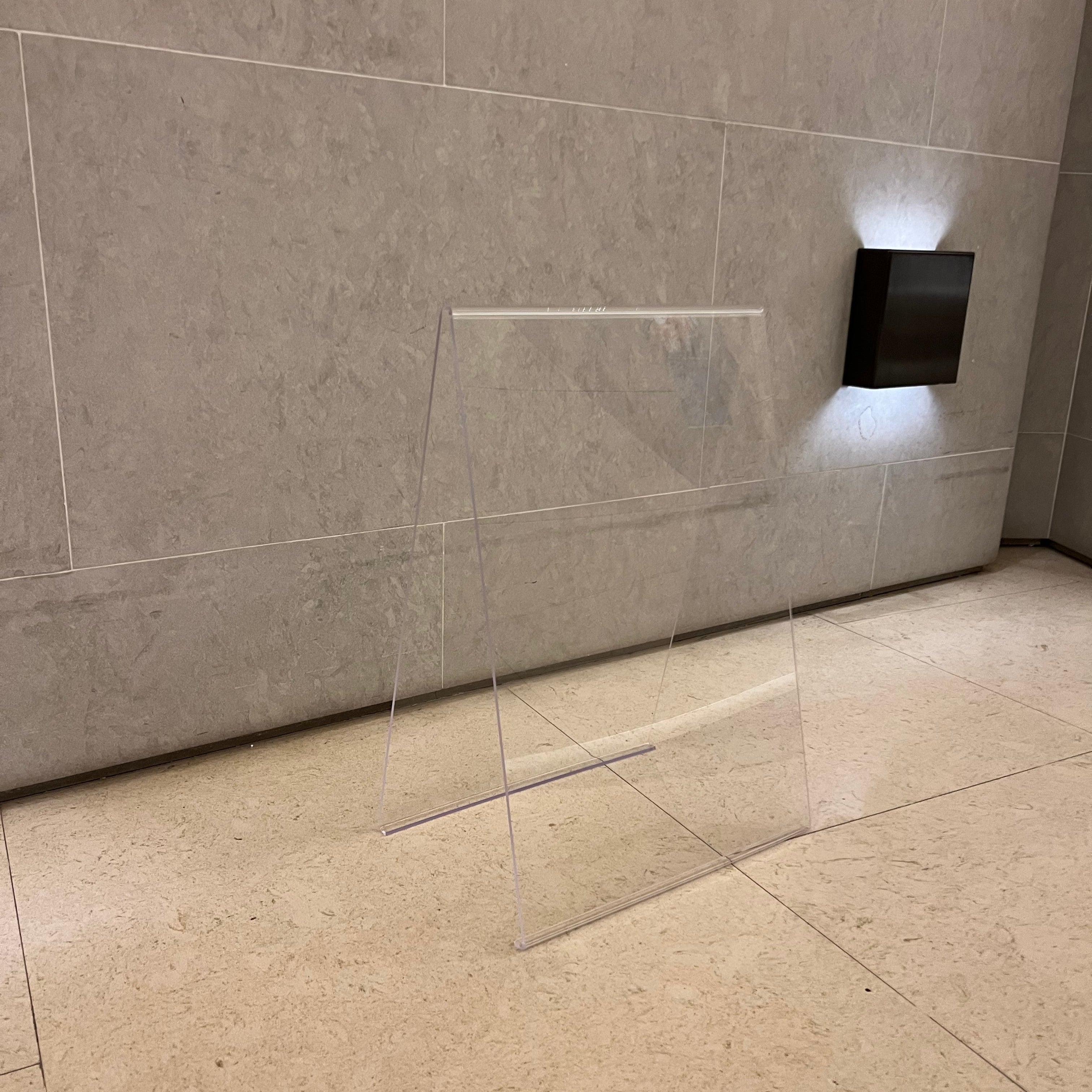
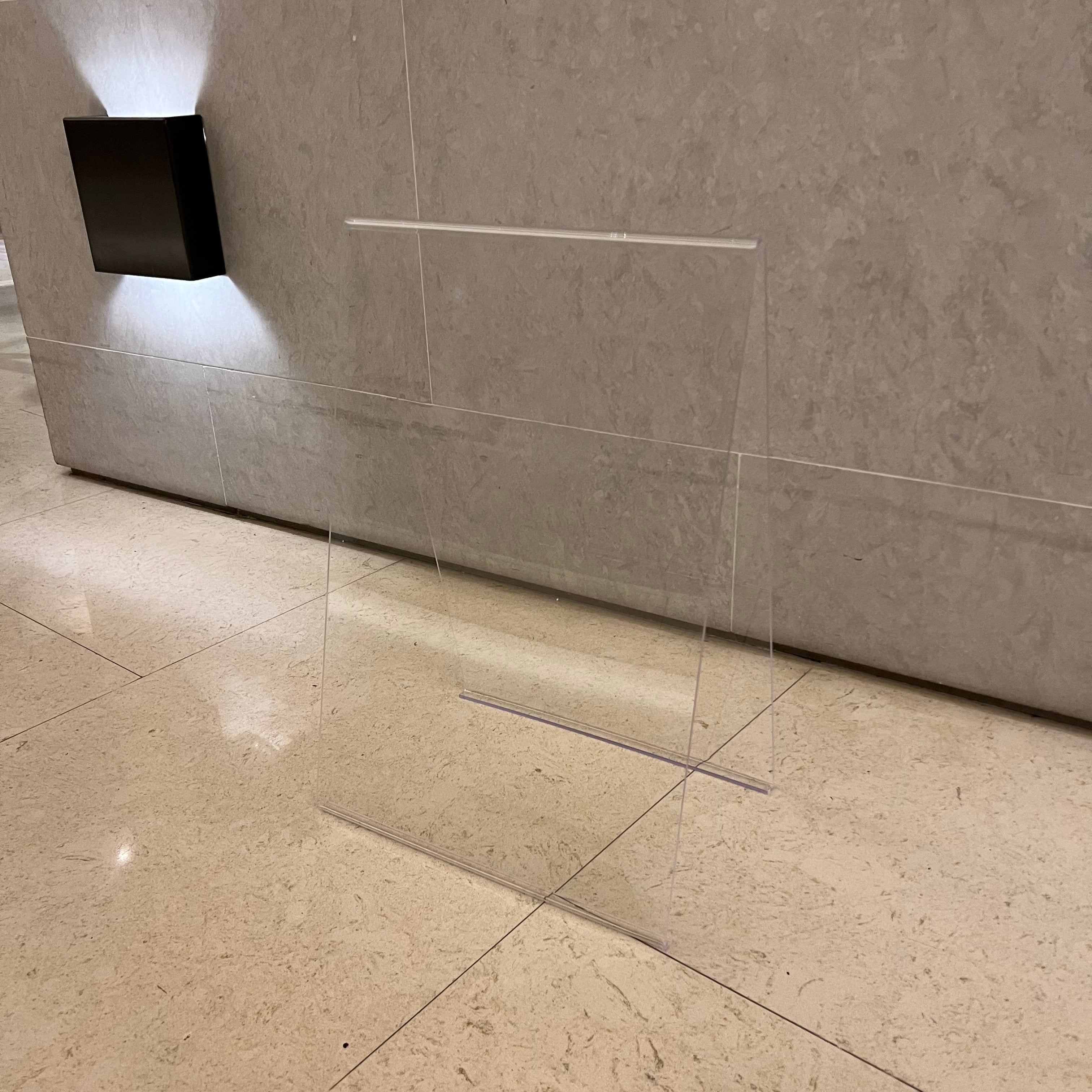
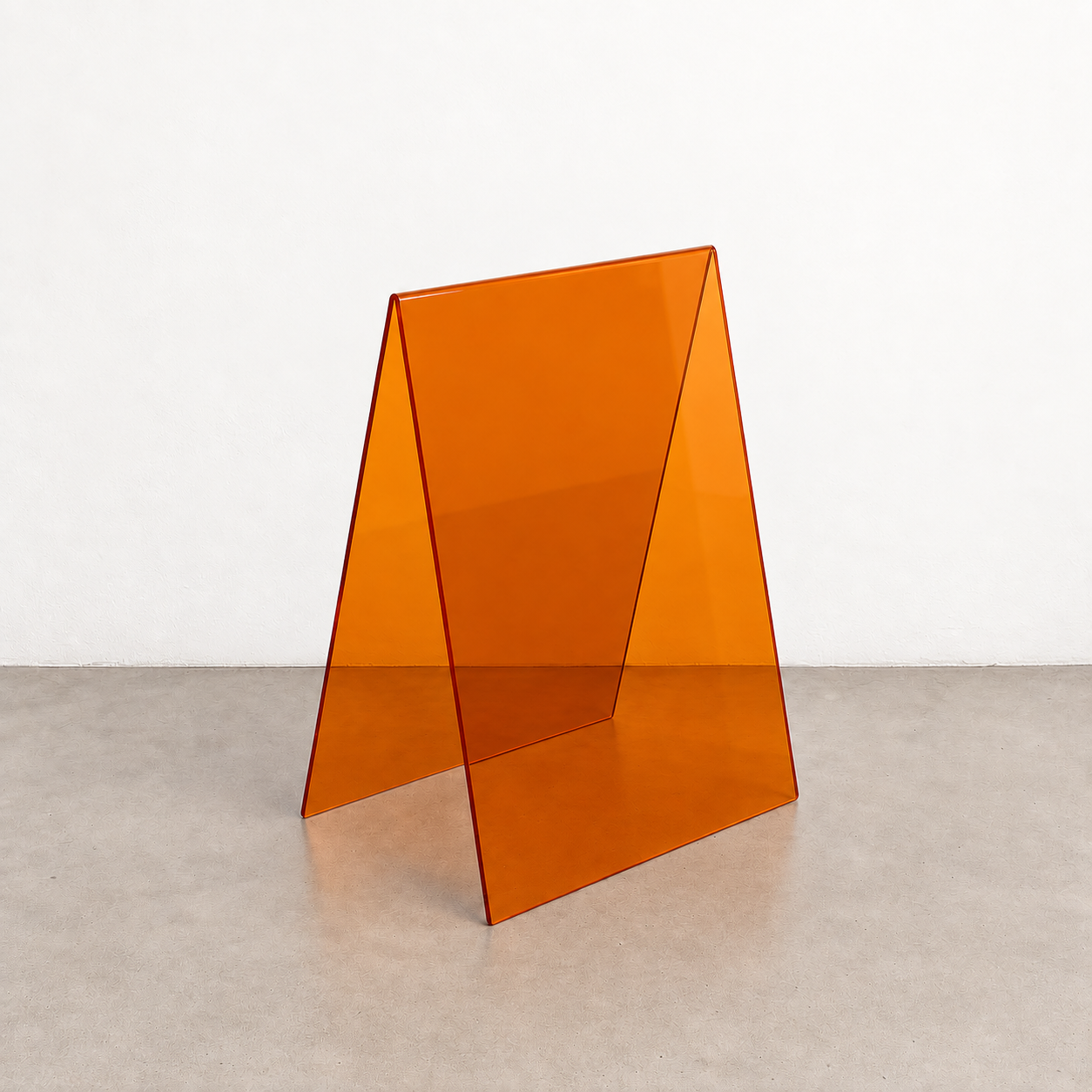
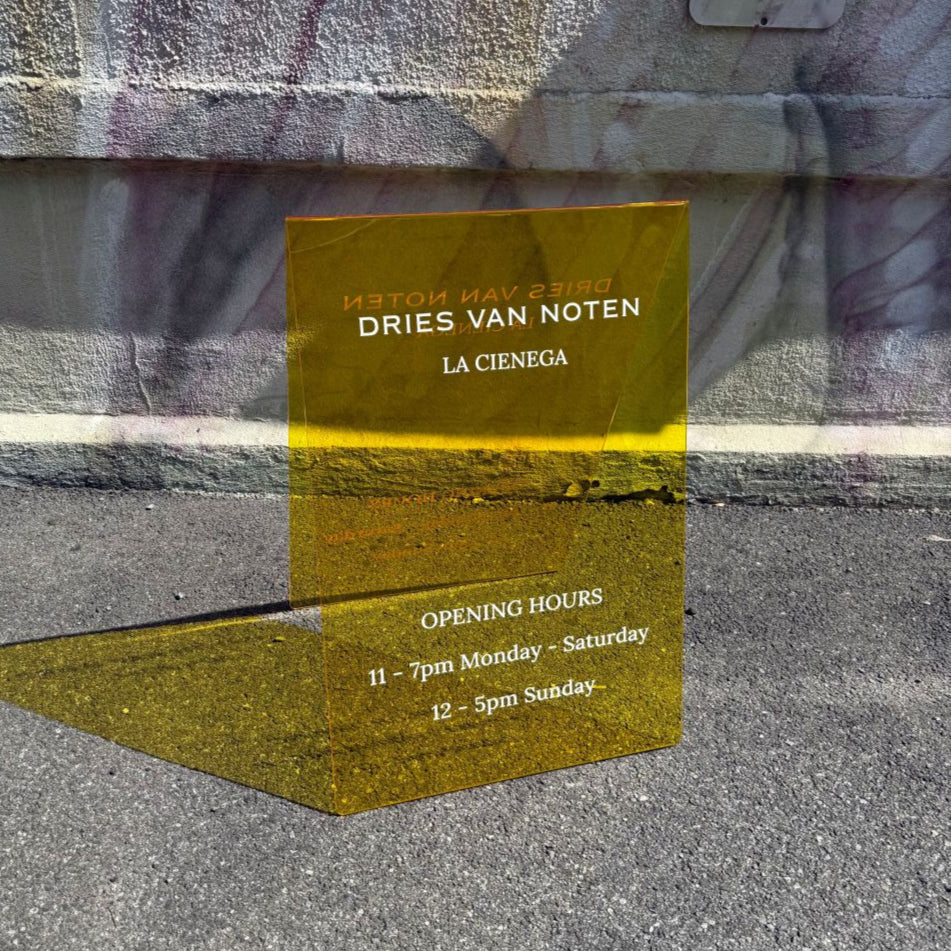
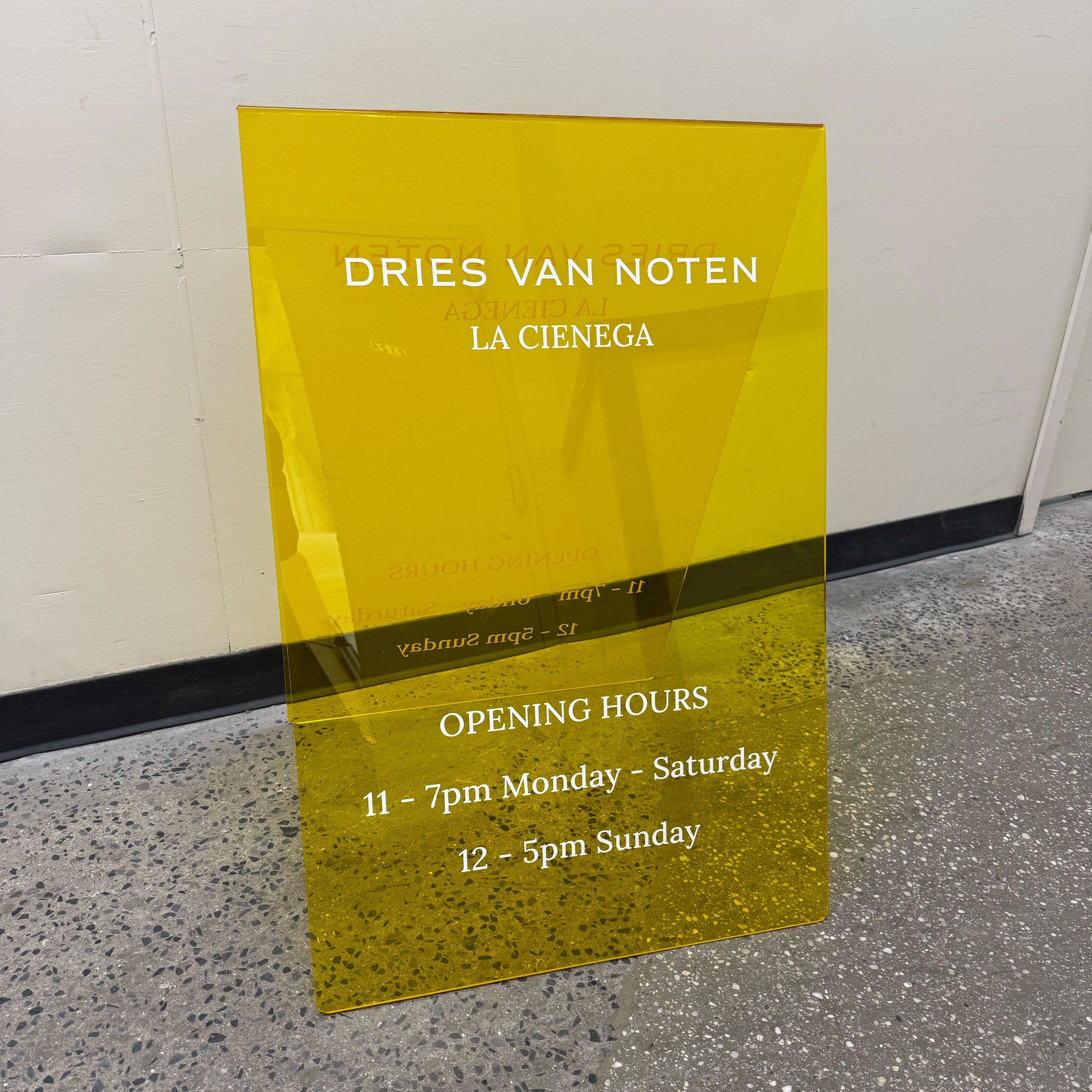
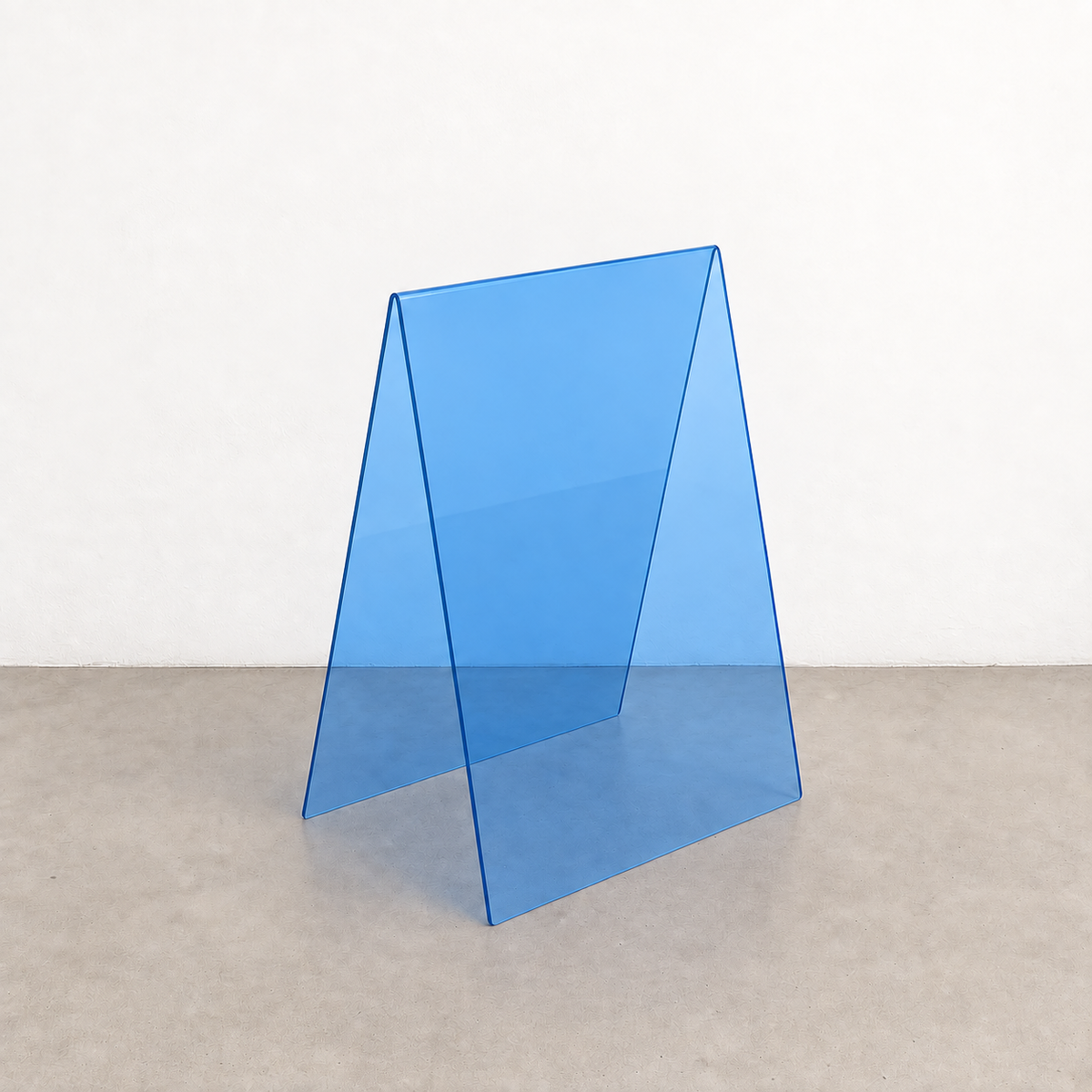
The #009 - Transparent Acrylic A-Frame Sidewalk Sign is made from a single sheet of acrylic, making it lighter than stainless steel options. It’s typically used in calmer outdoor settings or indoors where weight and transparency matter more than wind resistance.
- Lightweight acrylic construction
- Glossy finish with color options
- Designed for low wind environments
- Often used in modern or minimal interiors

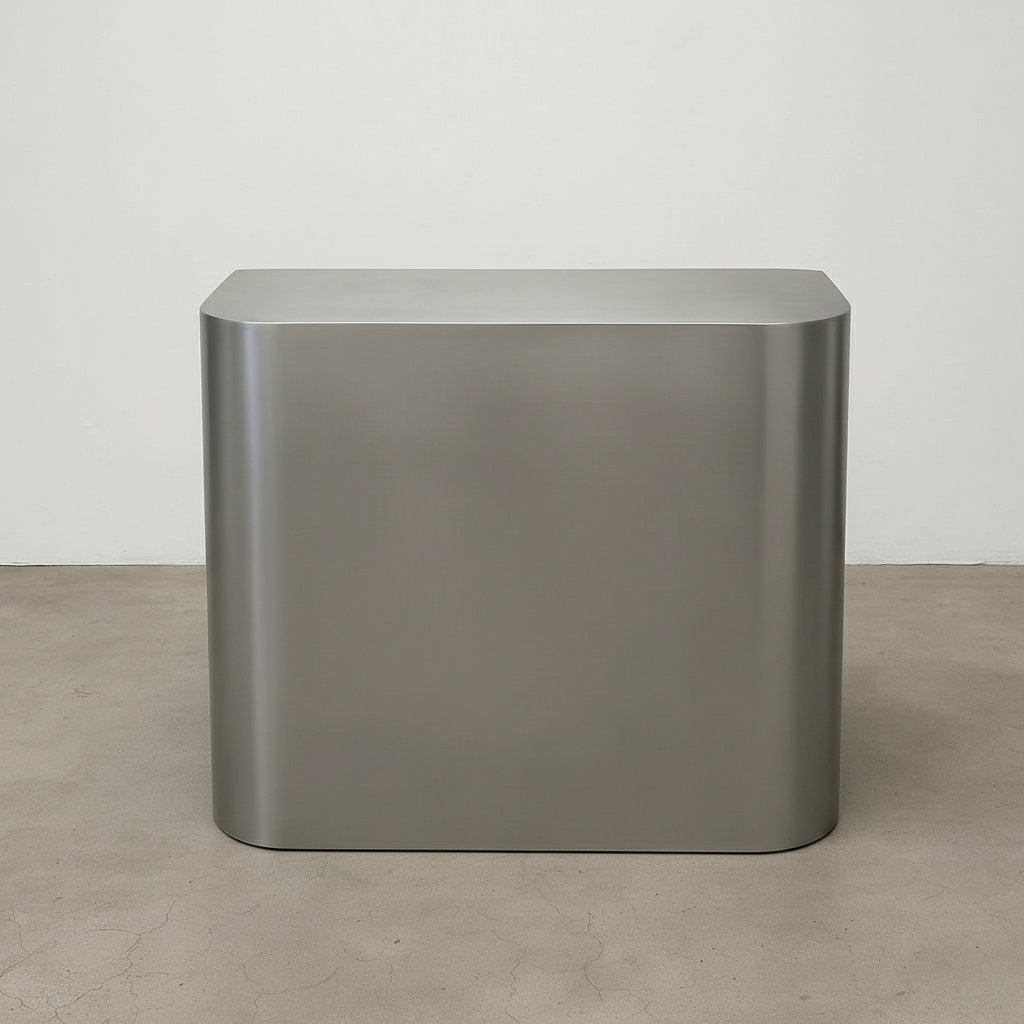
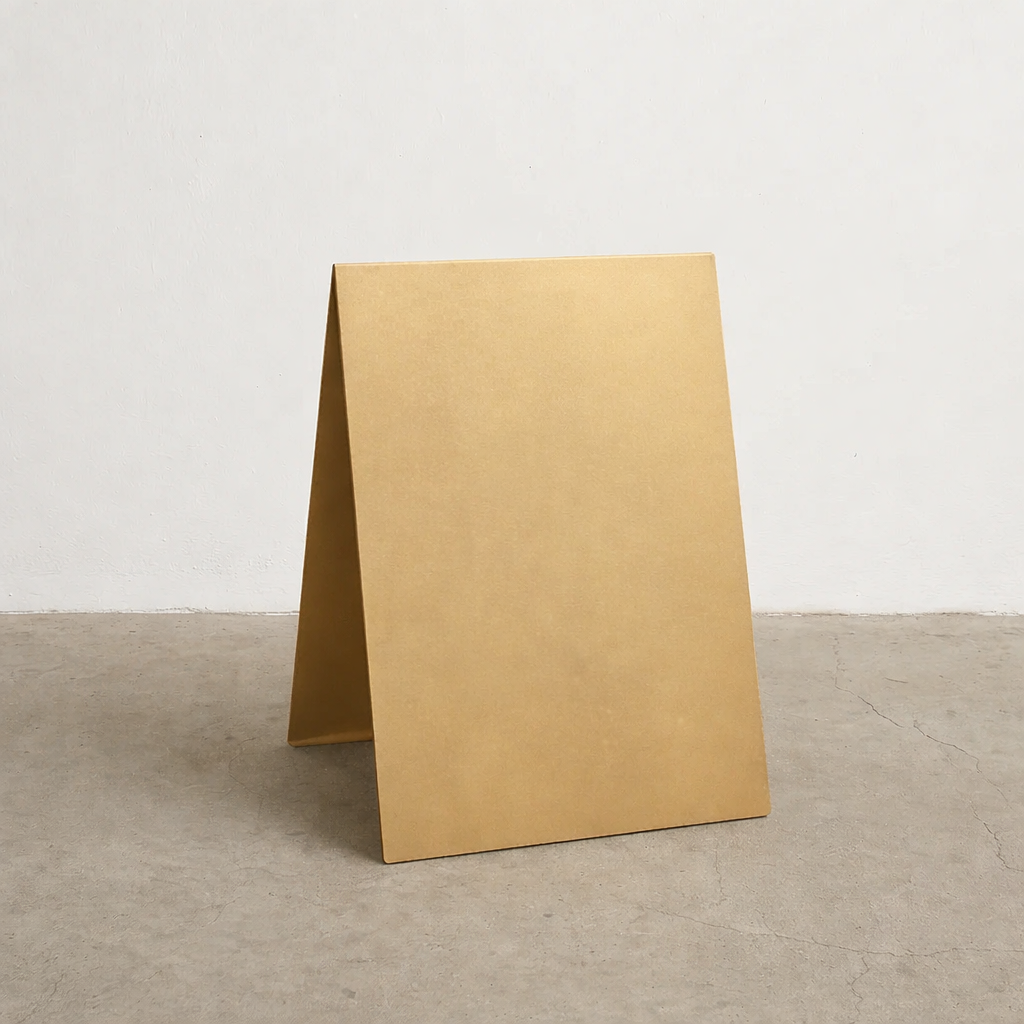
8. Rounded Cream Stainless Steel Standing Sign
The #014 - Rounded Cream Stainless Steel Standing Sign is a freestanding stainless steel option with softened edges and a powder-coated cream finish. It’s designed for spaces that need a lighter visual presence while still relying on a solid, stable structure.
- Stainless steel construction with powder coat finish
- Lightweight enough to reposition easily indoors or outdoors
- Designed for sidewalk placement in low wind conditions
- Supports blank or custom printed displays
Top Restaurant Flooring Options
1. Strand Woven Bamboo
Strand woven bamboo is designed to be stronger than traditional hardwoods, making it a solid choice for restaurants that need resilient flooring. The manufacturing process compresses strands of bamboo into dense, durable planks that are finished with protective lacquers.
It also checks some boxes in terms of sustainability and design flexibility. Bamboo is a renewable material, and strand woven options come in different colors, textures, and formats like plank or parquet block. The installation method usually involves adhesives or secret nails, which keeps the floor firmly in place and able to handle wear in busy environments like restaurant lobbies, hallways, or seating zones.
Key Highlights:
- Available in various finishes, colors, and formats
- Compatible with underfloor heating
- Sustainable material with a modern wood look
Who It’s Best For:
- Restaurants looking for an eco-friendly flooring option
- Small to mid-size dining areas with moderate to heavy foot traffic
- Venues balancing aesthetic with environmental values
2. Polished Concrete
Polished concrete is one of the most utilitarian options for restaurants, especially those that expect a lot of foot traffic and need a floor that holds up without constant repair. The polishing process uses heavy-duty grinders and chemical hardeners to create a smooth, compact surface that resists wear, stains, and moisture.
Function aside, polished concrete also fits a range of design themes. Whether a restaurant is going for rustic, modern, or industrial, there are finish options like cream, stone-exposed aggregate, or high-gloss. It reflects light well, which can help brighten darker spaces naturally. Importantly, it’s not as slippery as people assume - mechanically polished concrete offers good traction even in wet conditions.
Key Highlights:
- High durability for heavy foot traffic and daily use
- Reflects light and supports modern or industrial designs
- Slip-resistant despite its glossy appearance
- Uses the existing concrete slab, reducing material waste
Who It’s Best For:
- High-volume restaurants, breweries, and food halls
- Businesses needing long-lasting, easy-to-clean flooring
- Venues with industrial or modern interior design
- Locations where hygiene and durability are top priorities

3. Restaurant Tile Flooring
Tile flooring remains one of the more practical options for restaurants that need a reliable, adaptable surface in both front and back-of-house areas. Depending on the type used - porcelain, ceramic, or cement - tiles can offer a solid mix of water resistance, easy cleanup, and visual flexibility.
There’s also a wide design range to work with: some setups go minimalist with cement tones, others go full pattern with mosaic or stone-look tile. Maintenance is straightforward, though grout lines can require regular attention. For higher-end venues, natural stone tiles (like marble or slate) can bring in a more premium look, though they come with slightly more upkeep.
Key Highlights:
- Withstands spills, heavy foot traffic, and daily cleaning
- Wide range of finishes: stone, cement, marble, wood-look
- Anti-slip options available for kitchens and bathrooms
- Can be replaced in sections if damaged
- Compatible with both casual and upscale interiors
Who It’s Best For:
- Kitchens and food prep areas where water and grease are common
- Dining rooms that need visual design flexibility
- Businesses that prioritize hygiene and slip resistance
- Venues that want the option to combine flooring and wall tiles
4. Cork Flooring
Cork offers a softer and quieter alternative for restaurants where comfort and warmth are a priority. It has a naturally cushioned surface that makes long hours on foot more bearable, especially in spots like counter service areas or behind the bar. It also dampens sound, which can help tone down noisy dining environments.
That said, cork does need more maintenance than harder flooring materials. It should be properly sealed to avoid water damage and can dent from furniture or heavy appliances. Resealing is recommended every 2-5 years in commercial settings (depending on traffic and wear) to maintain moisture resistance and finish. While not waterproof, it's reasonably resistant to mold and mildew. Restaurants using cork often pair it with mats in high-risk areas to extend its lifespan.
Key Highlights:
- Naturally soft and quiet underfoot
- Eco-friendly and renewable material
- Offers some resistance to mold and bacteria
- Slip-resistant when sealed correctly
- Available in wood-look and modern finishes
Who It’s Best For:
- Cafés or restaurants prioritizing comfort and noise control
- Businesses with a strong sustainability focus
- Smaller dining rooms or specialty spaces with moderate traffic
- Owners willing to commit to regular sealing and basic care
- Venues aiming for a warm, homey atmosphere

5. Commercial Hardwood
Engineered hardwood flooring is often used in restaurants looking for a balance between natural aesthetics and commercial-grade durability. Compared to solid wood, these products are designed with layered construction and thicker wear layers, making them more stable under high traffic and varied conditions.
In dining rooms and lounges where visual impact matters, hardwood brings a sense of warmth and timelessness that many other materials don’t. It works best in areas that are insulated from direct water exposure or kitchen spills, though some products are sealed tightly enough for broader use. The color and pattern variety makes it easy to match the overall interior design.
Key Highlights:
- Engineered for improved stability in commercial use
- Offers natural texture and a range of color/finish options
- Durable wear layers hold up to moderate foot traffic
- Can be refinished over time to maintain appearance
- Visually adds warmth and a high-end finish
Who It’s Best For:
- Dining rooms in upscale or boutique restaurants
- Venues looking for natural, tactile materials
- Spaces without heavy moisture or spill exposure
- Operators who can invest in routine maintenance
6. Epoxy Flooring
Epoxy flooring is often chosen for commercial kitchens because it holds up under pressure - both literally and figuratively. It’s a seamless surface, which means fewer places for spills, food bits, or bacteria to get trapped. This makes cleanup faster and more thorough. In fast-moving kitchens, that counts. Epoxy also resists impact from dropped tools or pans, and it doesn’t mind grease or steam.
The main maintenance is just keeping it clean. Daily sweeping and mopping usually do the trick, and deeper cleaning once a month helps maintain its look. Installation takes a few days, especially in restaurants that need extra curing time to meet health codes.
Key Highlights:
- Seamless surface minimizes grime and bacteria buildup
- Resists stains, heat, grease, and water
- Slip-resistant options available
- Long-lasting with minimal maintenance
Who It’s Best For:
- Restaurants with high-volume kitchen operations
- Food service spaces that require strict hygiene standards
- Operators looking for a durable, low-maintenance floor
- Businesses prioritizing fast cleanup and safety
7. Laminate Flooring
Laminate flooring is used in some restaurant areas when a wood look is wanted without the upkeep of real timber. It’s often found in customer-facing spaces like dining rooms or reception zones rather than kitchens. Modern commercial laminate options are more durable than older versions, especially those in the AC5 range, which are designed for high-traffic settings.
The downside is that laminate isn’t ideal for areas with standing water or heavy spills. That said, in dry zones or controlled environments, it’s a solid choice. Installation is quick, and repairs aren’t too complicated if a plank gets damaged.
Key Highlights:
- Realistic wood and tile visuals with a lower price tag
- Scratch-resistant surface suited for guest areas
- Easy to install and replace individual planks
- Works well in controlled, dry environments
- Multiple thickness and finish options available
Who It’s Best For:
- Cafés or quick-service spots with low moisture exposure
- Businesses needing fast installation or renovation
- Restaurants with zones that don’t see spills or grease
- Spaces looking for a wood-like finish without the upkeep
8. Luxury Vinyl Tile (LVT)
Luxury Vinyl Tile (LVT) is a practical flooring choice for restaurants that want something that looks like wood or stone but is easier to manage. It’s built with multiple layers, which makes it more stable and comfortable underfoot than basic vinyl. Many LVT options are waterproof and come with a protective wear layer that resists stains, scratches, and heavy use.
It’s commonly used in both front and back-of-house areas, depending on the product line. LVT with a thicker wear layer is better for dining areas that get a lot of traffic or furniture movement. It's also a go-to in restrooms and entryways. Maintenance is simple - routine cleaning and occasional polishing keep it looking decent.
Key Highlights:
- Waterproof and scratch-resistant surface
- Looks like wood or stone but easier to clean
- Available in floating or glue-down formats
- Works in both guest and utility areas
- Durable enough for heavy foot traffic and spills
Who It’s Best For:
- Restaurants needing both durability and design flexibility
- Dining spaces that want a wood or tile look with less upkeep
- High-traffic zones like lobbies, restrooms, or service corridors
- Businesses needing a floor that balances comfort and resilience
9. Commercial Anti-Fatigue Rubber Drainage Mat
They use rubber drainage mats like this mainly in back-of-house areas where water, grease, and long hours on foot are part of the routine. The open-hole design lets liquids pass through instead of pooling on the surface, which helps reduce slips around sinks, prep stations, and dishwashing zones.
Another reason these mats show up in restaurant kitchens is comfort. The rubber structure absorbs some of the pressure from standing all day, which matters for cooks and line staff who rarely leave their stations. Cleaning is simple - lift the mat, hose it down, and put it back. It is not meant to replace the main floor but to protect it and make daily work safer and easier.
Key Highlights:
- Rubber construction with open drainage holes
- Non-slip surface for wet or greasy conditions
- Reduces strain during long standing shifts
- Can be cut to fit different kitchen layouts
- Easy to clean with water
Who It’s Best For:
- Commercial kitchens and prep areas
- Dishwashing and sink zones
- Bars with frequent spills
- Staff workstations with long standing hours
- Restaurants needing extra slip protection in wet areas

10. Solid Timber Flooring
Solid timber flooring is often used in restaurant dining areas where appearance matters as much as function. It brings in a warm, natural tone that works well across a range of interior styles, from formal to casual. What makes it stand out for long-term use is its ability to be re-sanded and refinished multiple times.
That said, solid timber isn’t the easiest to install. It usually needs professional handling to get the cuts and spacing right. It's also not a great match for wet or spill-heavy areas like kitchens or bars, since water can warp the boards over time. Restaurants that go this route tend to view it as a long-term investment in visual consistency and surface quality.
Key Highlights:
- Can be re-sanded and refinished over time
- Adds natural warmth and visual texture to dining areas
- Doesn’t trap dust or allergens
- Durable under consistent use when properly maintained
- Compatible with multiple interior design styles
Who It’s Best For:
- Owners prioritizing aesthetics and long-term durability
- Spaces that want natural materials over synthetic flooring
- Venues with maintenance routines in place for wood care
- Restaurants designing for a high-end or classic interior feel
Conclusion
Picking the right flooring for a restaurant isn’t just about what looks good in photos or matches the furniture. It comes down to what actually works when the place fills up, the orders stack up, and the floor gets tested by real life - spills, noise, scrapes, and all. Some materials hold their shape better under pressure. Others just make the day-to-day easier, whether that's cleaning up or keeping staff on their feet for hours without complaint.
What ends up working best depends on the space. A fast-paced kitchen needs something different than a quiet wine bar or a café with sidewalk seating. But in all cases, the goal’s pretty simple: pick flooring that holds up, cleans fast, and doesn’t make you regret it in six months. And if it looks good while doing all that? Even better.