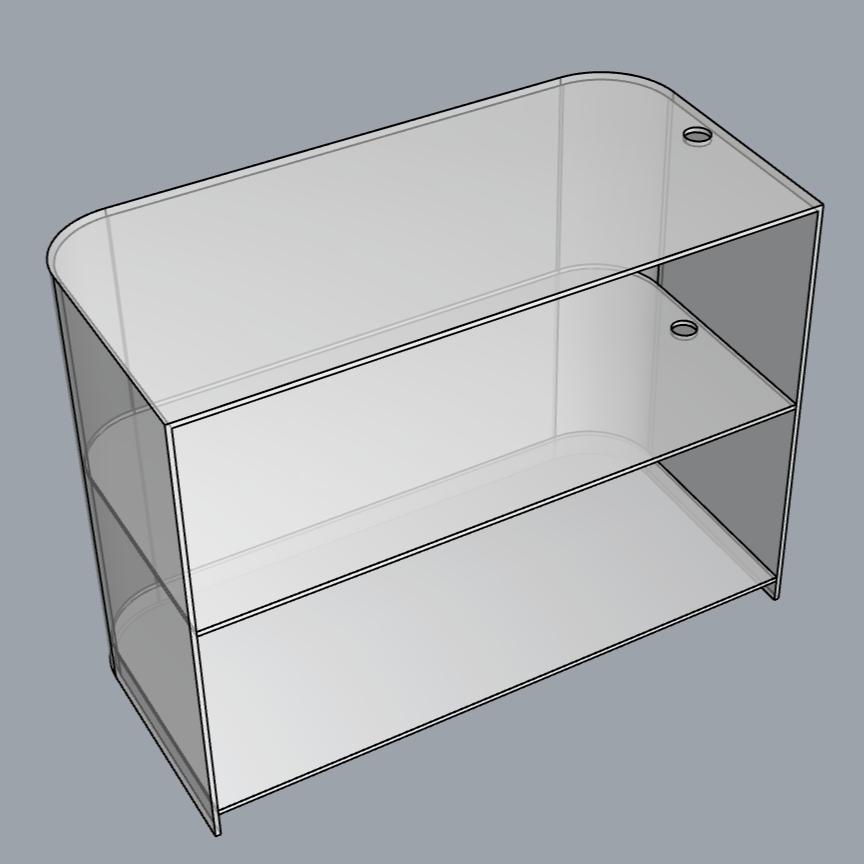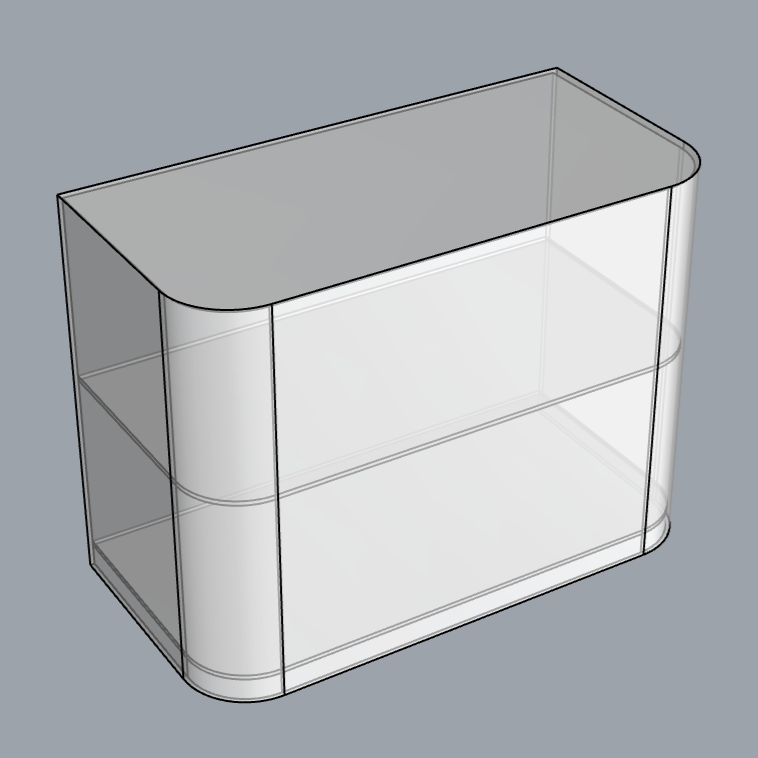


Running a good restaurant takes more than good food. These days, it’s about being findable, memorable, and worth coming back to. From the way your sidewalk sign looks to how you follow up after someone’s first visit, marketing is stitched into every part of the guest experience - often in ways they don’t even notice. Some strategies are simple. Some are creative. The best ones are both. Let’s get into it.
Why Restaurant Marketing Looks Different Today
The way people choose where to eat has changed. It’s no longer just about what’s on the plate - it’s about how the whole place feels before they even walk in. Most guests have already seen your space on Instagram, checked your reviews, maybe clicked through a few menu links before they book. Marketing isn’t a separate layer anymore. It’s woven into the experience itself.
That means things like your signage, your booking flow, your tone of voice online - they all carry weight. The first impression might come from a mirror selfie or a Google search, not your front door. If your branding feels off, if your site’s hard to use, if nothing about your space invites people to share it, they’ll scroll past. Today’s marketing is quiet, visual, and personal. It rewards clarity over noise, and connection over reach.

1. Increase Foot Traffic with a Mirror Sign That Stops People
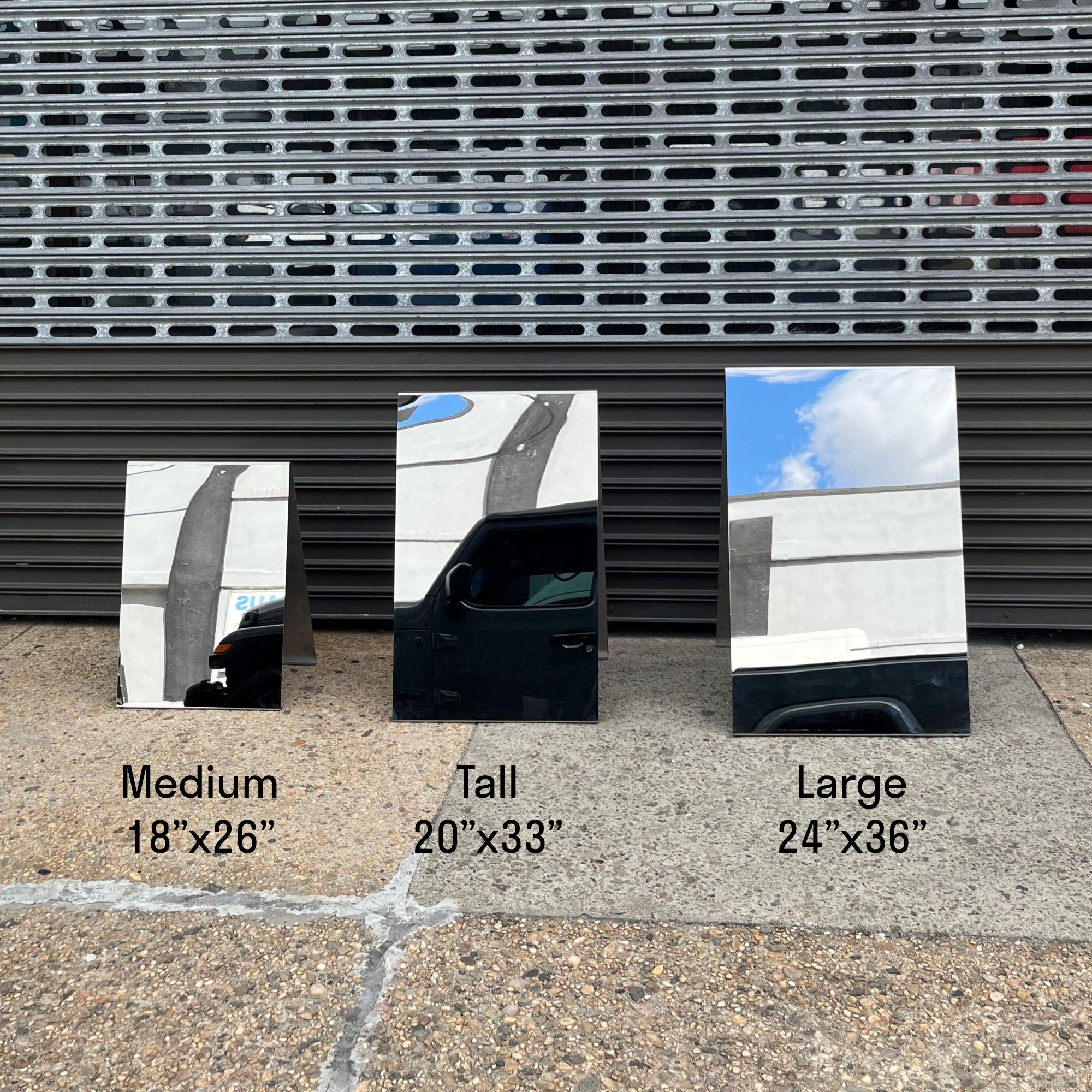
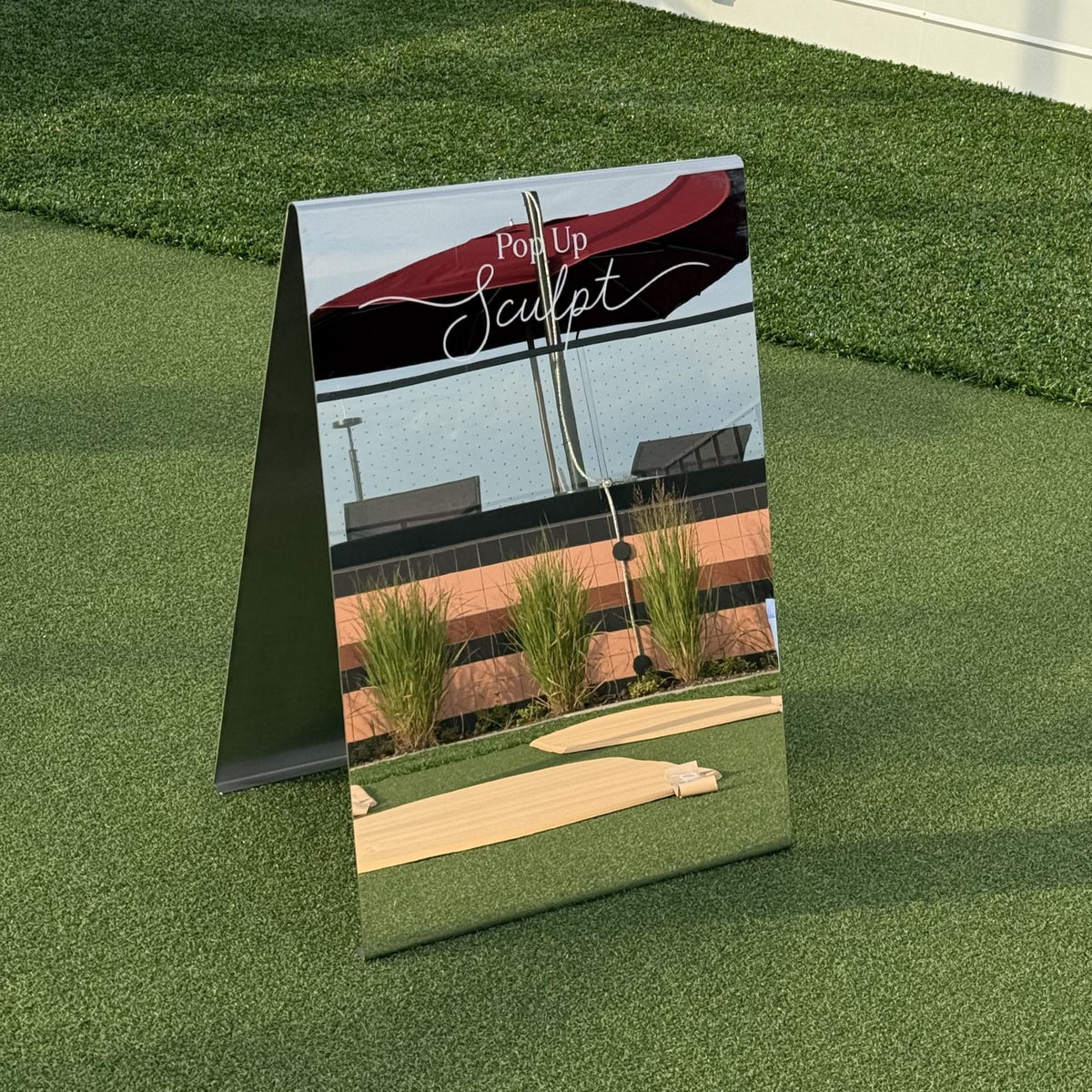
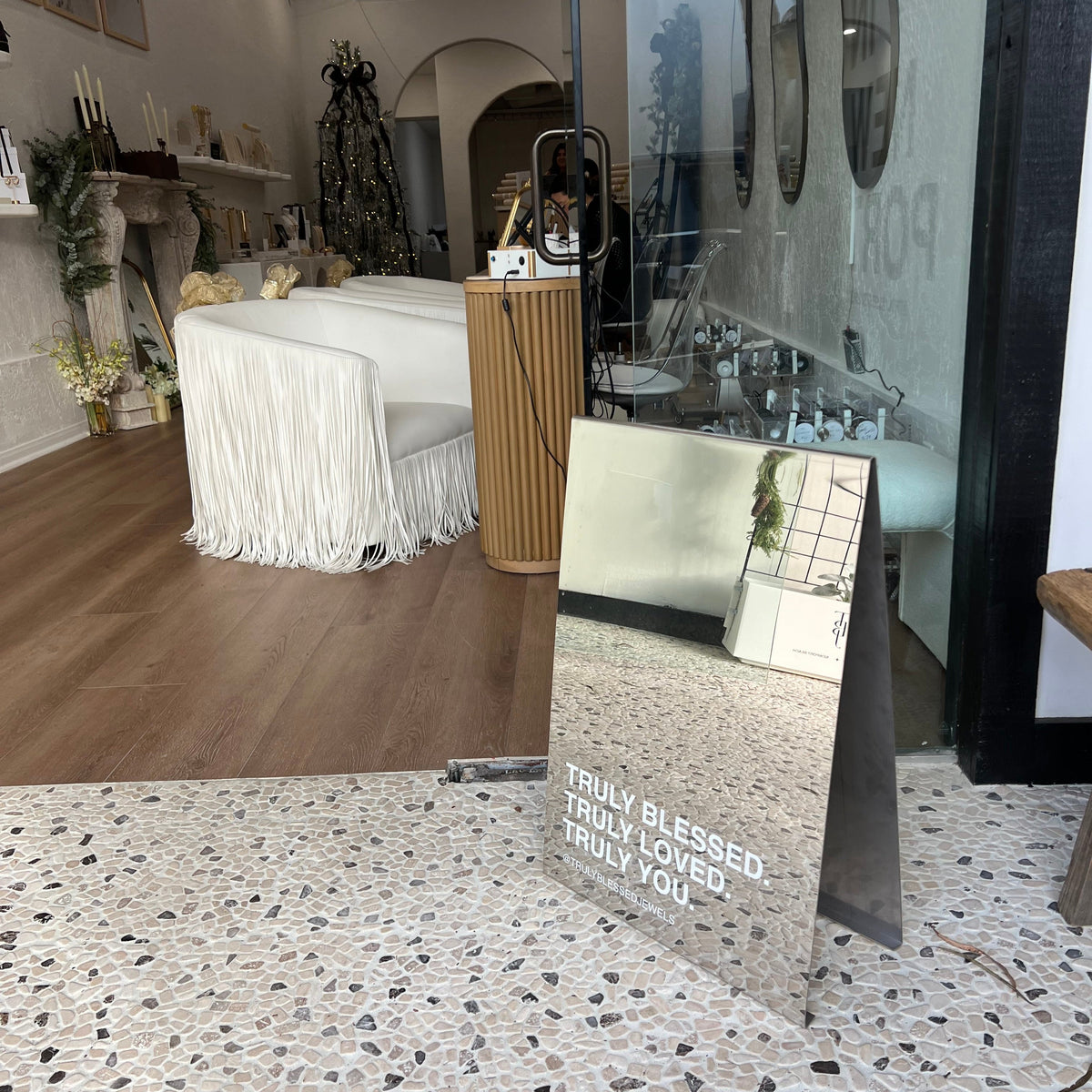
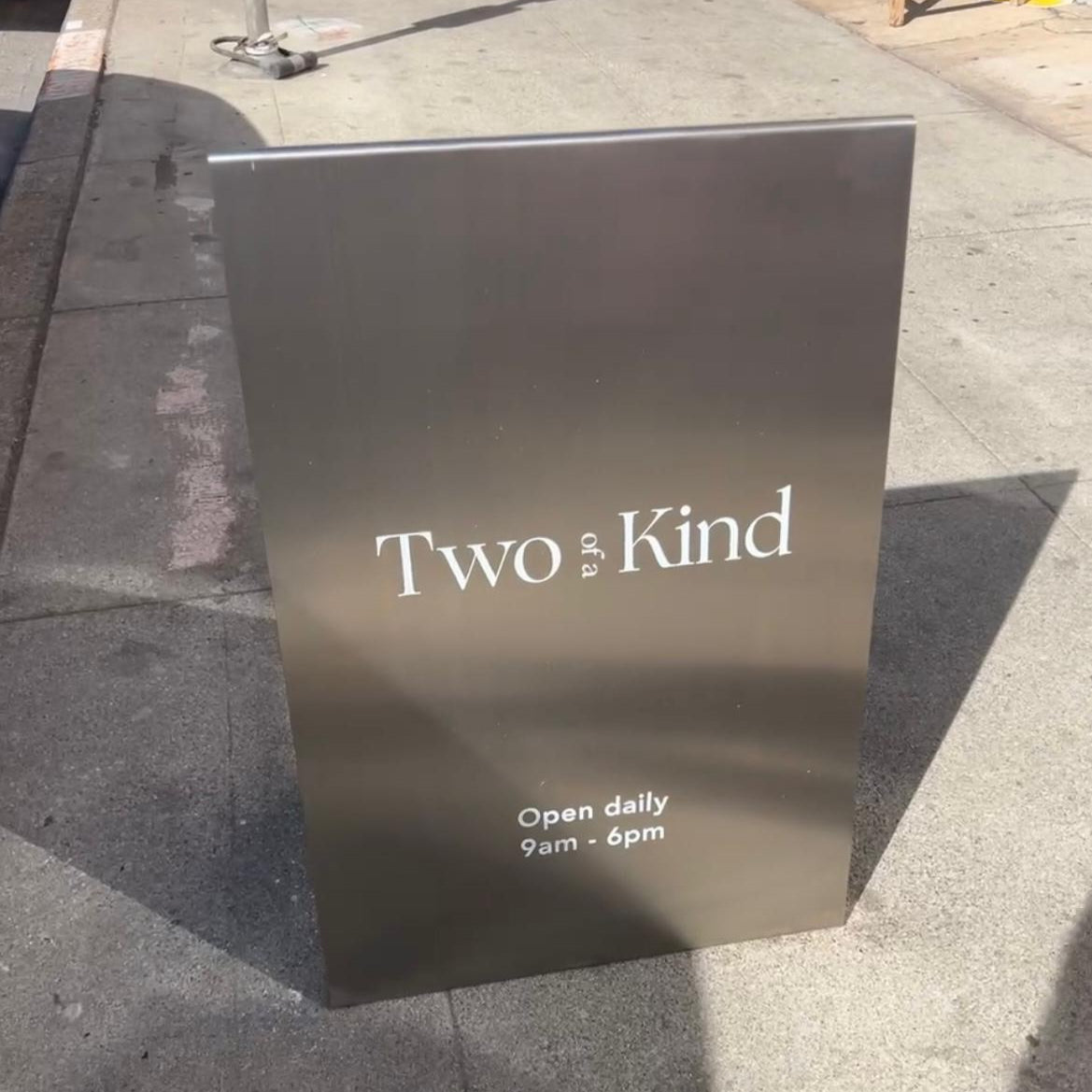
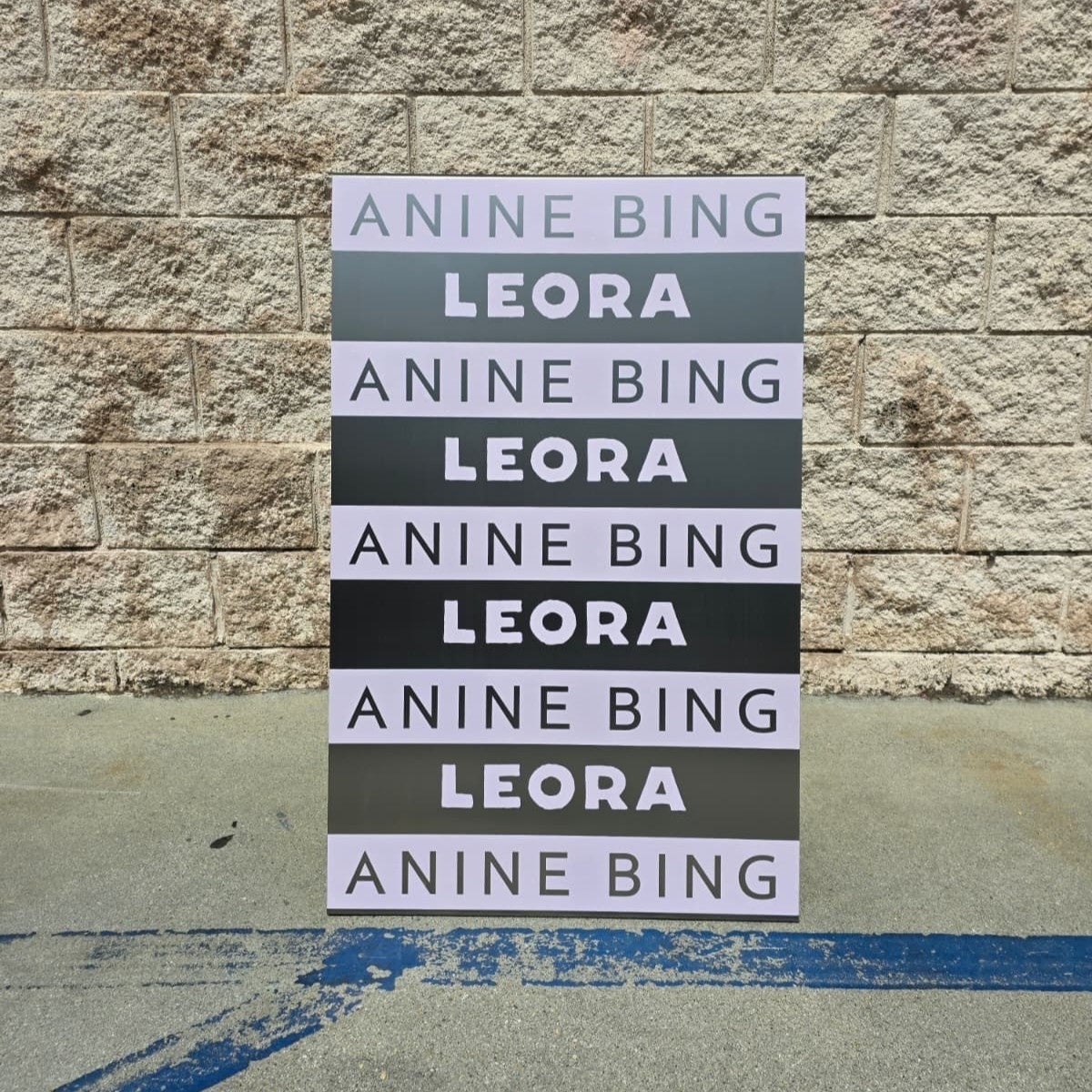
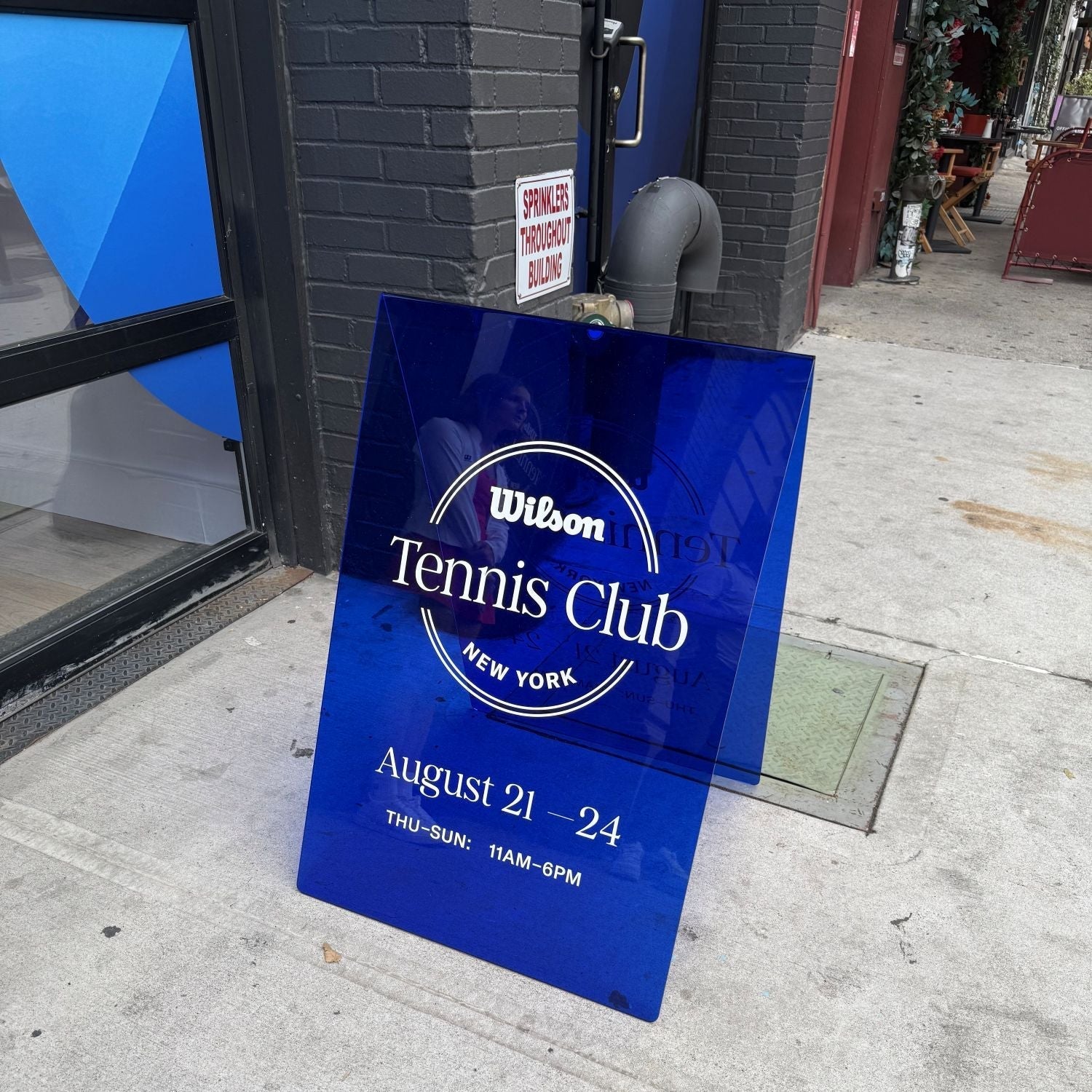
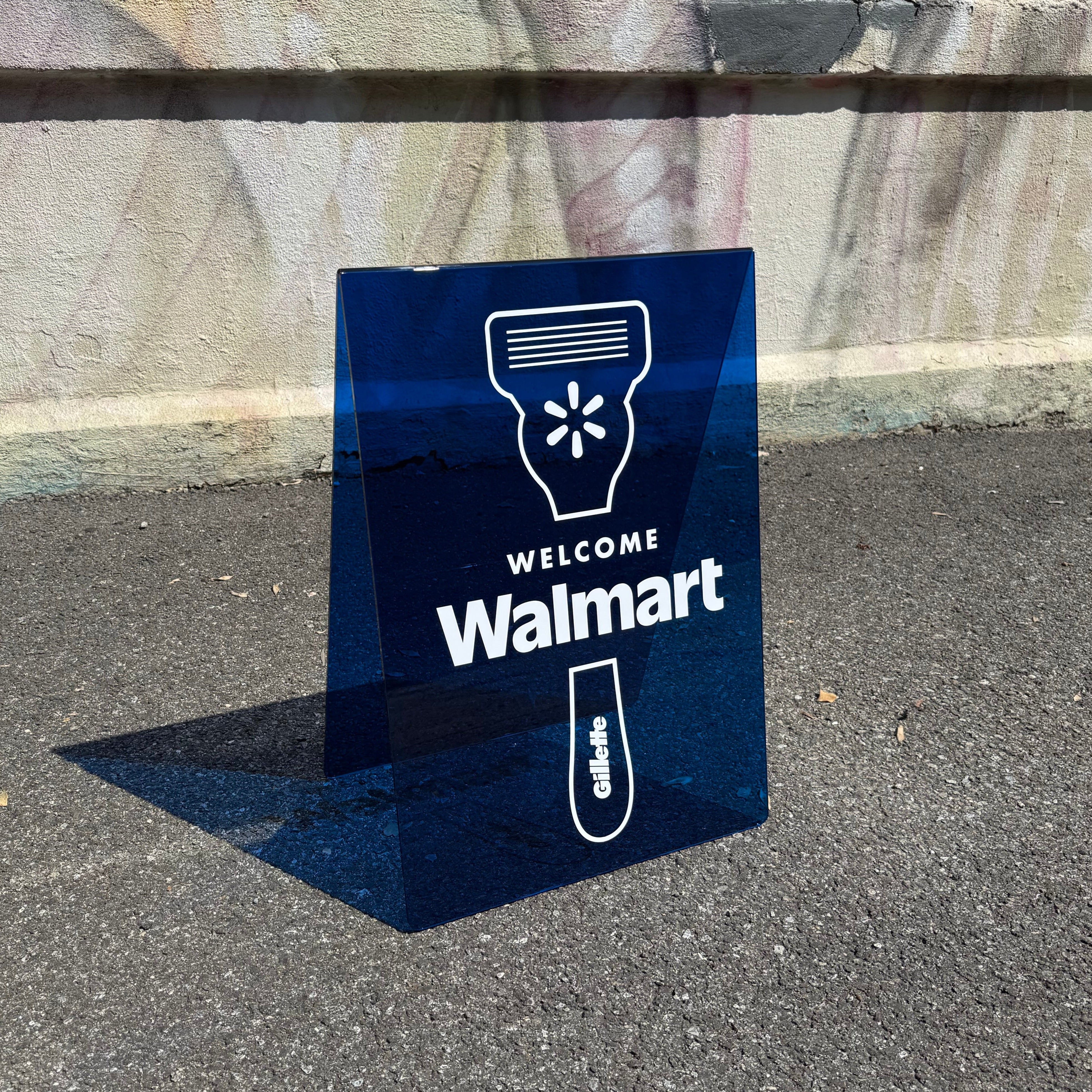
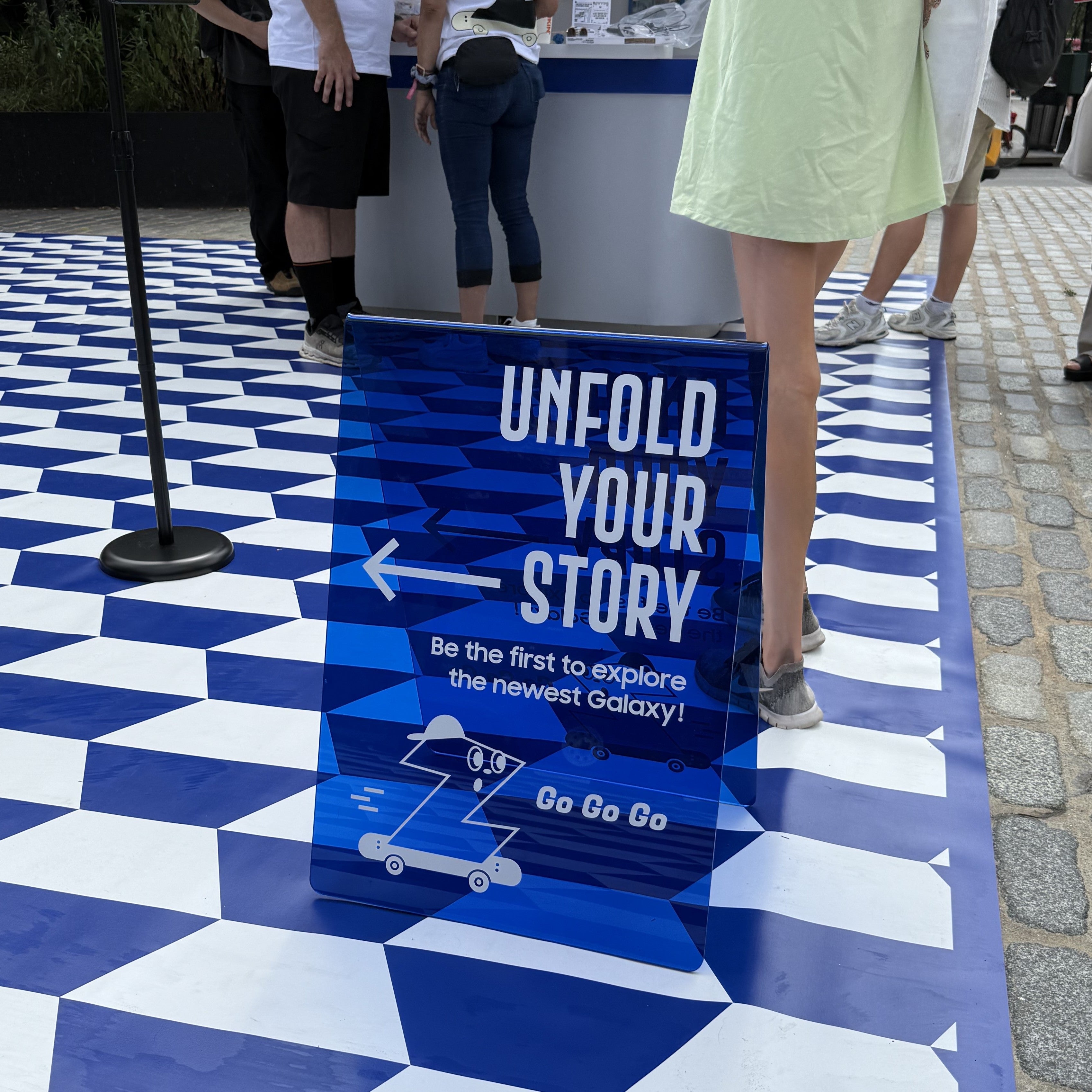
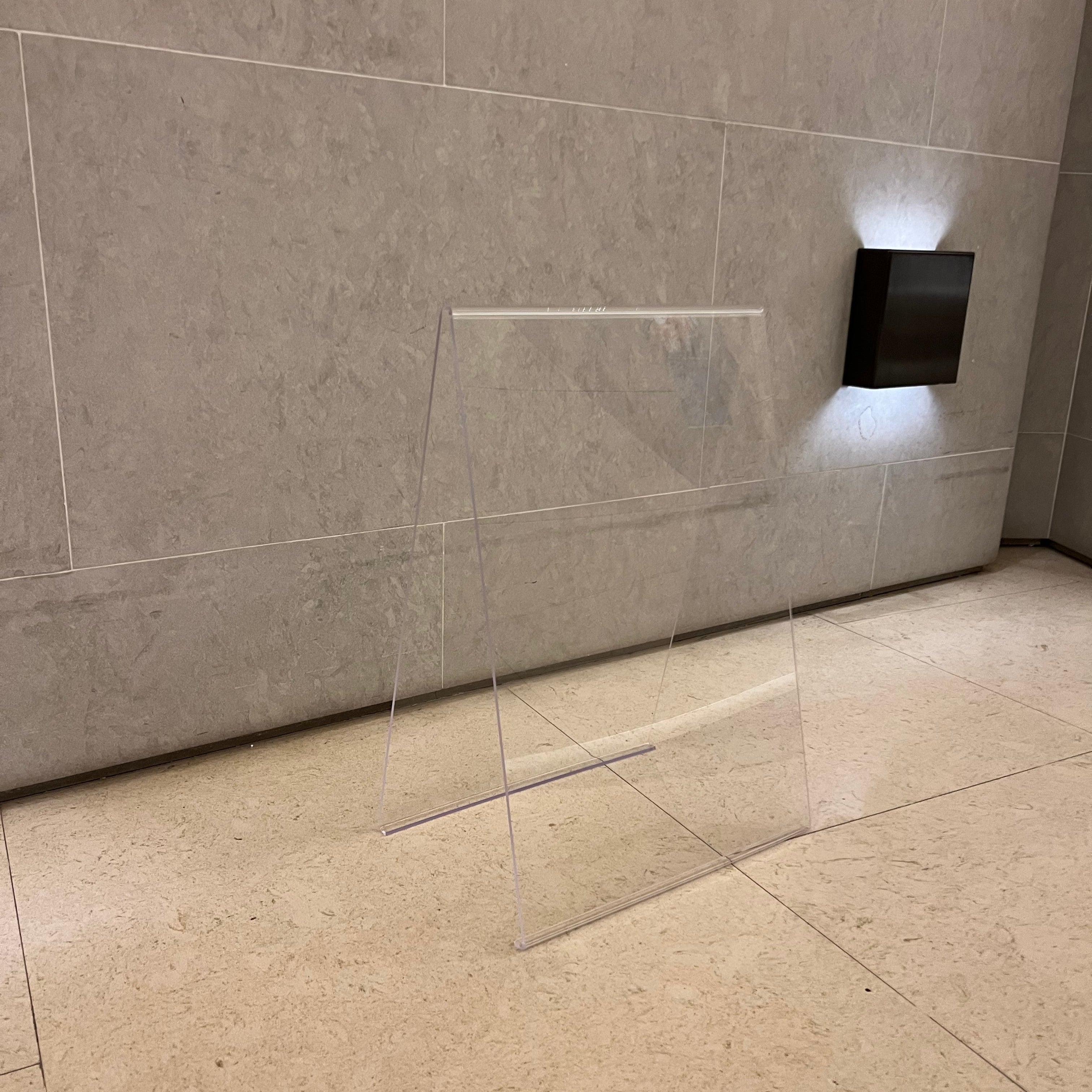
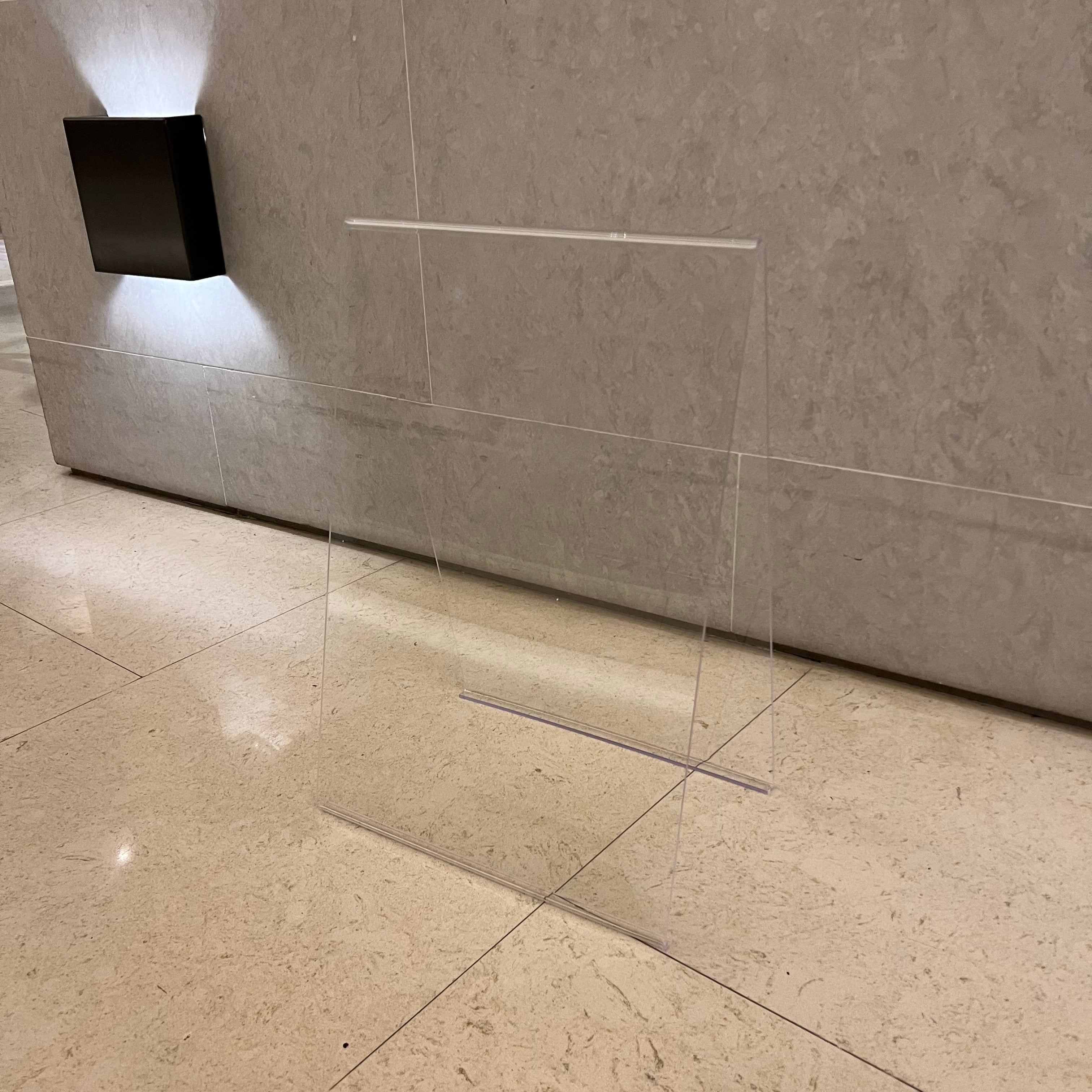
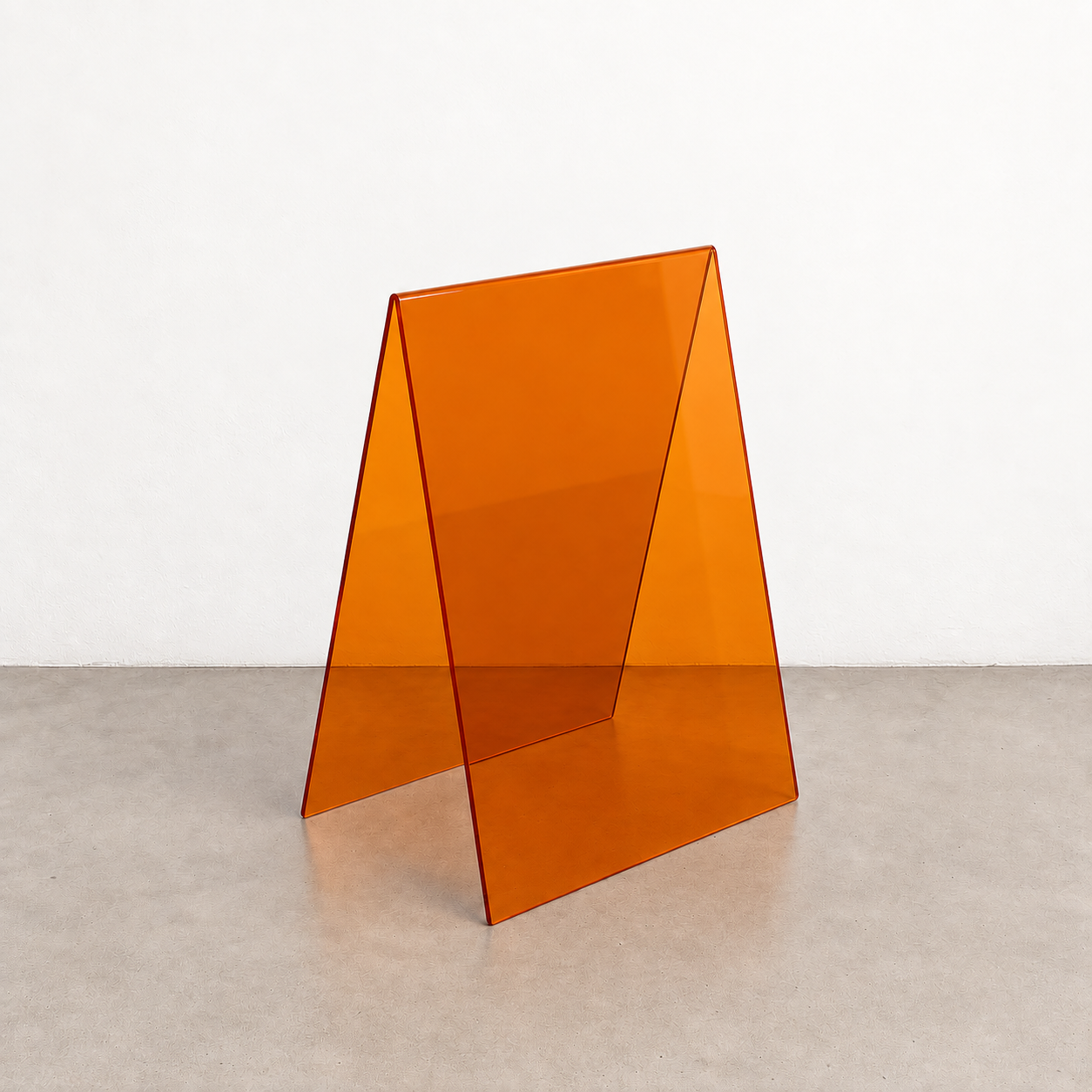
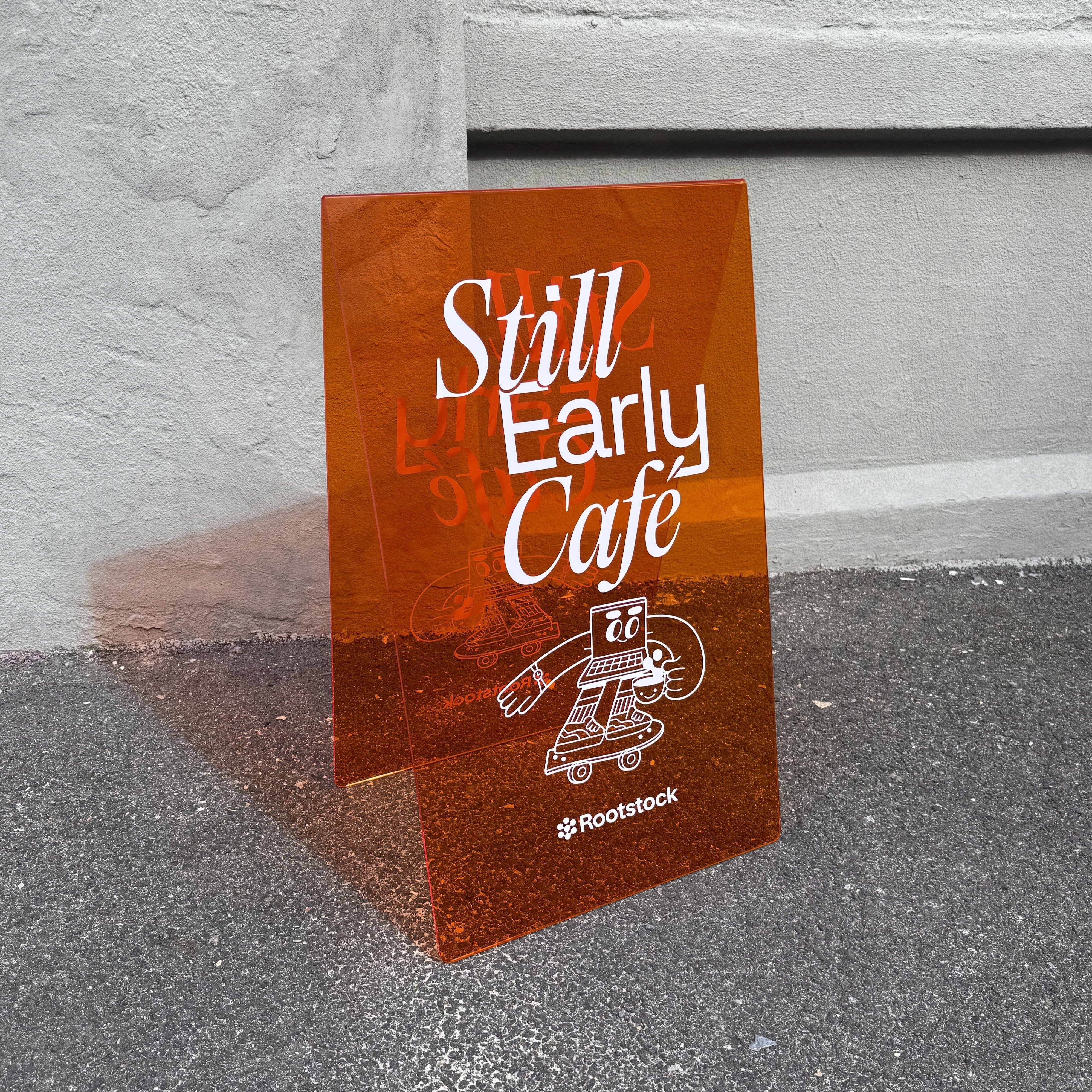
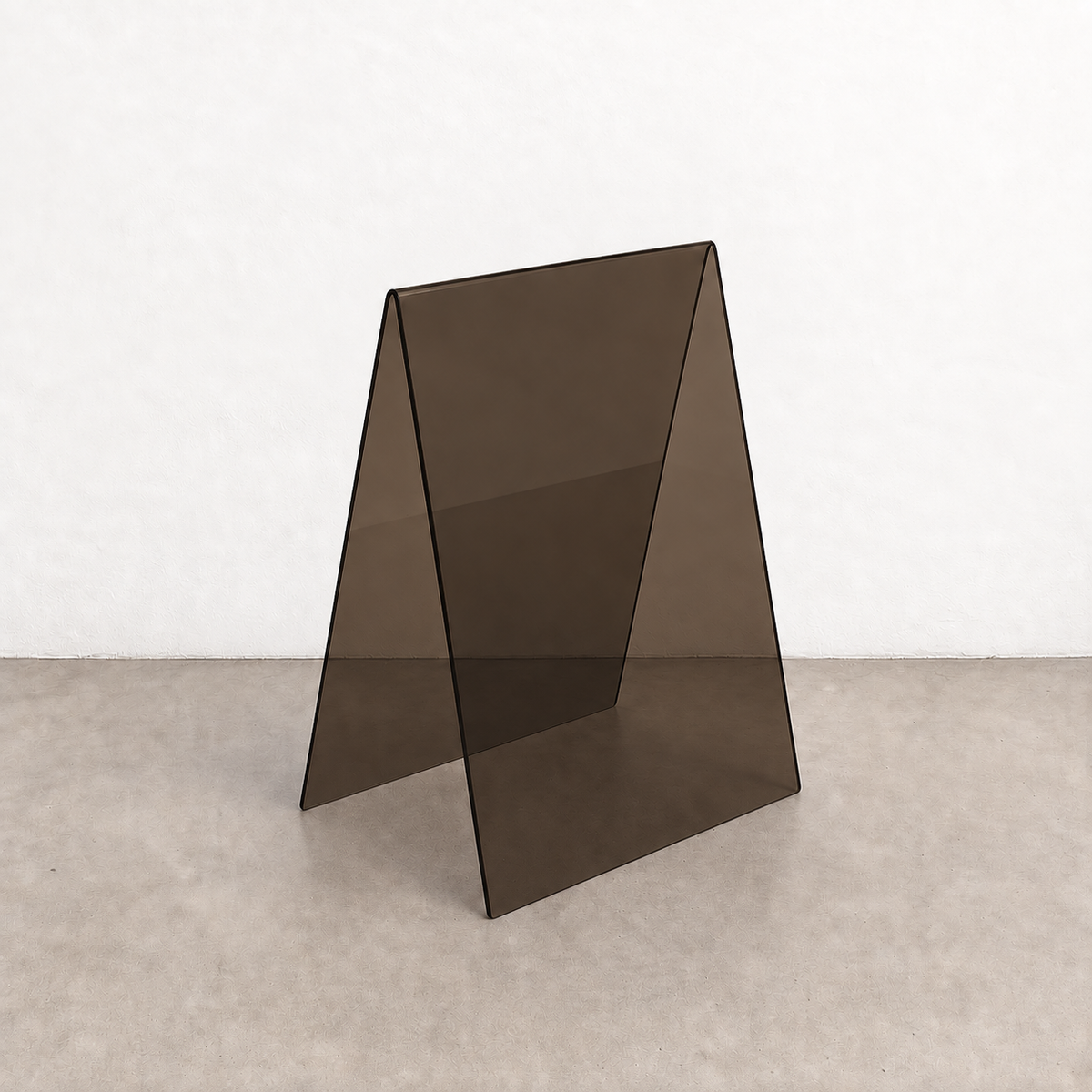
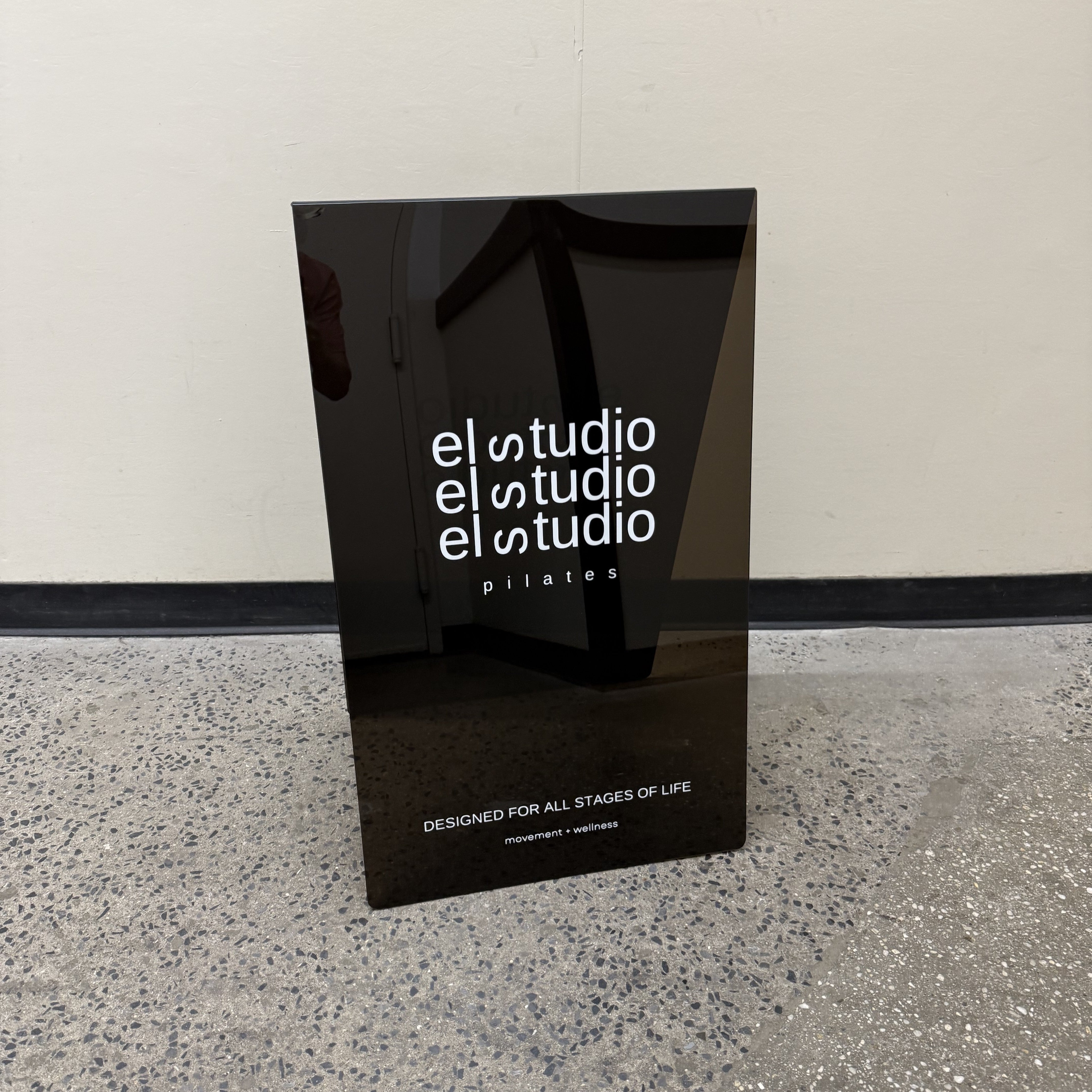
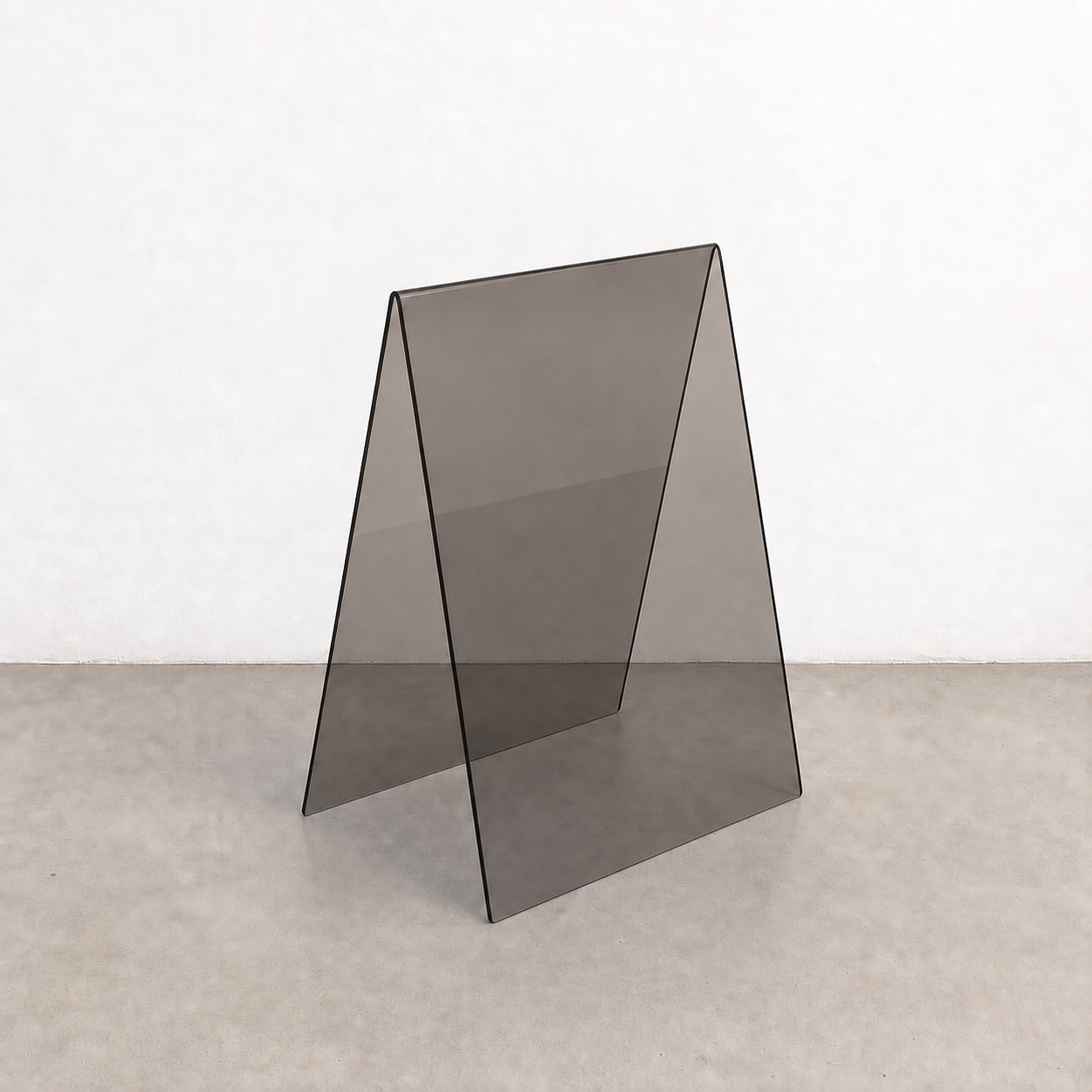
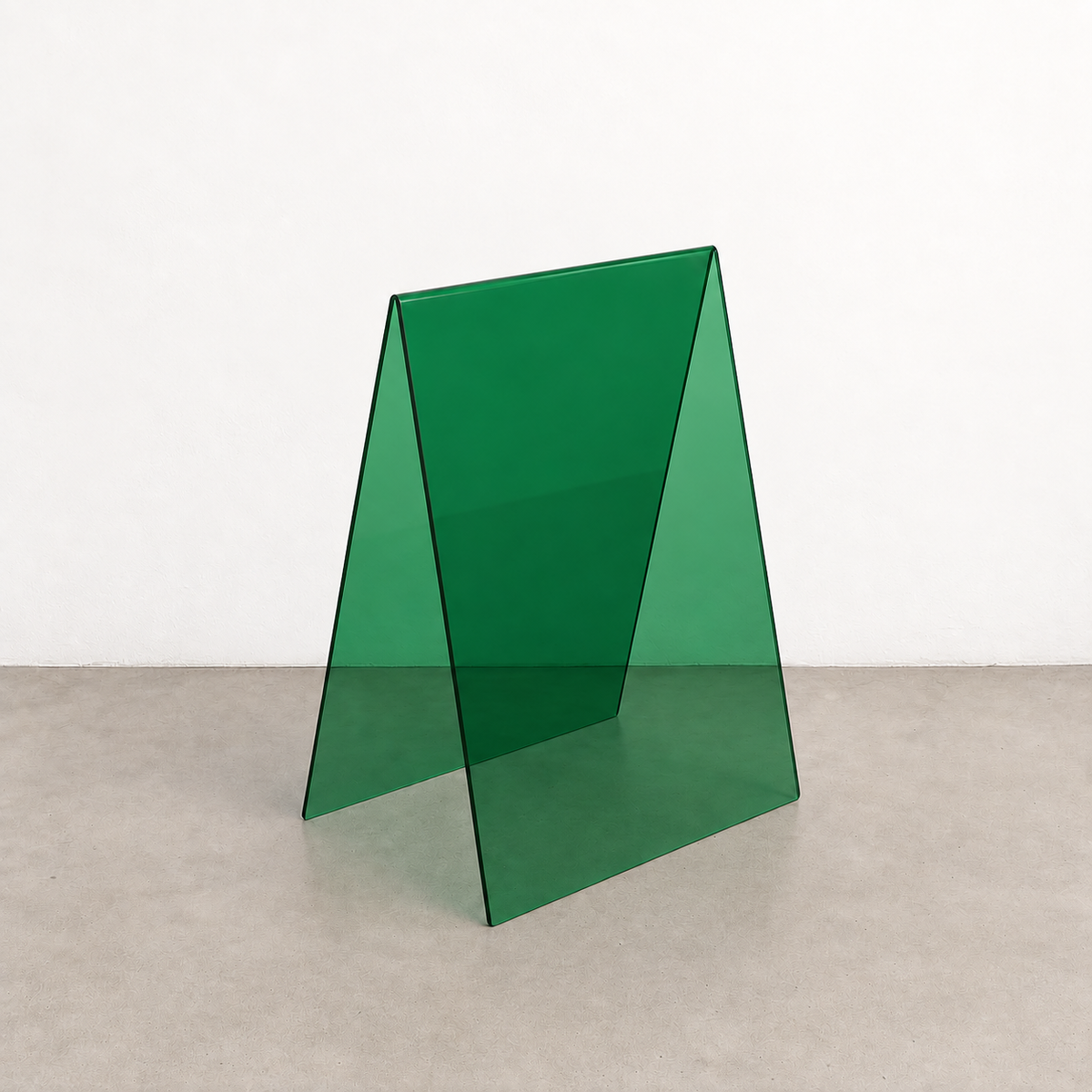
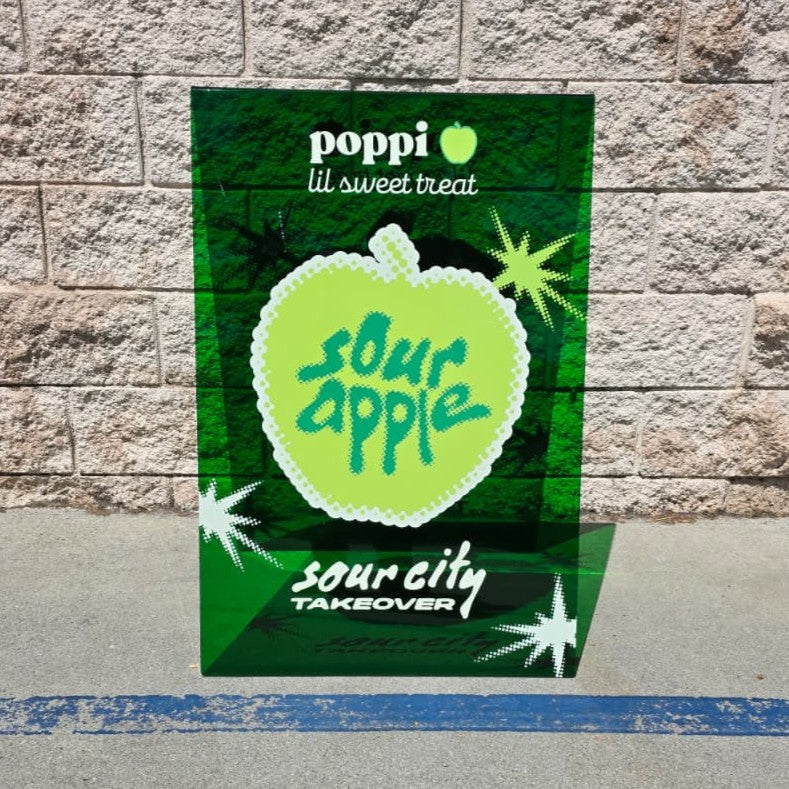
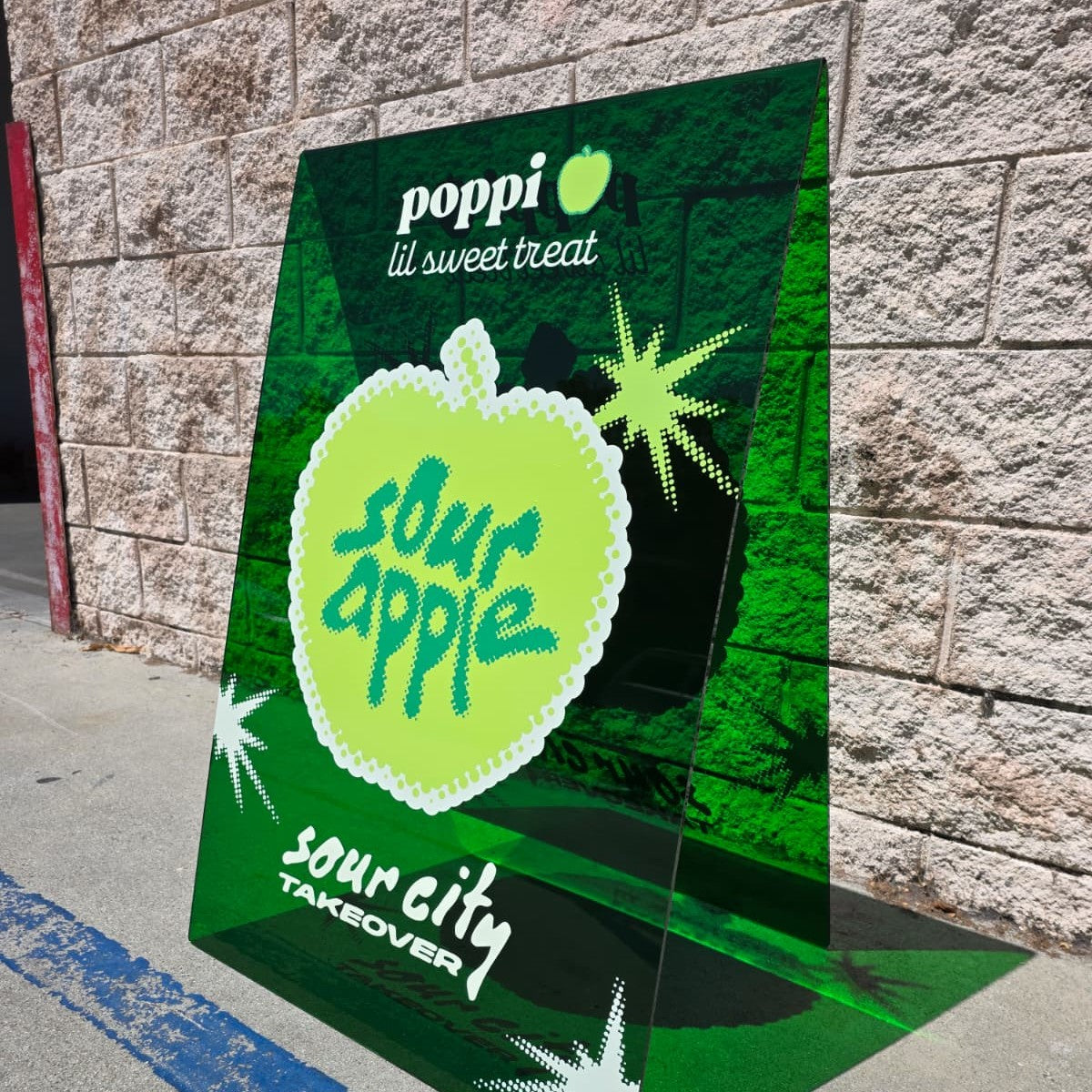
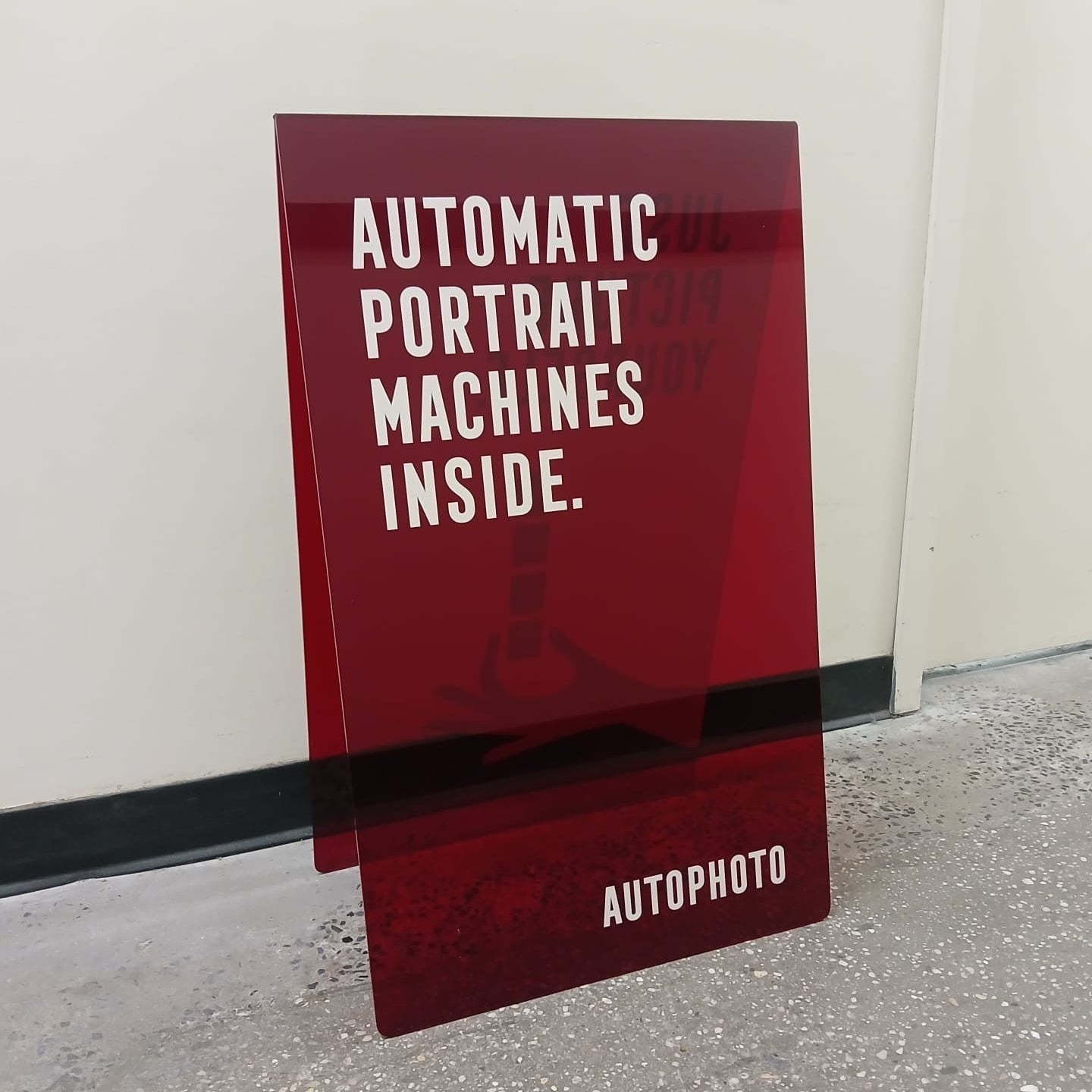
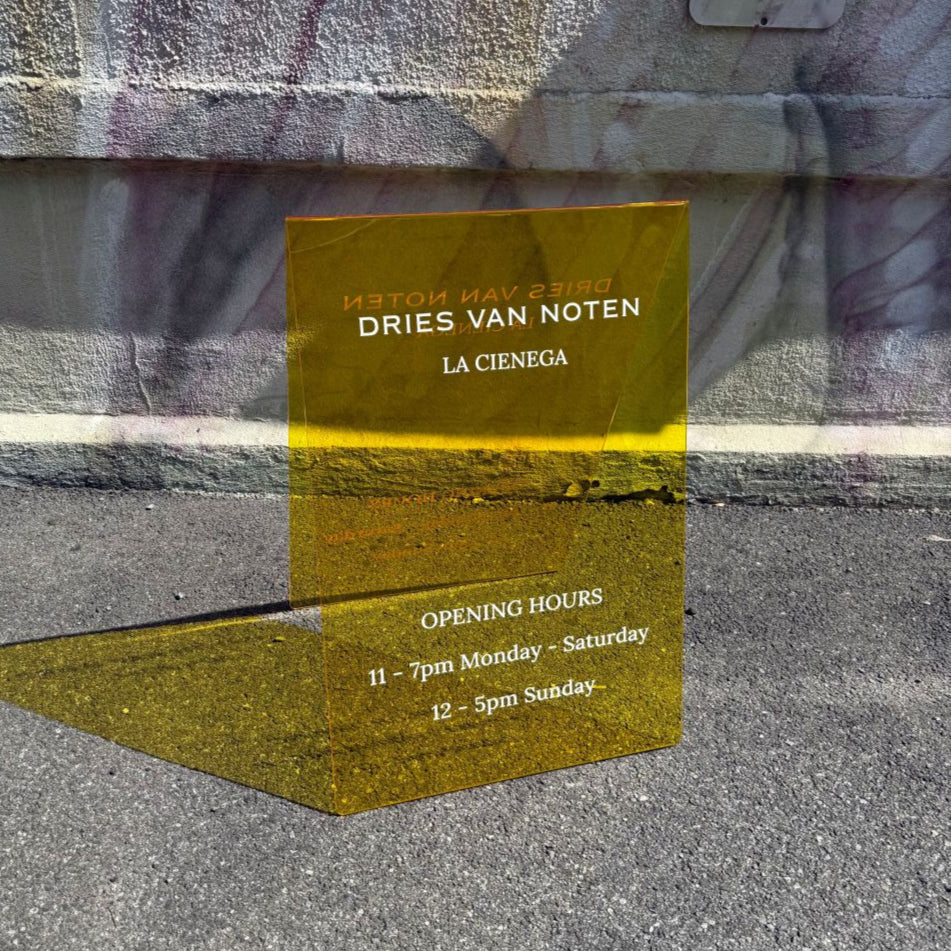
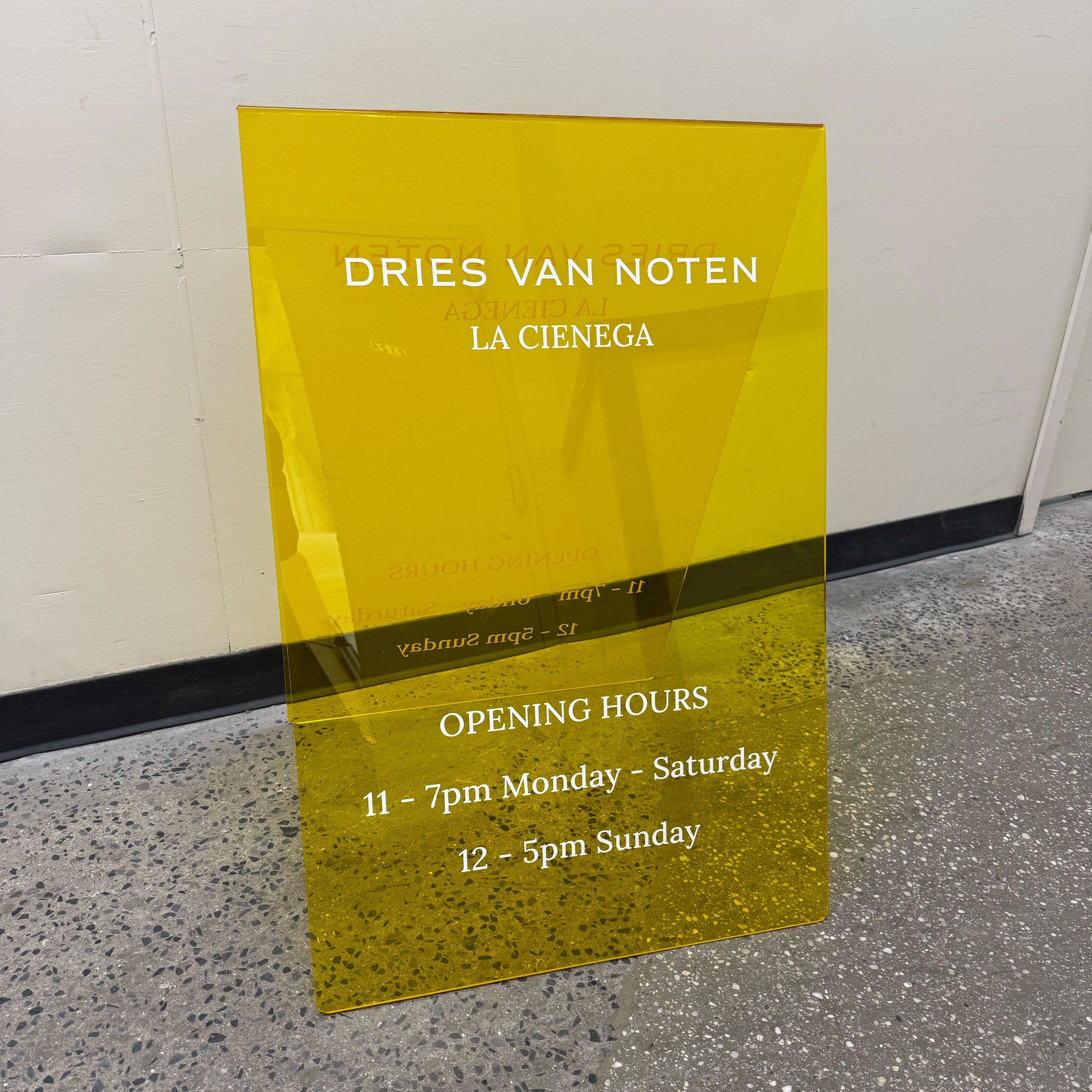
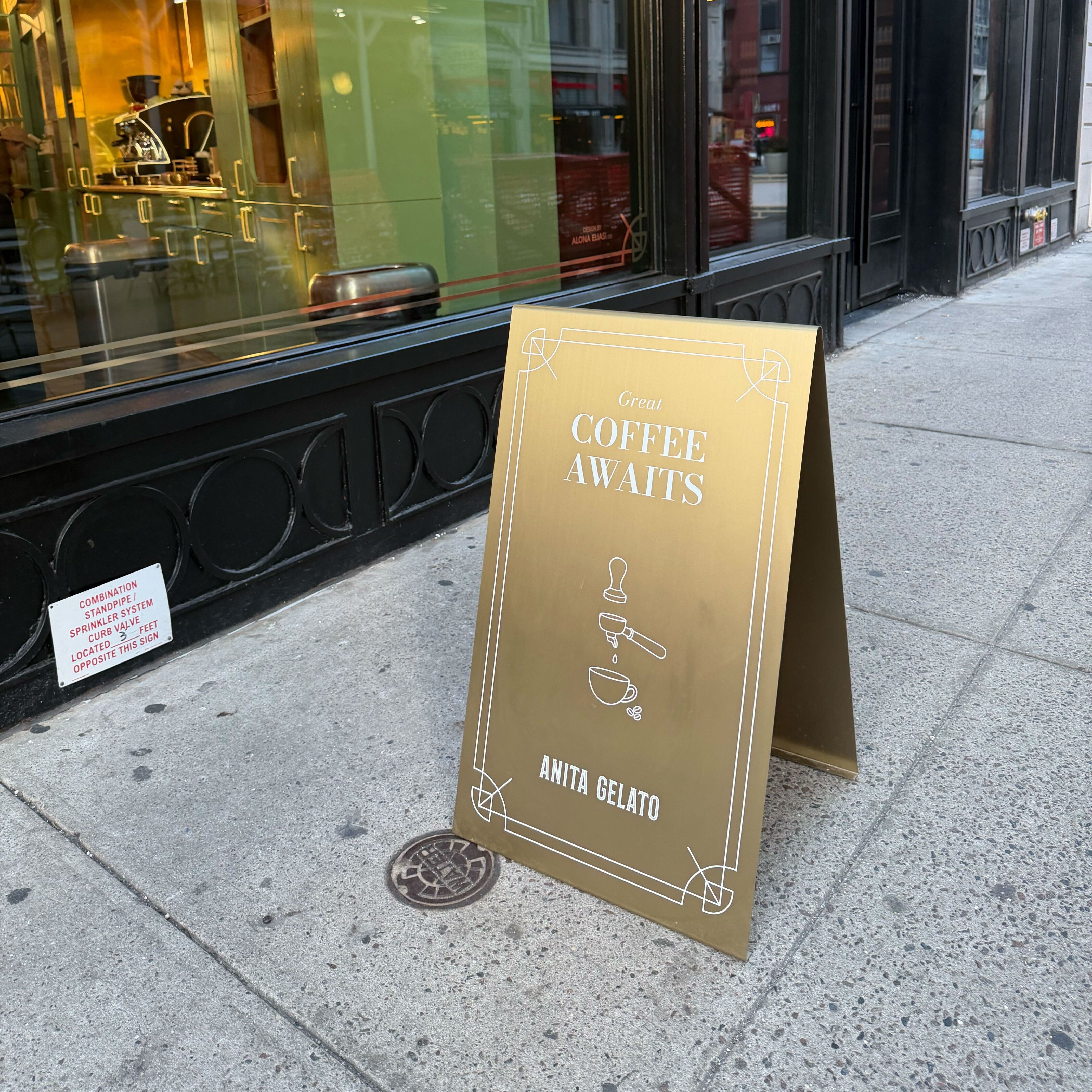
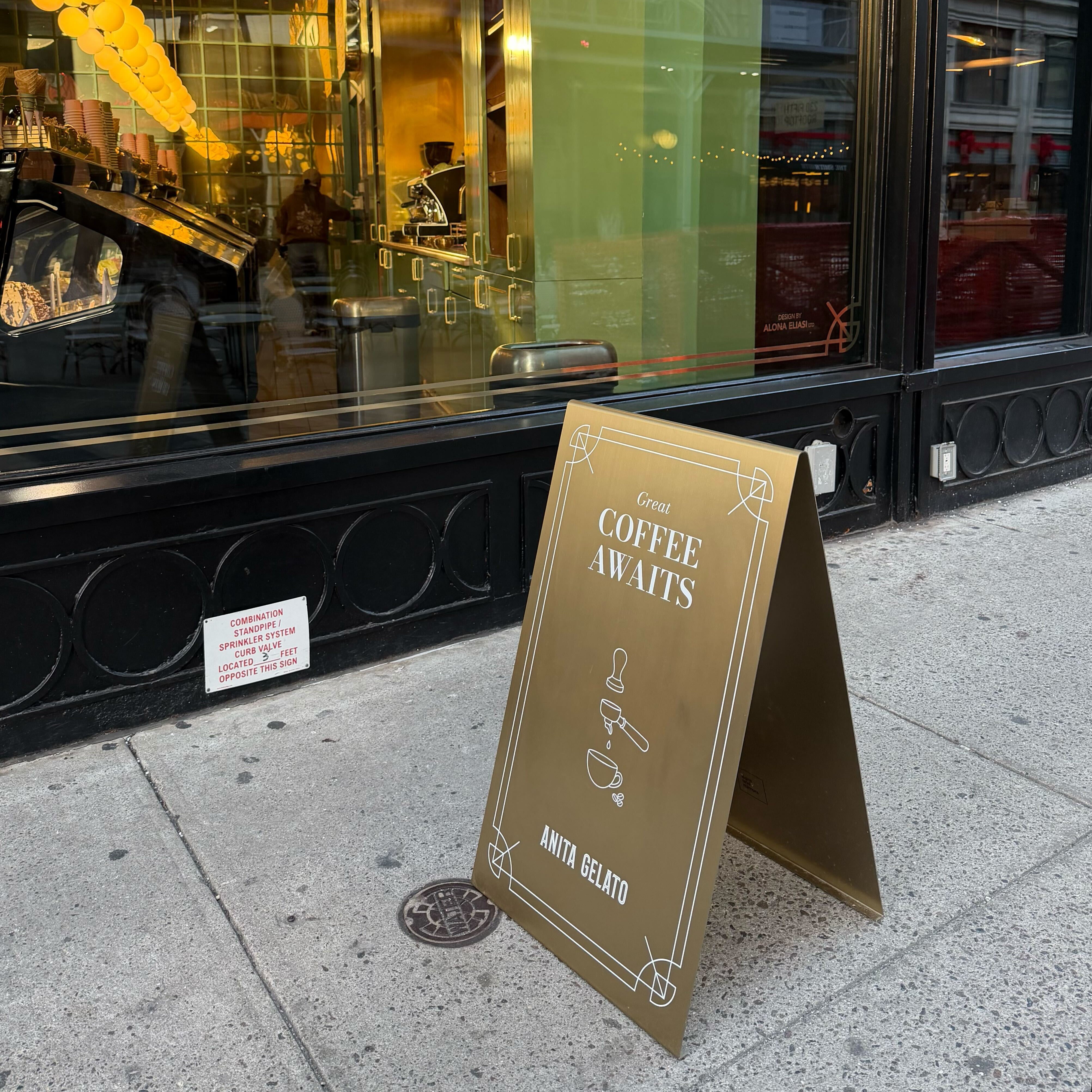
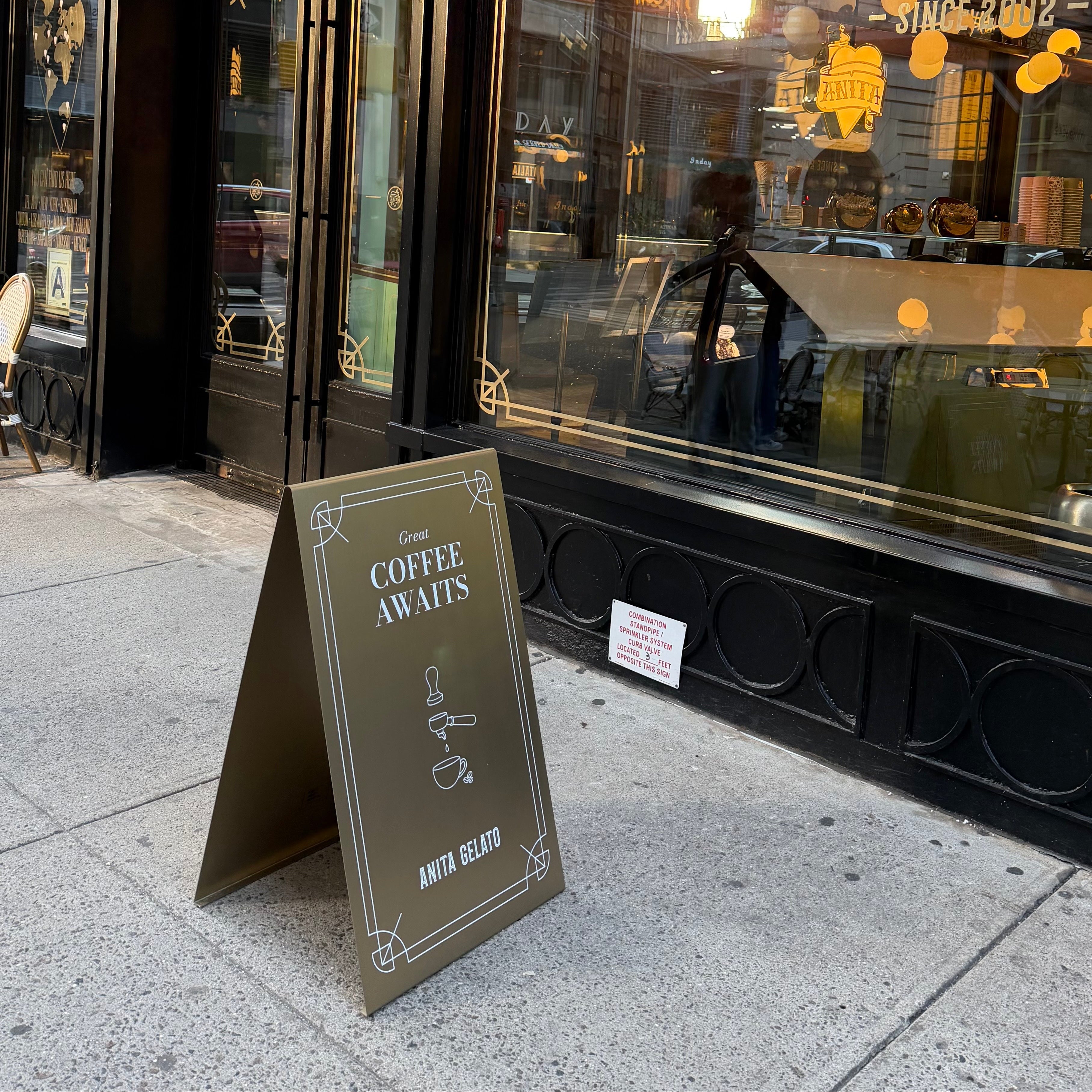
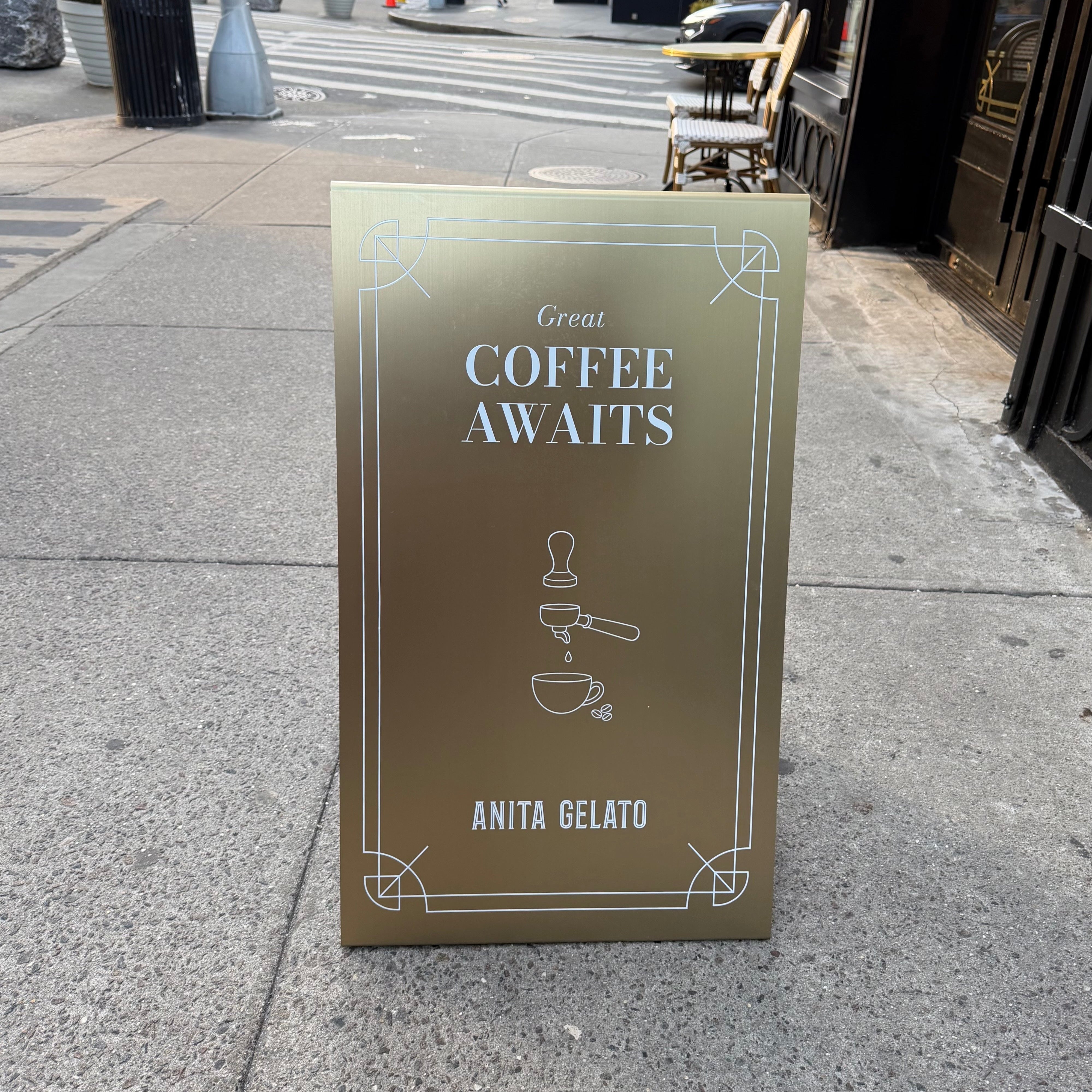
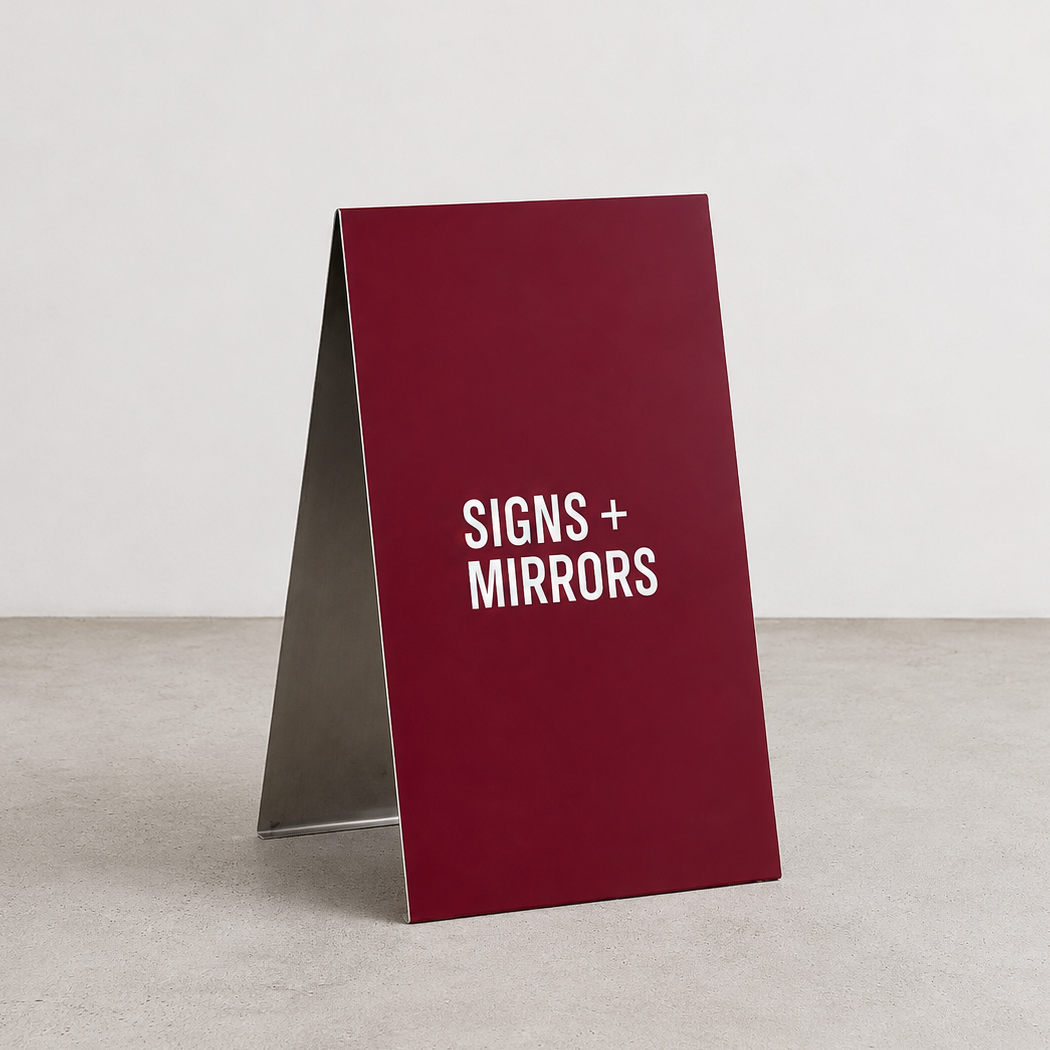
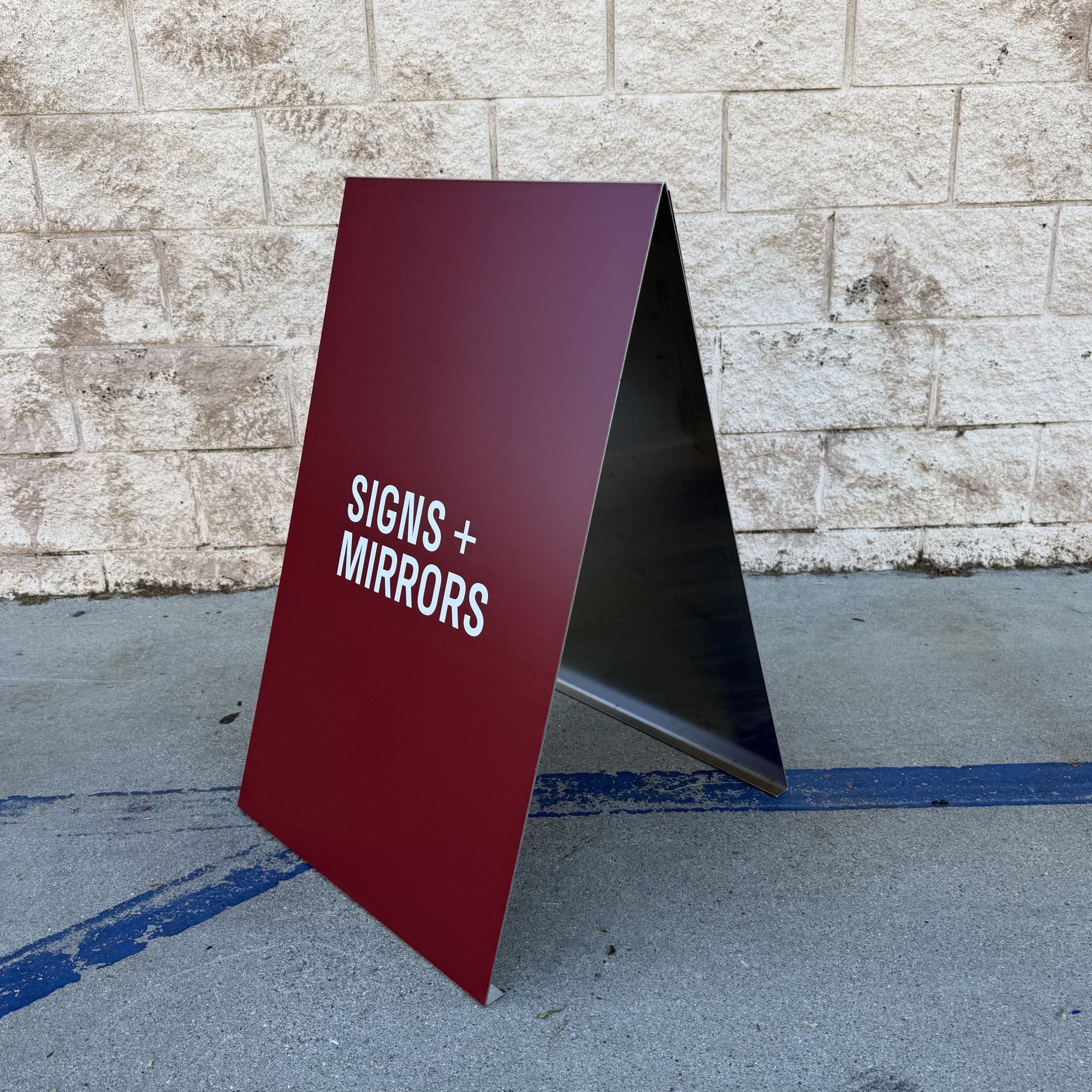
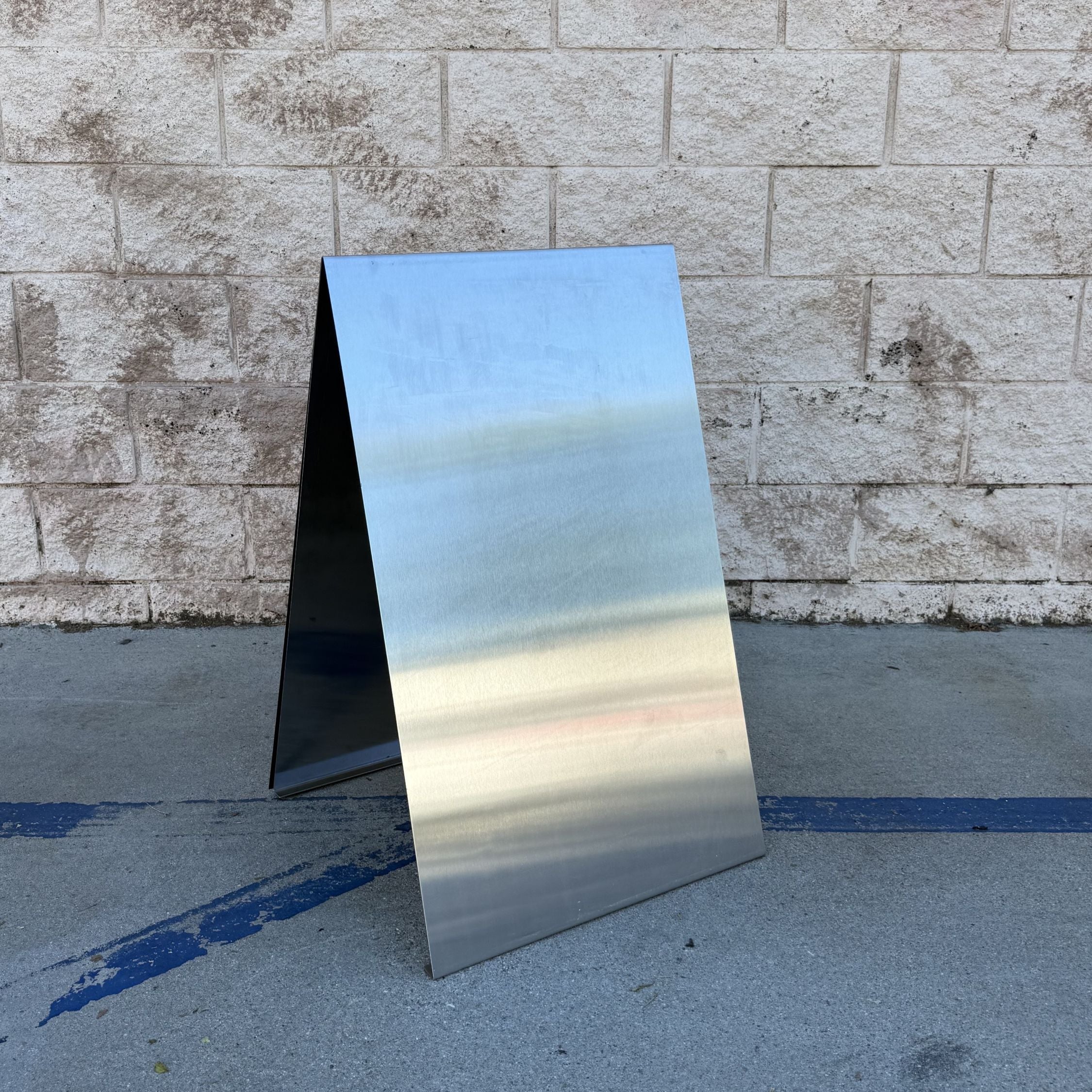
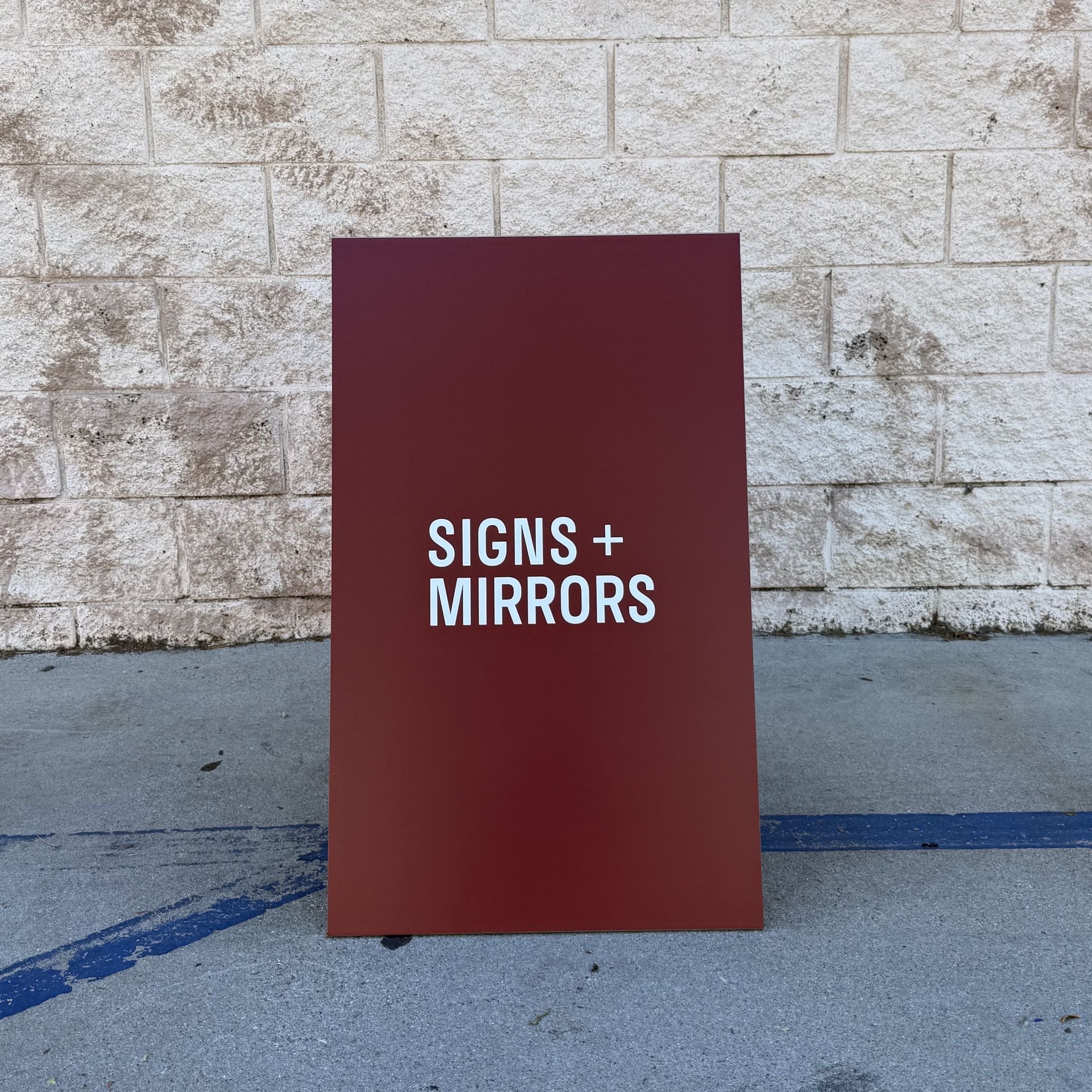
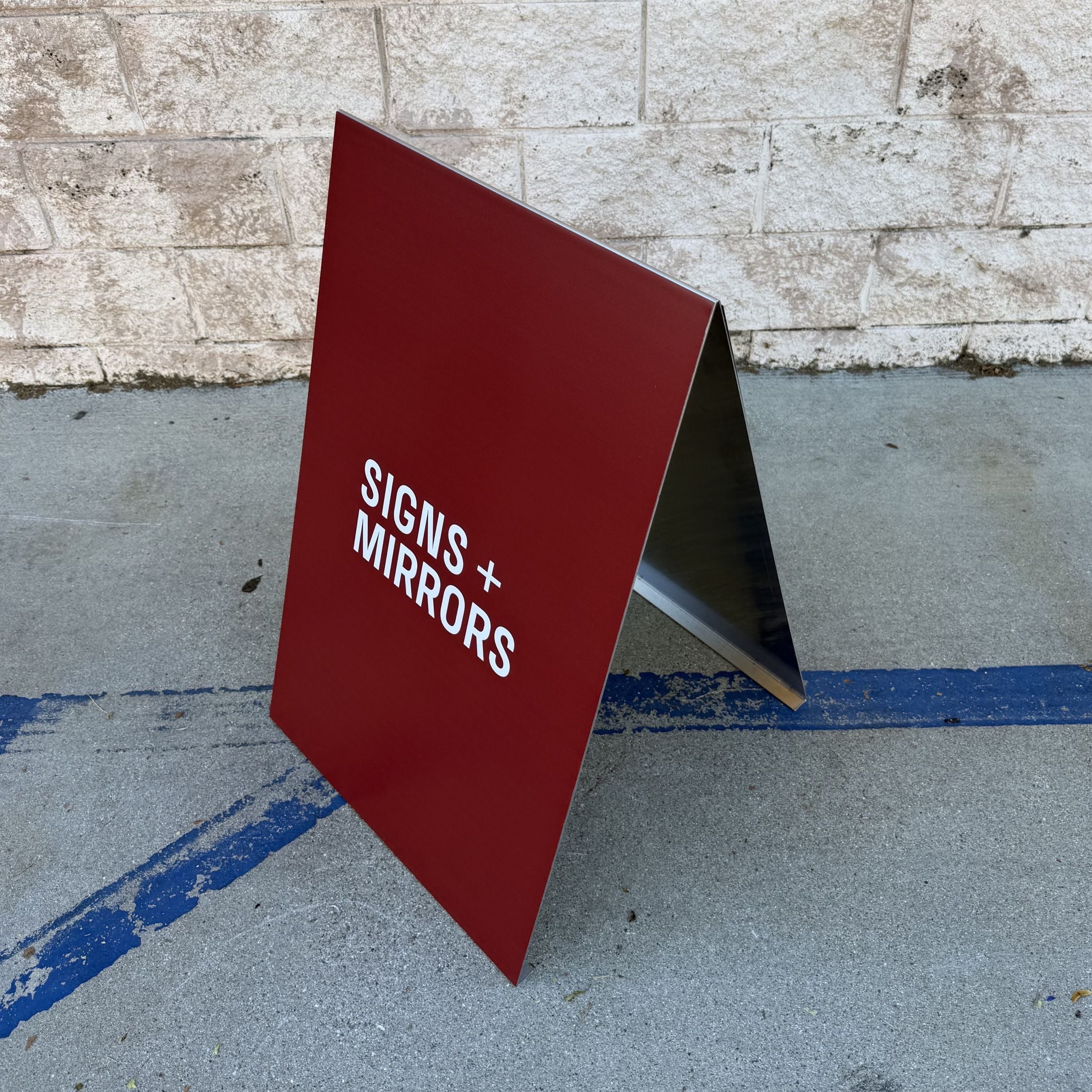
Using a sidewalk sign isn’t just about information - it’s a way to turn foot traffic into real guests. At Signs and Mirrors, we design mirrored, stainless steel, and acrylic A-frame signs that create that pause. When someone catches their reflection, reads a short line, or takes a photo, they’re already interacting with your space before they step inside.
We focus on clean design, durable materials, and visual impact that fits naturally into the street. Restaurants use our signs to highlight menus, announce events, or just create a reason to stop. The right sign doesn’t need to push - it pulls people in, quietly and effectively.
Types of Signs You Can Purchase from Us
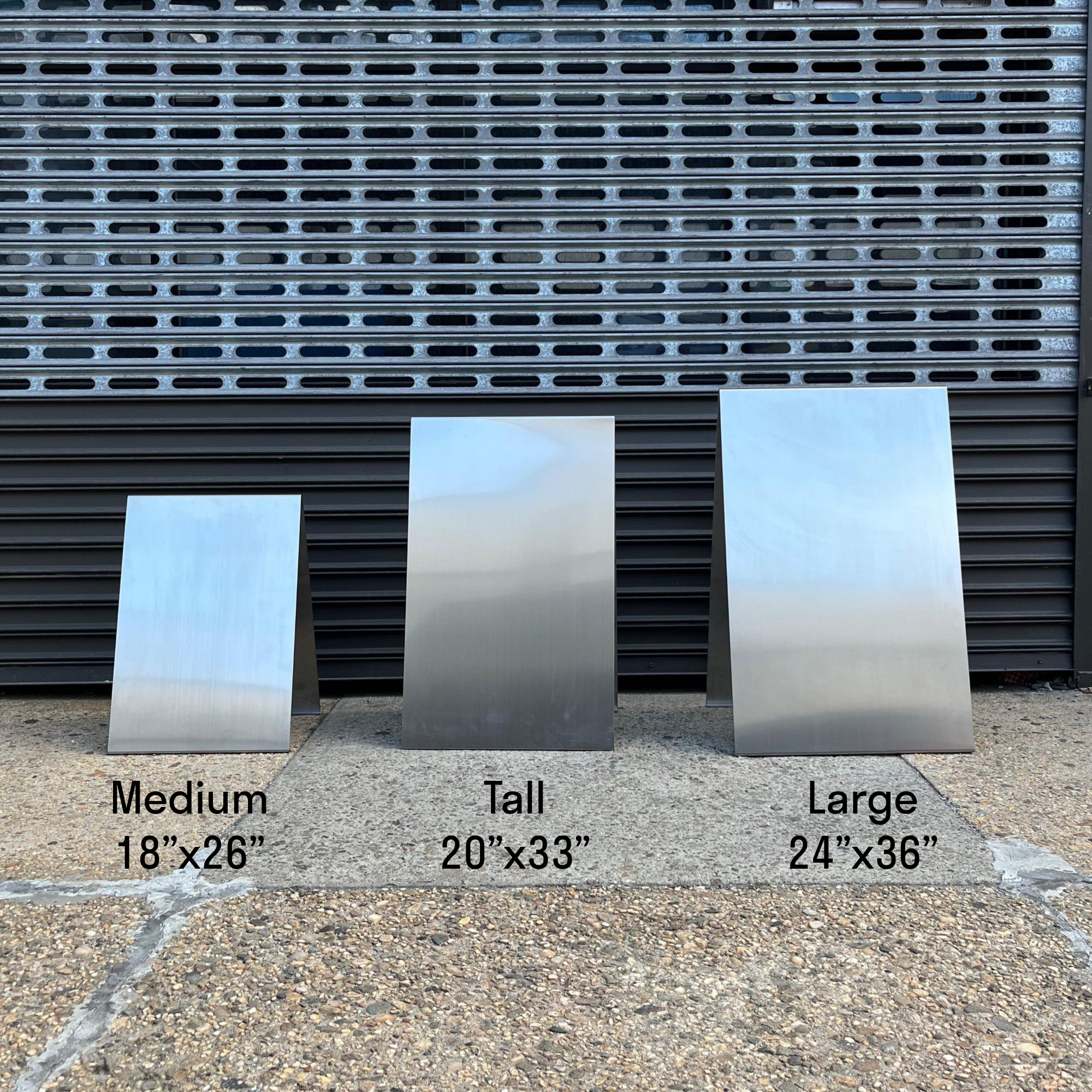
At Signs and Mirrors, we offer a focused range of sidewalk and standing signs designed to help businesses get noticed in real-world settings. Each option is built from durable materials, designed to be visually strong, and made to work both indoors and outdoors where appropriate. Below are several sign types from our collection, each suited to different storefront needs and visual styles.

1. Rounded Cream Stainless Steel Standing Sign
The #014 - Rounded Cream Stainless Steel Standing Sign is designed to feel refined but approachable, combining a soft rounded shape with a durable stainless steel structure.
- Stainless steel construction with a powder-coated finish for long-term use.
- Lightweight design makes it easy to move between indoor and outdoor spaces.
- Stable base suited for sidewalks in low wind conditions.
- Can be ordered blank or with custom printing on both sides.
- Works well for entrances that benefit from a subtle, elevated visual presence.

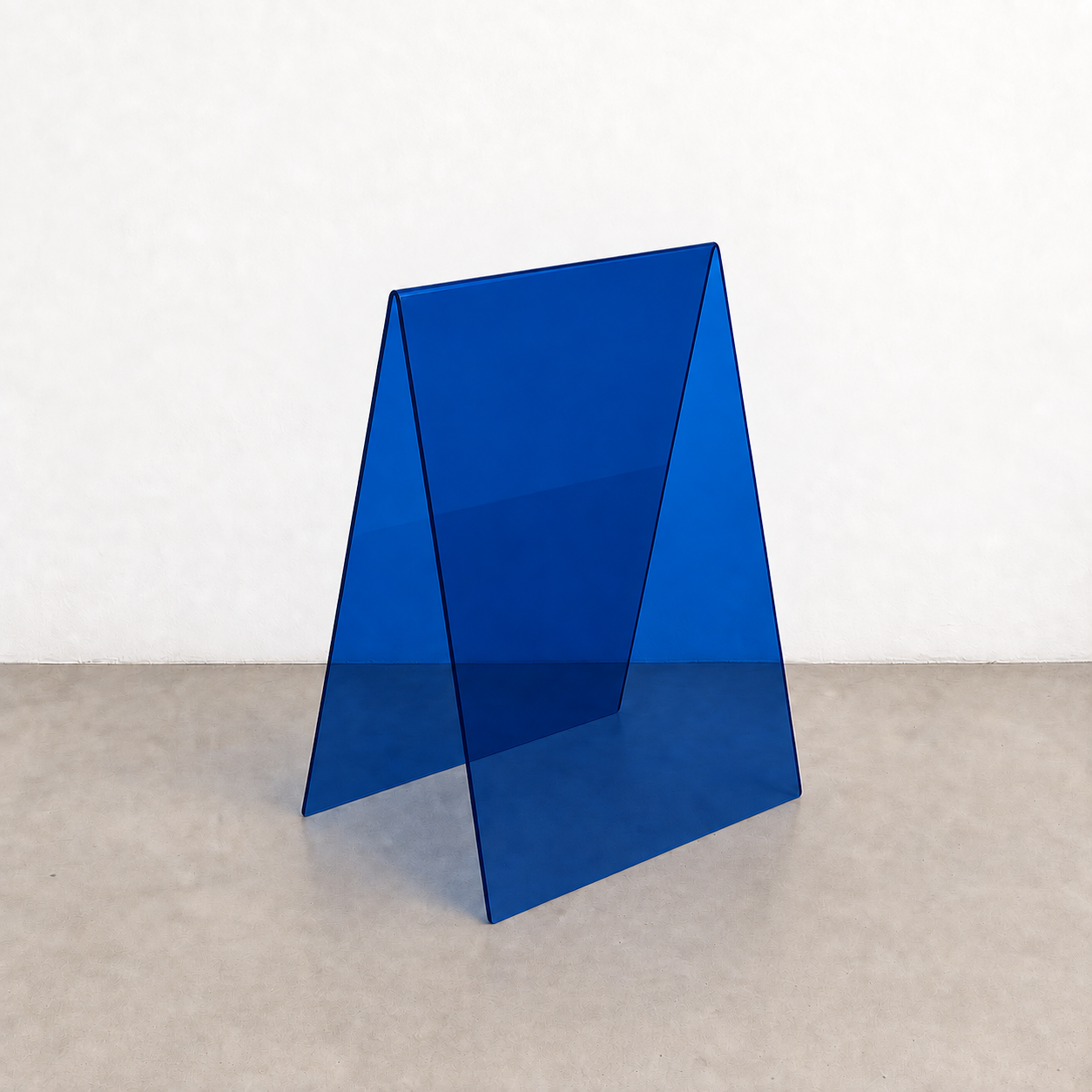
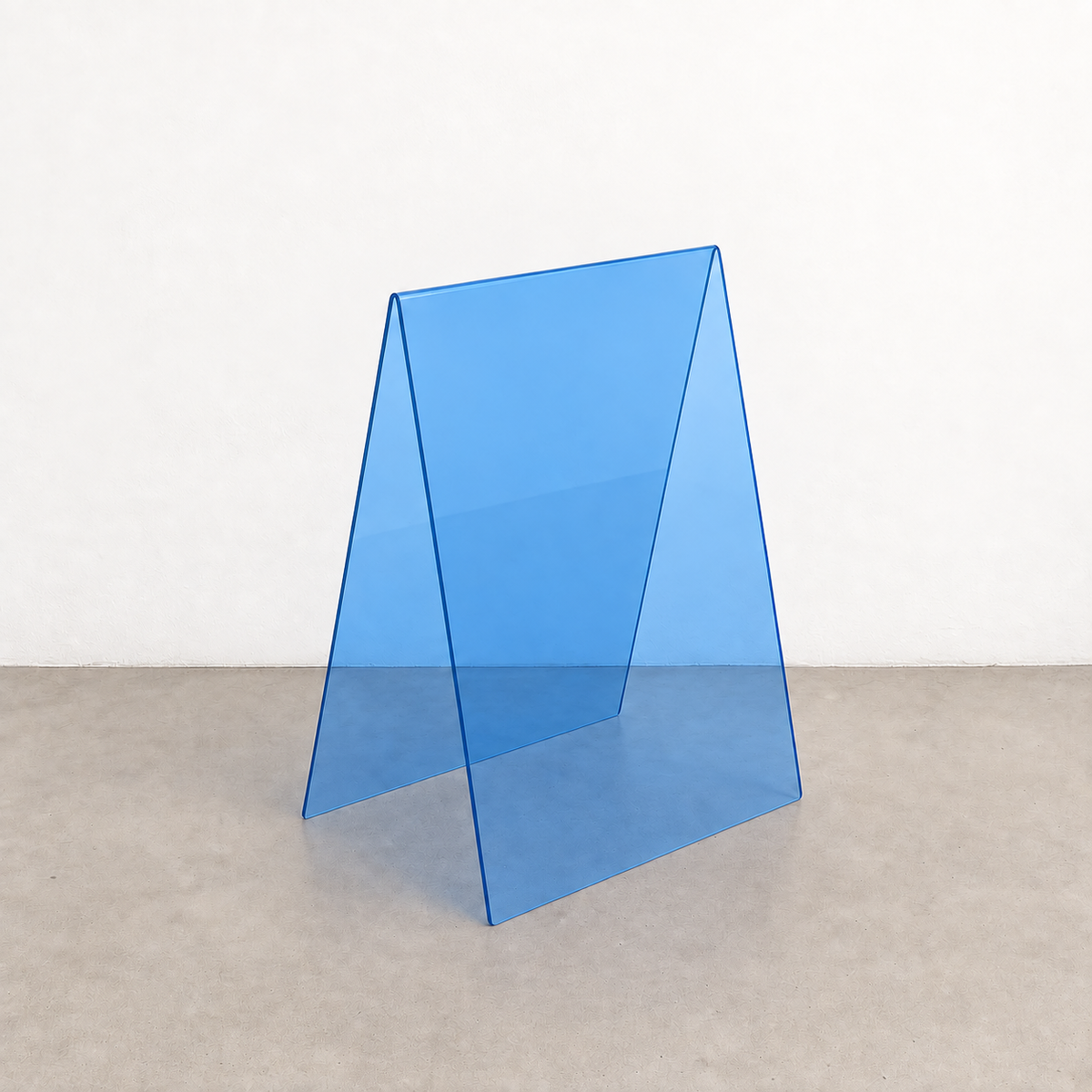
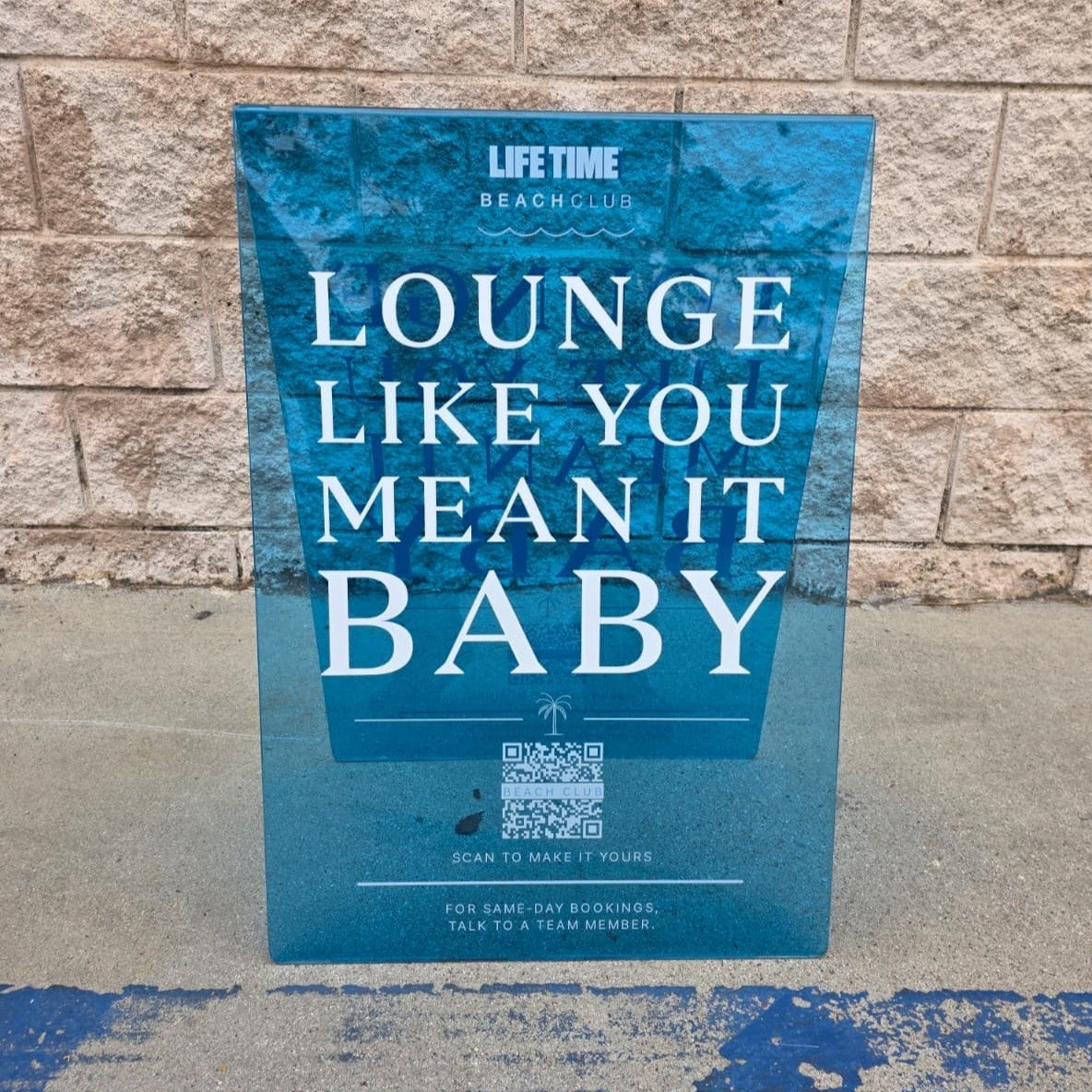
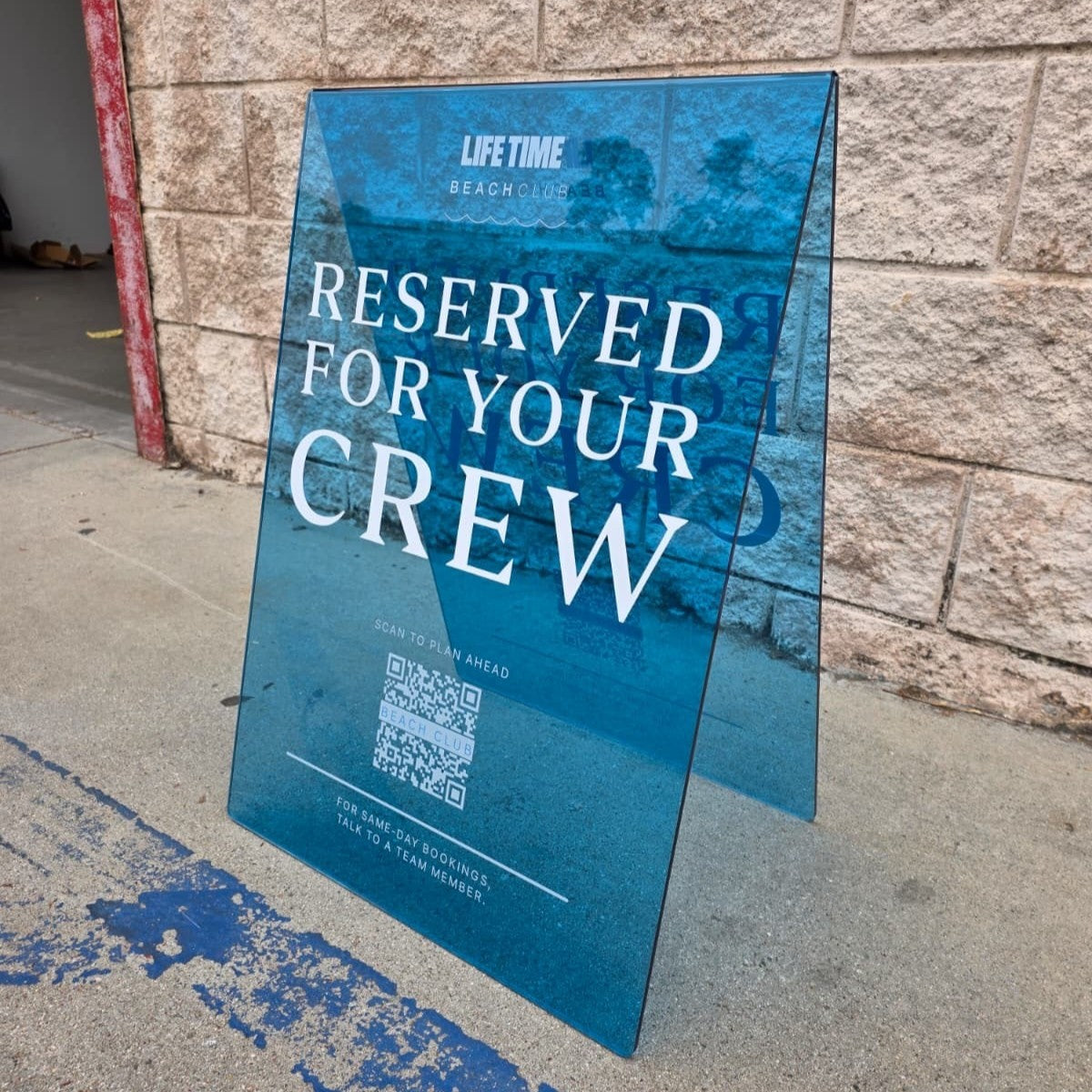
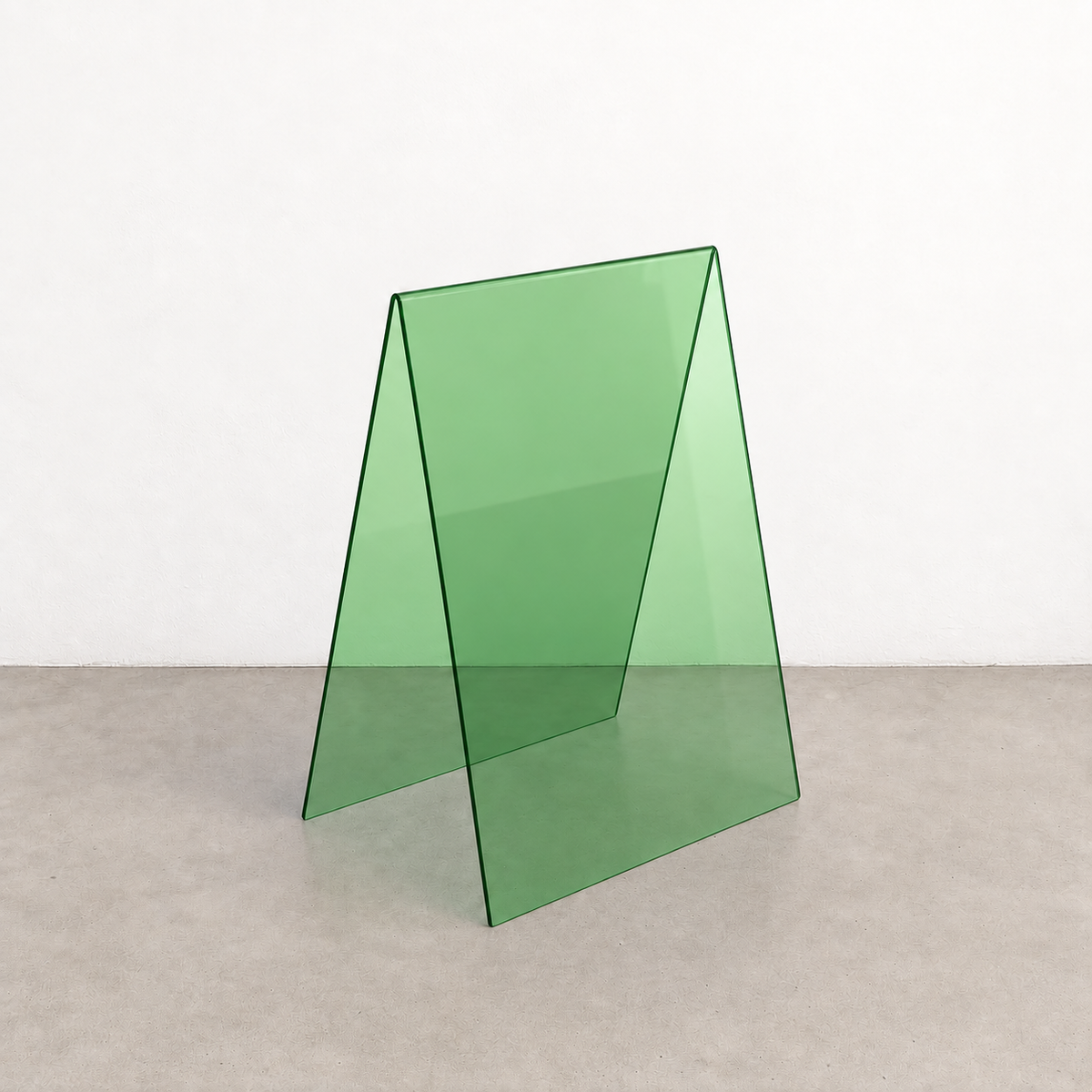
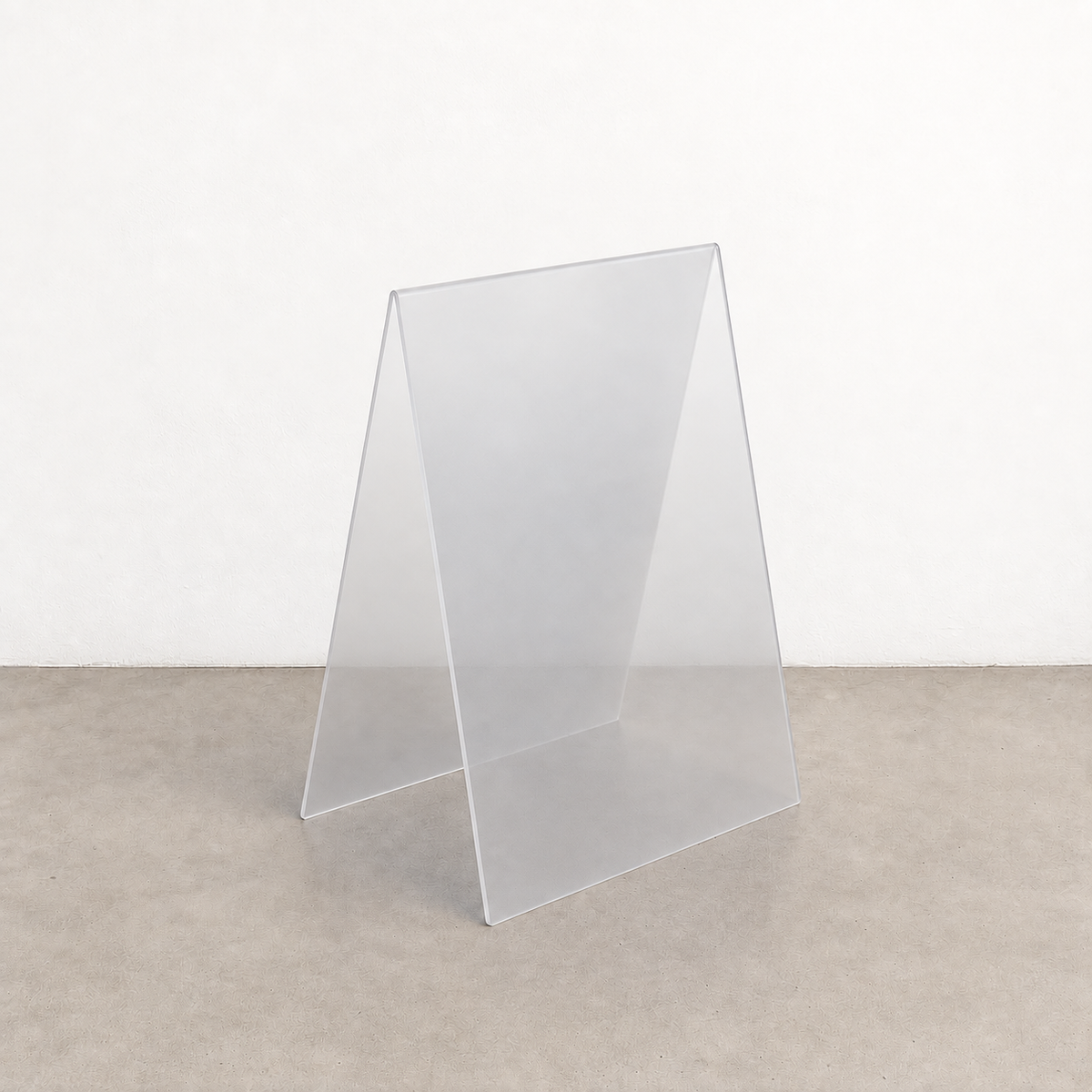
2. Opaque Acrylic A-Frame Sidewalk Sign
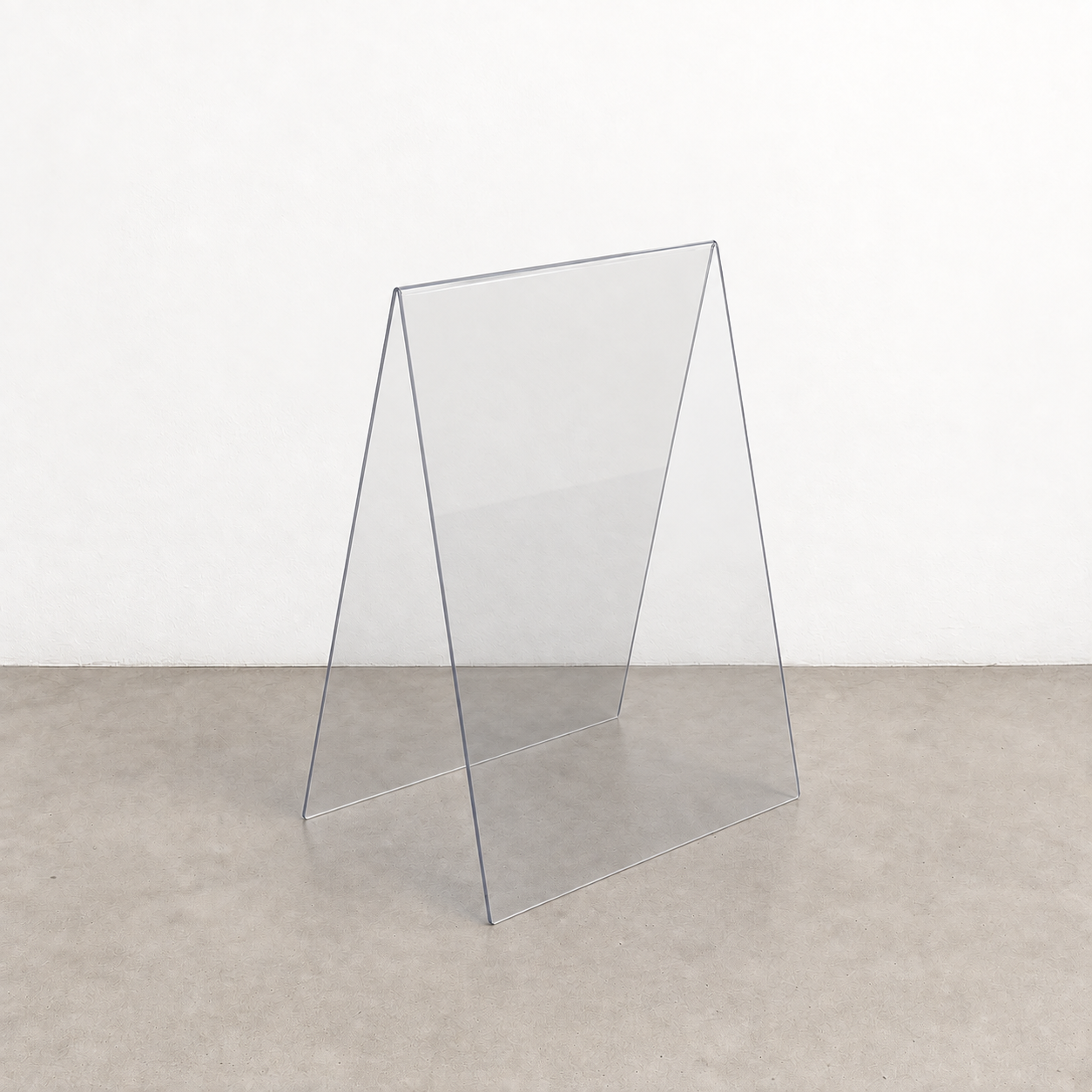
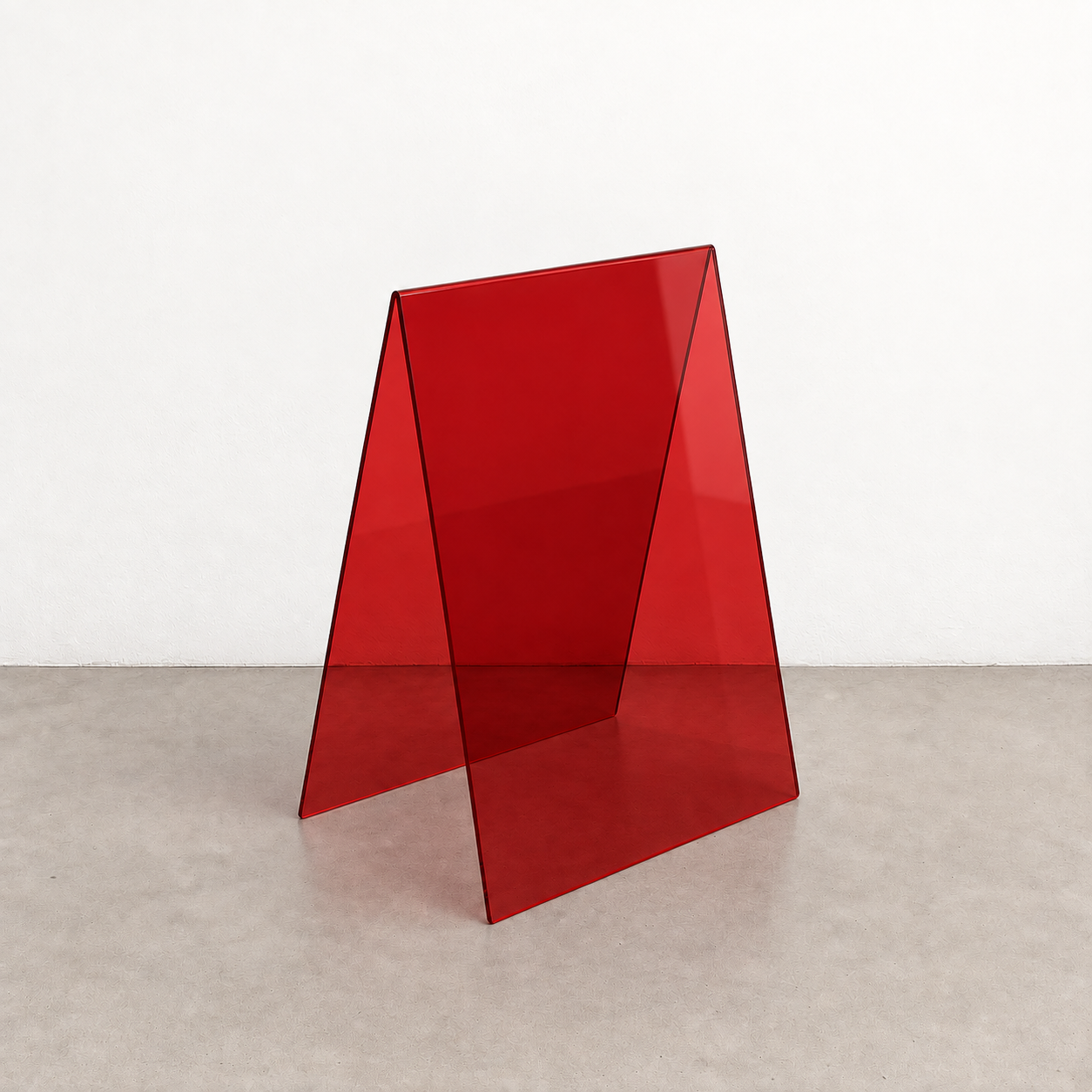
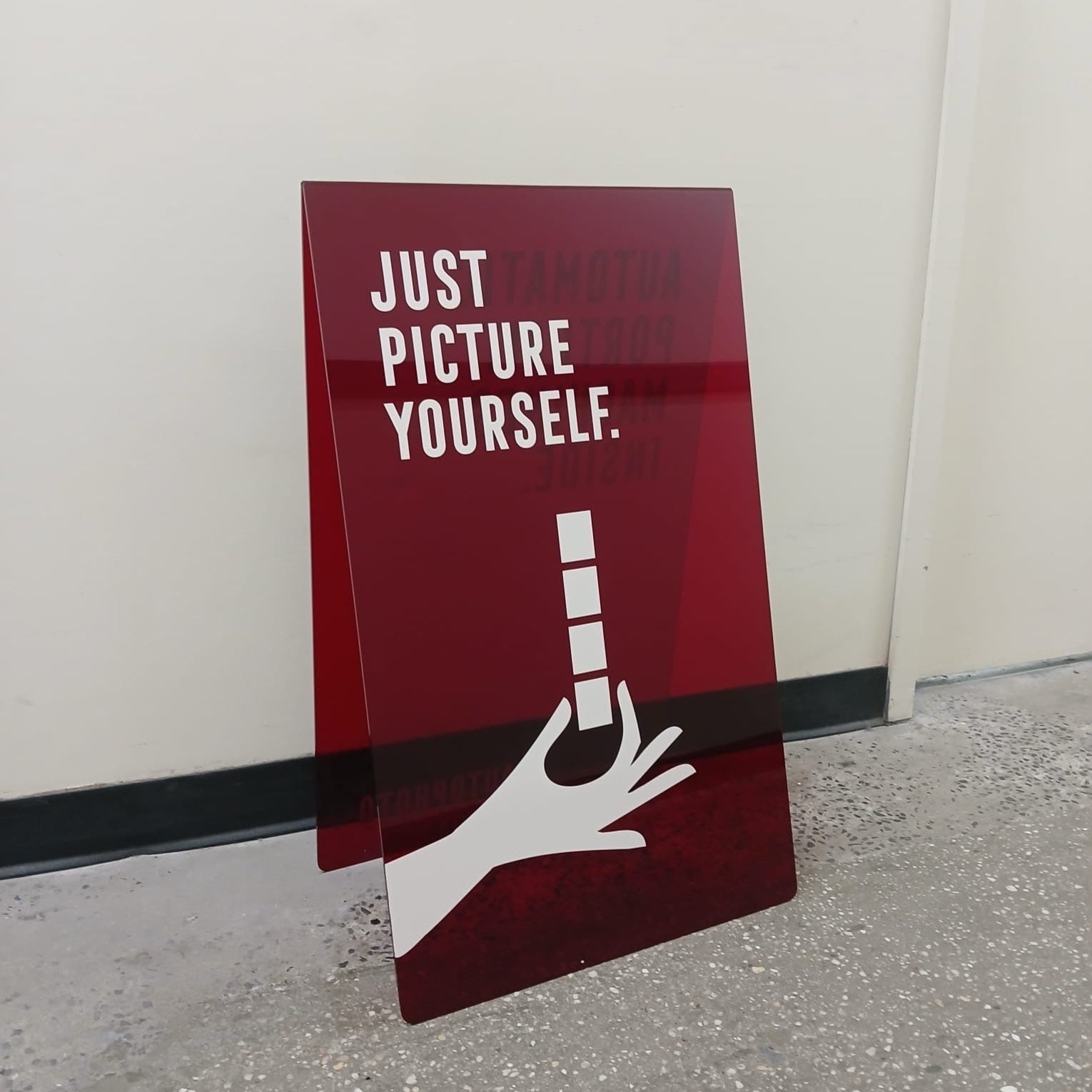
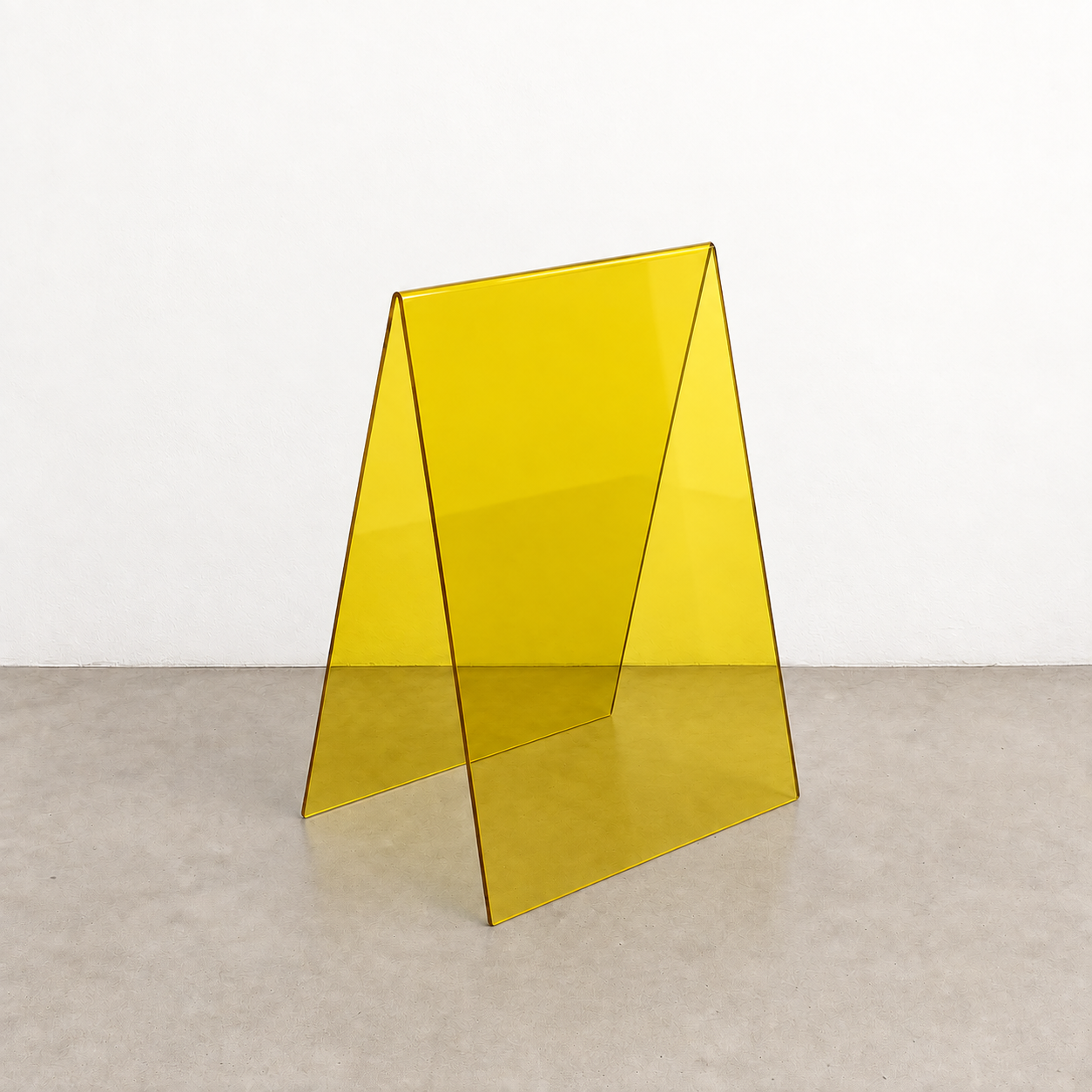
The #010 - Opaque Acrylic A-Frame Sidewalk Sign offers a bold, modern look with a glossy acrylic surface that stands out at street level.
- Crafted from a single sheet of high-quality acrylic.
- Opaque material allows clear, legible designs on both sides.
- Lightweight and easy to reposition throughout the day.
- Available blank or with custom printed designs.
- Ideal for colorful branding and contemporary storefronts.

3. White Stainless Steel A-Frame Sidewalk Sign
The #012 - White Stainless Steel A-Frame Sidewalk Sign combines durability with a clean, minimal aesthetic suitable for a wide range of businesses.
- Built from stainless steel with a protective powder coat finish.
- Designed for both indoor and outdoor use.
- Stable structure suited for sidewalks in low to mid wind conditions.
- Custom printing available on both sides.
- Fits well with brands looking for a crisp, neutral street presence.

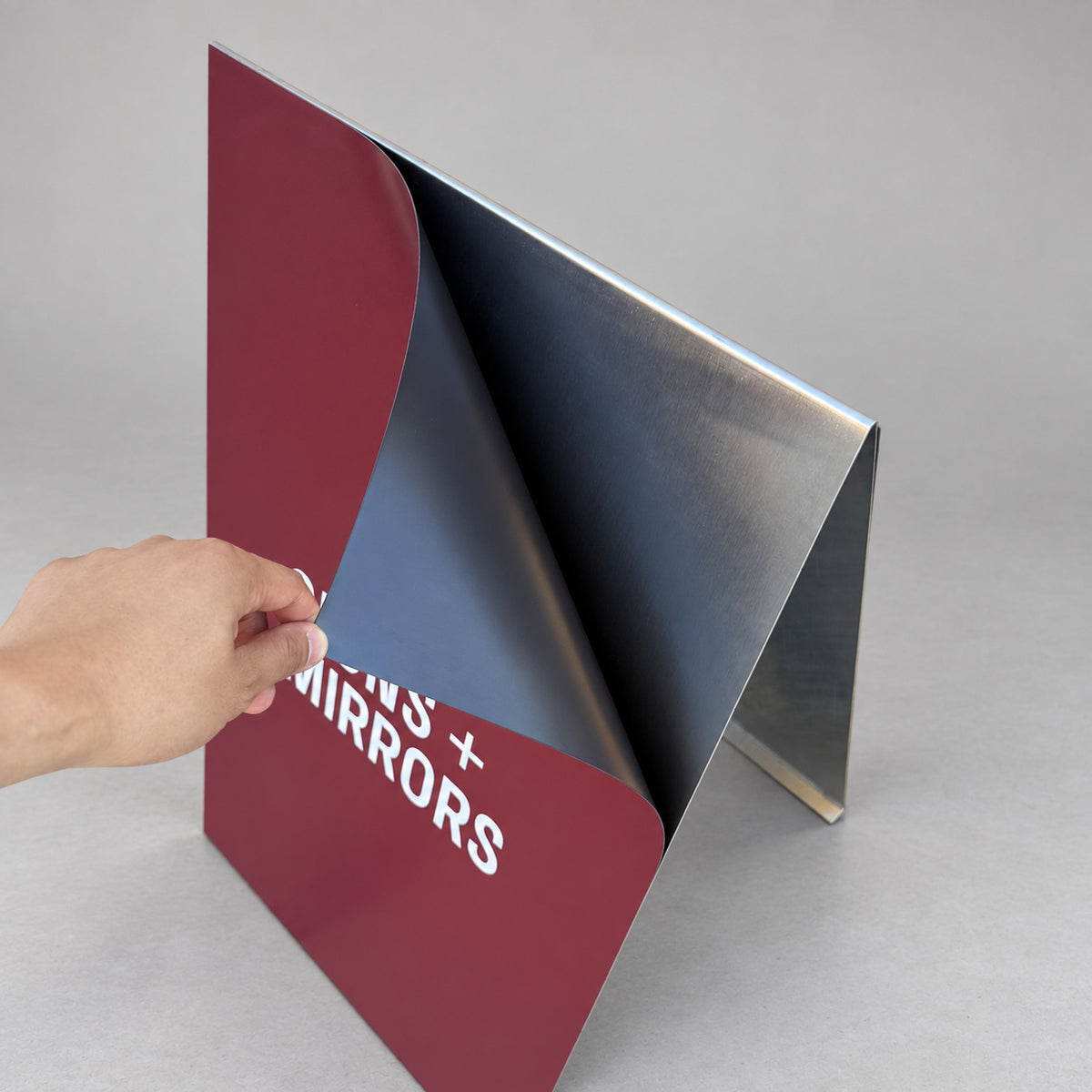
4. Textured Insert Brushed Stainless Steel Upright Sign
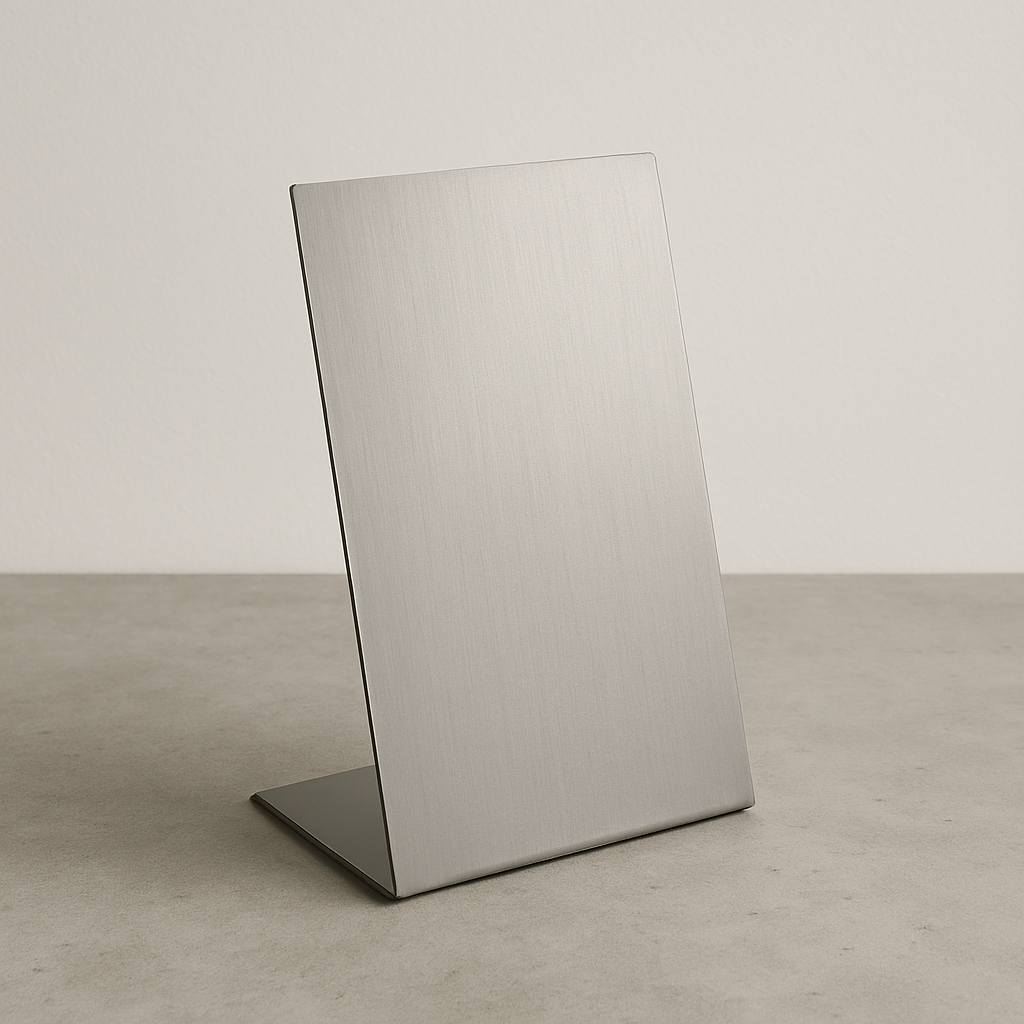
The #007 - Textured Insert Brushed Stainless Steel Upright Sign is designed for flexibility, featuring a removable insert within a solid stainless steel frame.
- Constructed from durable 304 stainless steel.
- Twinwall polycarbonate insert can be replaced or updated over time.
- Upright design offers a structured, professional appearance.
- Suitable for indoor and outdoor use in calm conditions.
- A practical option for rotating messages or seasonal displays.

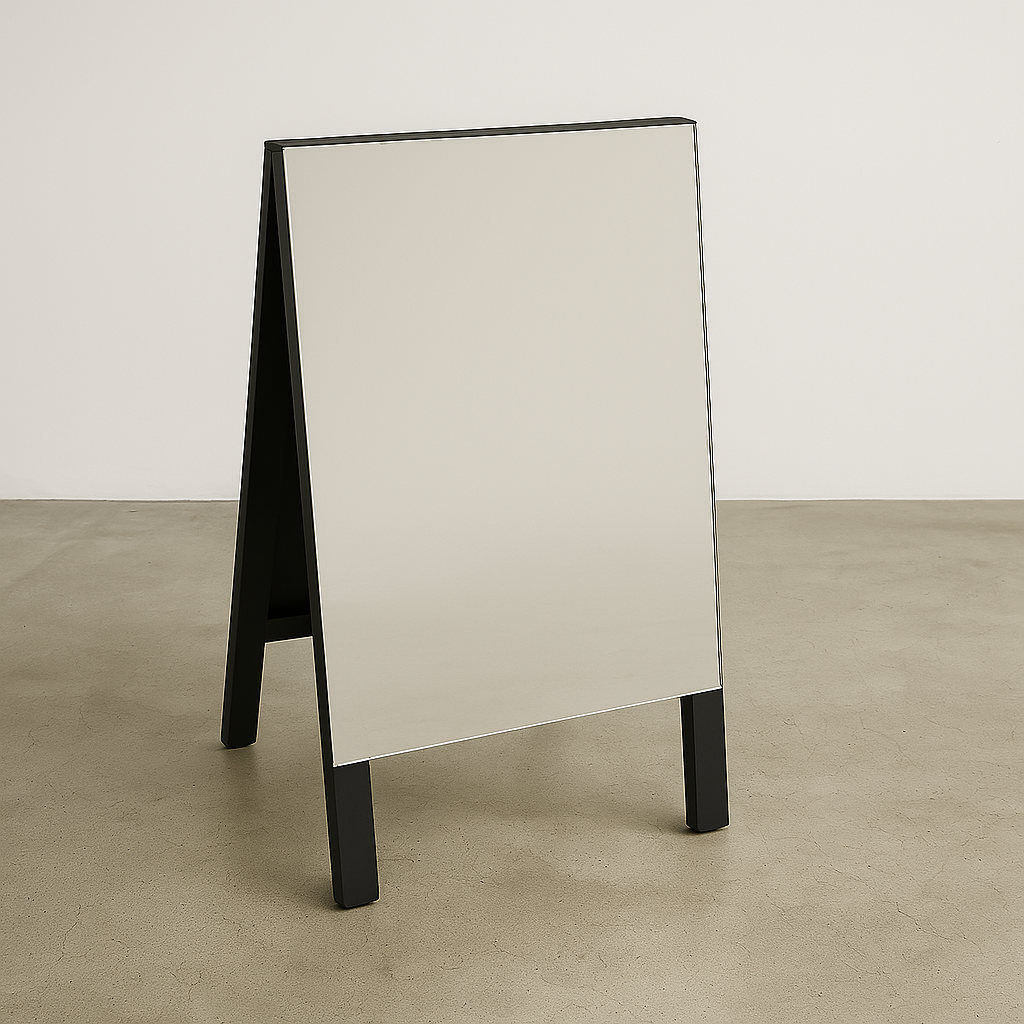
5. Mirrored A-Frame Sandwich Board Sign
The #001 - Mirrored A-Frame Sandwich Board Sign is a signature piece designed to attract attention through reflection and visual interaction.
- Made from shatterproof stainless steel with a mirror polish finish.
- Mirrored surface on both sides encourages photos and social sharing.
- Hinged design folds flat for storage when not in use.
- Suitable for indoor and outdoor use in low to mid wind conditions.
- Commonly used where visibility and foot traffic matter most.

6. Rounded Stainless Steel A-Frame Sandwich Board Sign
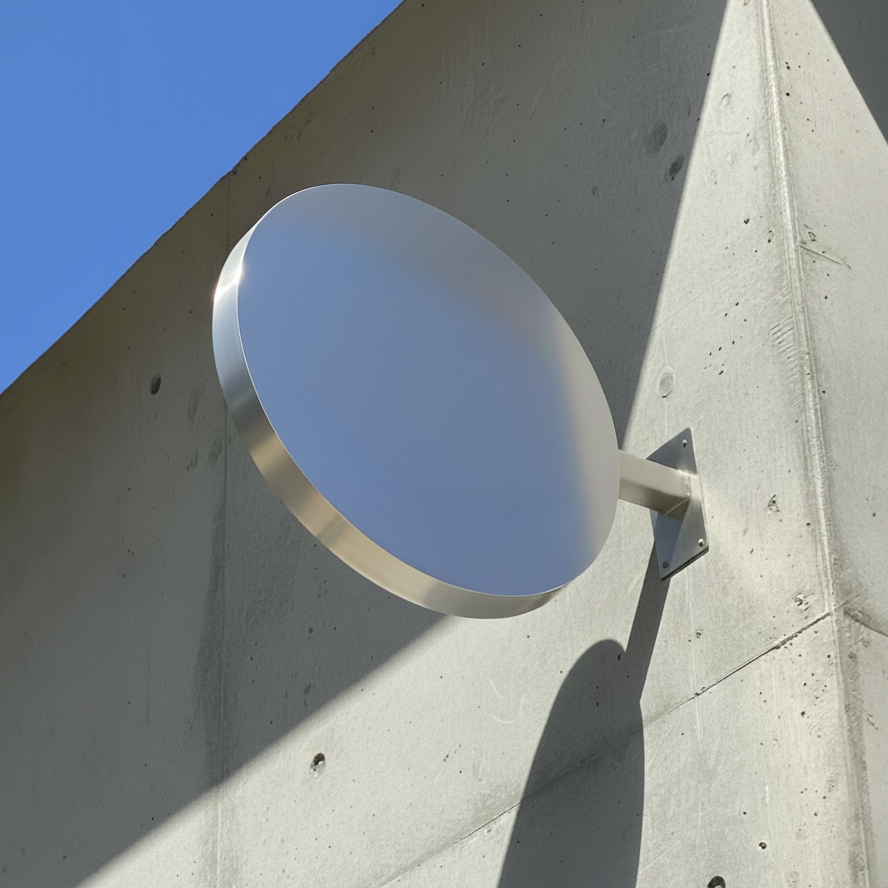
The #004 - Rounded Stainless Steel A-Frame Sandwich Board Sign blends a mirrored finish with softened edges for a distinctive street presence.
- Crafted from durable stainless steel with a mirror polish surface.
- Rounded shape offers a less angular, more organic look.
- Hinged for easy folding and storage.
- Designed for indoor and outdoor environments in calm weather.
- Encourages passersby to stop, look, and engage visually.

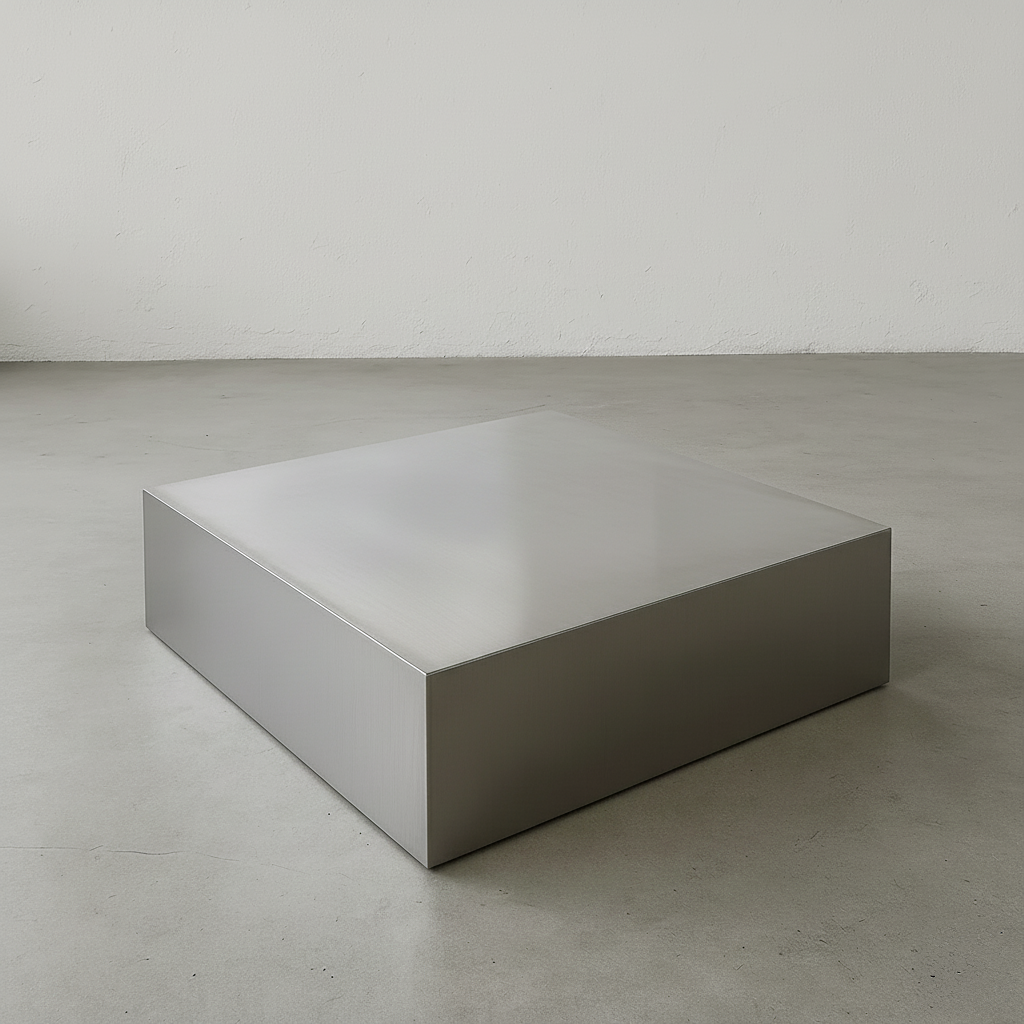
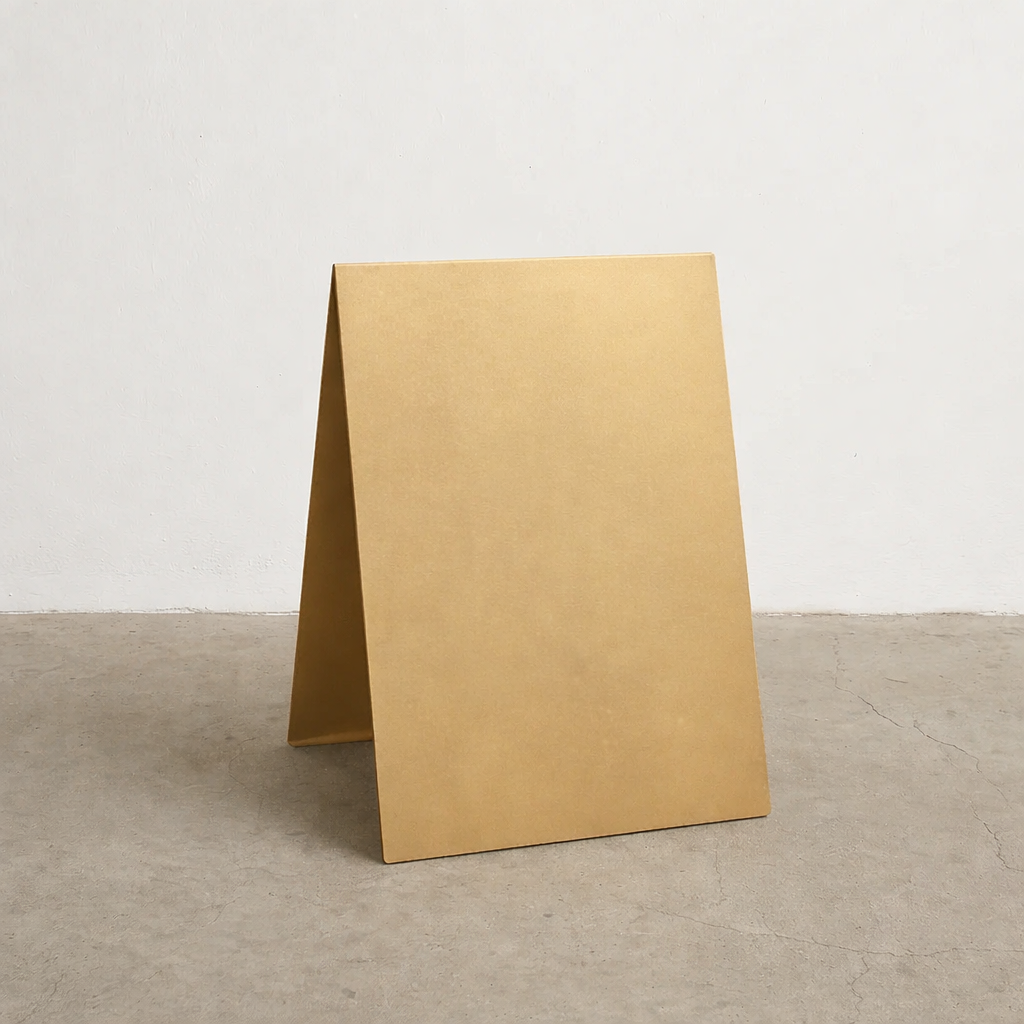
7. Brushed Stainless Steel A-Frame Sidewalk Sign
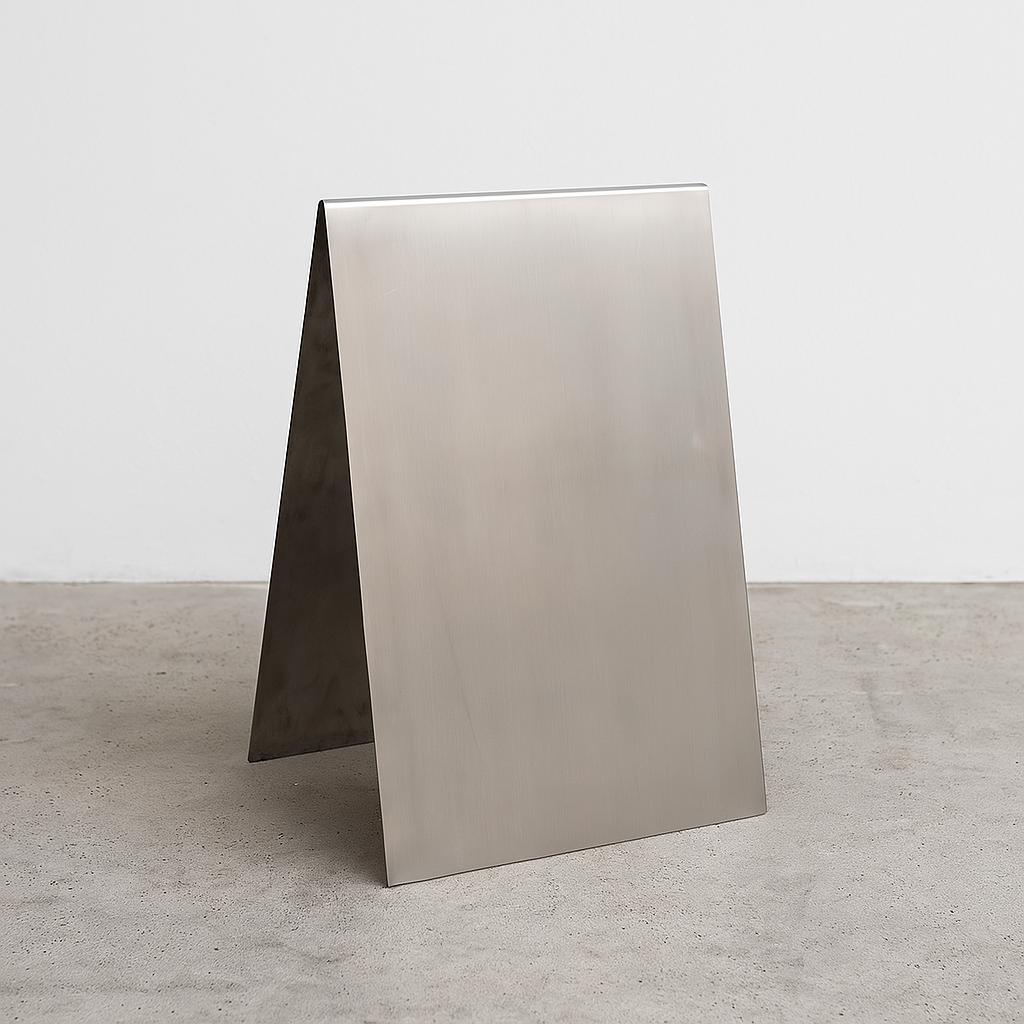
The #002 - Brushed Stainless Steel A-Frame Sidewalk Sign is a classic option focused on longevity and understated design.
- Made from a single sheet of high-quality 304 stainless steel.
- Brushed metal finish delivers a clean, professional appearance.
- Stable construction for sidewalk placement.
- Can be ordered blank or with custom printing on both sides.
- Well-suited for businesses that want durable signage without visual noise.
2. Turn Your Website into a Marketing Engine
If your restaurant’s website still feels like a placeholder, it’s time to rethink that. A good site isn’t just something people check for hours or a menu - it’s the digital version of stepping through your front door. The way it looks, how it works, what it says about you before a guest even decides to visit… that’s all marketing. And it either pulls people in or quietly pushes them away.
Keep it clean, easy to move through, and built for phones first - because that’s where most people will find you. Publish your menu as real text, not a blurry PDF. Make bookings simple. Add visuals that reflect how your space actually feels. And if someone lands there after seeing you on TikTok or Google Maps, make sure the vibe holds up. Your website doesn’t need to do everything. But it should feel like you. And it should work without making people think too hard.
3. Get Found Through Google Business and Local SEO
Visibility isn’t about doing everything. It’s about showing up where it matters - and showing up well. If people can’t find you when they search "brunch near me" or "late-night pizza," you’re not just missing traffic. You’re missing real guests who are already looking for a place like yours. Google Business and local SEO help fix that. Here’s how to make it work for you.
Claim Your Profile and Make It Yours
Start with your Google Business Profile. Fill it out like you care. Add current photos, update your hours (yes, even the holiday ones), and make sure your contact info isn’t pulling from 2019. Use the description field to tell people what you’re about - not just what you serve. You’re not just listing your restaurant. You’re giving people a reason to stop scrolling.
Reviews Are the New Word of Mouth
Encourage guests to leave reviews - nicely, casually, maybe even with a QR code on the table. And respond to them. Not with a canned "Thanks!" but something real. When new people read your reviews, they’re reading for tone as much as content. Be present. Be human. Even when it’s just five stars and no comment.
Use the Language Locals Use
Think like your guests and write like them too. If you're in Brooklyn, maybe it's “outdoor wine bar Clinton Hill” or “cozy dinner spot near Myrtle.” Those phrases matter. Use them naturally - on your website, in blog posts, even in image captions. You're not gaming the system. You’re helping search engines and people get the picture faster.
Being findable isn't loud or flashy. It’s clean, honest, and intentional - like a well-made sign placed exactly where it needs to be.
4. Make Loyalty Feel Like a Gift, Not a Scheme
Nobody wants to feel like they’re being nudged into a punch card system. Loyalty should feel personal - like a small thank-you, not a transaction. When it’s done right, it adds a kind of quiet generosity to the guest experience. Here’s how to make it land that way:
- Reward the second visit, not just the tenth: A small gesture early on - like a free coffee on visit two - makes people feel noticed, not tracked.
- Keep the math invisible: Instead of “earn 100 points,” offer real things: a dessert next time, a drink on the house, a surprise discount for regulars.
- Bring people back gently: If someone hasn’t visited in a while, send a subtle “miss you” offer. Not pushy - just an open door.
- Make birthday perks feel like a celebration, not bait: A free slice of cake or something off the menu they love. No expiration date. No fine print.
- Let your regulars bring someone in: Give loyal guests a reward for introducing someone new. It feels more like sharing than selling.
You don’t have to build a complicated system. You just have to make people feel like they matter. Because when loyalty feels like a gift, people give it right back.
5. Email Marketing That Goes Beyond Discounts
A discount might get someone in the door once. A good email makes them want to come back because they feel like they’re already part of something. It’s not just about sending promotions - it’s about having a rhythm and a tone that feels like your restaurant. Something thoughtful. Something you’d actually want to open.
Instead of blasting out codes and countdowns, use email to invite people in. Let them know about a new dish you’re proud of. Share photos from a recent event, or send a quick note on a quiet Wednesday just to say you’ve got space for walk-ins. Set up a flow that gently checks in if someone hasn’t been around in a while. No pressure, just presence. When your emails feel like they’re written by a real person who remembers you, people don’t just skim - they show up.
6. Social Media as an Extension of Your Atmosphere
If your space has a certain energy - warm, playful, minimal, chaotic in the best way - your social media should feel the same. People don’t scroll to be sold to. They’re looking for a vibe, something that makes them pause for a second and think, I’d go there. It’s not about polished food shots every time. It’s the way light hits a table during brunch, your team cracking up behind the counter, someone’s half-eaten dessert with a caption that just says “yes.”
You don’t need a strategy deck. You need a point of view. Show what it feels like to be in your space, not just what’s on the plate. Use stories to say hi, reels to play, posts to slow down a little. The goal isn’t reach - it’s recognition. So when someone walks past your window and thinks, oh, I follow them, you’ve already done half the work.

7. Let Guests Market for You with UGC
The best kind of marketing is the kind your guests do for you. A photo, a tag, a quick video - when it’s shared naturally, it feels real. That’s user-generated content, and it works because it doesn’t try too hard. Here’s how to make more of it happen:
- Make the space worth photographing: A mirror that says something unexpected, a table setup with good light, a plate that makes people pause before digging in.
- Give people a reason to tag you: Offer a chance to be featured, a free coffee for the best post of the week, or just drop a kind comment when they do. That small interaction sticks.
- Create simple, visible moments: A QR code on the check holder. A branded napkin. A line on the menu that people want to screenshot.
- Don’t over-style it: UGC works because it’s a little messy, a little in-the-moment. Let guests show your place through their eyes - even if that means half-eaten fries in the frame.
People love to share where they’ve been - especially if it feels like they discovered something. Make it easy for them to turn a moment into a post.
8. Collaborate with People Who Already Have the Locals Listening
Sometimes the best way to reach new guests is by letting someone else do the introduction. Not a big campaign - just a trusted voice saying, you should try this place. That’s the power of local creators. Not flashy influencers with a million followers. People your future guests already follow and trust.
Find the Right People, Not the Loudest
Skip the follower counts and look for someone whose tone matches yours. Maybe it’s a food photographer who loves small spaces. Maybe it’s a local stylist who hosts dinner parties. If they speak your language, their audience is probably your audience too.
Make It a Real Invite, Not a Transaction
Don’t send a cold email with bullet points and hashtags. Invite them in the same way you’d invite a friend - honestly. Let them order what they want, take the photos they want, and say what they actually think. That kind of authenticity can’t be staged.
Give Them a Reason to Come Back
The best collaborations don’t end after one post. If someone genuinely likes your space, bring them into more things. A soft launch. A seasonal preview. A little behind-the-scenes. The goal isn’t reach - it’s real connection that carries.
9. Create In-Venue Moments That Get Shared
Some of the best marketing happens when someone’s just trying to take a photo in your bathroom. A clever message in the mirror, a detail on the check, a little surprise they weren’t expecting - that’s what people post. Not because you asked, but because it felt fun, or thoughtful, or worth remembering.
It doesn’t have to be loud. Subtle works. A line printed under the plate. A QR code that unlocks a secret menu. A random free dessert for table four just because. These are the things that turn a regular visit into something people talk about later. You're not trying to stage a viral moment. You're creating little signals that say, this place cares about the details. And that tends to travel.

10. Build Strategic Partnerships with Local Businesses
The businesses around you aren’t competition - they’re community. When you team up with the right ones, it doesn’t just stretch your reach. It makes your space feel more connected to the neighborhood. And that’s the kind of thing guests pick up on, even if they don’t say it out loud. Here are a few ways to collaborate that don’t feel forced:
- Co-create something seasonal: A bakery down the street makes a limited-edition dessert using your coffee. You serve their sourdough with your weekend menu. Everyone wins.
- Host an event together: Pop-ups, wine tastings, or even a shared playlist night - anything that blends both audiences and feels like it belongs.
- Cross-promote in your spaces: Their cards on your counter, your signage in their window. Or even just tagging each other regularly on socials.
- Highlight your suppliers: If your produce comes from a farm nearby, let guests know. Share their story on your site or menu. It builds trust - and a better story.
- Swap perks: A free appetizer for anyone who shows a same-day receipt from the record shop next door. Small gesture, real impact.
Collaboration doesn’t need to be complex. It just needs to feel real. Keep it local, keep it mutual, and don’t overthink it.
11. Communicate Your Values Subtly But Clearly
You don’t need a mural that says “sustainable” in all caps. Most guests will pick up on what matters to you just by how you run things. The ingredients you source, the way you treat your team, the small notes on your menu - those things say more than a slogan ever could.
If you compost, use local suppliers, or support a neighborhood initiative, show it - but let it live in the details. A line at the bottom of the receipt. A story on your site. A tagged post that feels natural, not performative. People notice when your values feel baked in, not tacked on. It’s not about making a statement. It’s about being consistent enough that guests make it for you.
12. Collect Reviews - Then Use Them Publicly
Most people read reviews before they decide where to eat. Not just the rating, but the tone. How you respond, what kind of moments people share, whether the vibe matches what they’re looking for. That’s what actually moves someone from maybe to let’s go.
So make it easy. A QR code on the check, a gentle nudge in your follow-up email, a simple ask from your server at the end of the meal. Then, when the good ones come in - and they will - don’t let them sit in a dashboard. Highlight a quote on your site, feature one in a post, or literally print it and frame it near the door. If people are saying great things, let that energy be part of the room.
How to Prioritize the Right Marketing Ideas for You
Not every idea belongs in your space - and that’s a good thing. The best marketing doesn’t feel like effort stacked on top. It fits the rhythm of how you already work, how your space feels, and what your guests respond to. Here’s how to figure out where to focus:
- Start with what’s already working: If people are already tagging your mirror, talking about your staff, or showing up for your weekday wine specials - build around that. Lean into what’s naturally resonating.
- Pick two or three ideas you can actually sustain: It’s better to do a few things consistently than ten things once. Choose what your team has the energy and time for without stretching thin.
- Fix friction first: If your online menu is hard to find or the booking flow is clunky, solve that before adding anything new. A smoother experience is often the most impactful change.
- Ignore what doesn’t feel like you: Just because something works for another restaurant doesn’t mean it fits yours. Skip trends that don’t align with your tone, your space, or your pace.
- Think about what scales quietly: A handwritten note with the check, a pre-scheduled email flow, or one well-placed sign can go a long way - without adding more to your plate.
Choosing the right ideas isn’t about more. It’s about better. Start small, stay consistent, and grow from there.
Conclusion
Good restaurant marketing doesn’t always look like marketing. Sometimes it’s a mirror with a line people want to photograph. Sometimes it’s a follow-up email that actually feels like it came from a person. It lives in the details - in what people notice without being told, in what makes them come back without needing a reason.
You don’t need to reinvent your brand every season. You just need to stay close to what makes your space work and build from there. The right ideas aren’t about being everywhere. They’re about being clear, thoughtful, and a little bit memorable - in the exact places that matter.
FAQ
How often should I update my restaurant’s marketing?
Whenever something changes that your guests would notice. A new menu? Yes. A seasonal shift in tone or visuals? Probably. But constant updates for the sake of it? Not necessary. Keep things current, not chaotic.
Do I need to be on every social platform?
Nope. You need to be where your guests actually are. If that’s Instagram and Google, focus there. Better to do two channels well than five badly.
Is it worth investing in physical branding, like signage or custom menus?
Absolutely - if it feels like an extension of your space. A well-made sign or a subtle print detail on your menu says more about your restaurant’s personality than most ads ever could.
What’s the best way to get more reviews?
Make it easy. A QR code at the table. A small thank-you in the check holder. A follow-up email that’s warm but not robotic. People are usually willing - they just need a nudge.
How do I know if my marketing is actually working?
Start with the simple stuff. Are more people booking online? Are guests mentioning something they saw on your Instagram? Are returning customers engaging with your emails? Don’t overtrack - but do pay attention.