


Quick Summary: Choosing a front desk comes down to matching size and layout to your space, picking a material that balances durability and style, and making sure the design reflects your brand. Budget, foot traffic, and storage needs should guide the final decision, and custom or modular options work well when standard sizes don't fit.
Walk into almost any office, hotel, or retail store and the front desk tells you something before a single word is exchanged. It's the first physical thing a visitor sees, touches, or leans on while waiting. Get it wrong — too small, too flimsy, or just plain outdated — and it quietly undercuts an otherwise polished space. Get it right, and it does a lot of the branding work on its own.
This guide walks through the practical side of choosing a front desk: what to measure, which materials hold up, how layout affects staff efficiency, and where budget realistically goes. Whether the goal is a compact reception counter for a small studio or a full hotel front desk built for volume, the same core decisions apply.
Why the Front Desk Matters More Than It Seems
A front desk isn't just furniture. It's a functional workstation, a security checkpoint in many buildings, and often the single largest branded object a visitor interacts with directly. In hospitality settings especially, it sets expectations for the entire stay before a guest even reaches their room.
Poorly chosen desks create real problems. Staff end up hunched over surfaces that are too low, cables snake across the floor because there's no cable management, and there's nowhere to store daily-use items like badges, brochures, or shipping supplies. None of that is dramatic on its own, but it adds up over months of daily use.

Key Factors to Consider Before Buying
1. Space and Layout
Measure twice. That old carpentry rule applies just as much here. Before looking at a single catalog, figure out the footprint available, the clearance needed behind the desk for staff to move, and whether the desk needs to accommodate one person or a small team.
- Allow at least 36 inches of clearance behind the desk for comfortable movement.
- Account for door swings, walkways, and ADA-compliant access if the space serves the public.
- Consider whether the desk needs a lower counter section for wheelchair users or shorter visitors.
2. Material and Durability
Materials affect everything from first impressions to how the desk survives five years of daily wear. High-traffic environments — hotel lobbies, gyms, medical offices — need surfaces that resist scratches, moisture, and constant cleaning with commercial disinfectants.
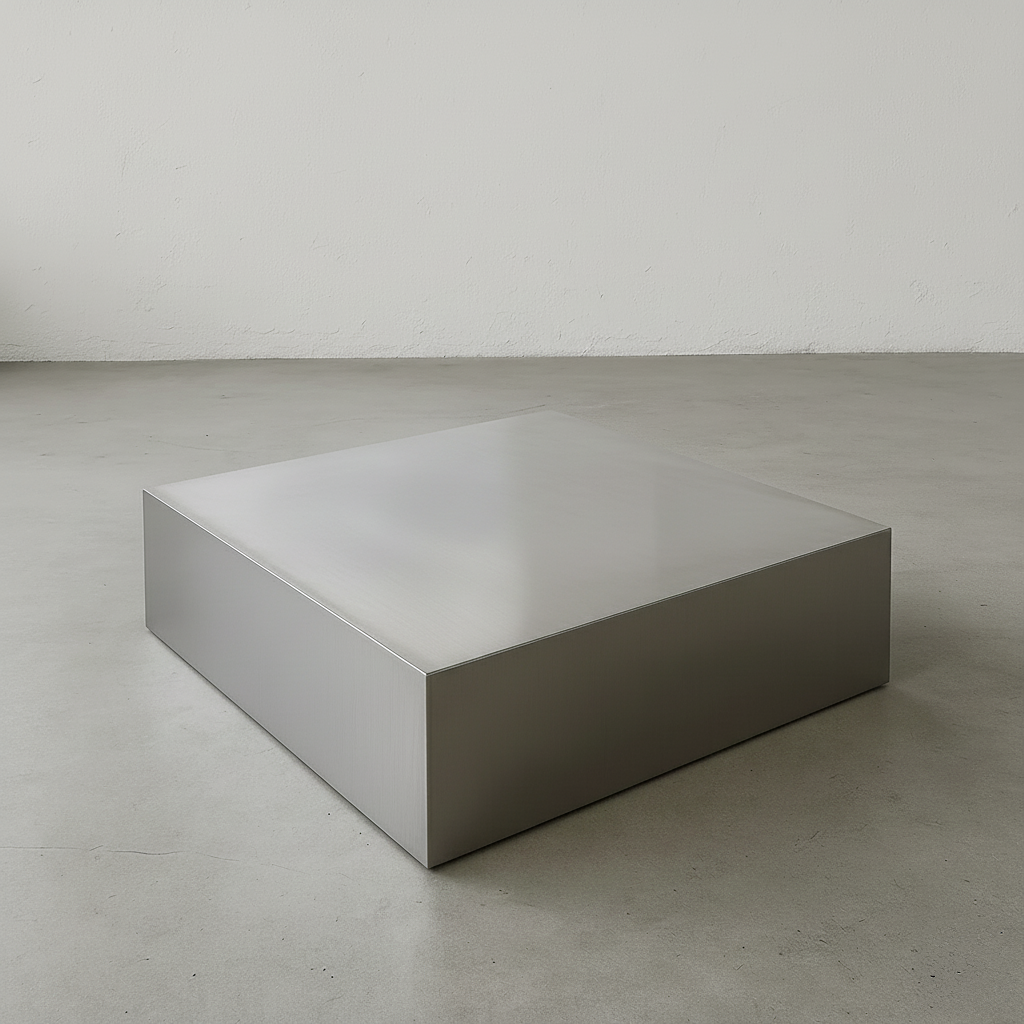
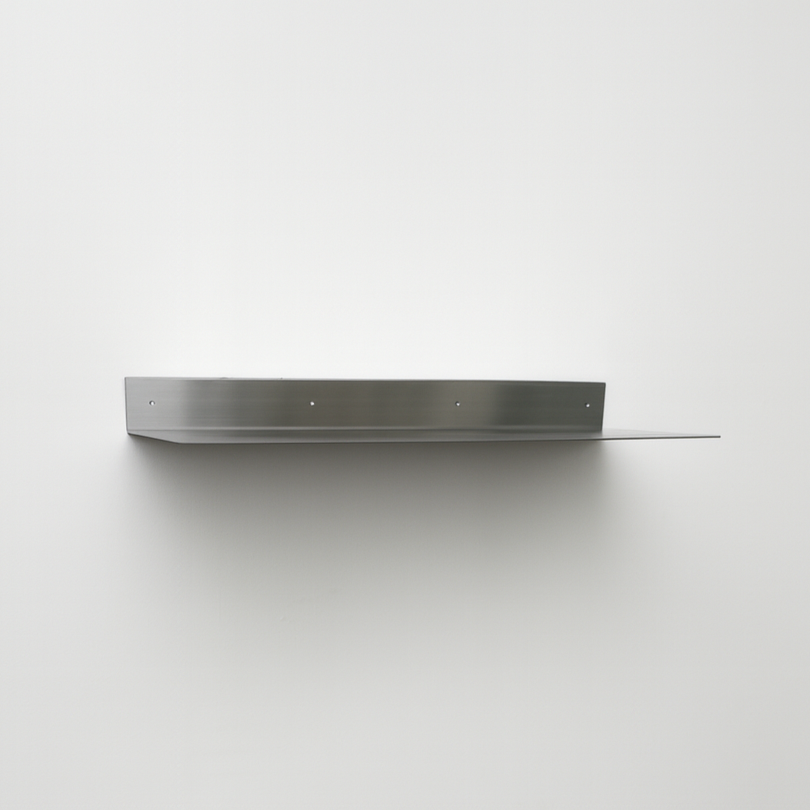
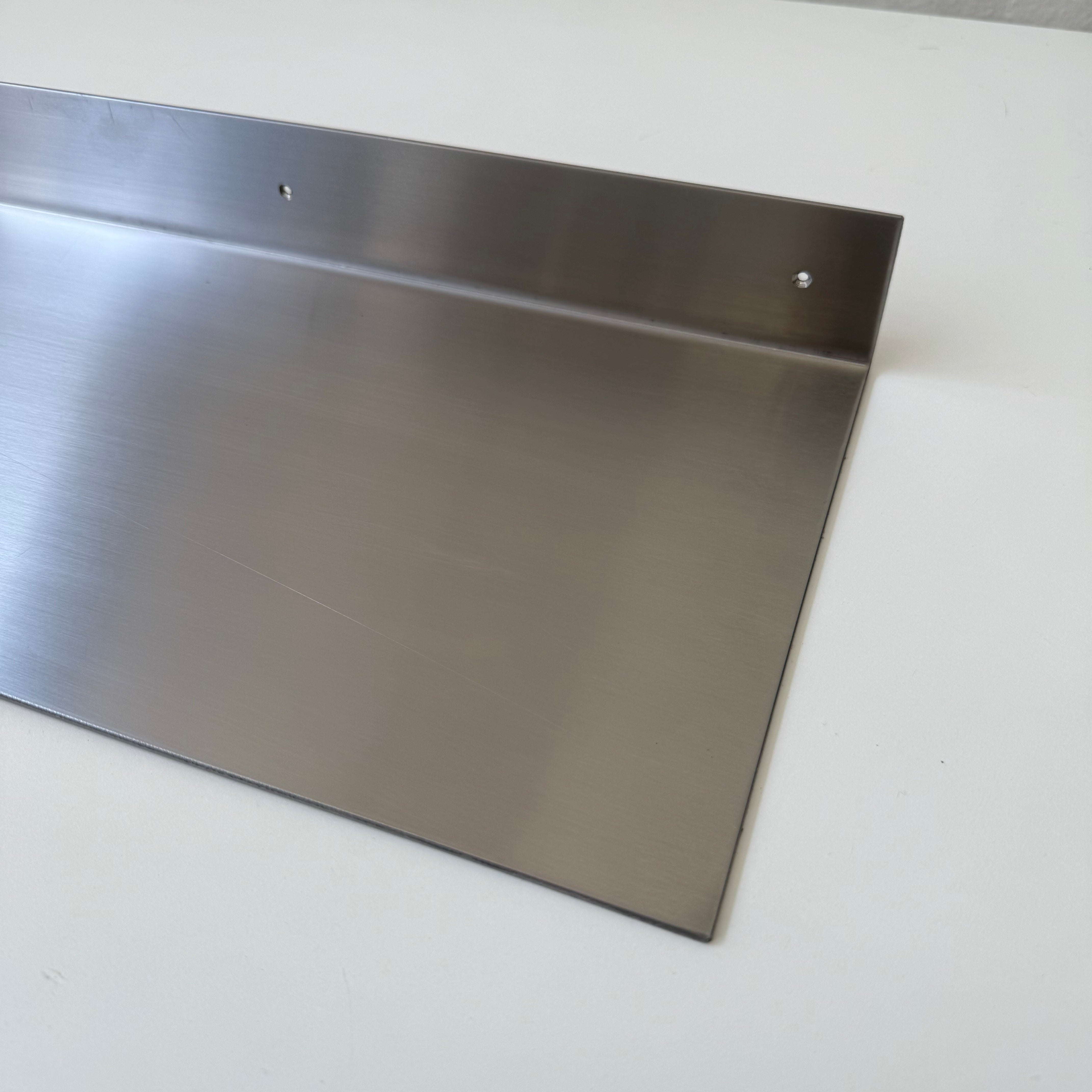
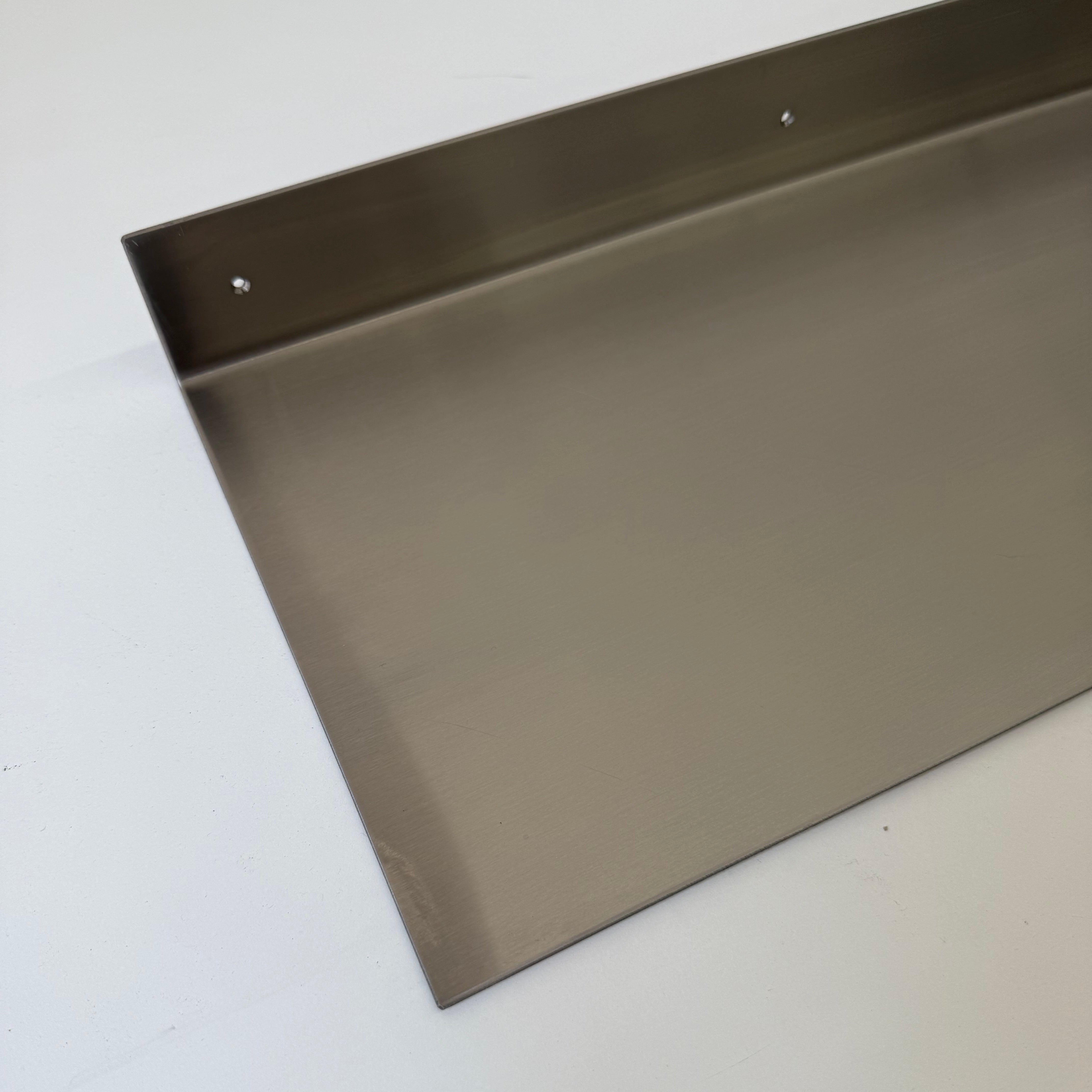
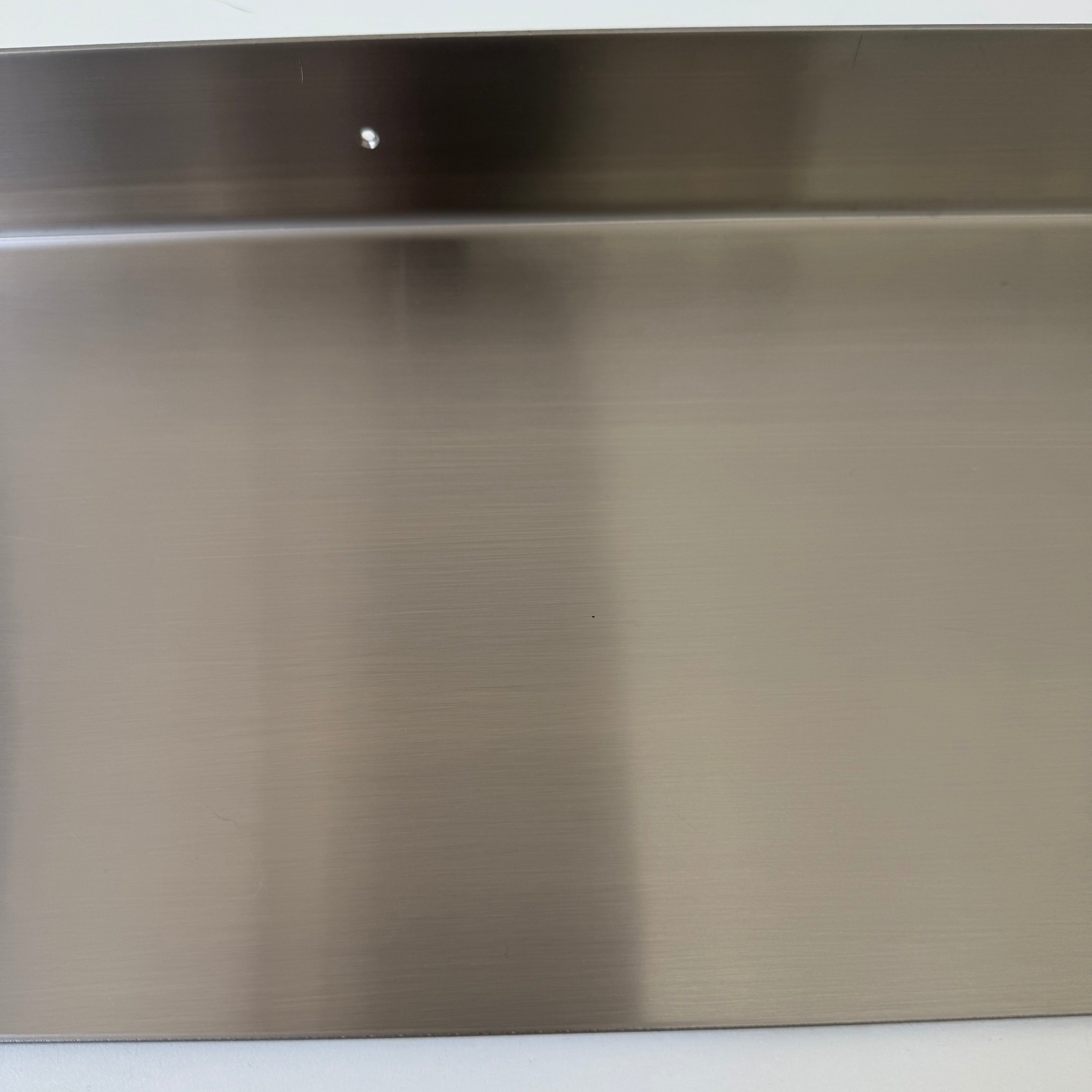
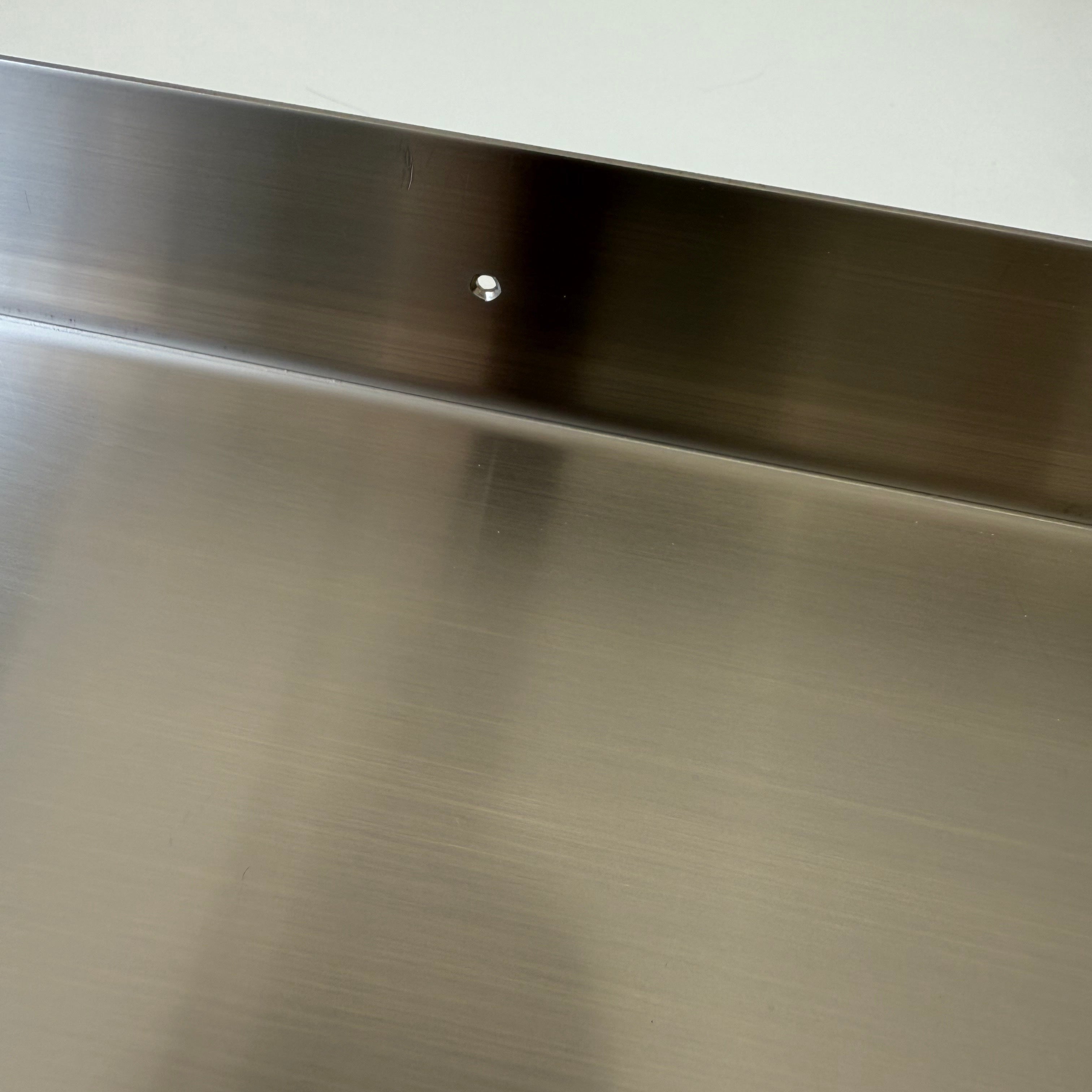
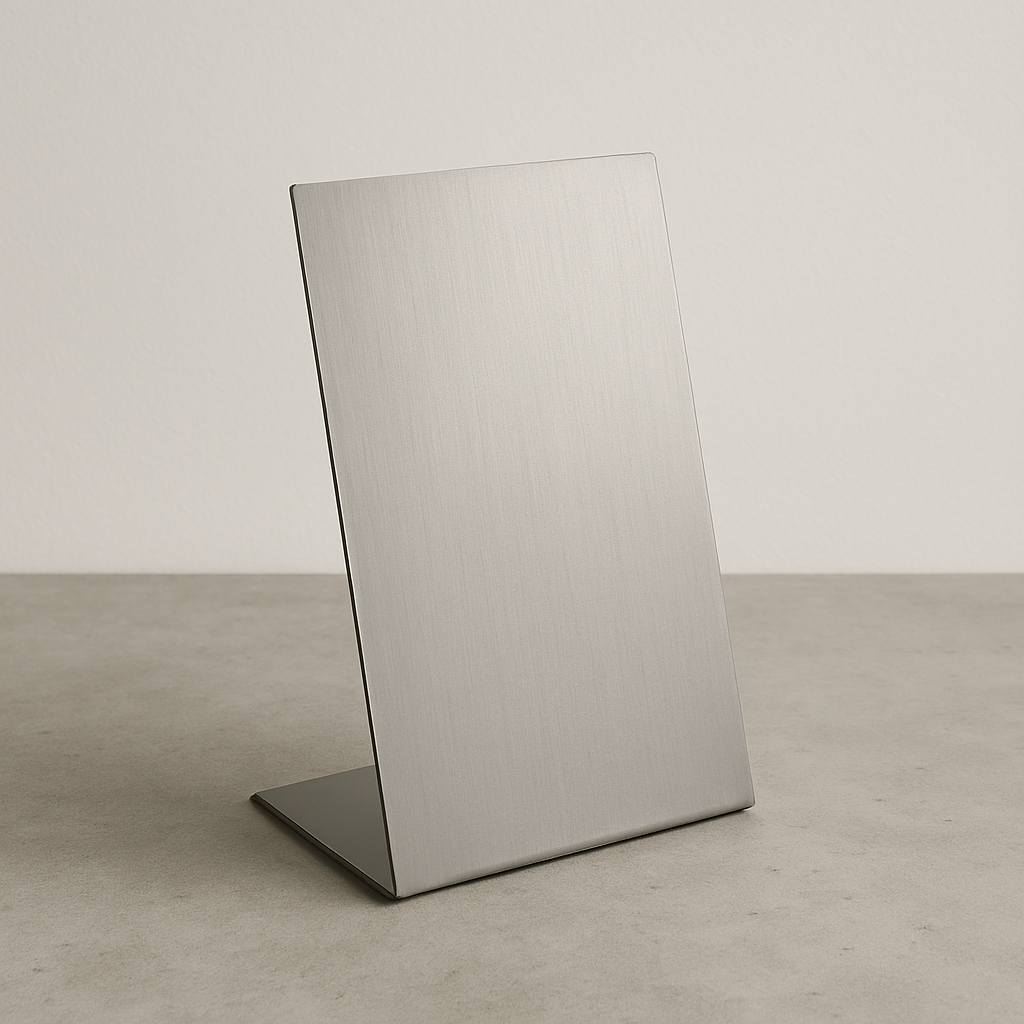
Stainless steel has become a popular choice for exactly this reason. It resists corrosion, wipes down easily, and holds a clean, modern look far longer than laminate or painted wood. For businesses that want that durability without sacrificing style, stainless steel furniture built specifically for reception areas tends to outlast most standard office-supply options.
| Material | Durability | Maintenance | Typical Cost | Best For |
|---|---|---|---|---|
| Stainless Steel | Very High | Low — wipes clean | Mid to High | Hotels, retail, medical offices |
| Laminate | Moderate | Moderate | Low | Small offices, budget setups |
| Solid Wood | High (with care) | High — needs polishing | High | Law firms, upscale hospitality |
| Acrylic/Glass Accents | Moderate | Low to Moderate | Low to Mid | Modern retail, tech offices |
3. Design and Brand Alignment
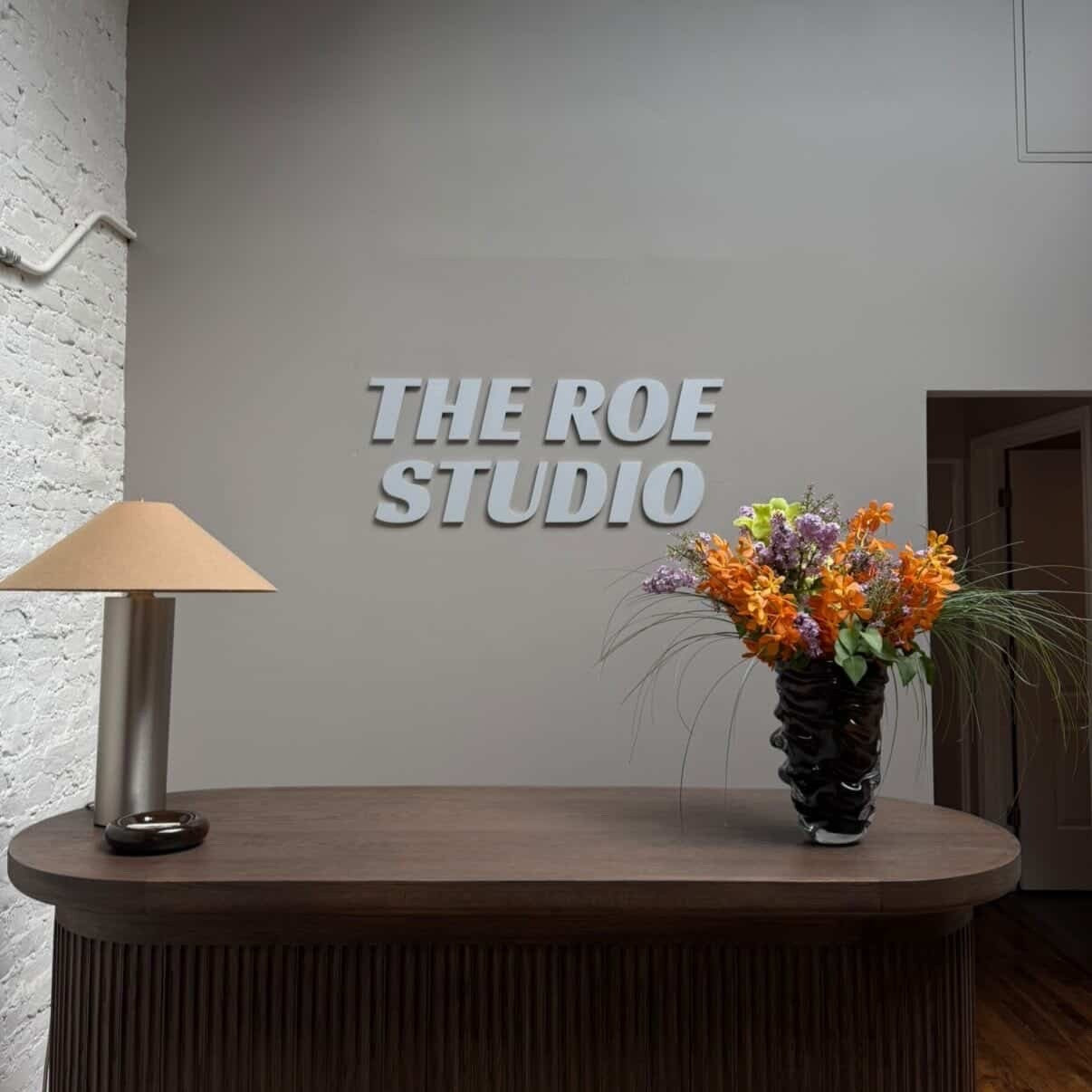
A front desk should look like it belongs to the business, not like it was pulled from a generic showroom. Color, shape, and finish all communicate something. A minimalist tech startup and a boutique hotel shouldn't be shopping from the same mold.
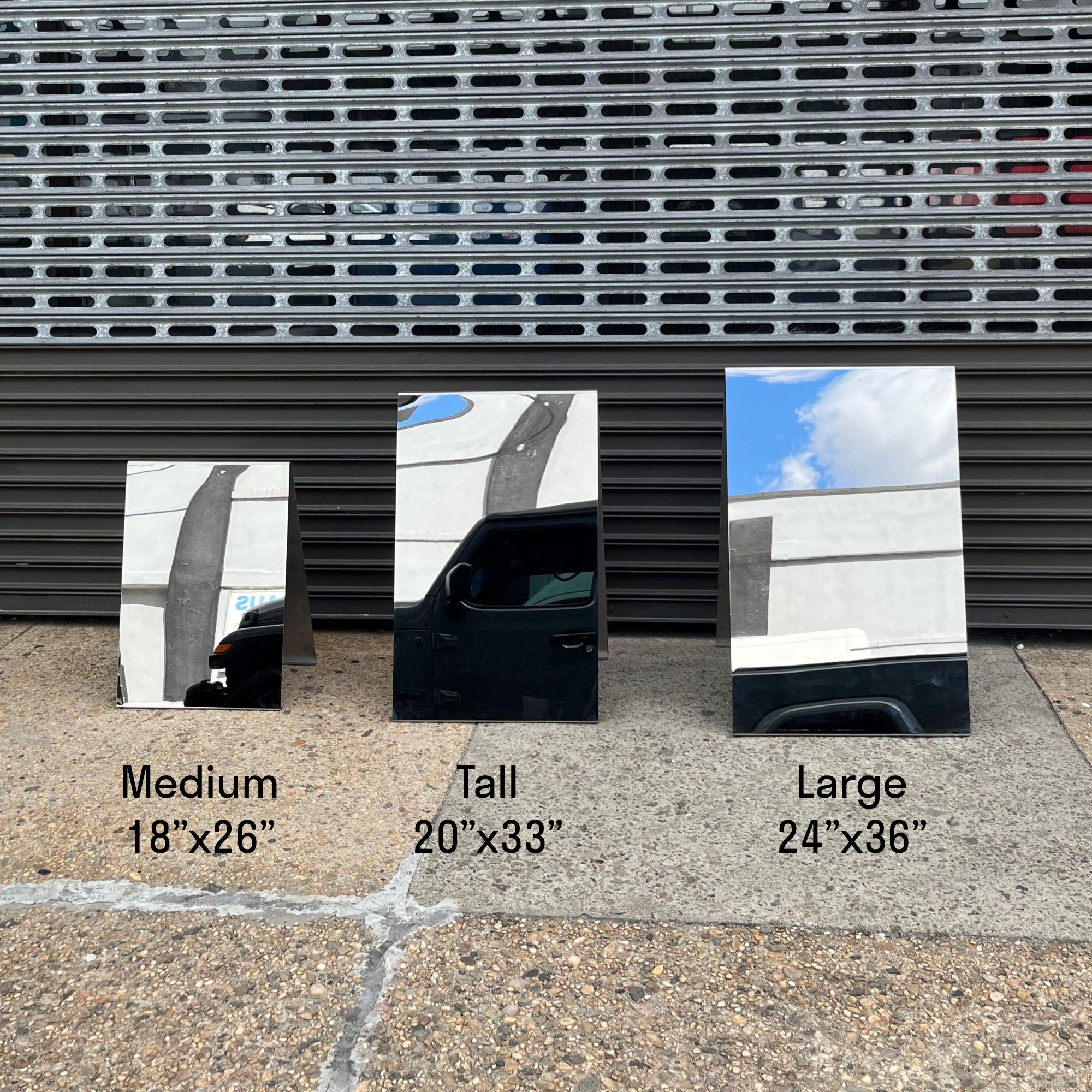
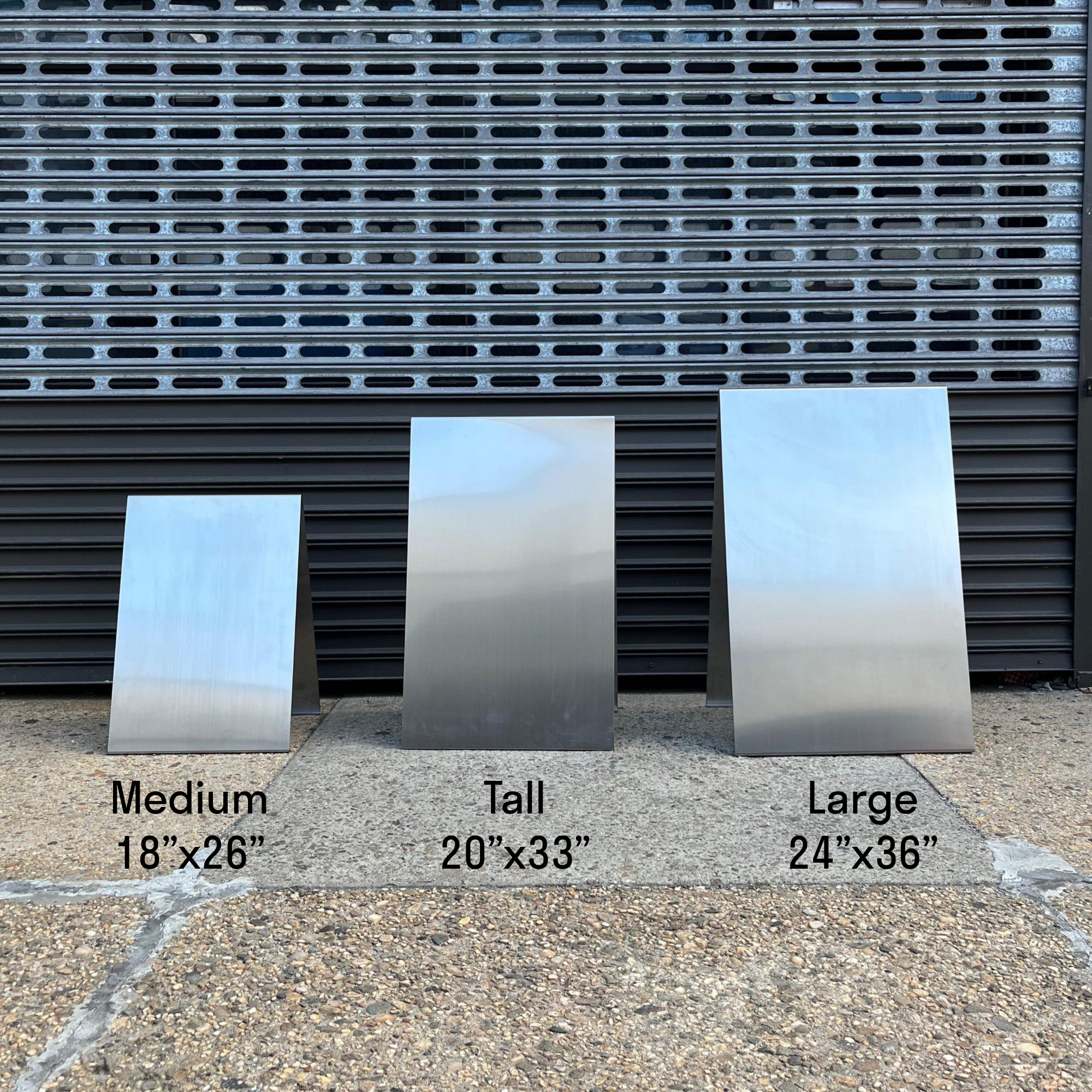
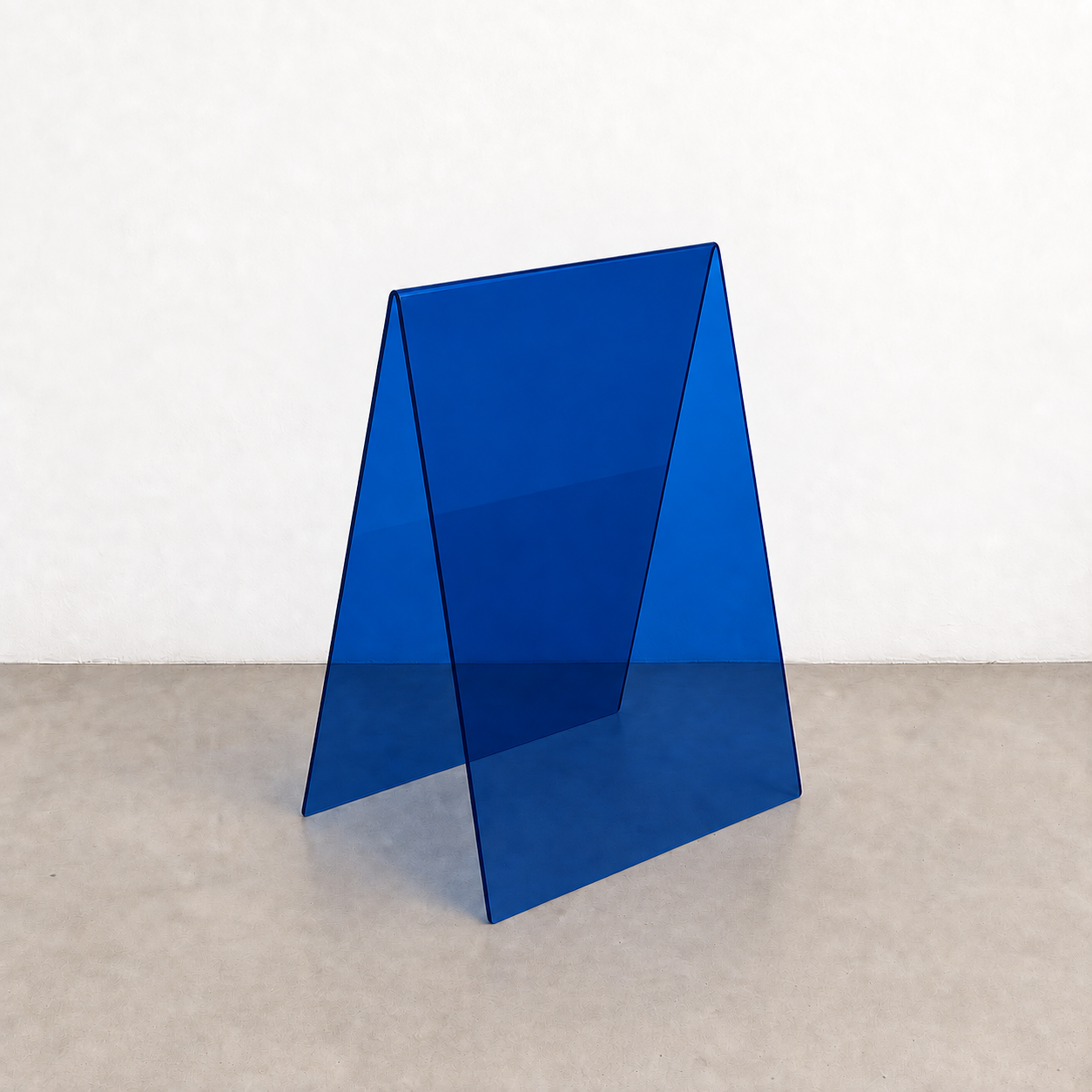
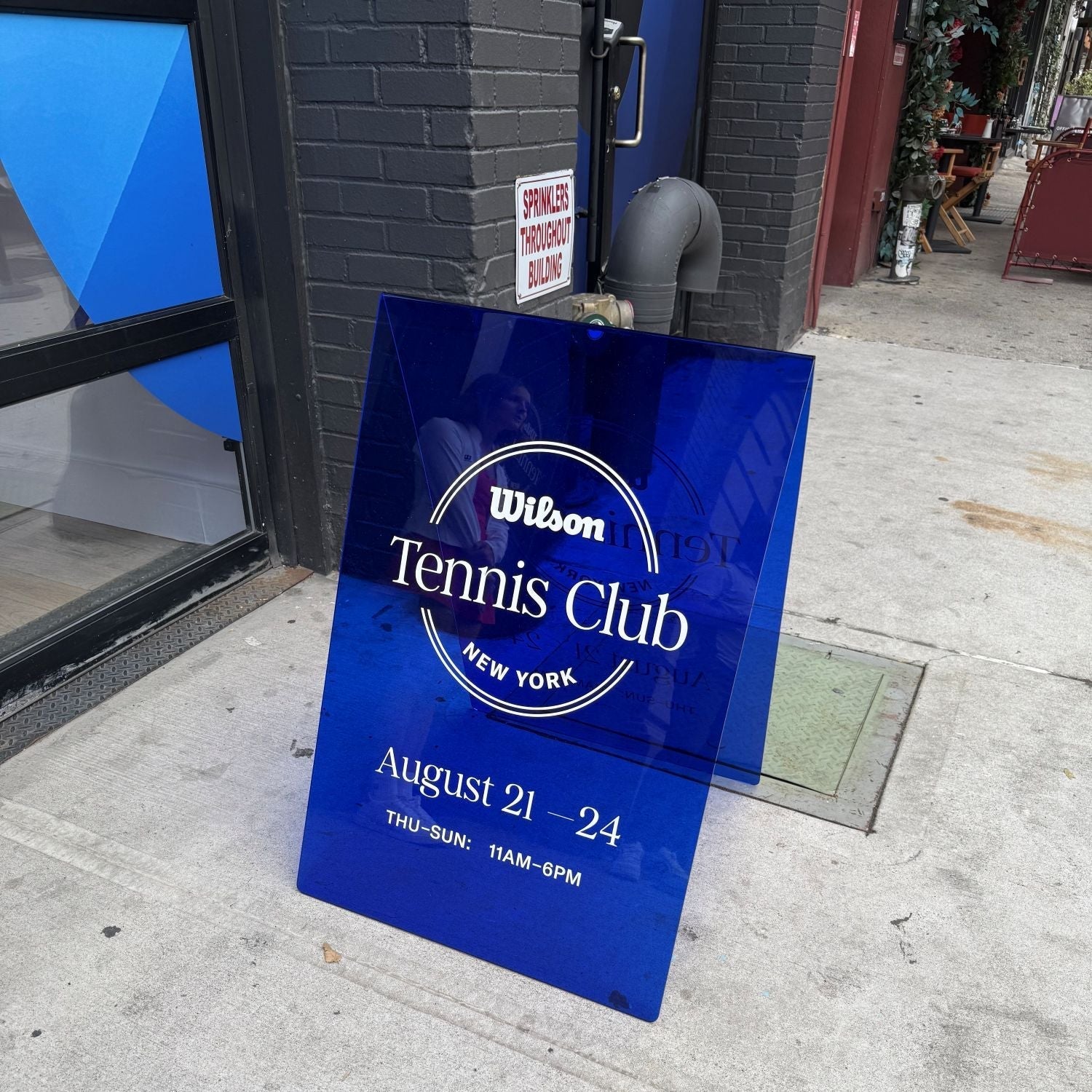
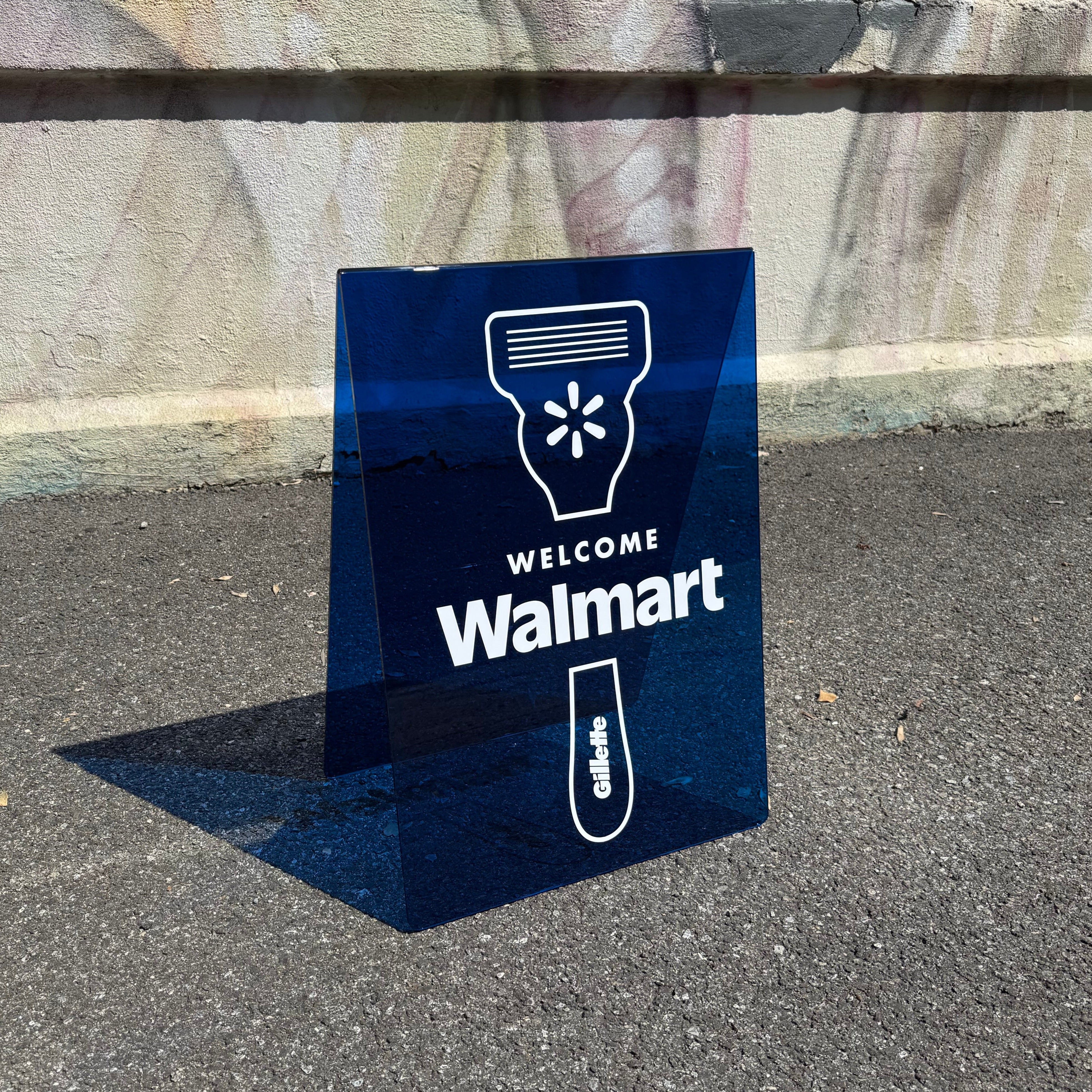
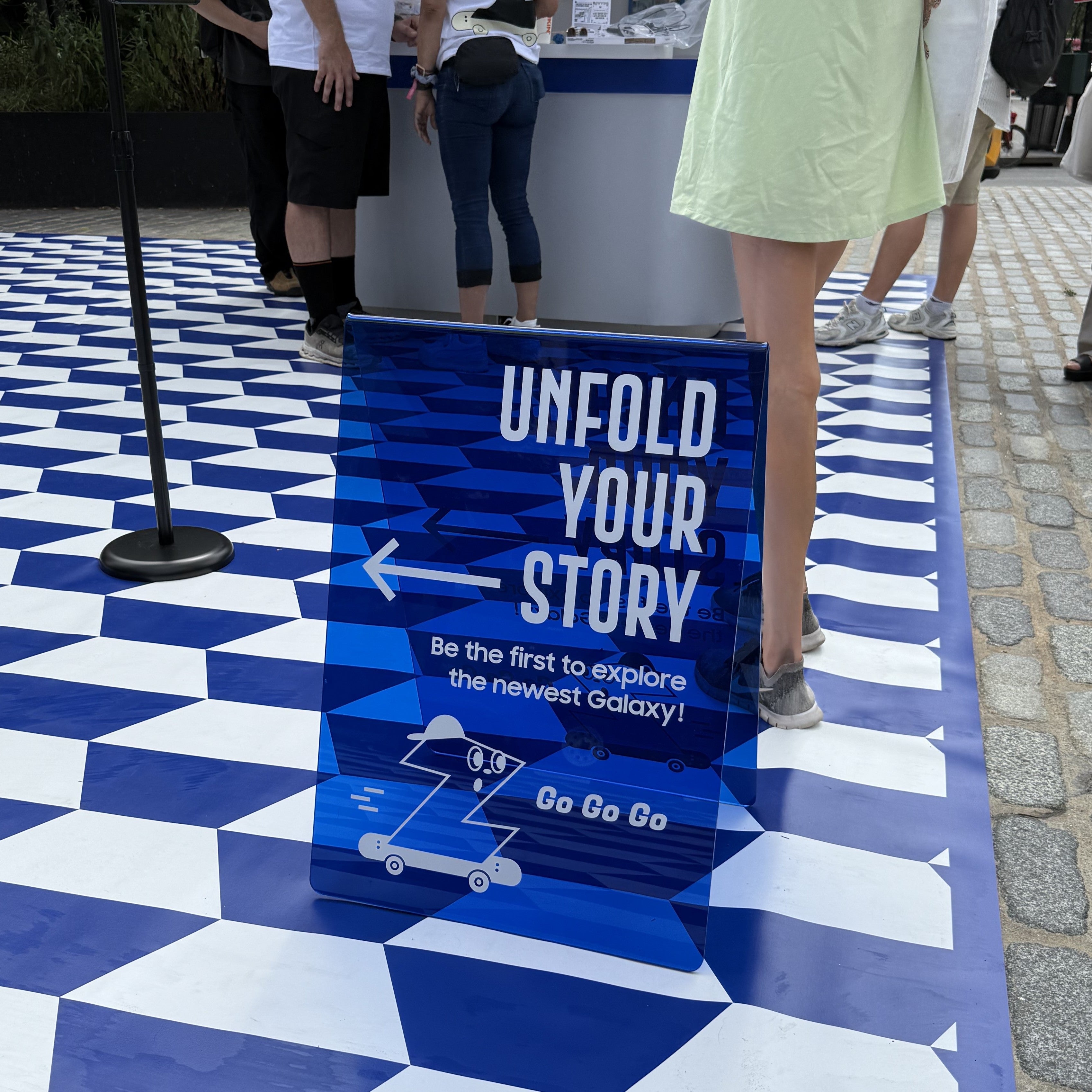
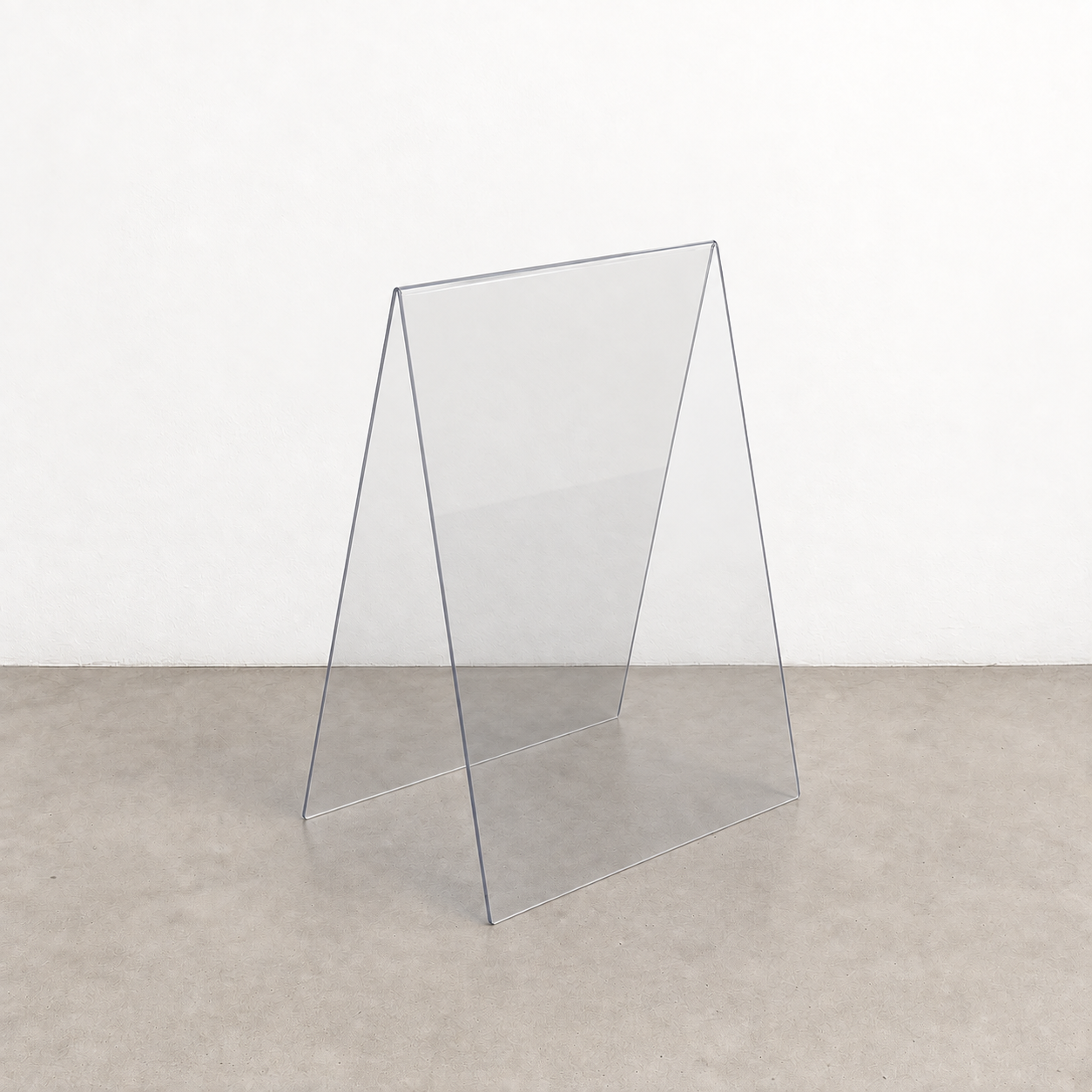
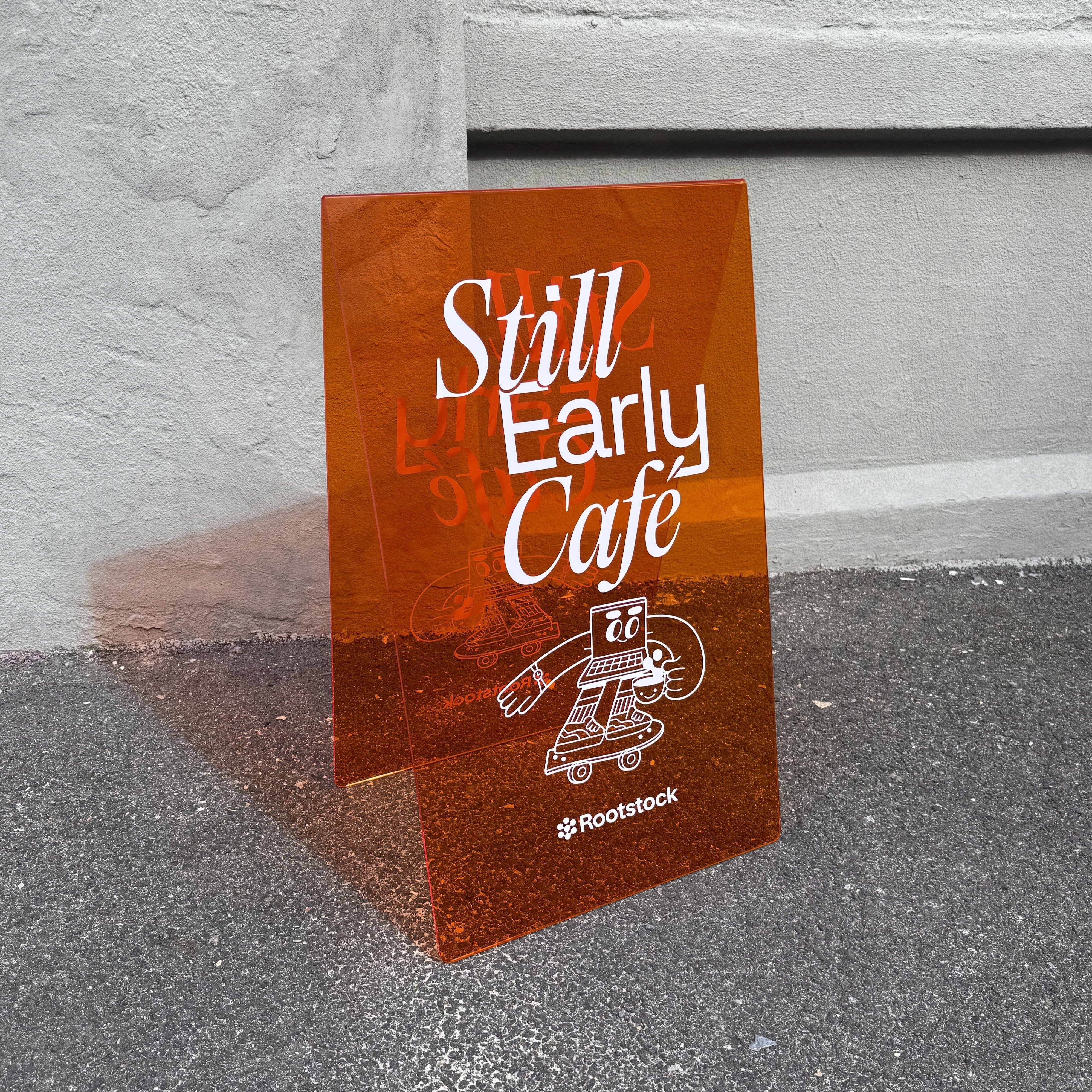
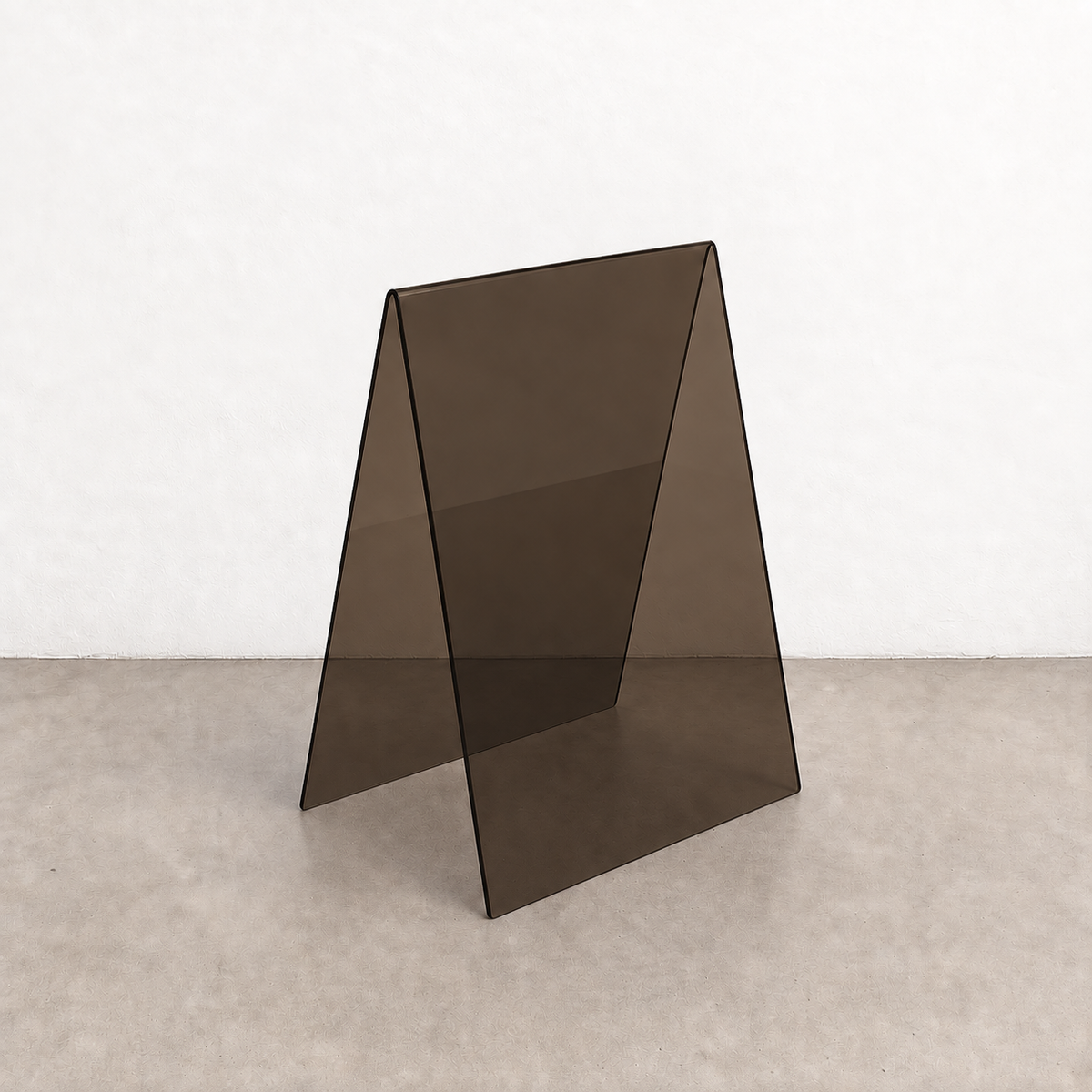
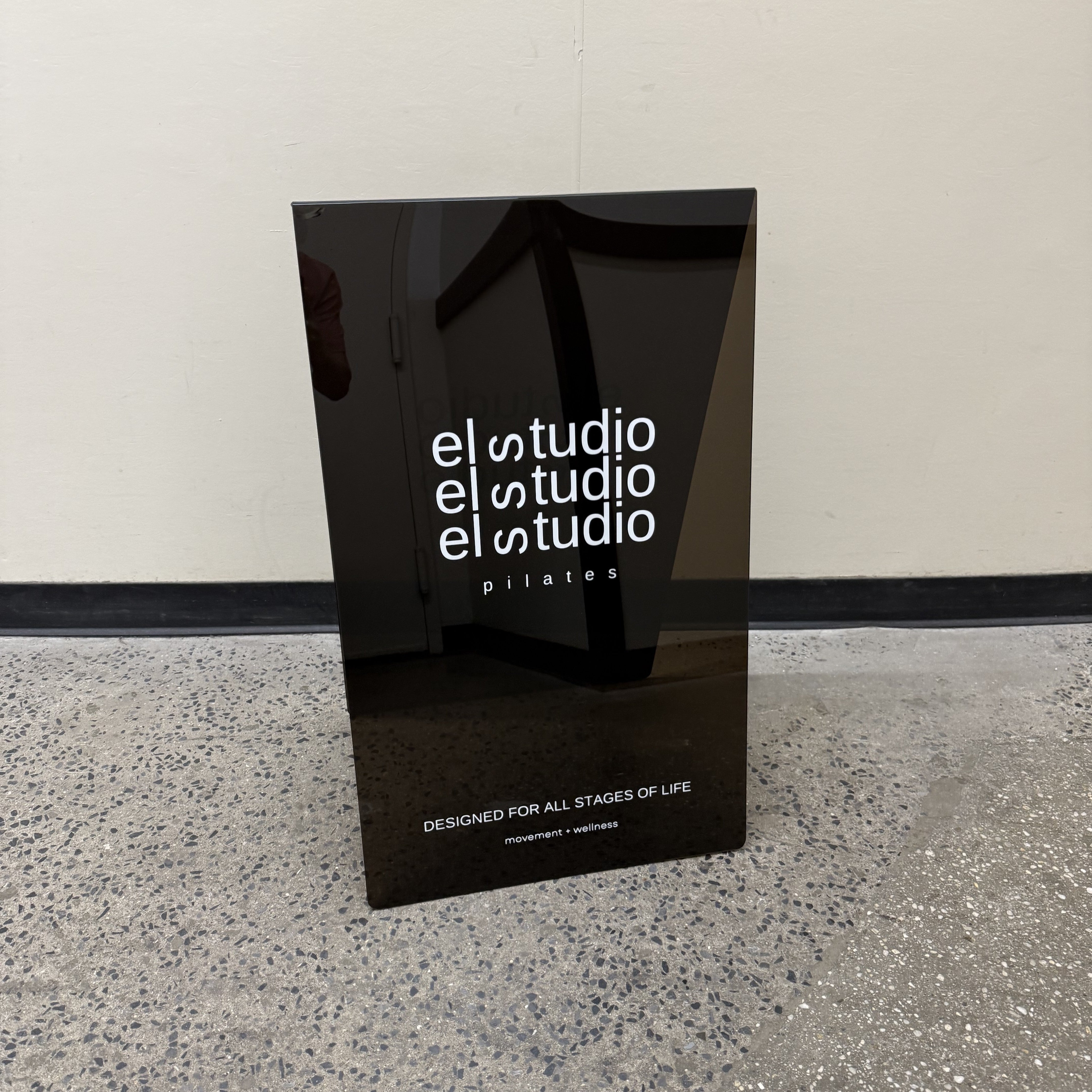
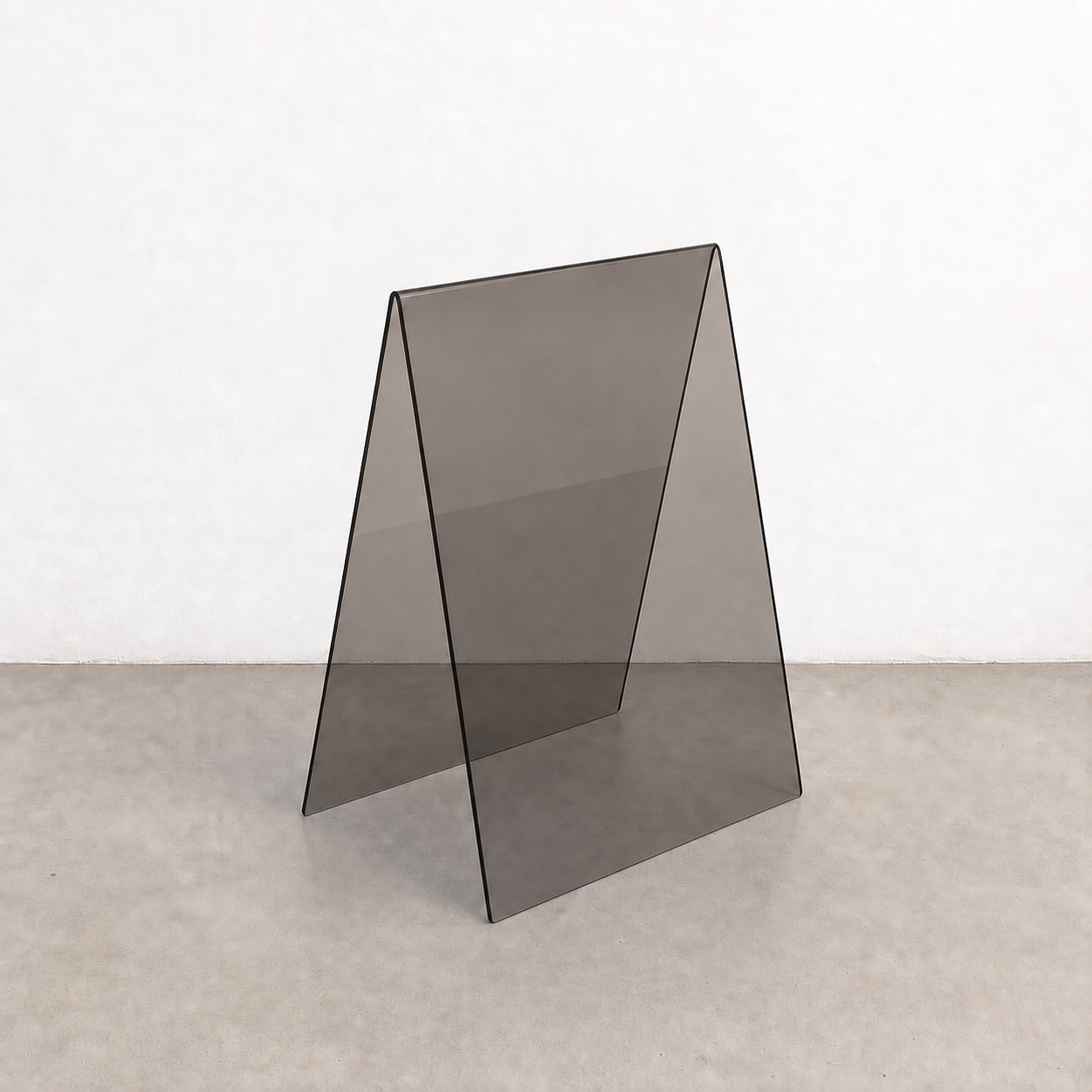
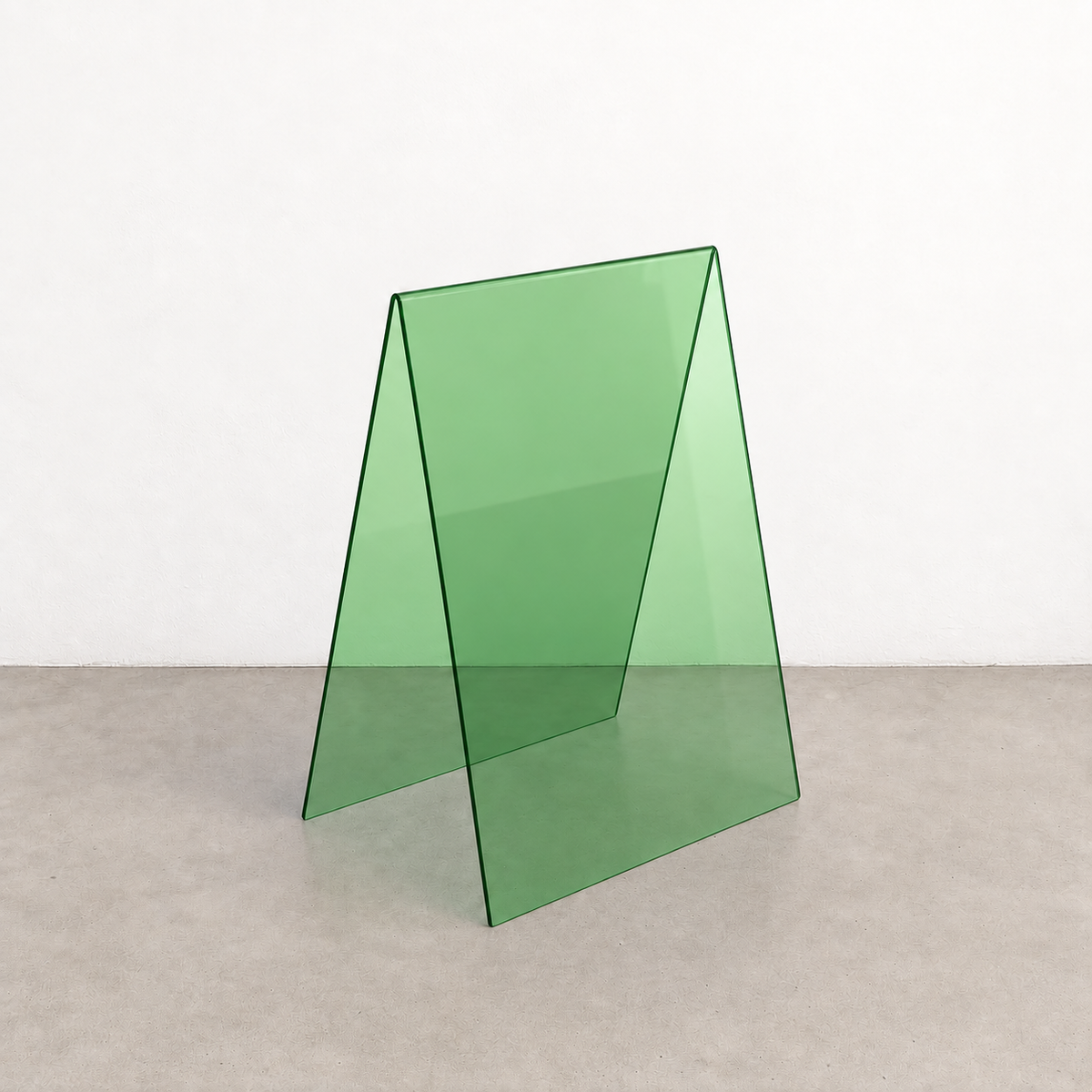
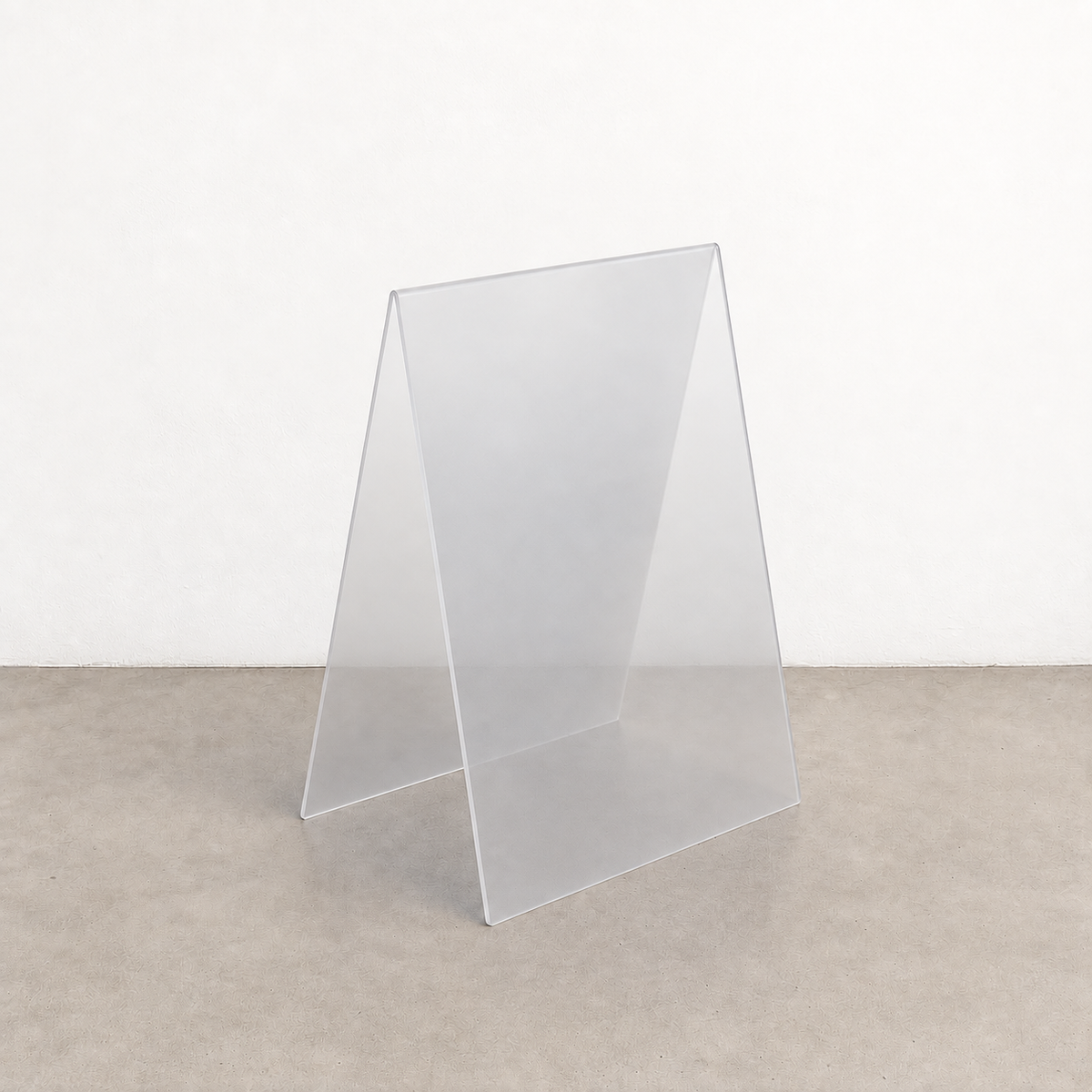
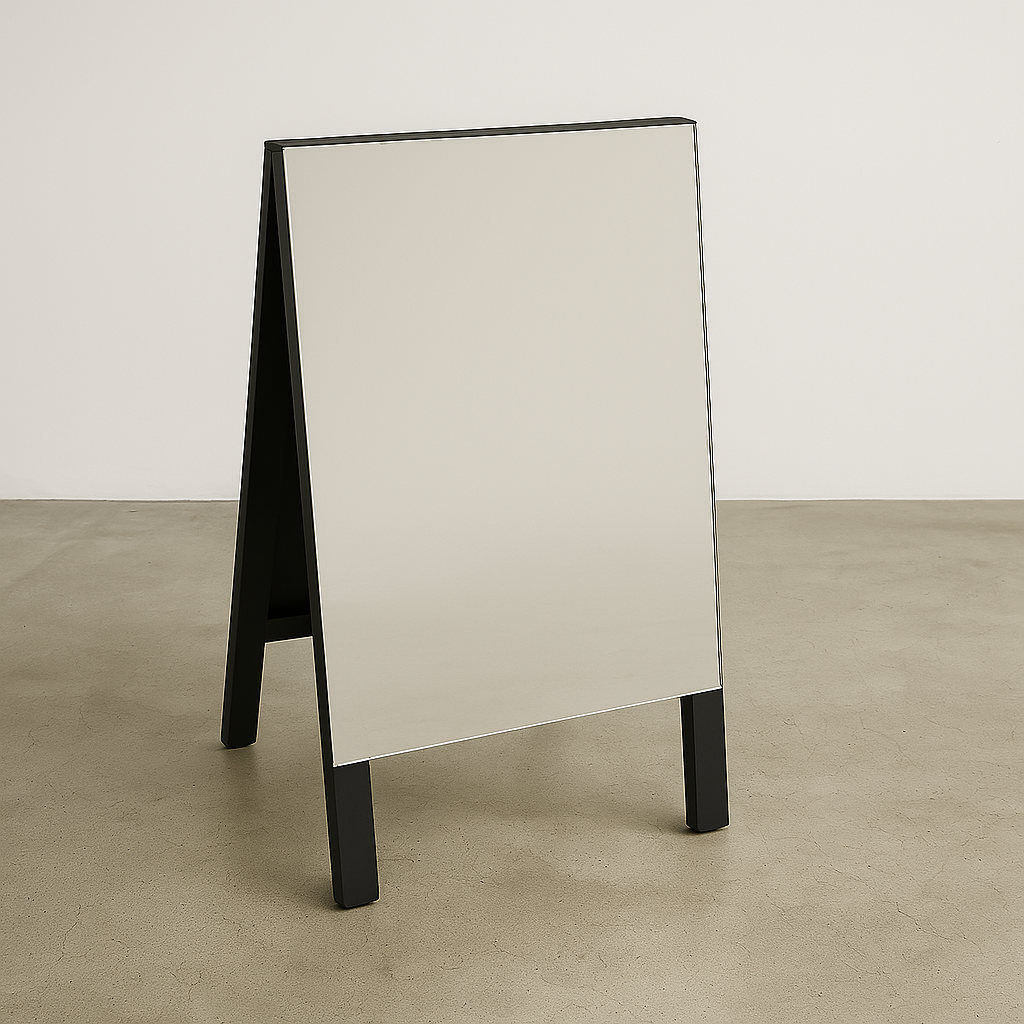
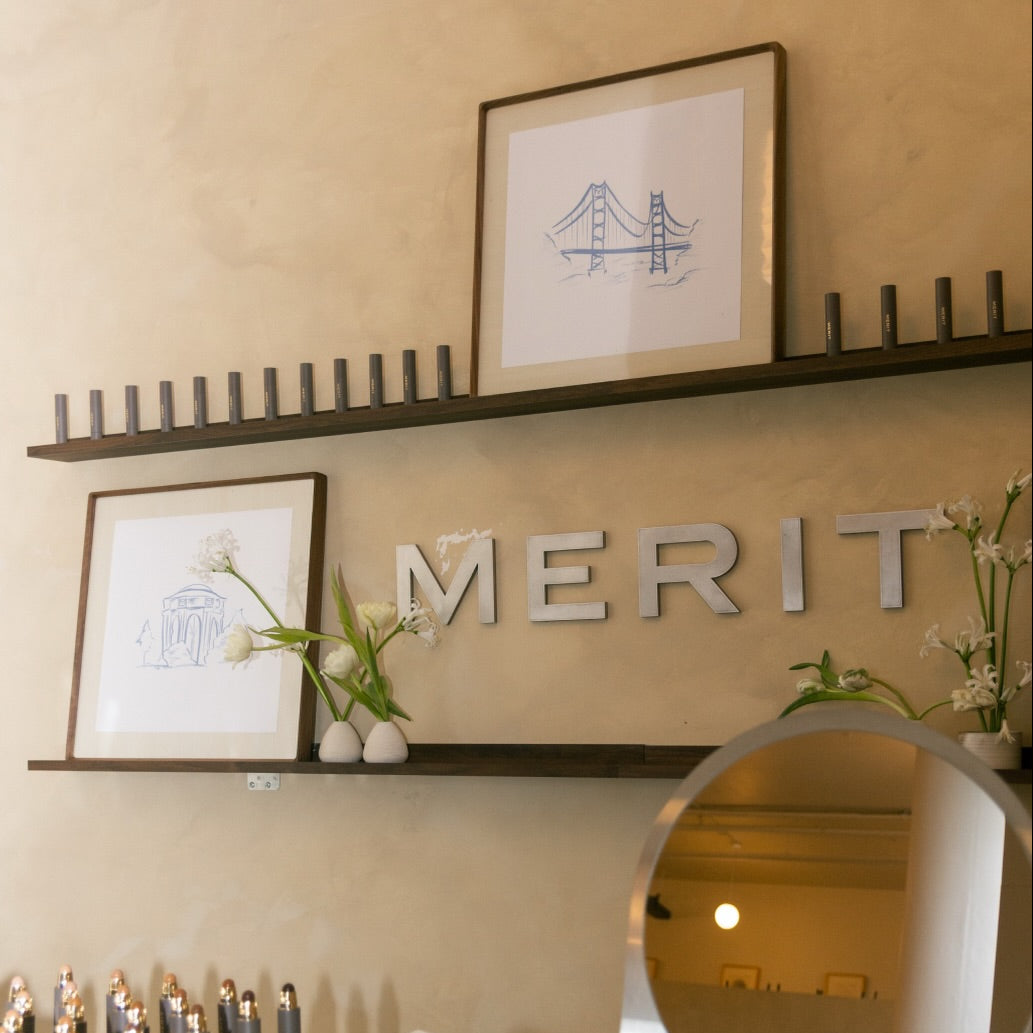
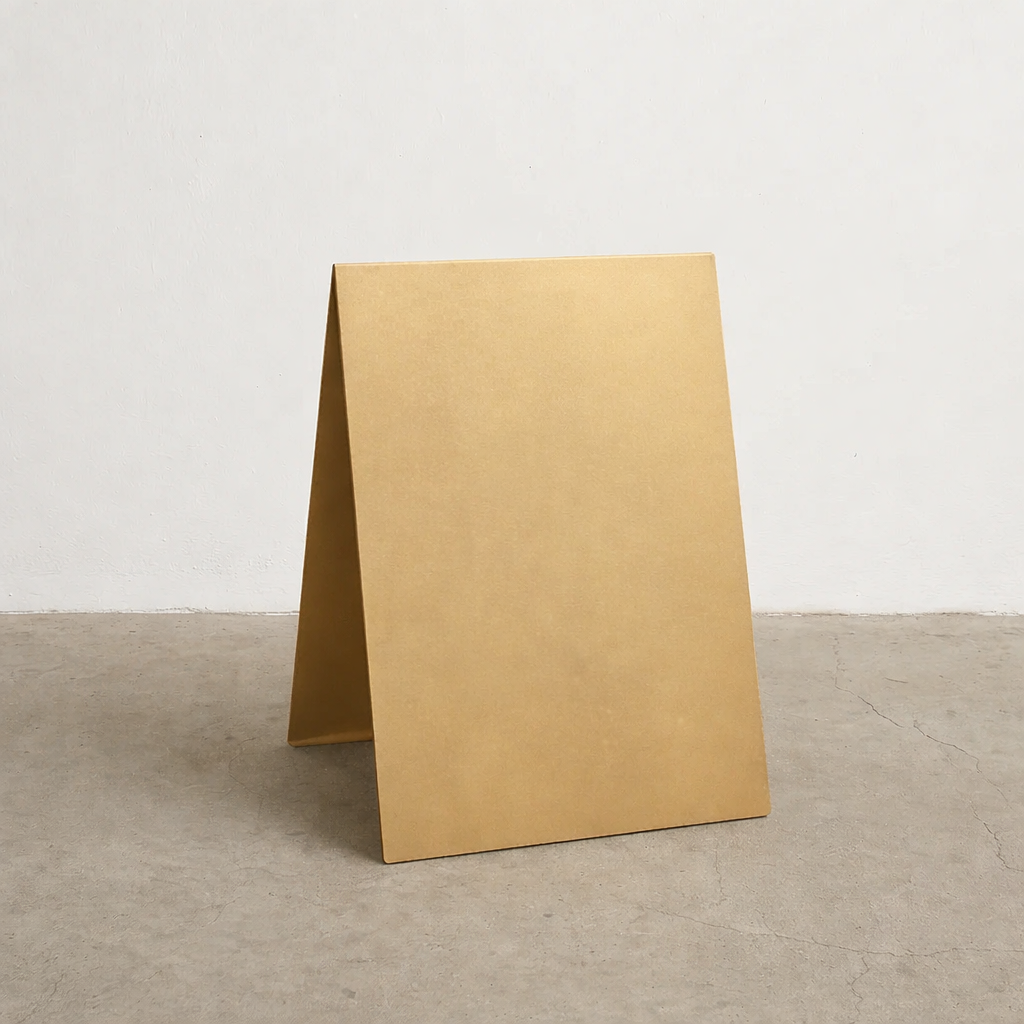
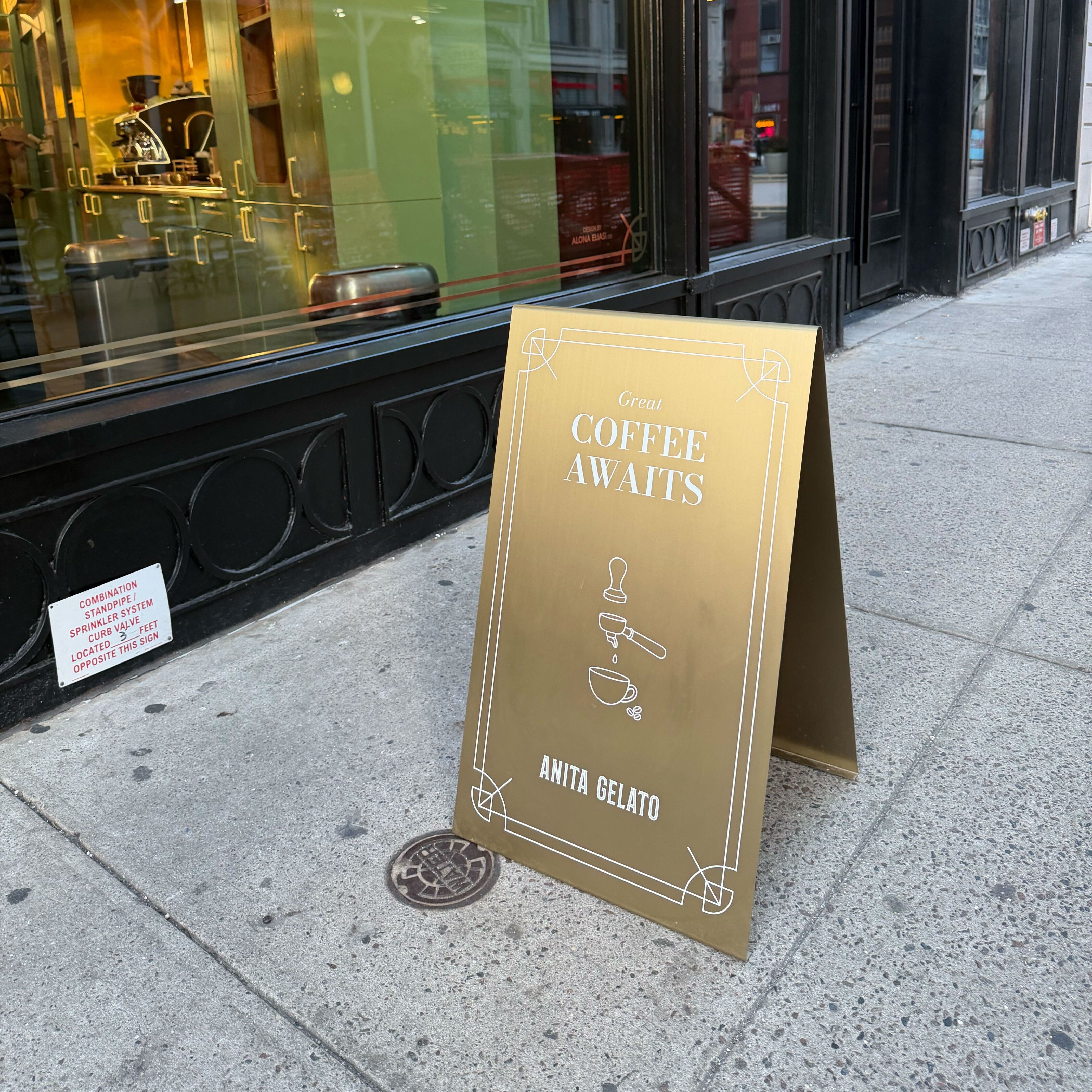
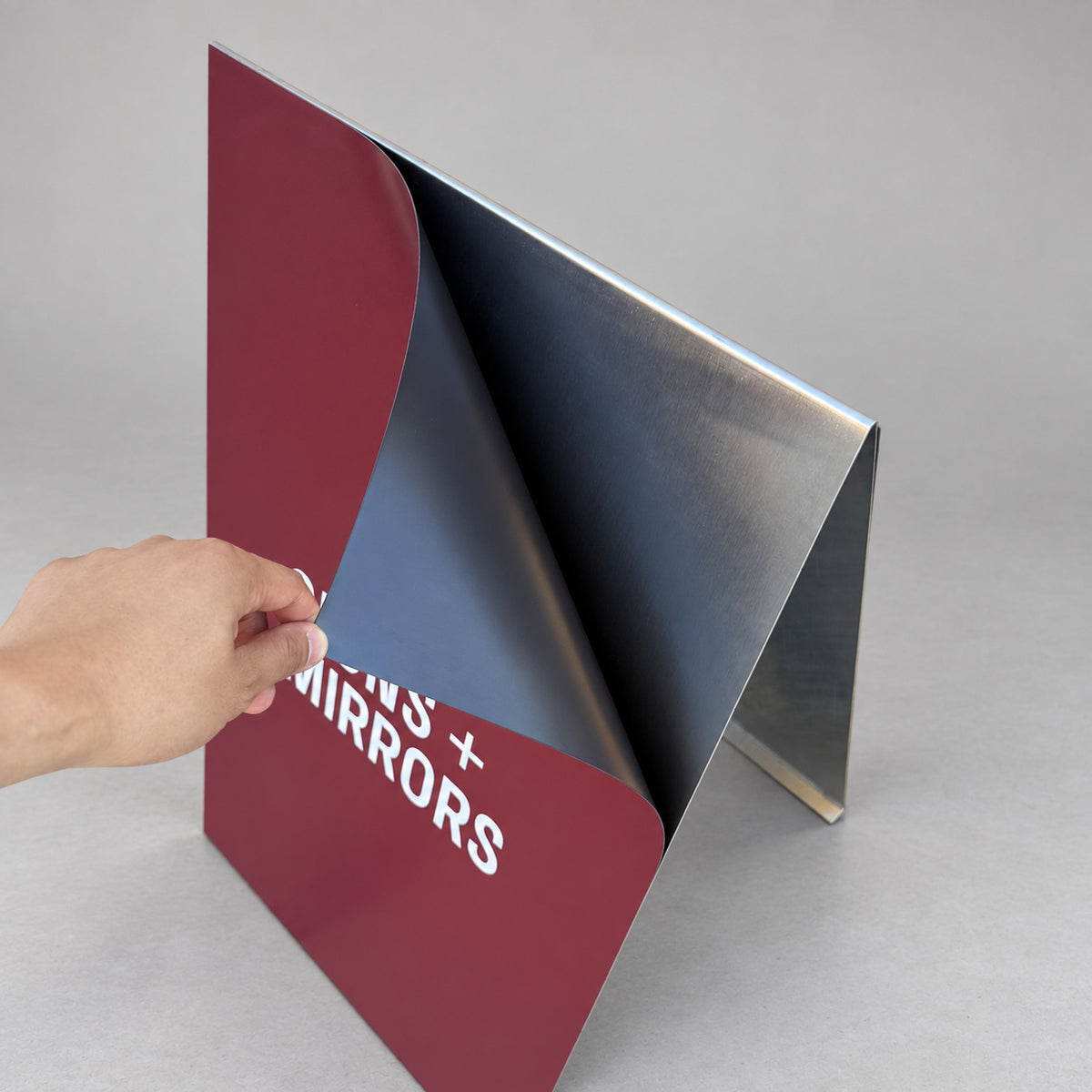
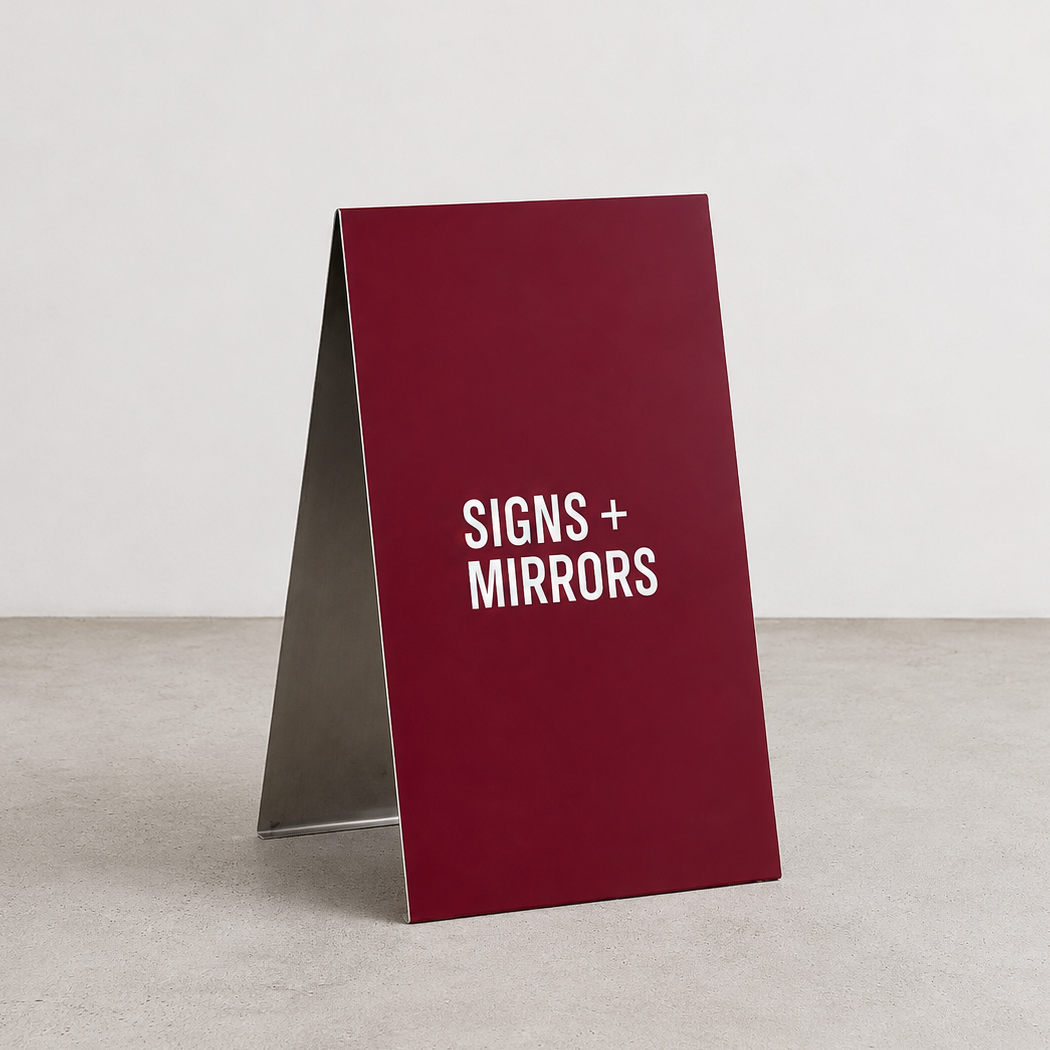
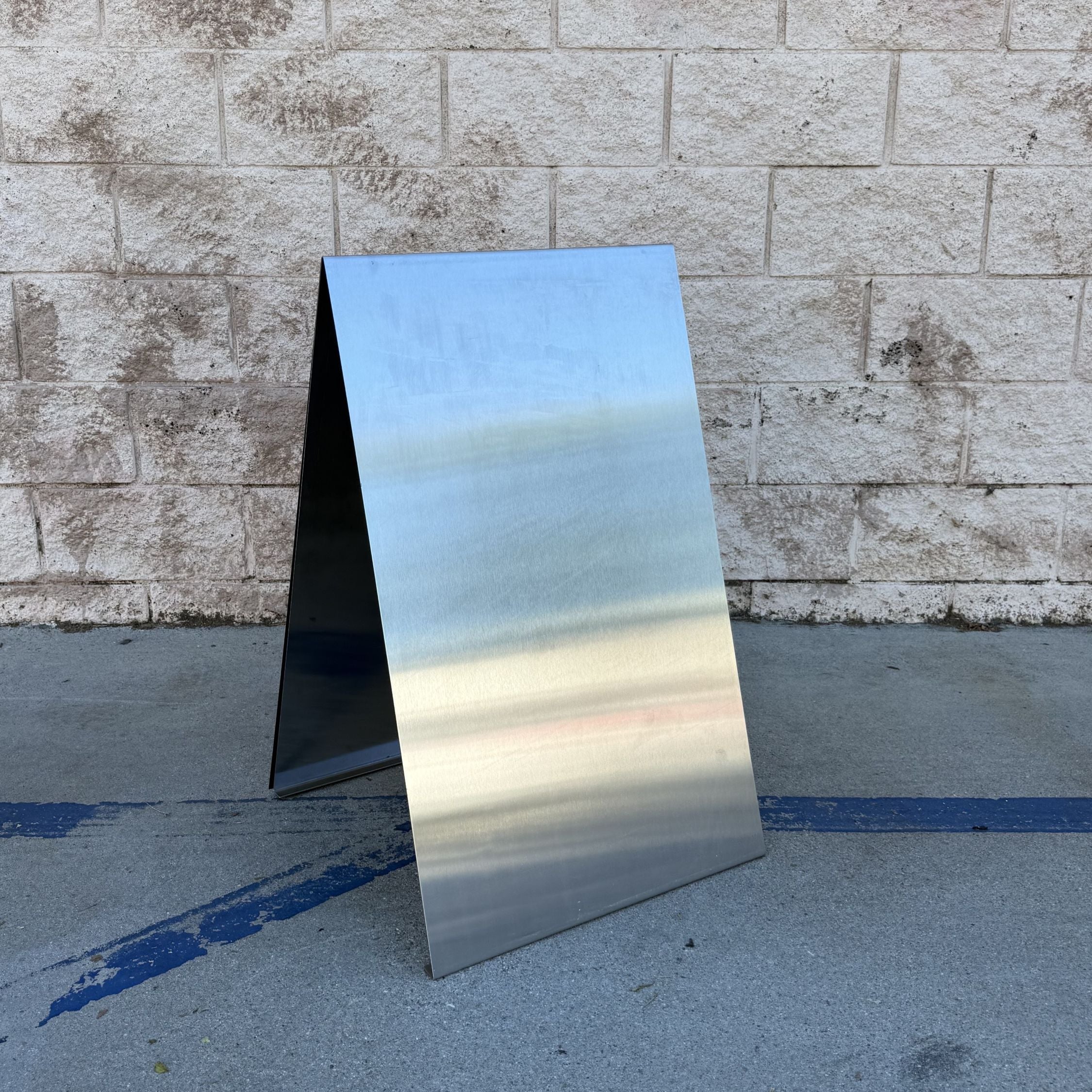
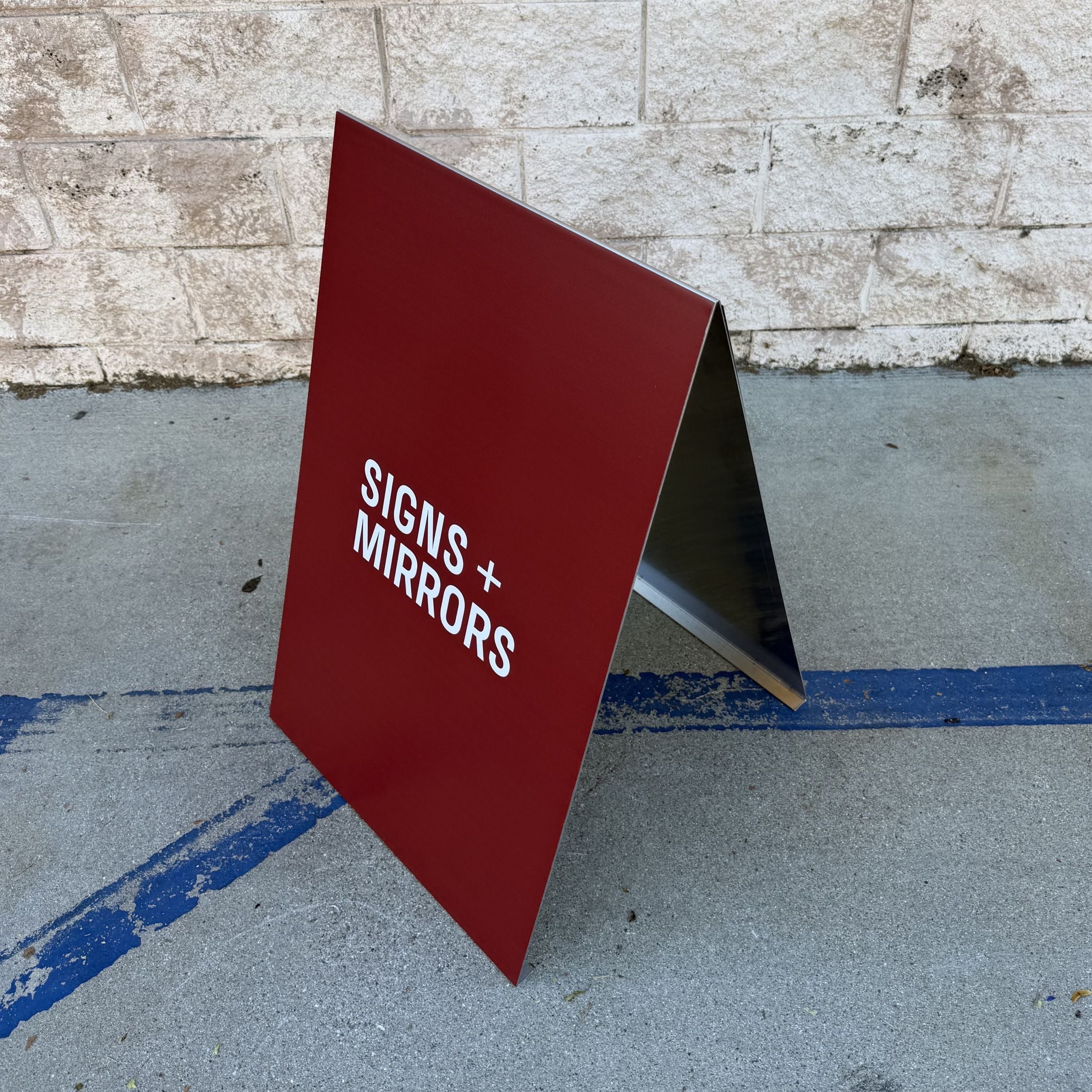
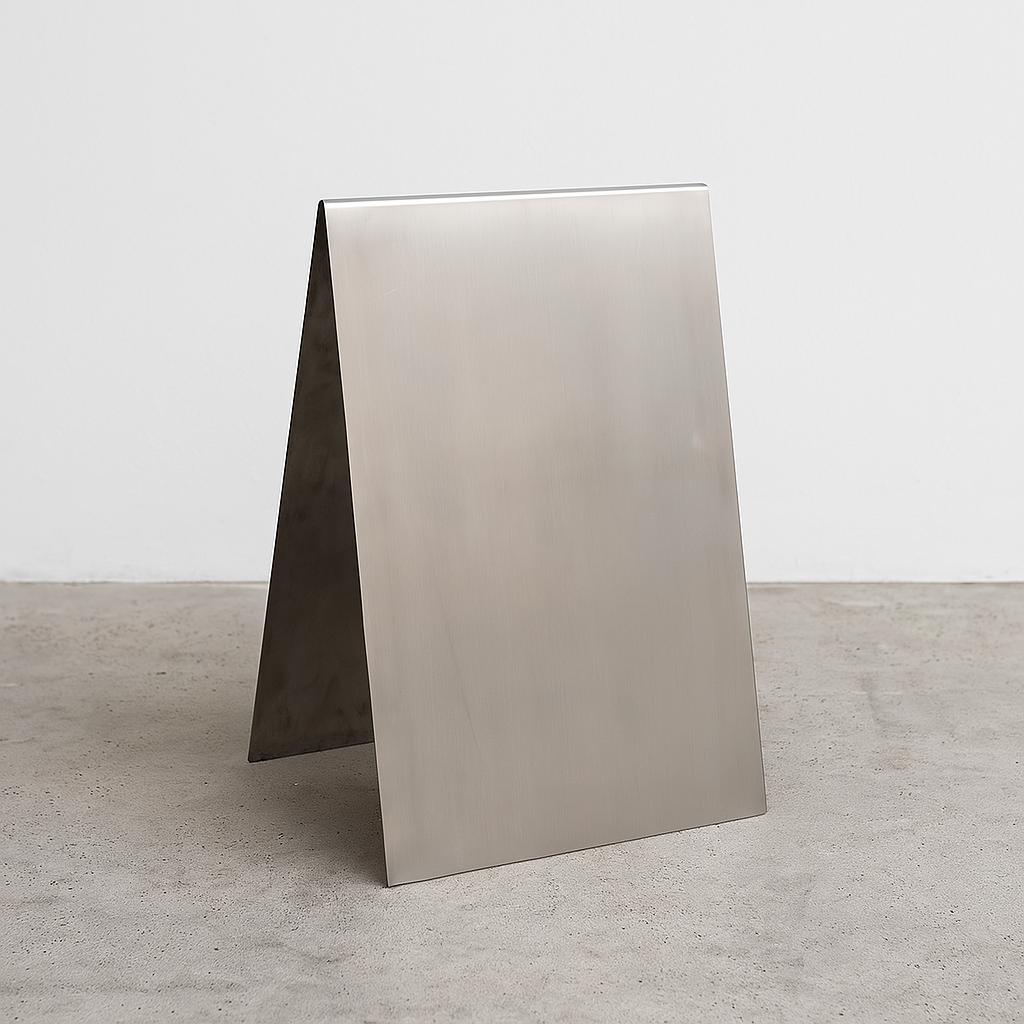
Businesses that want a cohesive look often pair their desk with matching signage — a stainless steel logo panel behind the counter, or a mirrored sandwich board out front directing walk-in traffic. Browsing a stainless steel signage collection alongside furniture options helps keep the whole entrance visually consistent.
4. Storage and Functionality
Behind the polished front, a good desk needs to actually work. That means drawers for supplies, a hidden spot for a printer or scanner, cable pass-throughs, and enough counter depth for a monitor without crowding the visitor-facing side.
5. Budget
Prices for front desks vary widely depending on size, material, and whether it's custom-built. A basic laminate reception counter might run a few hundred dollars, while a large stainless steel hotel front desk with integrated lighting and branding can run into the thousands. It's worth checking current pricing directly with suppliers, since material costs shift year to year.
Standard vs. Custom Front Desks
Off-the-shelf desks work fine for straightforward layouts and tight timelines. But irregular spaces, curved entryways, or brand-specific requirements often push businesses toward custom builds instead.
| Factor | Standard Desk | Custom Desk |
|---|---|---|
| Lead Time | Days to a couple weeks | Several weeks, depending on complexity |
| Cost | Lower upfront | Higher upfront, better long-term fit |
| Fit for Unusual Spaces | Limited | Excellent |
| Branding Integration | Minimal | Fully customizable |
For businesses leaning toward a tailored build, a custom furniture configurator makes it possible to adjust dimensions, finishes, and layout before ordering, which cuts down on guesswork. There's also a broader option to design a desk, shelf, or table from scratch when a project needs more than a catalog item can offer.

Choose a Front Desk for Your Space With Signs and Mirrors
Signs and Mirrors makes stainless steel front desks for hotels, studios, retail stores, salons, offices, reception areas, and other commercial interiors. Options include rounded or sharp edges, standard dimensions, and custom configurations for different layouts.
Need a Front Desk Built for Daily Commercial Use?
Signs and Mirrors offers:
- rounded and sharp desk designs
- brushed or polished 304 stainless steel
- custom sizes and configurations
- furniture made for commercial interiors
- shipping and installation support
👉 Explore Signs and Mirrors and choose the design that fits your space.
Below are stainless steel front desk options available from Signs and Mirrors.

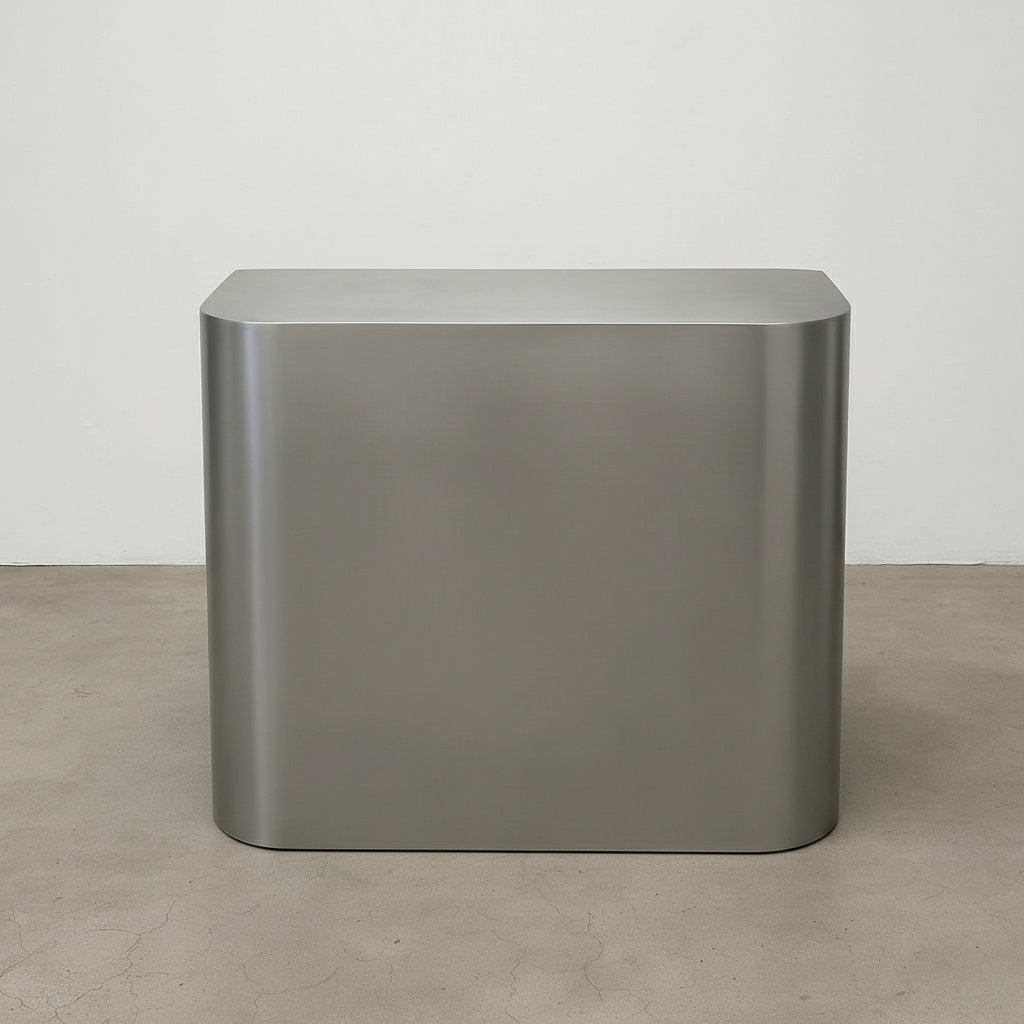
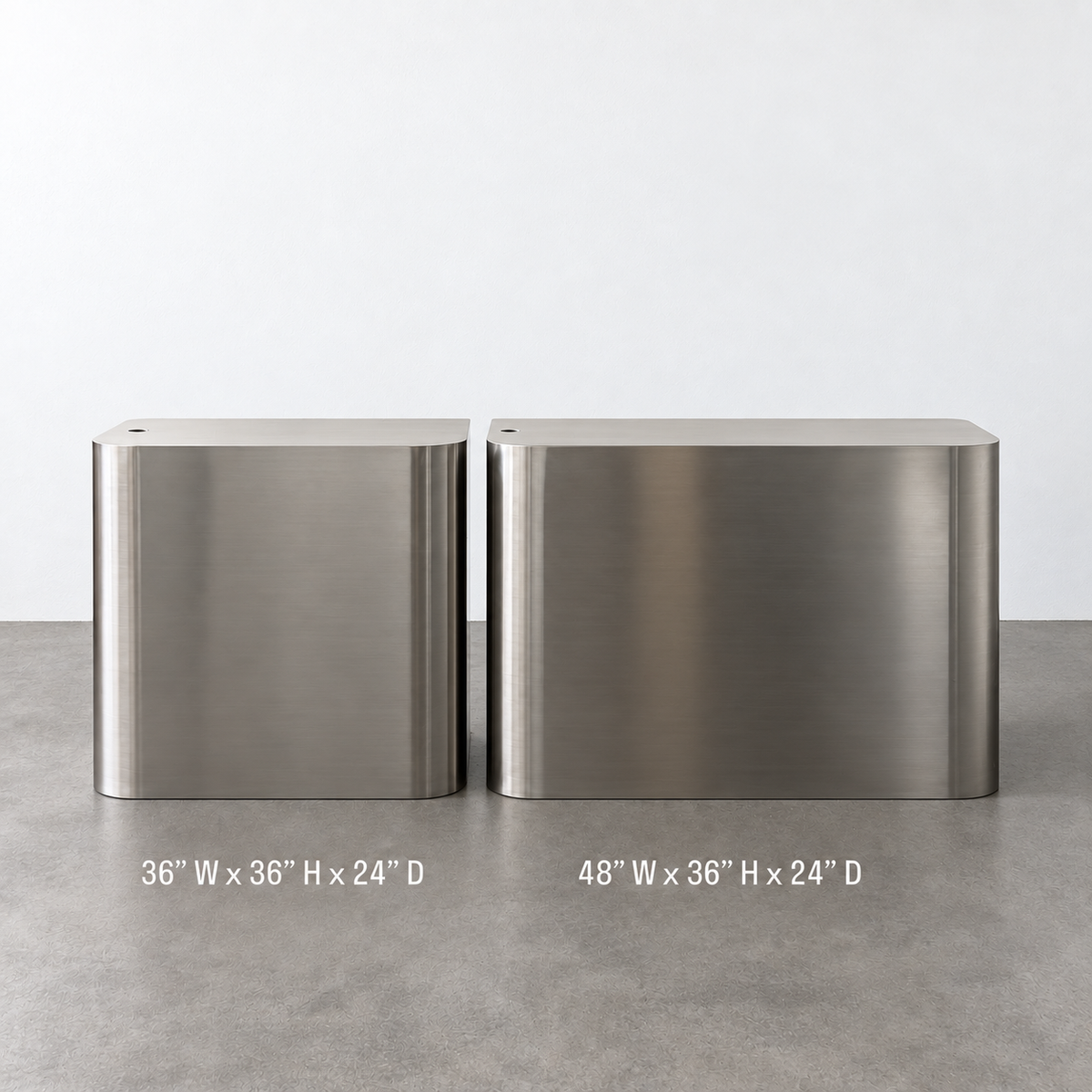
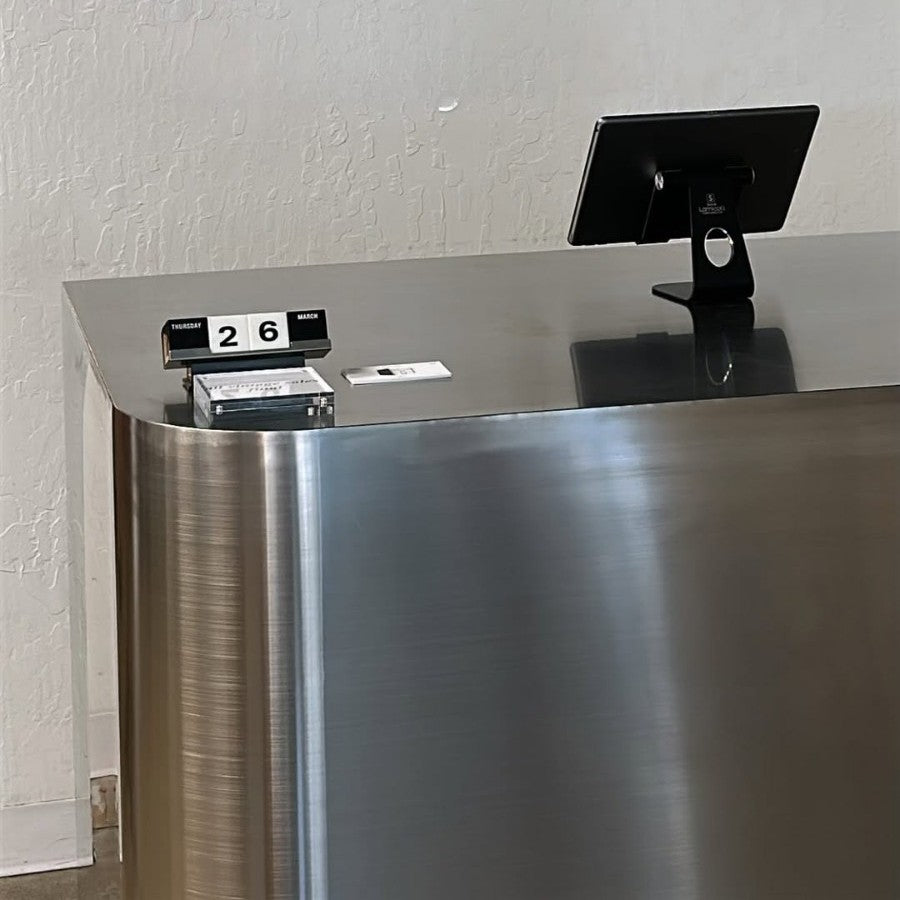
#021 - Stainless Steel Front Desk - Rounded
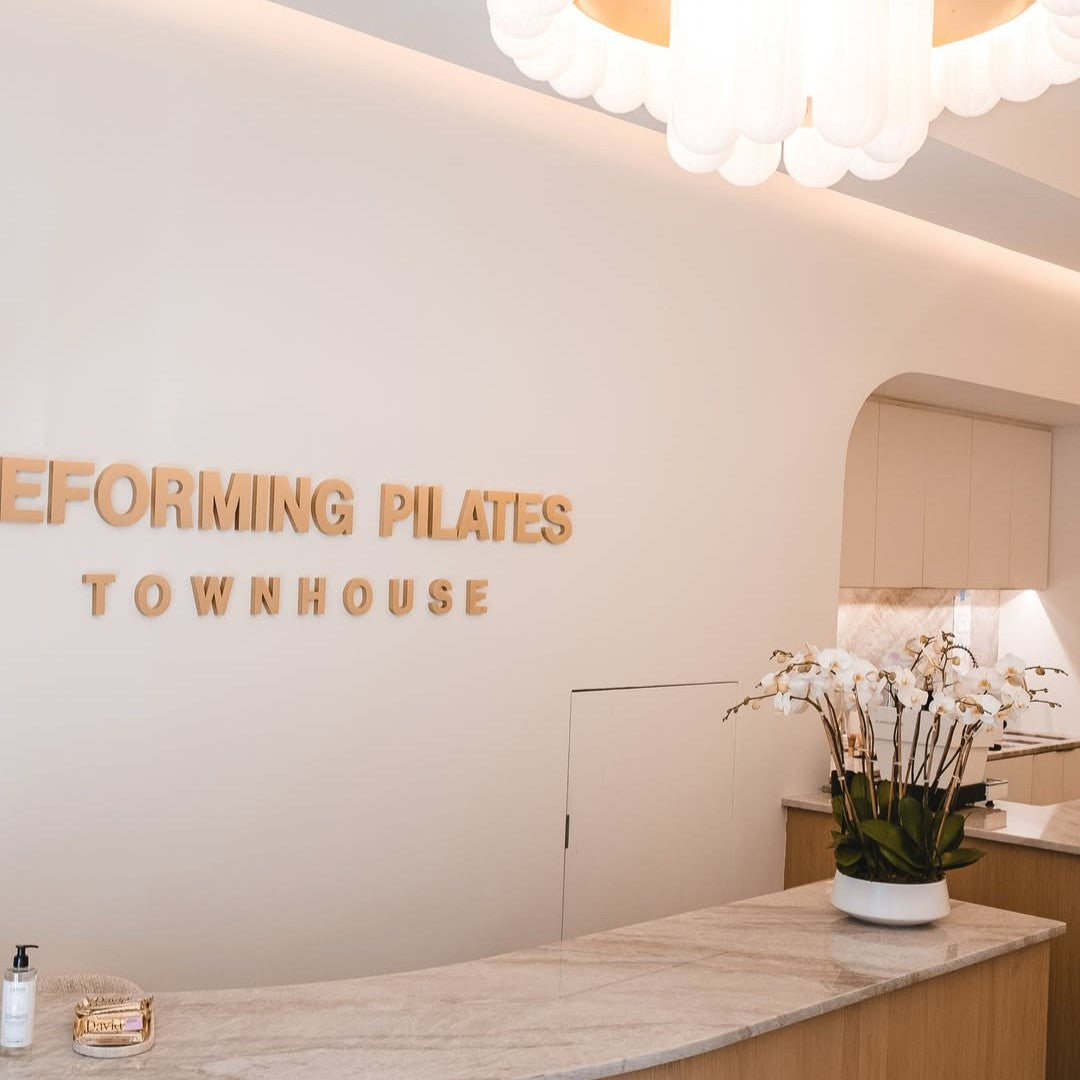
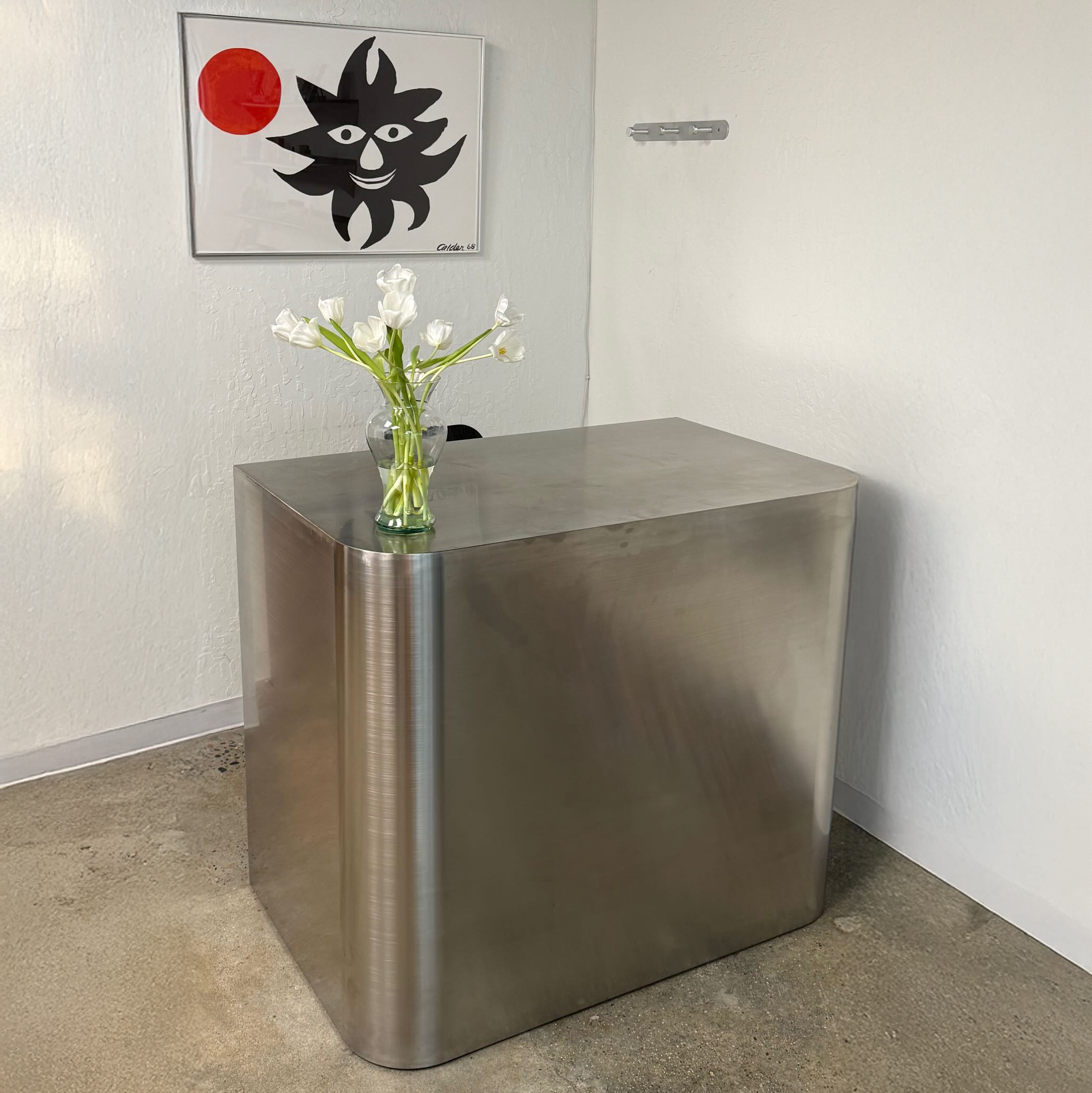
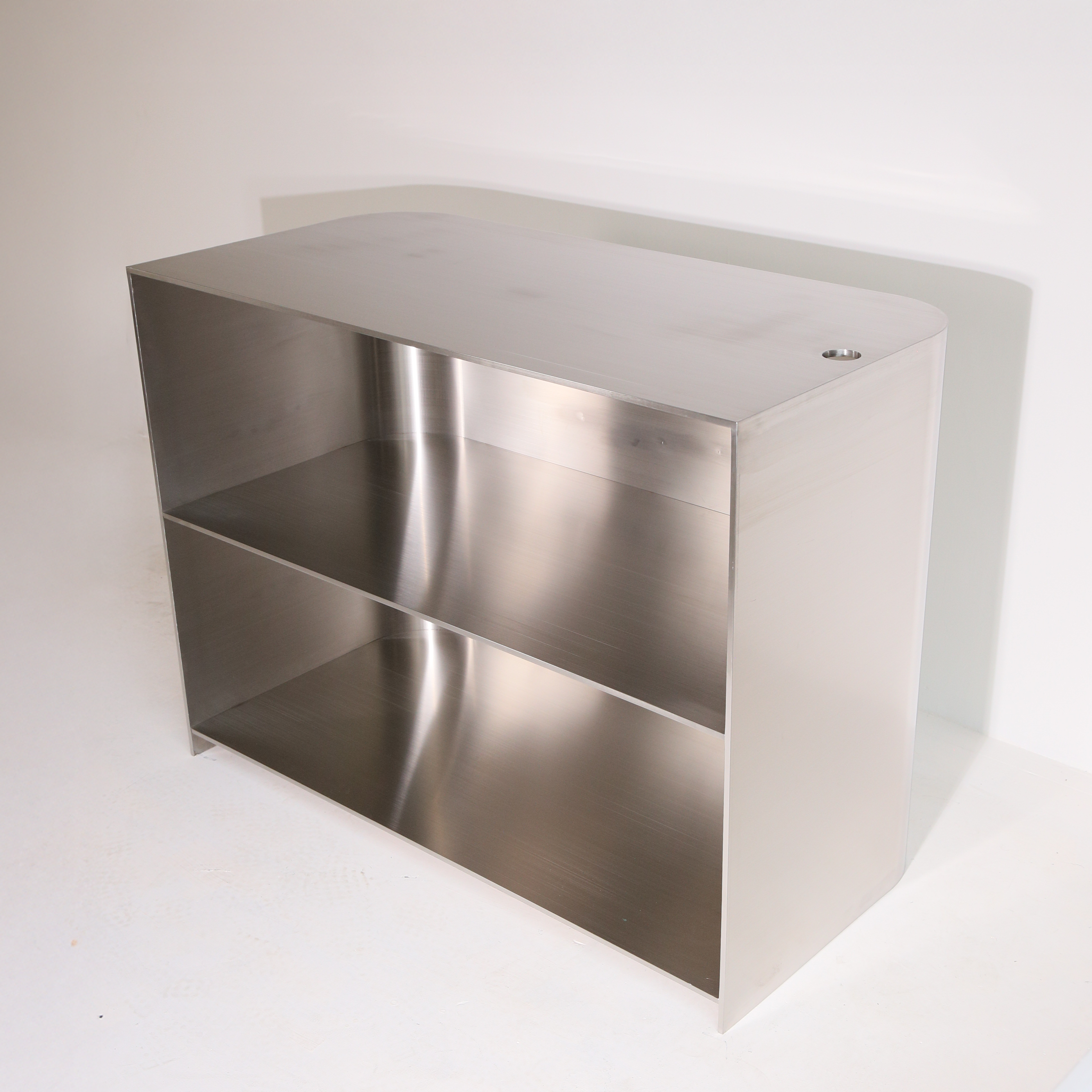
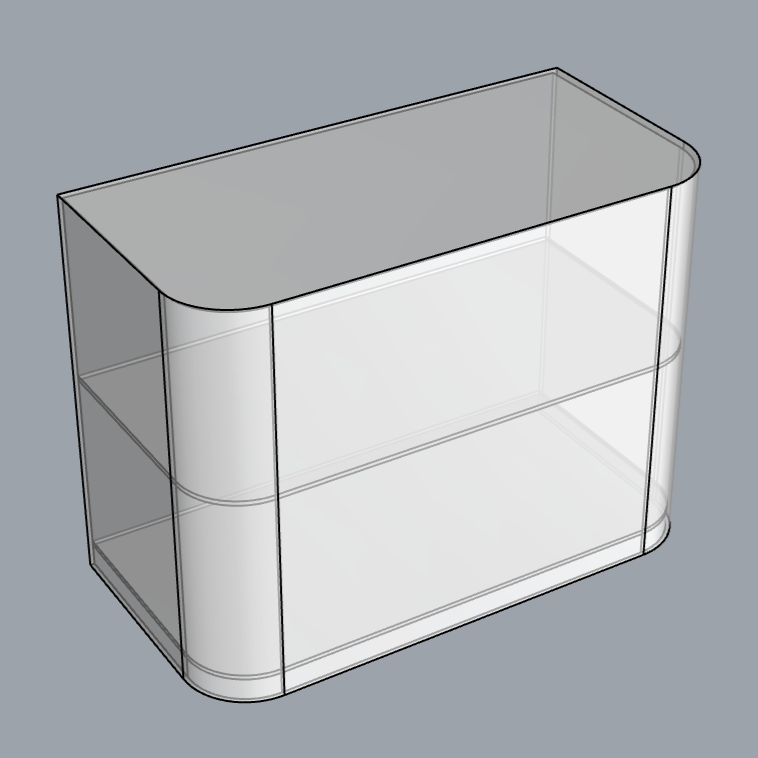
The #021 - Stainless Steel Front Desk - Rounded features softly curved front edges and a brushed stainless steel finish. Its clean, approachable shape works well in retail stores, salons, Pilates studios, spas, hotel lobbies, offices, and other reception spaces.
- solid stainless steel construction
- brushed stainless steel finish
- softly rounded front edges
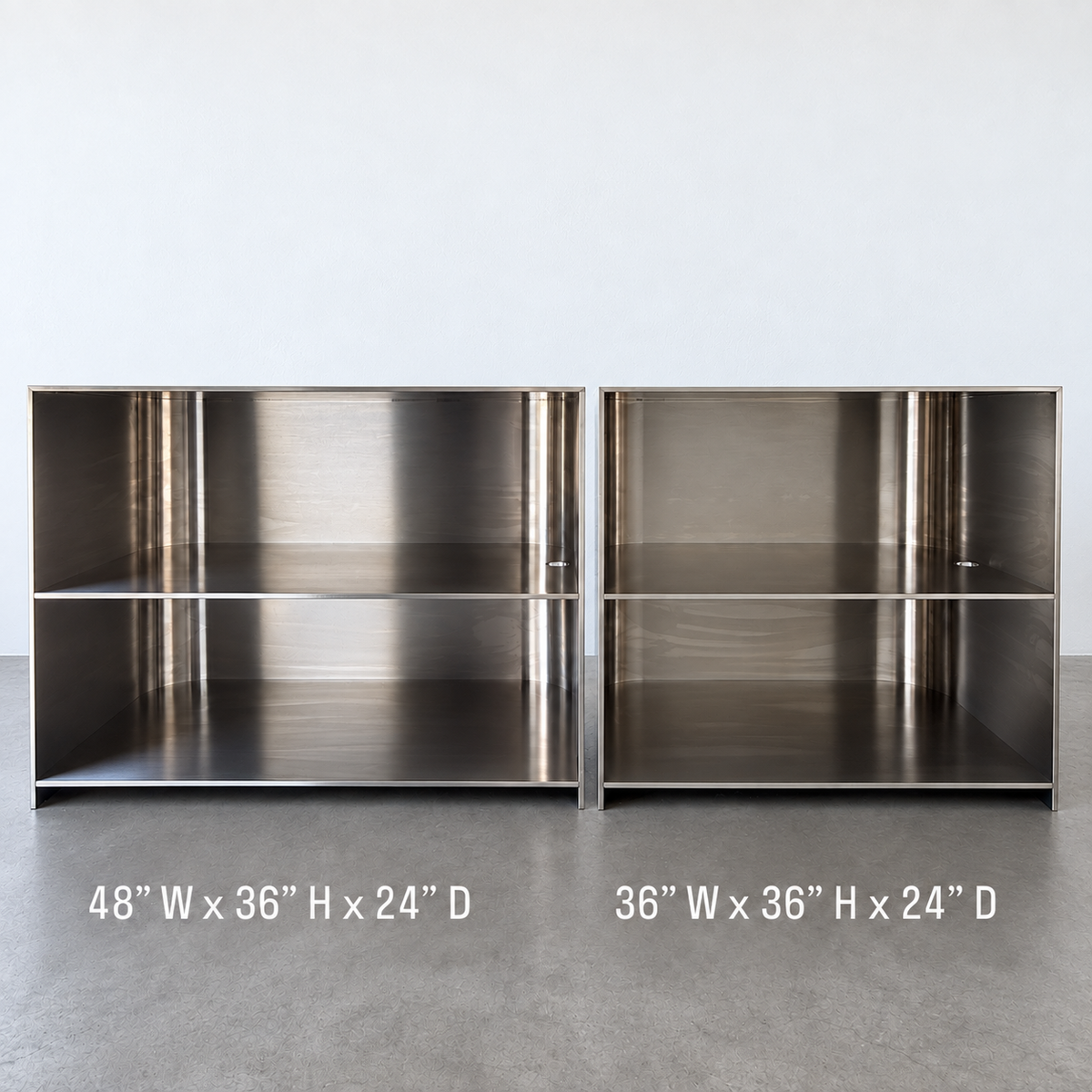
- available in 36" and 48" widths
- 36" height and 24" depth
- custom sizes and specifications available
- made-to-order production

#022 - Stainless Steel Front Desk - Sharp
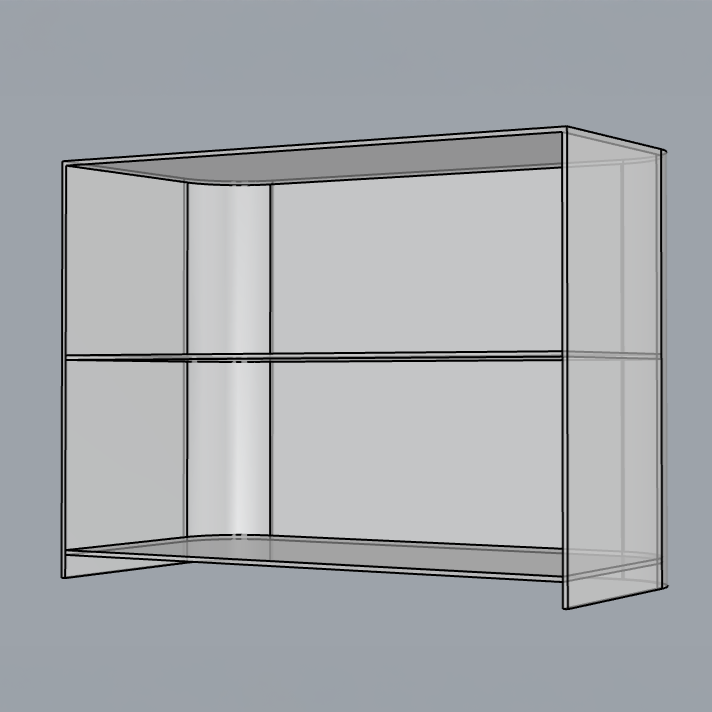
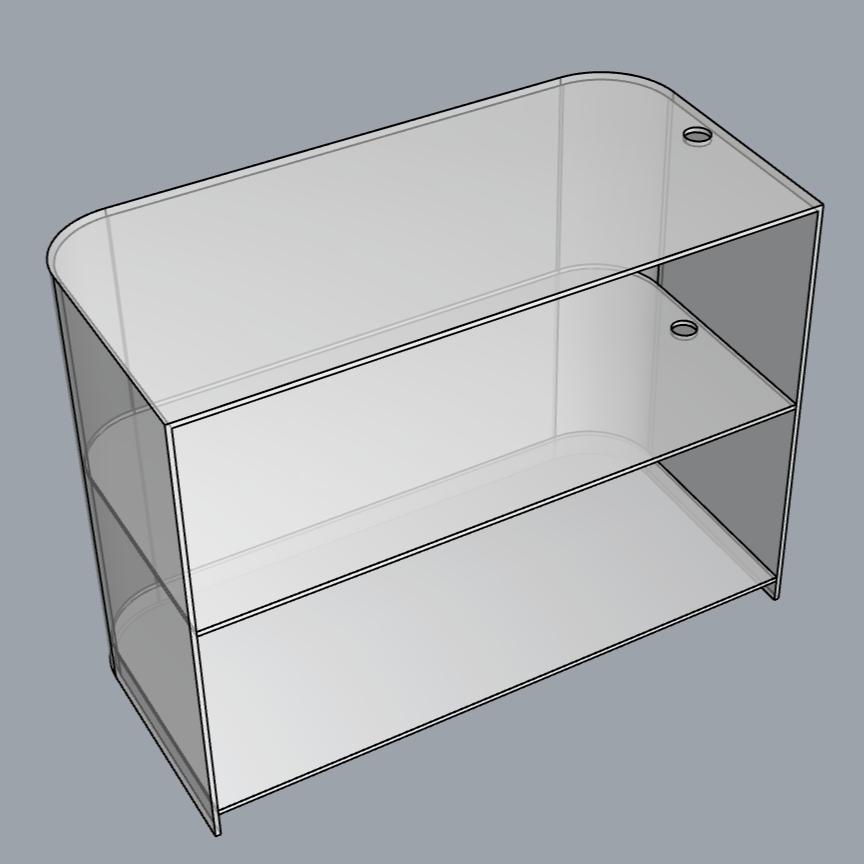
The #022 - Stainless Steel Front Desk - Sharp uses straight lines, angular front edges, and sharp back corners. Its structured geometric design is suited to retail stores, studios, salons, offices, and other commercial interiors with a modern or industrial style.
- solid stainless steel construction
- brushed stainless steel finish
- sharp front edges and back corners
- available in 36" and 48" widths
- 36" height and 24" depth
- custom sizes and specifications available
- made-to-order production
Front Desk Types by Industry
Different industries lean toward different desk configurations, largely based on how the space gets used day to day.
- Hotels: Long counters with multiple staff stations, often paired with backlit branding.
- Corporate offices: Compact single-person desks with security features like badge scanners.
- Medical offices: Sliding glass partitions and privacy panels built into the counter.
- Retail stores: Smaller checkout-style counters that double as point-of-sale stations.
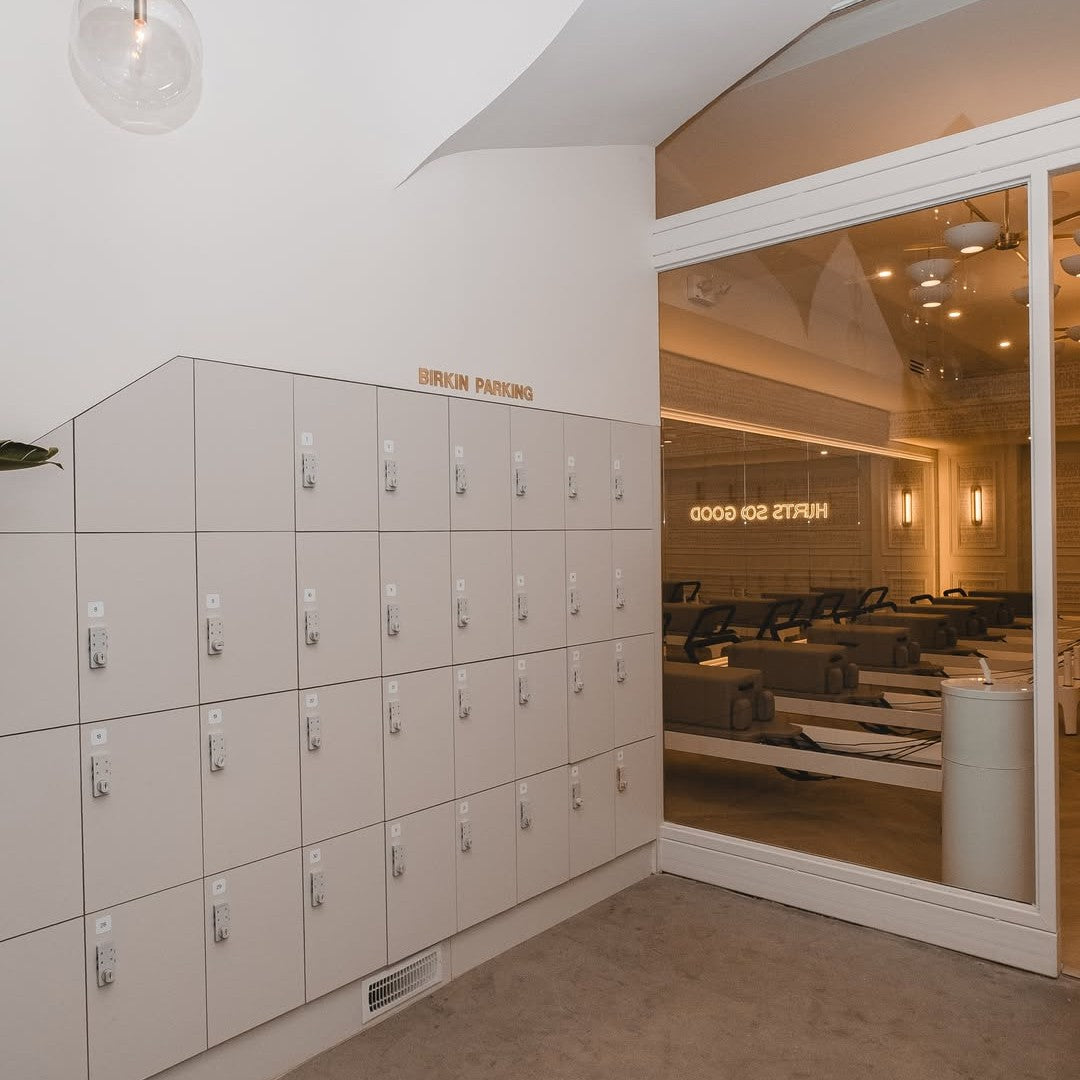
- Gyms and studios: Durable, easy-clean surfaces near high-moisture entry points.
Roughly speaking, material demand across these settings breaks down by how much daily contact and cleaning the surface takes.
Rough breakdown of material choice by front desk setting.
Common Mistakes When Choosing a Front Desk
Even with a clear plan, a few missteps show up again and again.
- Ignoring foot traffic flow — placing the desk where lines form awkwardly near doors or elevators.
- Underestimating storage — forgetting daily-use items like visitor badges, chargers, or shipping labels.
- Skipping accessibility features — a desk without a lowered section can create compliance issues.
- Choosing looks over function — a striking desk that's uncomfortable for staff to work at all day defeats its own purpose.
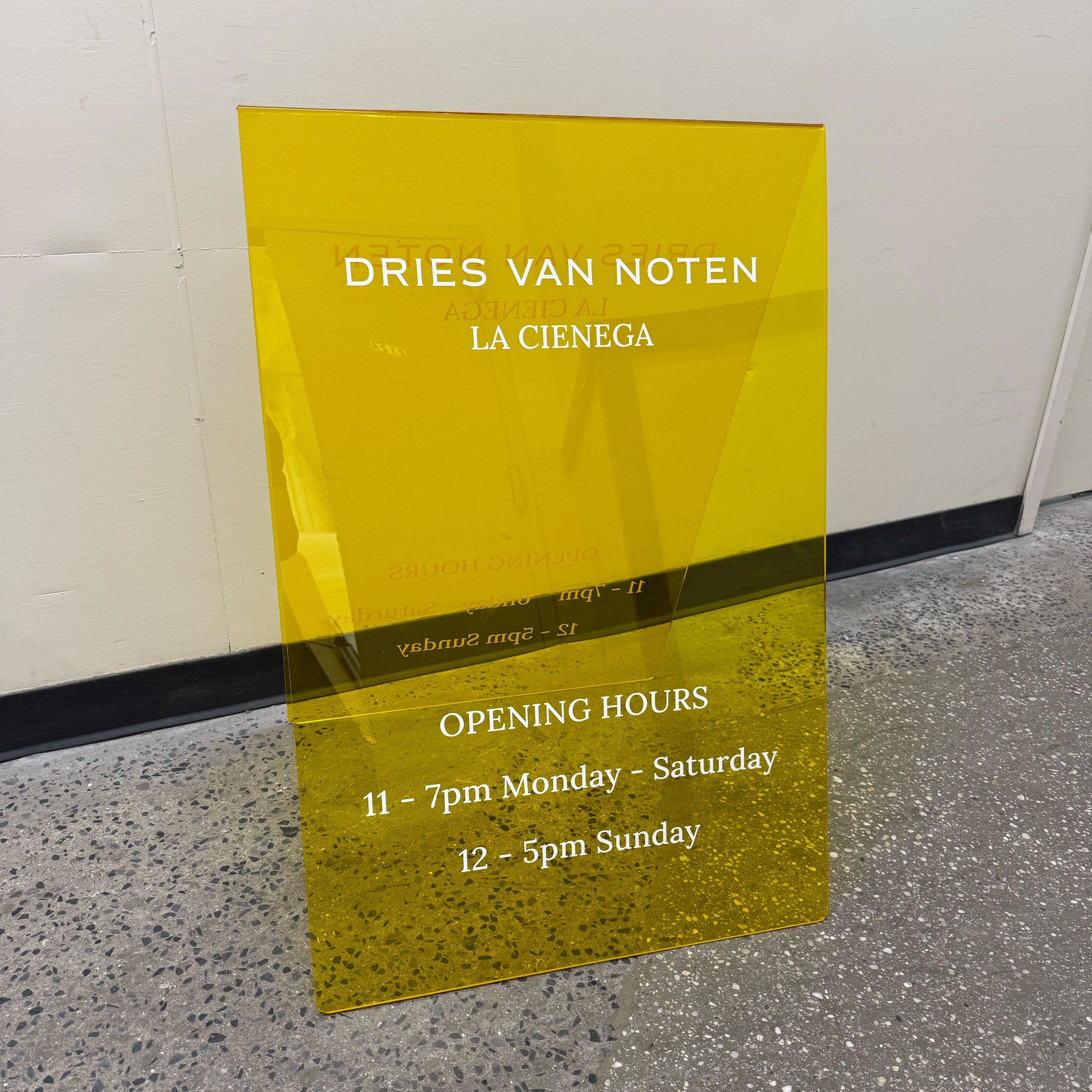
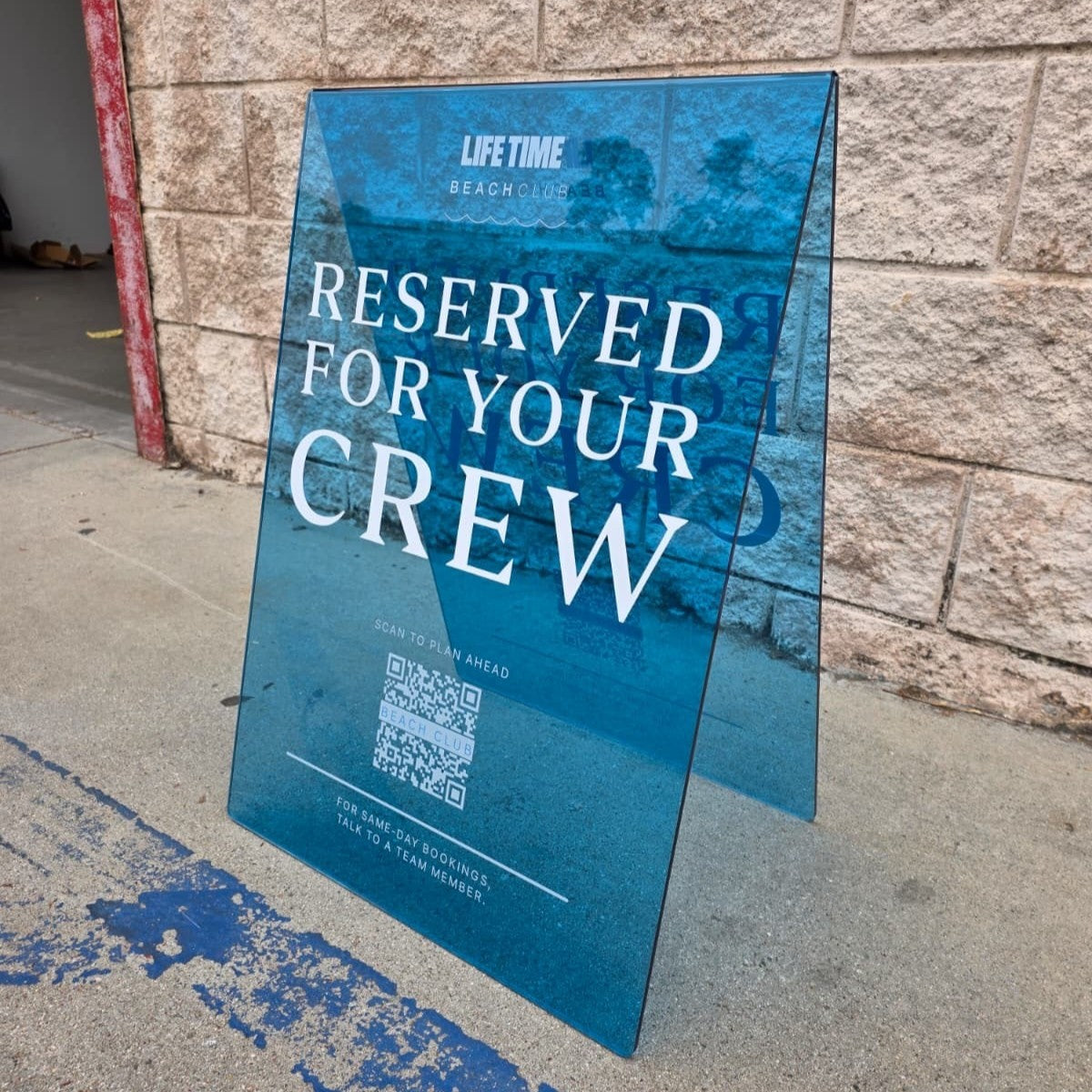
- Not planning for signage — a desk without coordinated wayfinding, like an A-frame sandwich board out front, can leave visitors confused before they even reach the counter.
Putting It All Together
So, how does all this translate into an actual purchase decision? Start with the non-negotiables — space constraints and accessibility requirements rarely bend. From there, material and budget usually get decided together, since durability and price move in the same direction. Design comes last, once the practical boxes are checked, because a beautiful desk that doesn't fit the room or the budget isn't really a solution.
Businesses juggling multiple locations or a full rebrand often benefit from browsing ready-to-use design templates to speed up decisions across several sites at once, keeping a consistent look without redesigning from scratch every time.
FAQ
What size should a front desk be?
Most single-staff reception desks run between 48 and 72 inches wide, with a depth of 24 to 30 inches. Larger hotel or multi-staff desks often extend well beyond that, depending on how many stations are needed.
What's the best material for a high-traffic front desk?
Stainless steel tends to hold up best under constant use and frequent cleaning, particularly in hotels, medical offices, and retail environments where hygiene matters.
How much does a front desk typically cost?
Costs vary heavily by material and customization. A basic laminate counter can cost a few hundred dollars, while a large custom stainless steel desk with branding can run well into the thousands — check with a supplier for current pricing.
Should a front desk be custom-built or bought off the shelf?
Standard desks work fine for typical layouts and faster timelines. Custom builds make more sense for unusual spaces, strict branding needs, or when standard sizes simply don't fit the room.
Does a front desk need to match other signage?
It doesn't have to, but a coordinated look — matching finishes between the desk and nearby signage — tends to feel more polished and professional to visitors.
What accessibility features should a front desk include?
A lowered counter section for wheelchair users and clear knee clearance underneath are the most common requirements, and many regions require them by law for public-facing businesses.
Can a front desk double as a checkout counter?
Yes, particularly in retail. Many businesses choose desks with built-in slots for card readers, cash drawers, or bag storage to combine reception and point-of-sale functions.
Final Thoughts
Choosing a front desk isn't just about picking something that looks good in a showroom photo. It's about matching a physical object to the daily rhythm of a specific space — how people move through it, how staff work at it, and what impression it leaves behind. Get the measurements, material, and layout right, and the design choices tend to fall into place naturally.
For businesses ready to move from planning to ordering, exploring a made-to-order custom signage and furniture service or checking trade pricing for retail businesses can make the next step a lot more straightforward.