


Quick Summary: The right coffee table matches the height of your sofa seat (or sits one to two inches lower), spans roughly two-thirds the length of the sofa, and leaves at least 14-18 inches of walking room. Shape should follow your traffic flow, and material should match how the space actually gets used — not just how it photographs.
Coffee tables get picked last and regretted first. Most people spend weeks agonizing over a sofa, grab a rug almost as an afterthought, then walk into a showroom and buy whatever table catches their eye. Six months later it's either bruising shins, floating awkwardly in the middle of the room, or scratching under every mug and remote.
Getting it right isn't about taste. It's about math, traffic patterns, and a handful of proportions that interior designers rely on but rarely explain clearly. Here's what actually matters, in the order it matters.
Start With Height, Not Looks
Height is the single biggest factor separating a coffee table that feels balanced from one that looks slightly wrong without anyone being able to say why. The rule of thumb: the tabletop should sit at the same height as your sofa's seat cushions, or up to one to two inches lower. Go much lower than that and the table disappears visually. Go higher, and reaching over it feels awkward every single time.
Most sofa seat heights land between 17 and 19 inches, which is why most coffee tables cluster around 16 to 18 inches. If your sofa runs low and lounge-y, a taller table will look out of place no matter how nice it is on its own.
Get the Size Right: The Two-Thirds Rule
Length matters almost as much as height. Designers generally aim for a coffee table that spans about two-thirds the length of the sofa it sits in front of. A 90-inch sofa, for example, pairs well with a table somewhere around 54 to 60 inches long. Too short and the table looks stranded; too long and it starts crowding the walkway on either end.
Square and round tables get judged a little differently — there, it's more about matching the table's width to roughly half the sofa's length so it doesn't dominate the seating area.
Clearance Is Non-Negotiable
Even a perfectly sized table fails if there's no room to walk around it. Leave at least 14 to 18 inches between the table's edge and the sofa or chairs facing it — close enough to set down a drink without leaning, far enough that knees don't collide with it. In tight living rooms, err toward 14 inches; in larger open-plan spaces, 18 to 24 inches feels more generous and lets the furniture breathe.
| Measurement | Recommended Range | Why It Matters |
|---|---|---|
| Table height vs. sofa seat | Equal, or 1-2 in. lower | Keeps sightlines and reach comfortable |
| Table length vs. sofa length | ~⅔ of sofa length | Prevents the table from looking undersized or overwhelming |
| Clearance to seating | 14-18 in. (up to 24 in. in larger rooms) | Allows walking space without cramping the layout |
| Distance to TV wall/pathway | Minimum 30 in. | Keeps main traffic routes clear |
Pick a Shape That Matches How the Room Is Used
Shape is where personal taste finally gets to weigh in — but only after the practical constraints of the room have narrowed the field.
- Rectangular: the default for long, straight sofas and rectangular rooms. Plenty of surface area, easy to keep proportional.
- Round or oval: softer edges, genuinely safer around kids and pets, and better in smaller or oddly shaped rooms where a rectangle would jam into a corner.
- Square: works well with sectionals or L-shaped seating arrangements, where a rectangle would feel lopsided.
- Irregular or free-form: a statement piece for rooms that already have a strong, simple color palette and can handle an unusual silhouette without feeling busy.
A quick gut check: walk the path from the main entry point to the sofa. If a table's corners sit directly in that line, round or oval solves the problem without sacrificing much surface space.
Choose a Material That Matches Real Life, Not Just the Mood Board
Materials get chosen for looks about 90% of the time and regretted for durability about 90% of the time too. Worth thinking through both.
| Material | Best For | Watch Out For |
|---|---|---|
| Solid wood | Longevity, warmth, resale value | Water rings, scratches without a protective finish |
| Glass top | Small or dark rooms, visually opening up space | Fingerprints, smudges, needs frequent wiping |
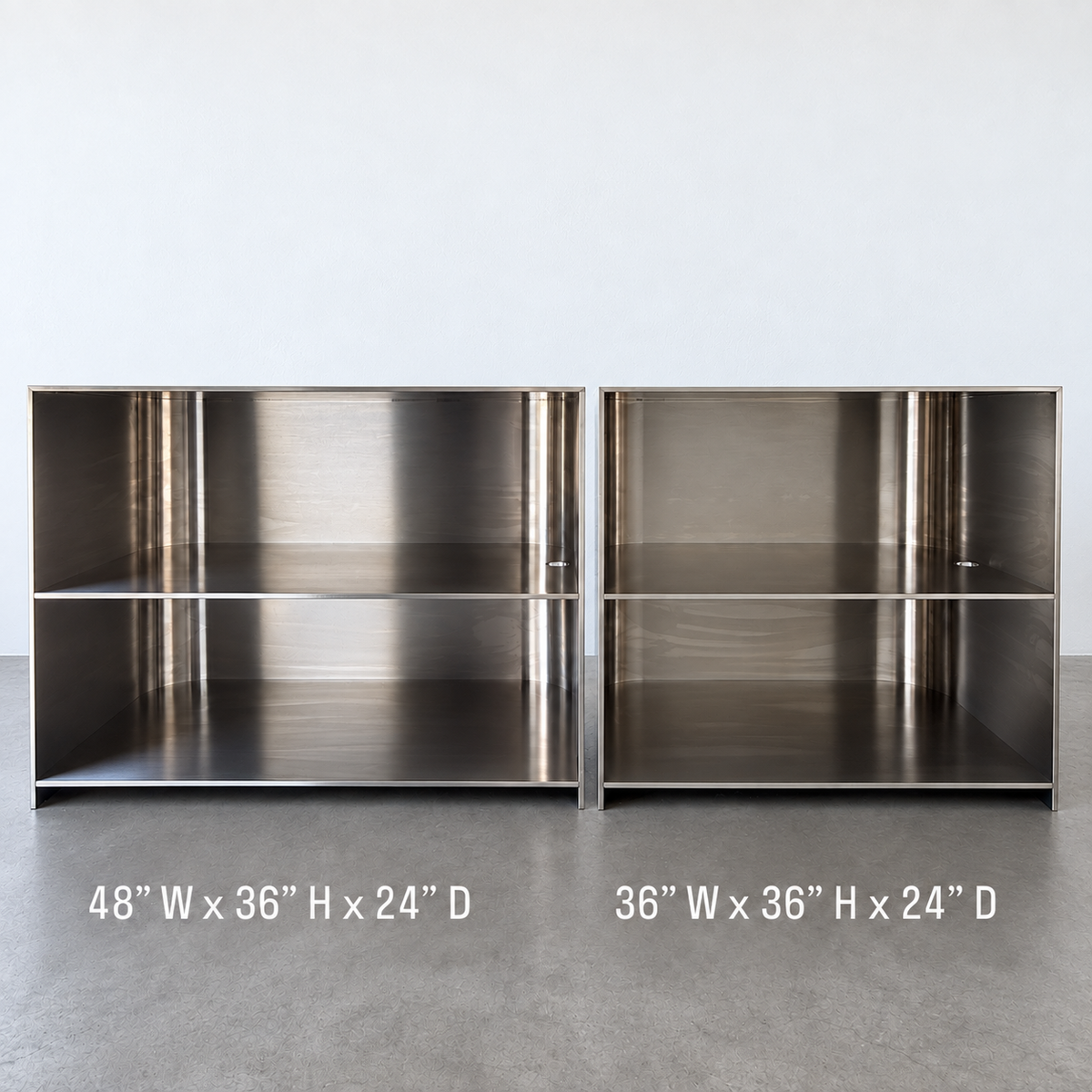
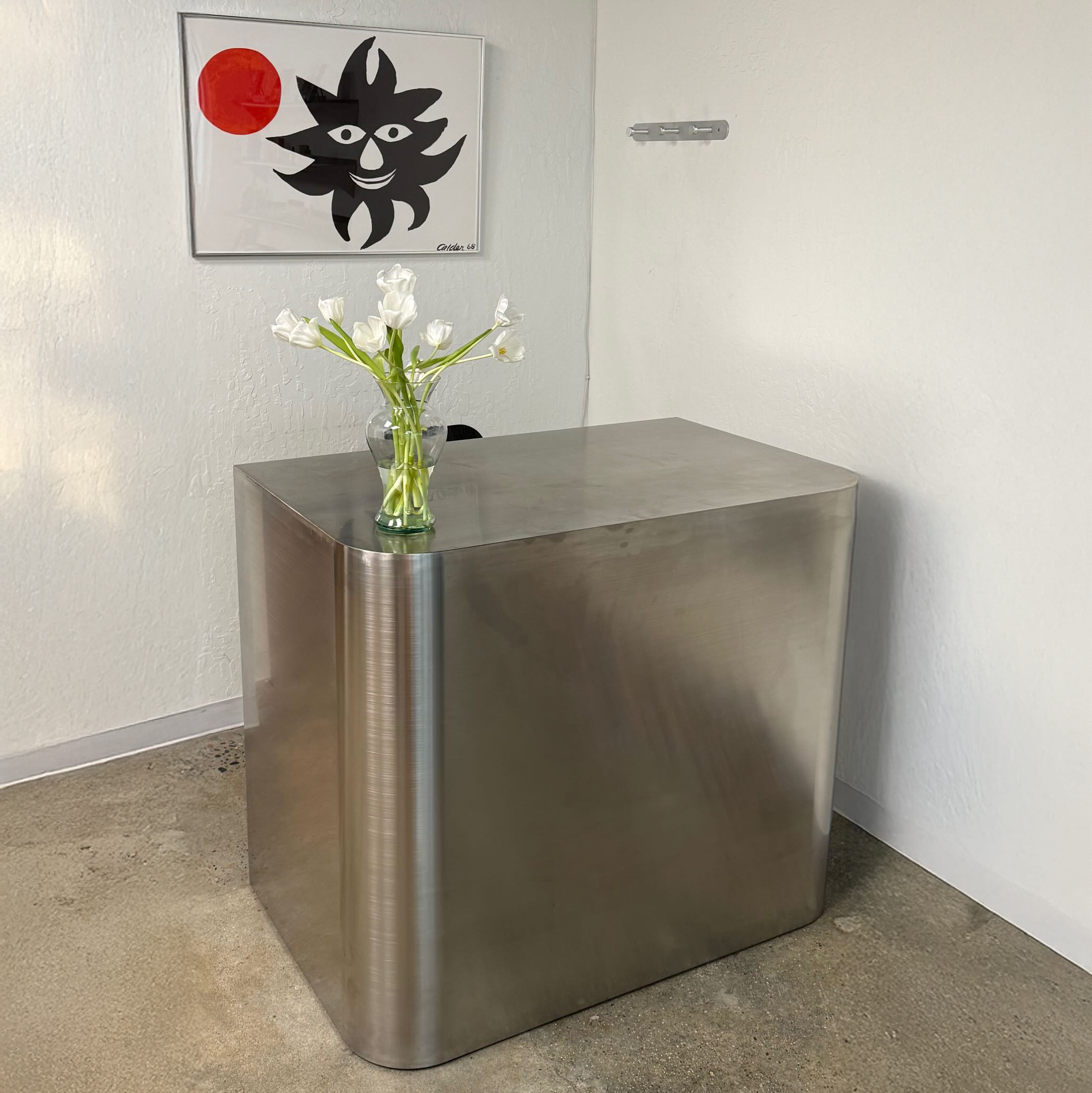
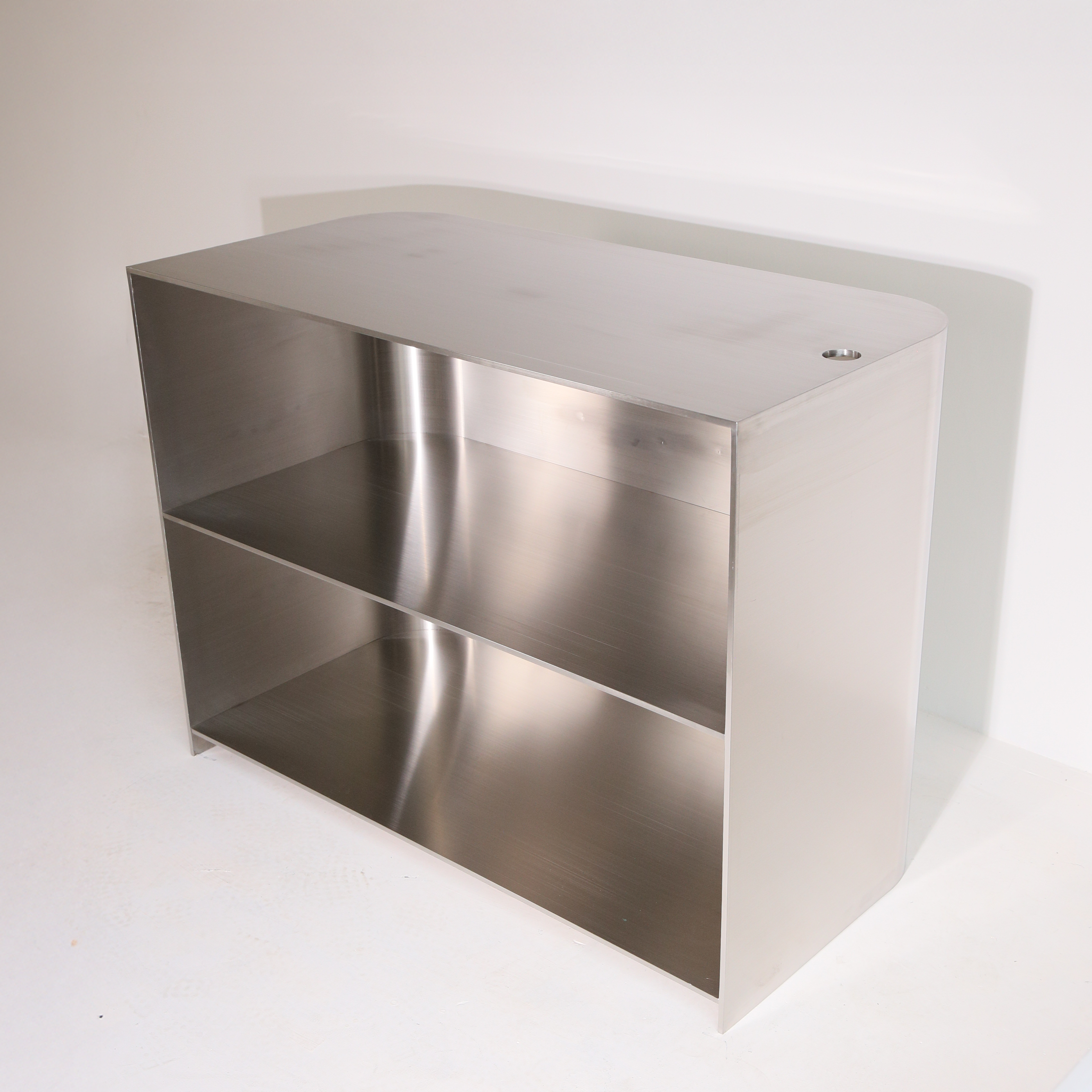
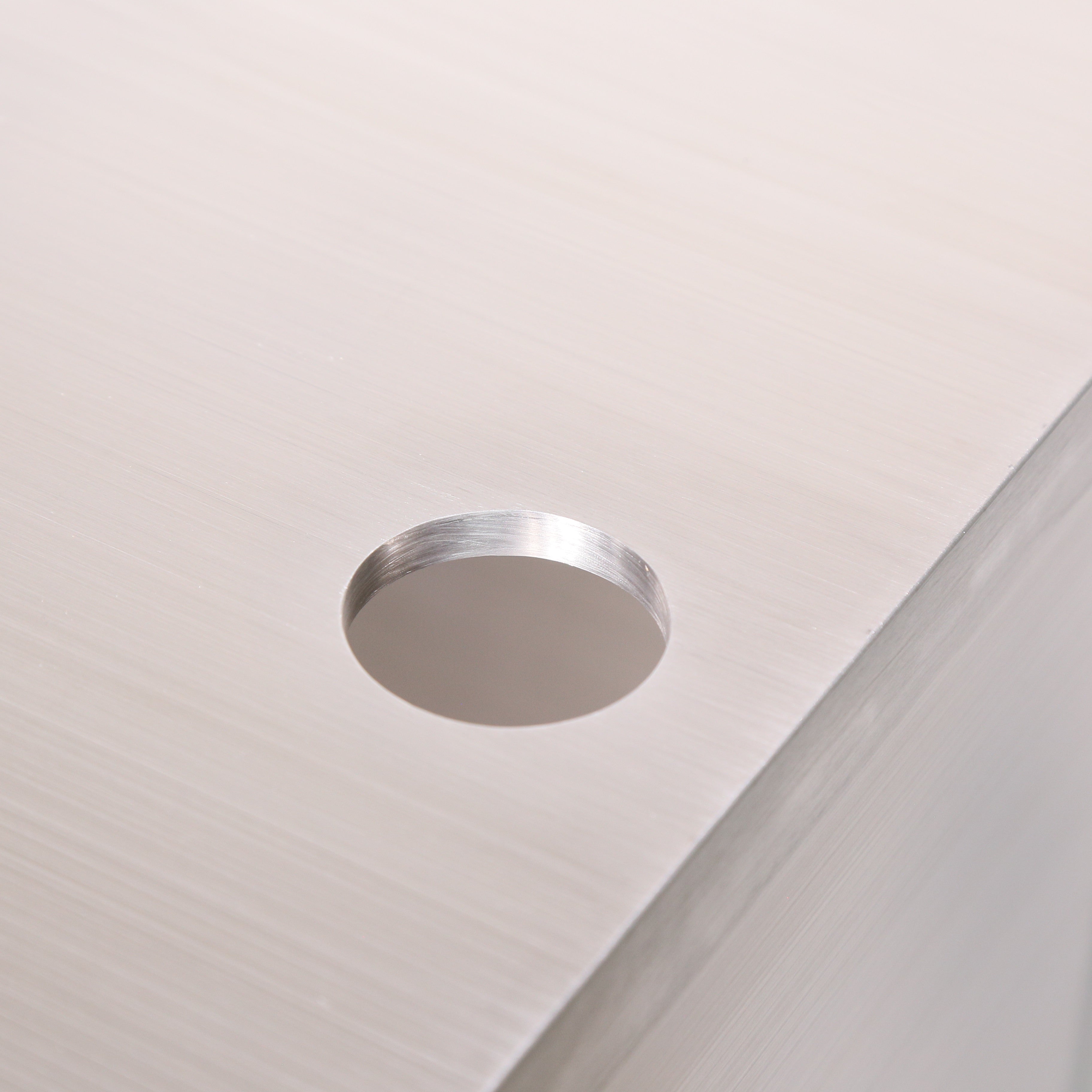
| Stainless steel / metal | High-traffic homes, contemporary or industrial spaces, commercial-style durability | Can feel cold visually without a rug or wood accent nearby |
| Stone or marble | Statement pieces, formal living rooms | Heavy, can chip at edges, pricier |
| Rattan/wicker | Casual, coastal, or relaxed interiors | Less durable with heavy daily use |
Metal and stainless steel bases and tops have become a lot more common in living rooms that lean modern, partly because they hold up so well to daily wear compared with softer woods or laminates. For anyone drawn to that industrial-contemporary look, it's worth browsing a stainless steel furniture collection to see how the same durability principles used in commercial display pieces translate into a living room centerpiece.

Choose a Coffee Table for Your Space With Signs and Mirrors
Signs and Mirrors offers metal coffee tables for homes, studios, retail spaces, waiting areas, offices, and other modern interiors. Options include circular and square platform designs, different metal finishes, and custom dimensions for specific layouts.
Need a Coffee Table That Fits the Room?
Signs and Mirrors offers:
- circular and platform table designs
- stainless steel and aluminum options
- custom sizes and configurations
- tables for indoor and selected outdoor spaces
- made-to-order furniture
👉 Explore Signs and Mirrors and choose the option that works for your space.
Below are two stainless steel coffee table options available from Signs and Mirrors.

#023 - Stainless Steel Circular Coffee Table
The #023 - Stainless Steel Circular Coffee Table features a round platform design with a continuous curved edge and a brushed stainless steel finish. Its low-profile form makes it suitable for waiting rooms, lounge areas, creative studios, and other commercial settings.
- solid stainless steel construction
- brushed stainless steel finish
- seamless circular design
- available in 36" and 48" diameters
- low-profile platform style
- custom sizing available
- made-to-order production

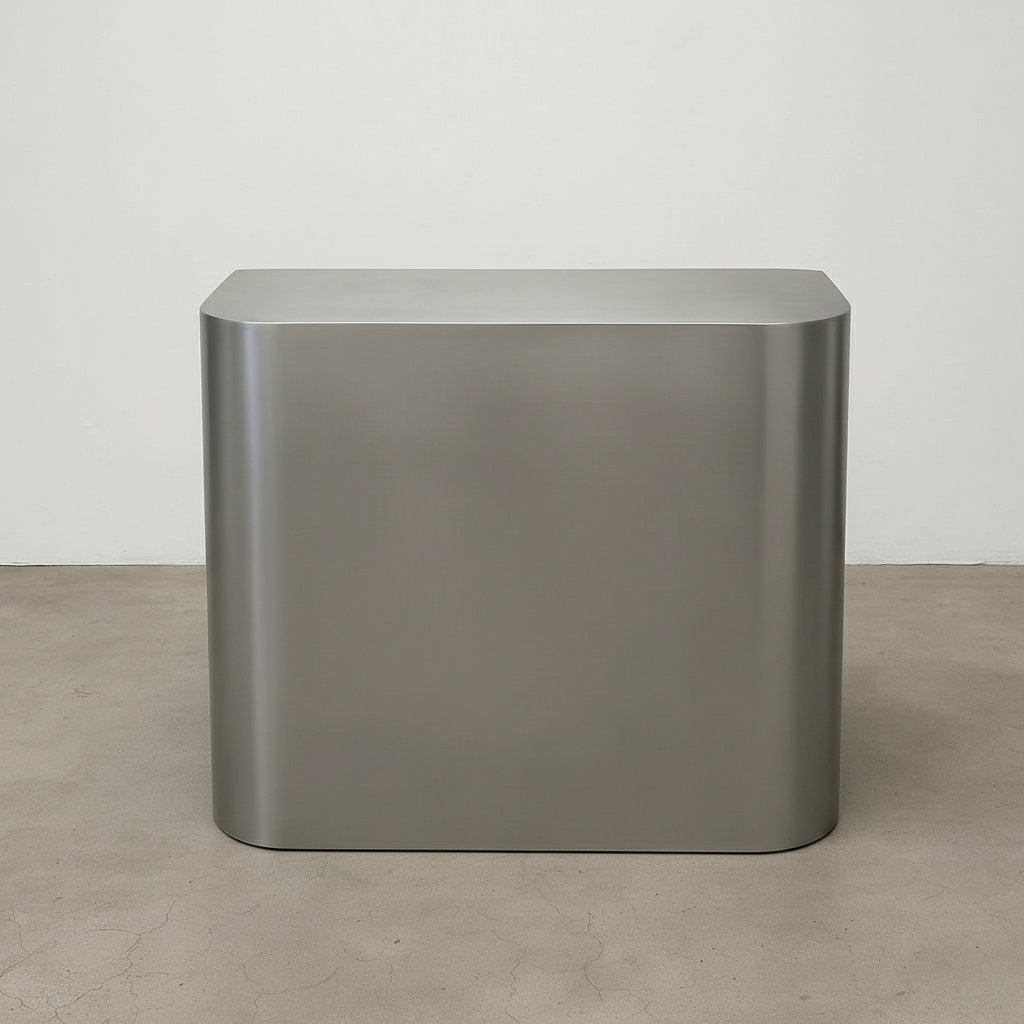
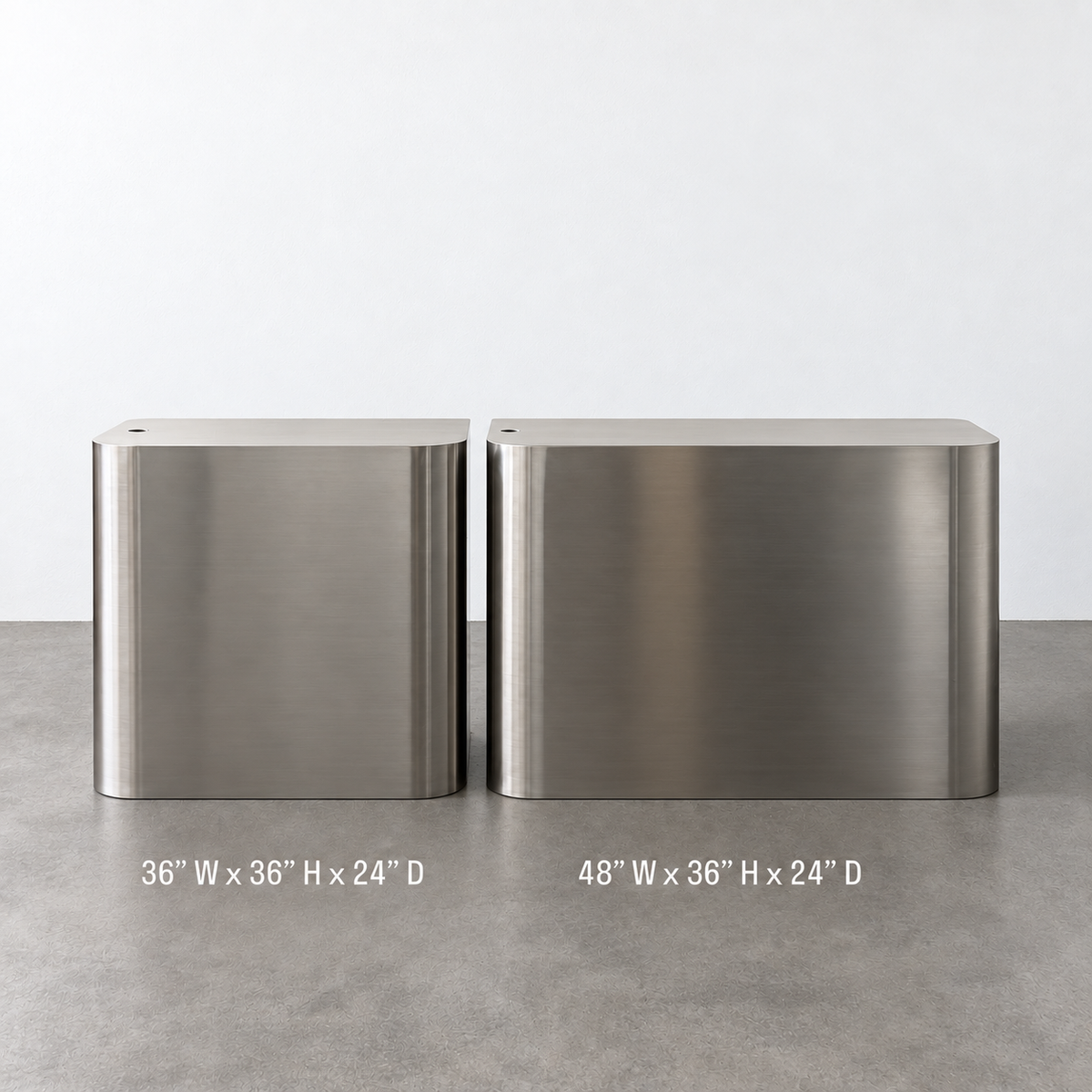
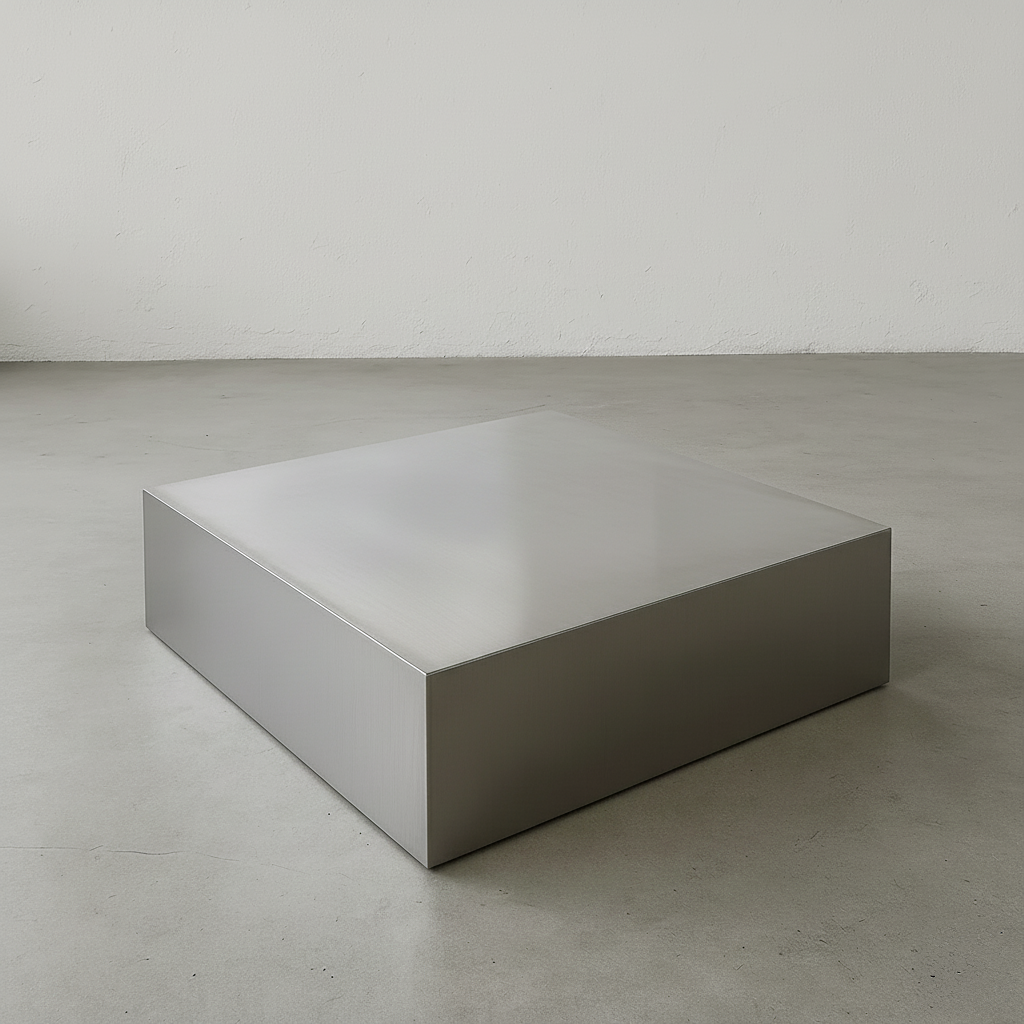
#024 - Stainless Steel Platform Coffee Table
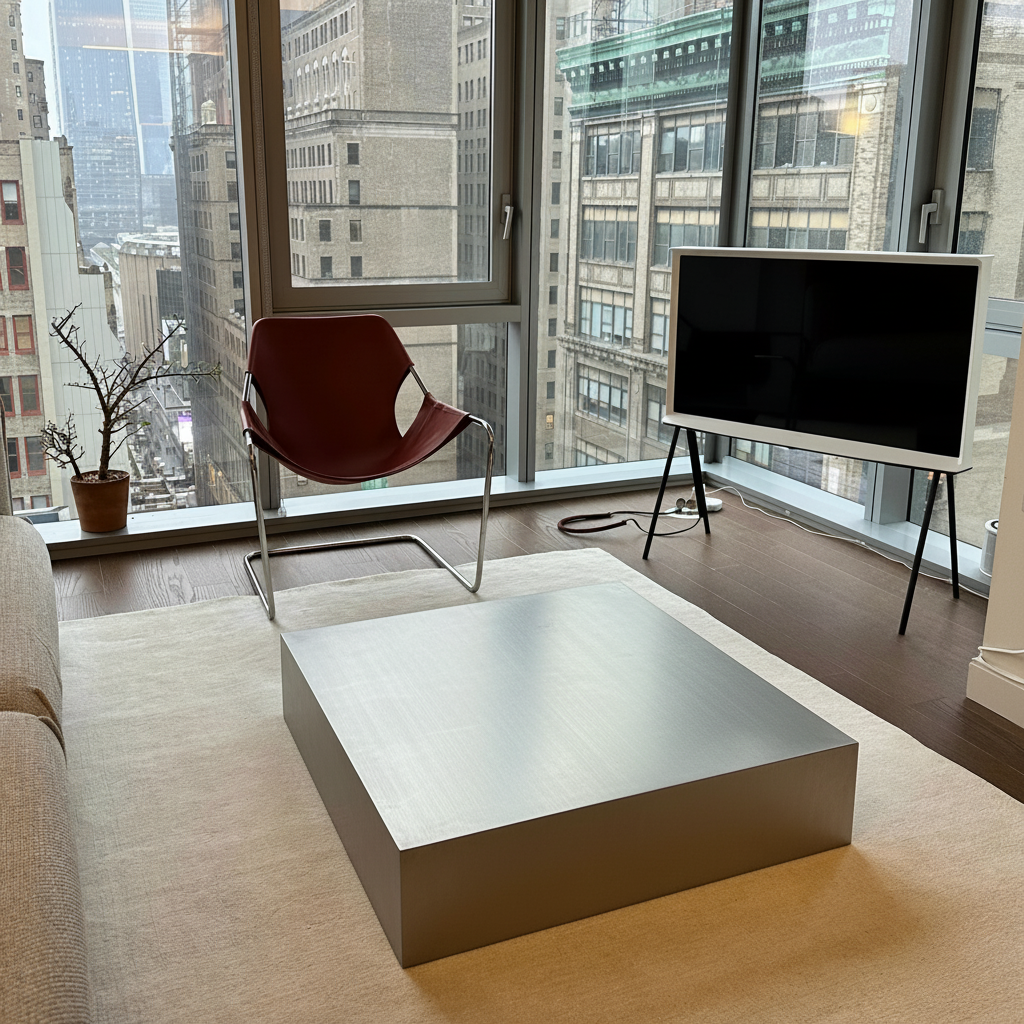
The #024 - Stainless Steel Platform Coffee Table is designed with a square platform shape and a low-profile structure. The clean geometric form works well in commercial interiors that use modern, minimalist, or industrial design elements.
- solid stainless steel construction
- brushed stainless steel finish
- square platform design
- available in 36" x 36" and 48" x 48" sizes
- low-profile format
- custom sizing available
- made-to-order production
Storage, Style Details, and the Stuff People Forget
Once height, size, shape, and material are sorted, a few smaller decisions round things out.
Storage: Lift-Top, Shelf, or Open Base?
Households with kids, remotes, magazines, or a lot of blankets tend to appreciate a lift-top table or one with a lower shelf. Minimalist rooms, or ones where the coffee table shares space with a large ottoman for storage anyway, can skip it entirely and go with an open base that feels lighter in the room.
Nesting Tables as a Flexible Alternative
Nesting tables — two or three tables of graduated size that tuck under one another — solve the problem of needing extra surface area occasionally (movie night, game night, guests) without permanently taking up floor space. They're worth considering in smaller apartments where flexibility matters more than a single statement piece.

A Simple Step-by-Step Process
Skip the guesswork and work through this in order:- Measure the sofa's seat height and overall length first — everything else follows from these two numbers.
- Map the room's traffic flow and mark where a table's edges would need to stay clear.
- Pick a shape that fits both the sofa arrangement and the traffic pattern.
- Narrow material choices based on daily use — pets, kids, drinks, laptops — not just the showroom lighting.
- Decide if storage or nesting flexibility solves a real problem in the space.
When a Standard Table Just Won't Fit
Odd-shaped living rooms, unusually tall or low sofas, or a very specific design vision sometimes make off-the-shelf sizing impossible to work with. In those cases, custom-built options — where height, footprint, and material get specified exactly — solve problems a retail table never will. Anyone who has hit that wall with a coffee table might find the same logic applies to other furniture pieces; a custom furniture configurator makes it possible to dial in exact dimensions rather than compromising on a near-fit, and a made-to-order custom furniture service covers the cases where nothing standard will do at all. For those exploring build options more broadly, the build-your-own desks, shelves, and tables tool is a useful starting point for seeing what's configurable.
Retailers and interior design businesses furnishing multiple spaces — showrooms, offices, staged listings — may also want to look at bulk options through a trade program for retail and design businesses, since sourcing several pieces at once usually comes with better pricing than one-off purchases.
FAQ: Choosing a Coffee Table
What is the ideal height for a coffee table?
Match it to the sofa's seat cushion height, or go one to two inches lower. Most tables end up between 16 and 18 inches tall, since that's the typical range for sofa seat height.
How much smaller should a coffee table be than the sofa?
Aim for roughly two-thirds the length of the sofa. A 90-inch sofa suits a table around 54 to 60 inches long; going much shorter or longer throws off the proportions.
Round or rectangular — which is better?
Rectangular works best with long, straight sofas in rectangular rooms. Round or oval tables suit smaller spaces, tight walkways, or households with young kids, since there are no sharp corners to navigate around.
How much space should be left between the coffee table and the sofa?
Leave 14 to 18 inches for comfortable walking room; larger living rooms can stretch that to 24 inches without the table feeling disconnected from the seating.
Is glass or wood better for a coffee table?
Glass opens up smaller or darker rooms visually but shows fingerprints and needs regular wiping. Wood holds up longer overall but can show water rings without a sealed finish. Neither is universally "better" — it depends on maintenance tolerance and room size.
Do coffee tables need to match other furniture in the room?
Not exactly — matching the wood tone or finish family tends to look more intentional than matching every piece exactly. A mix of complementary materials, like a wood table with metal furniture accents elsewhere, generally reads as curated rather than clashing.
Can a coffee table be too big for the room?
Yes. If it blocks more than 30 inches of a main walking path, or leaves less than 14 inches of clearance to the sofa, it's oversized for the space regardless of how good it looks in isolation.
Final Thoughts
None of this requires a design degree. Get the height within a couple inches of the sofa seat, keep the length around two-thirds of the sofa's, leave enough room to walk, and pick a shape and material that match how the room actually gets used day to day. Everything past that point — finish, color, hardware details — is genuinely a matter of taste, and that's the fun part.
For rooms that need something the standard sizing charts don't cover, custom-built furniture remains the most reliable fallback, whether that means adjusting a single dimension or designing an entire piece from scratch.