


Marketing a restaurant used to mean printing flyers or posting a few food pics. That’s not enough anymore. These days, it’s part of running the place - same as ordering stock or cleaning down after close. But good marketing doesn’t have to be loud or overdesigned. The strongest strategies tend to be simple, repeatable, and true to the space you’ve built. Here’s what actually works.
Start With What People Actually Notice
Most diners don’t remember the last Facebook ad they saw for a restaurant. But they do remember how the place felt. The lighting. The way the host greeted them without it sounding rehearsed. The smell of something cooking that made them order a second round.
Marketing isn’t separate from all that. It’s not a campaign you run on the side. It’s how a restaurant speaks for itself when no one’s explaining it. Good marketing makes people curious. Great marketing makes them come back and bring someone else next time.
Before chasing trends or downloading another app, it helps to slow down and look at what’s already working. What already feels like you. That’s usually where the right strategy begins.

1. Attract Foot Traffic With Signs People Want to Photograph
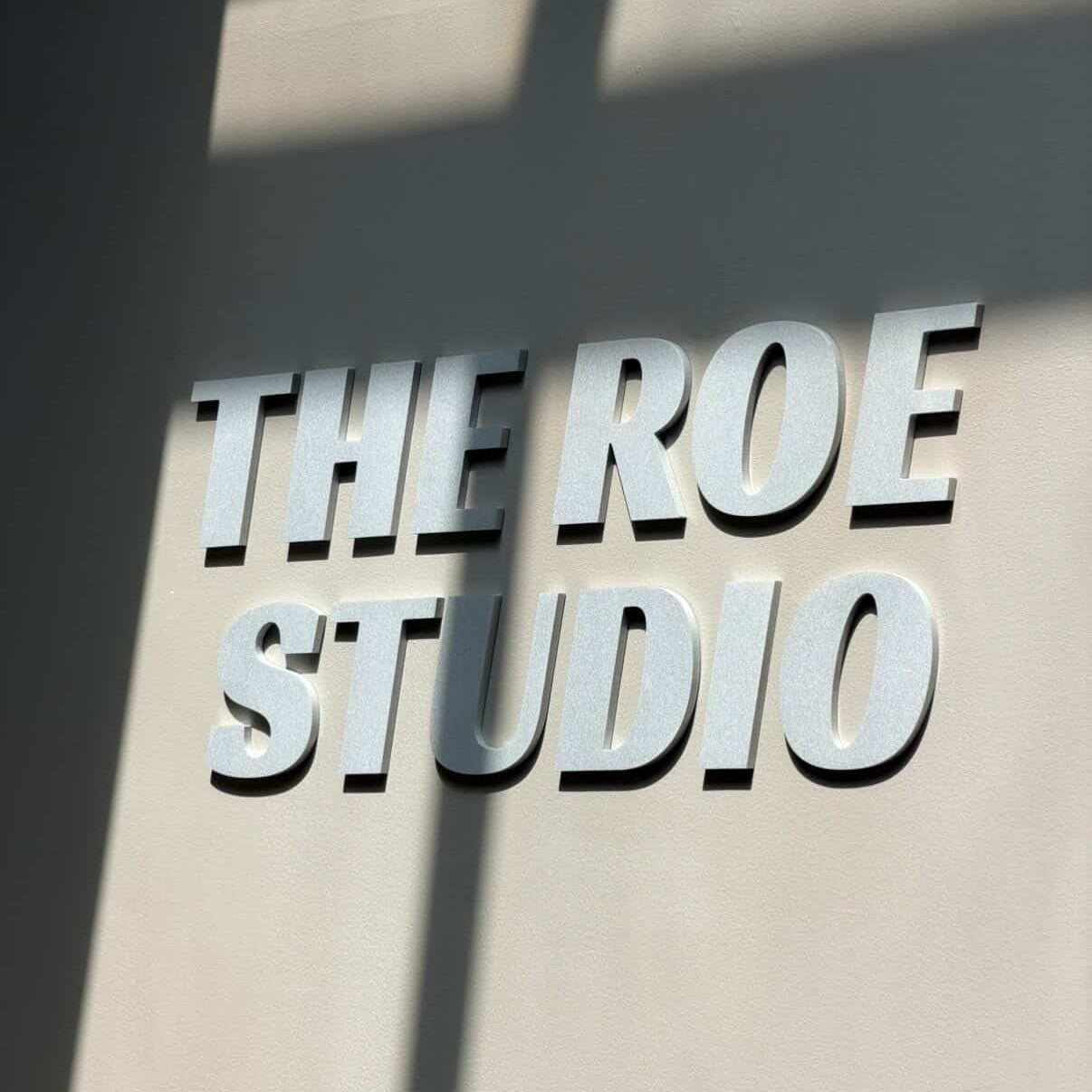
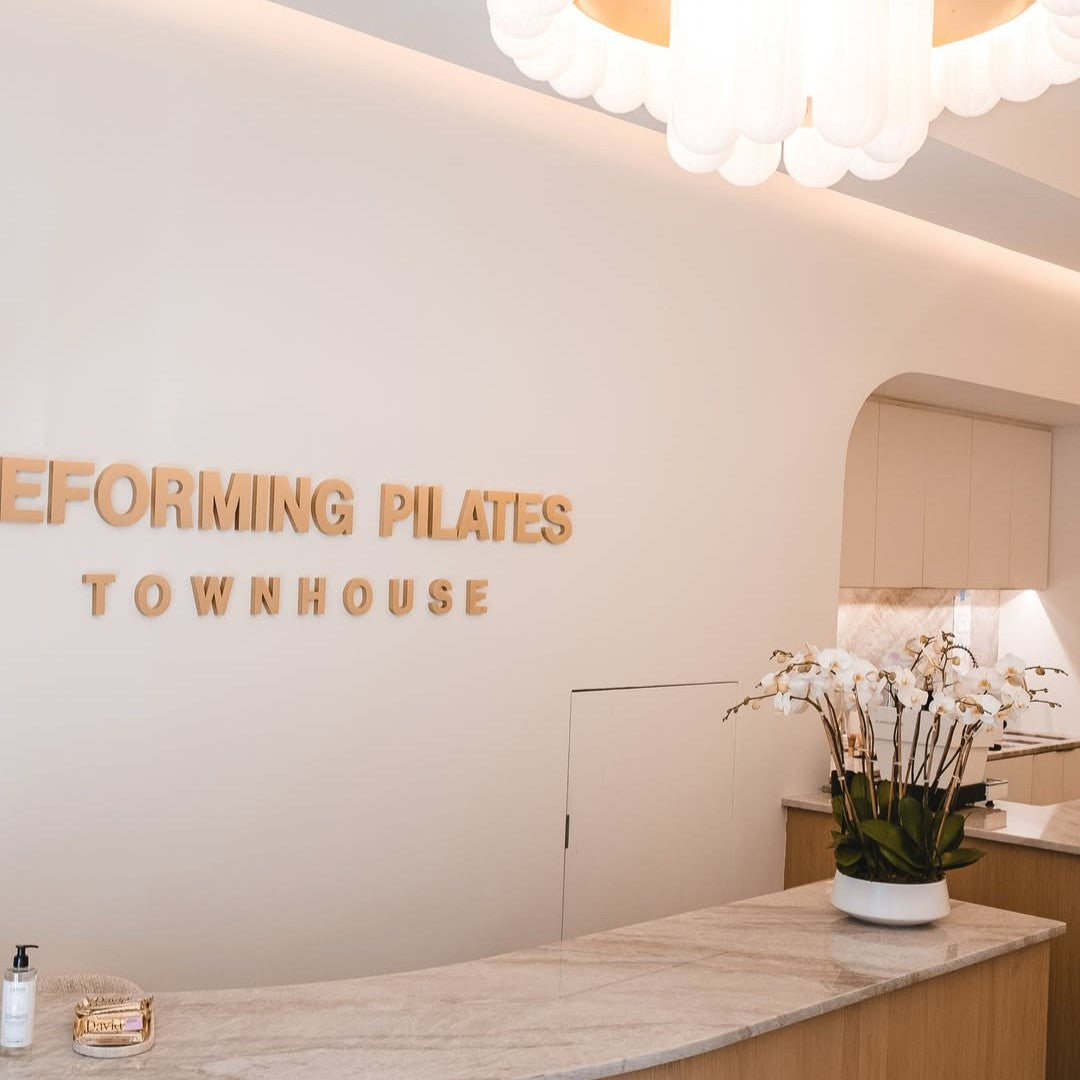
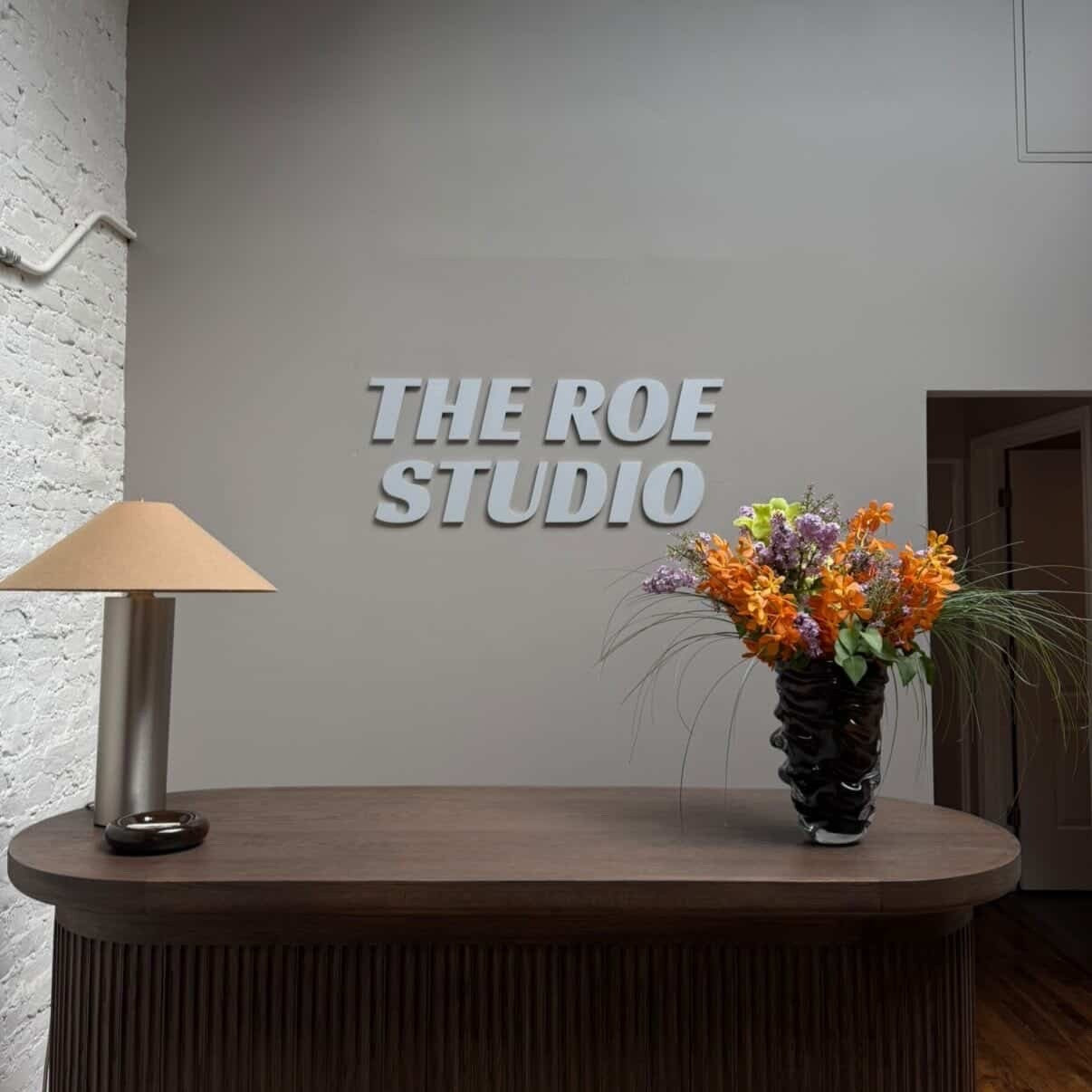
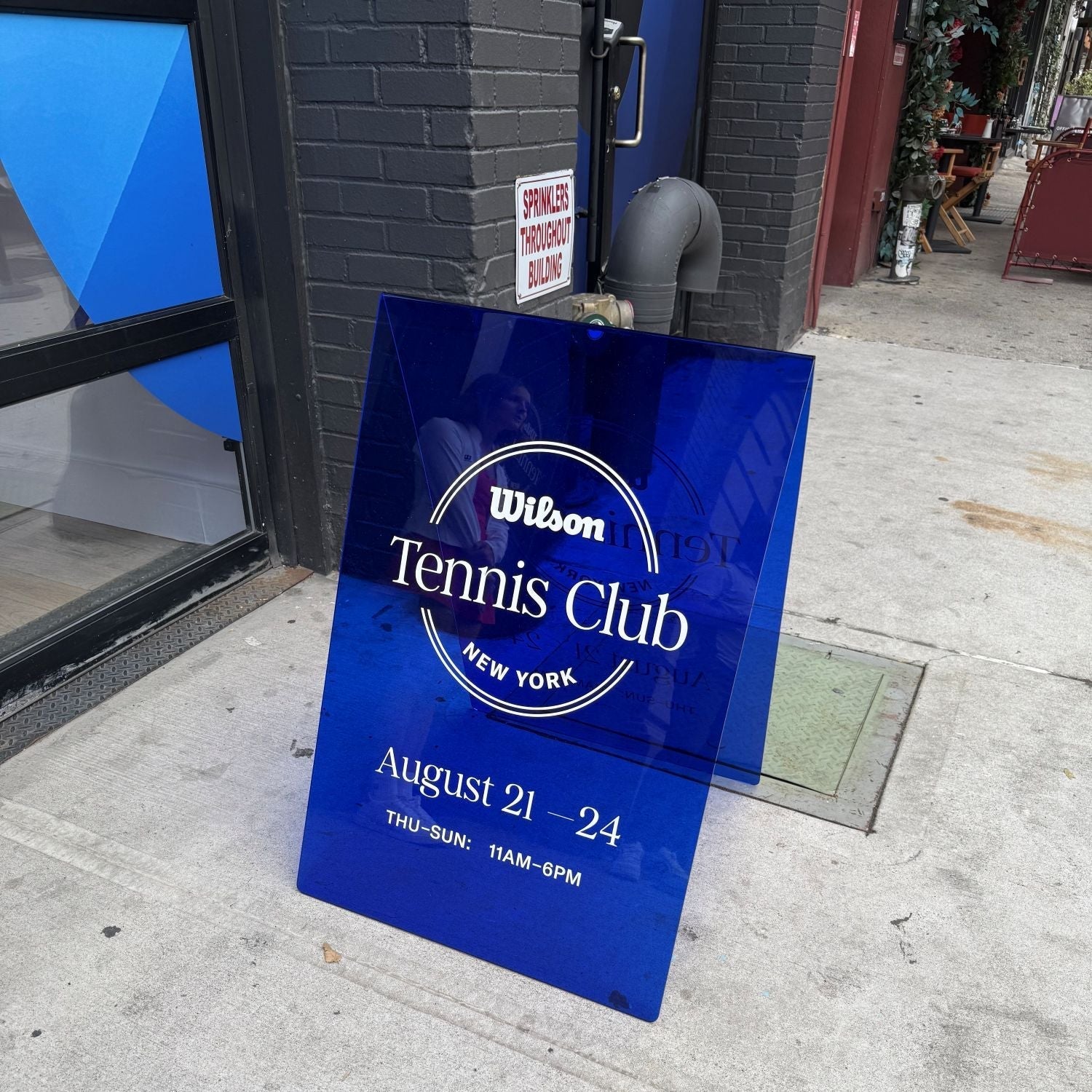
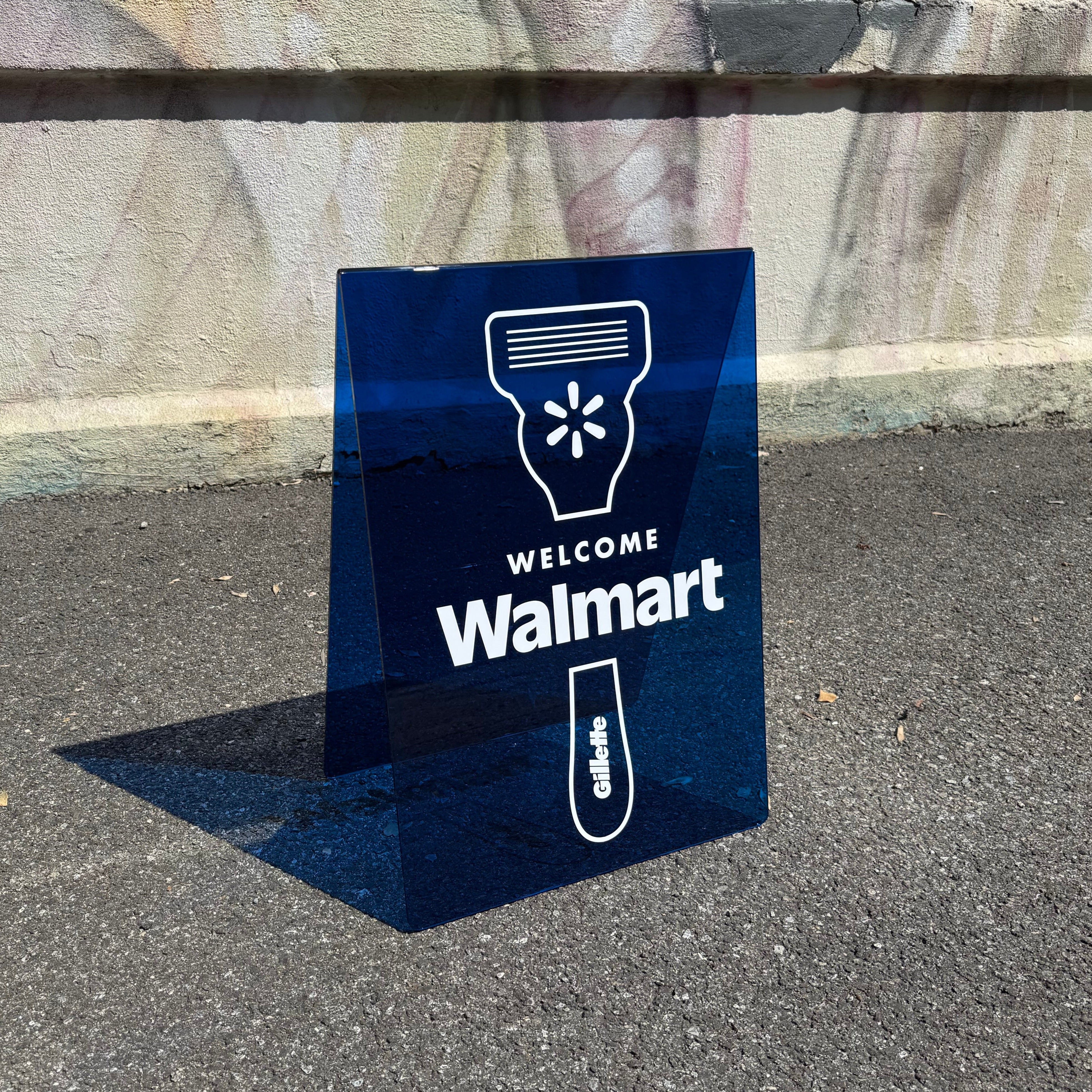
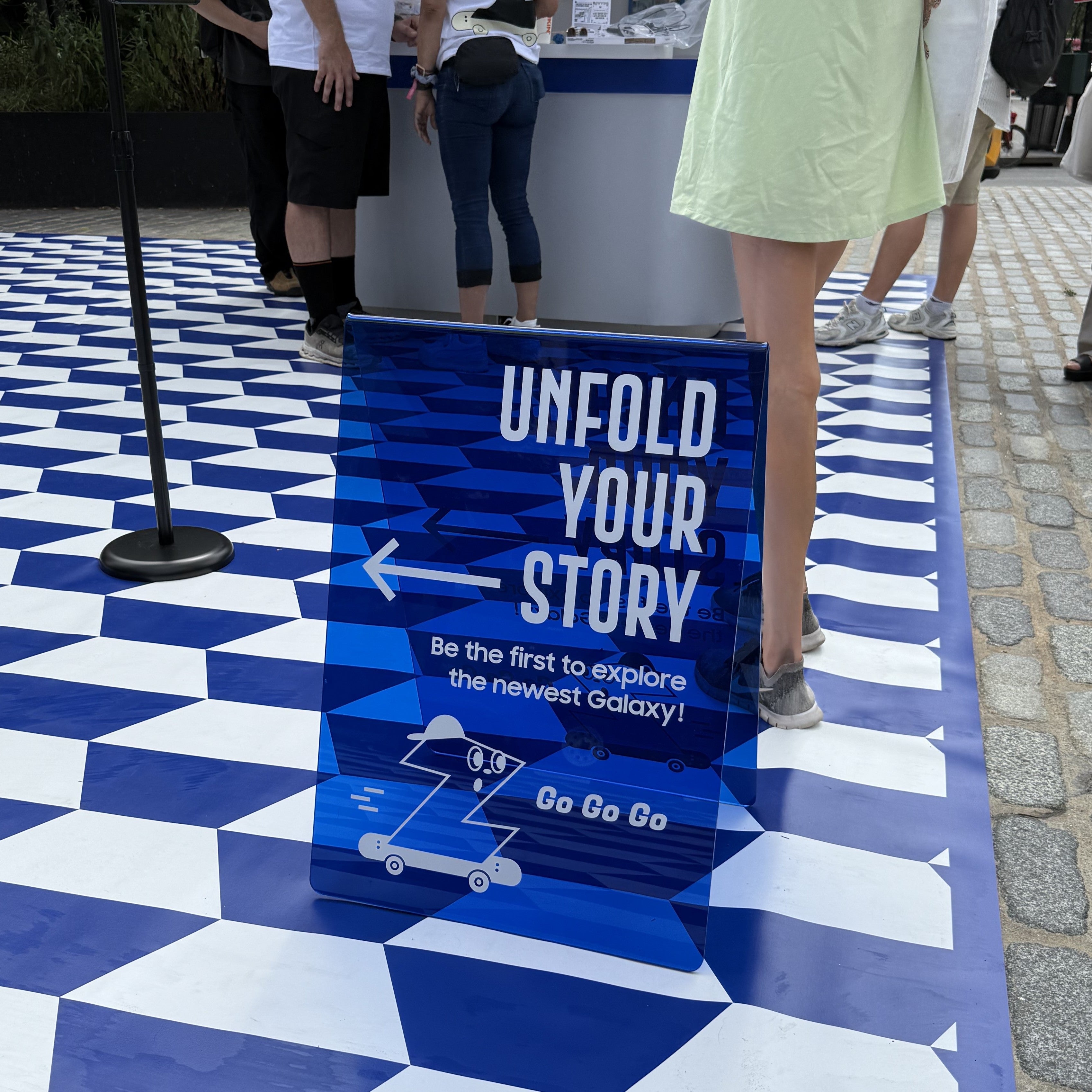
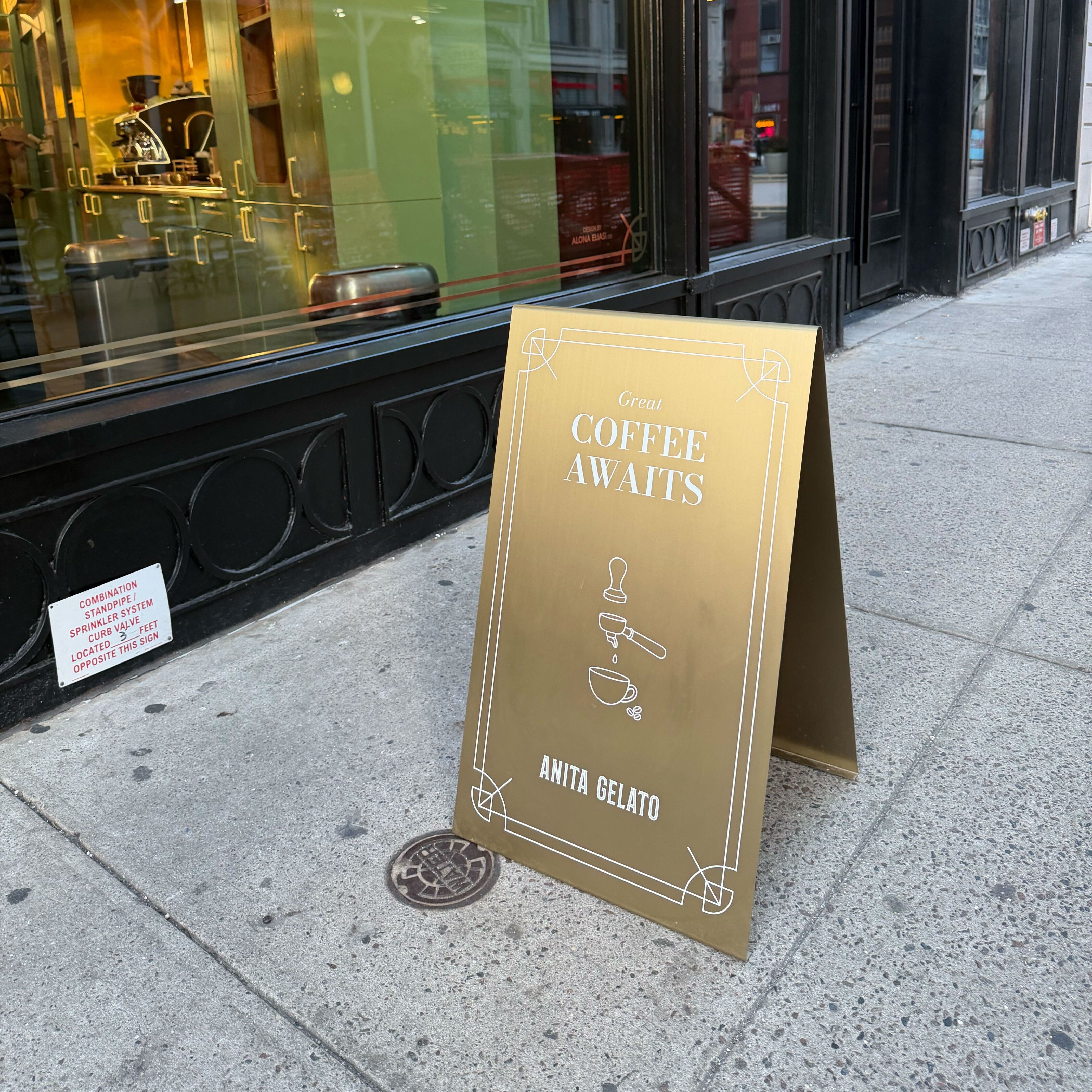
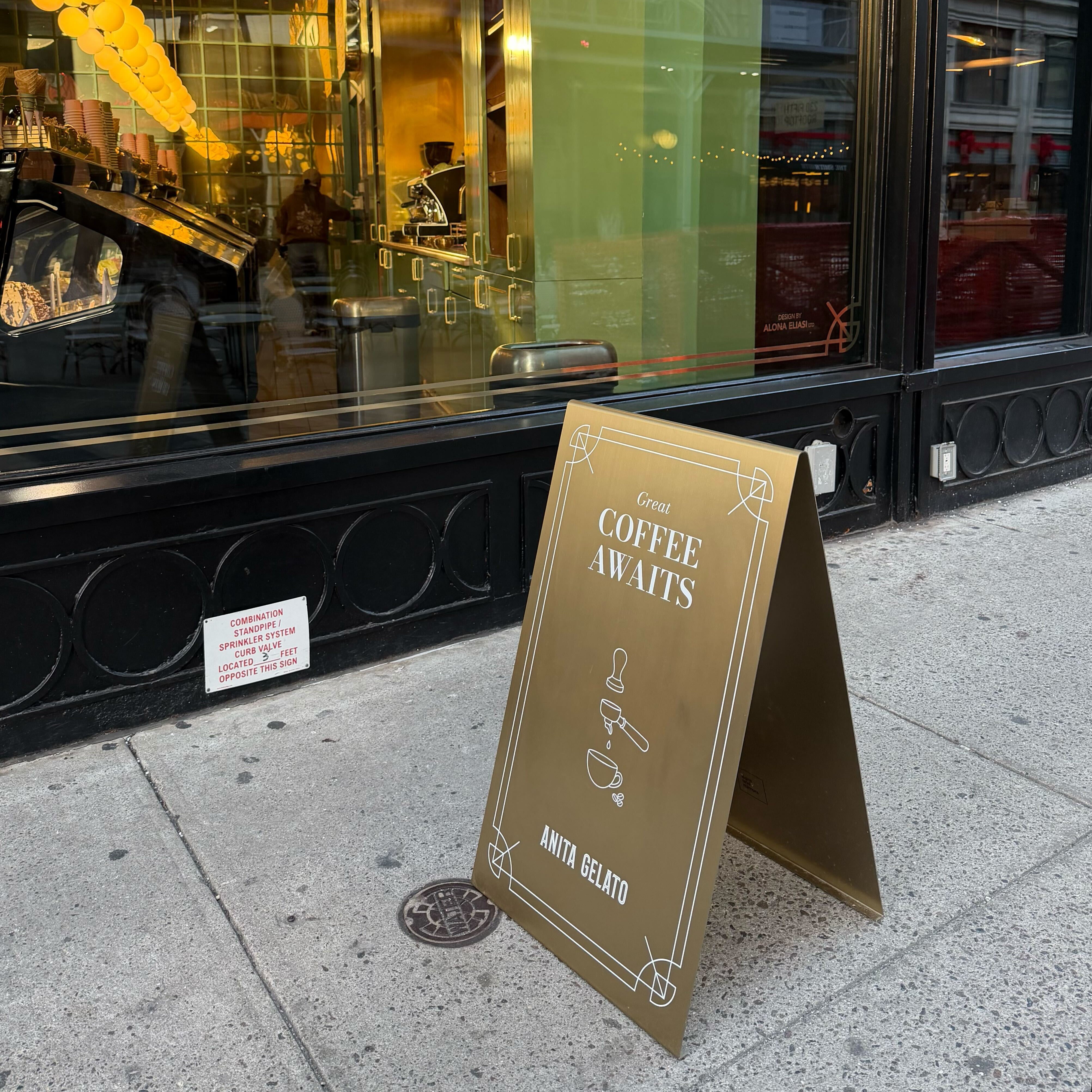
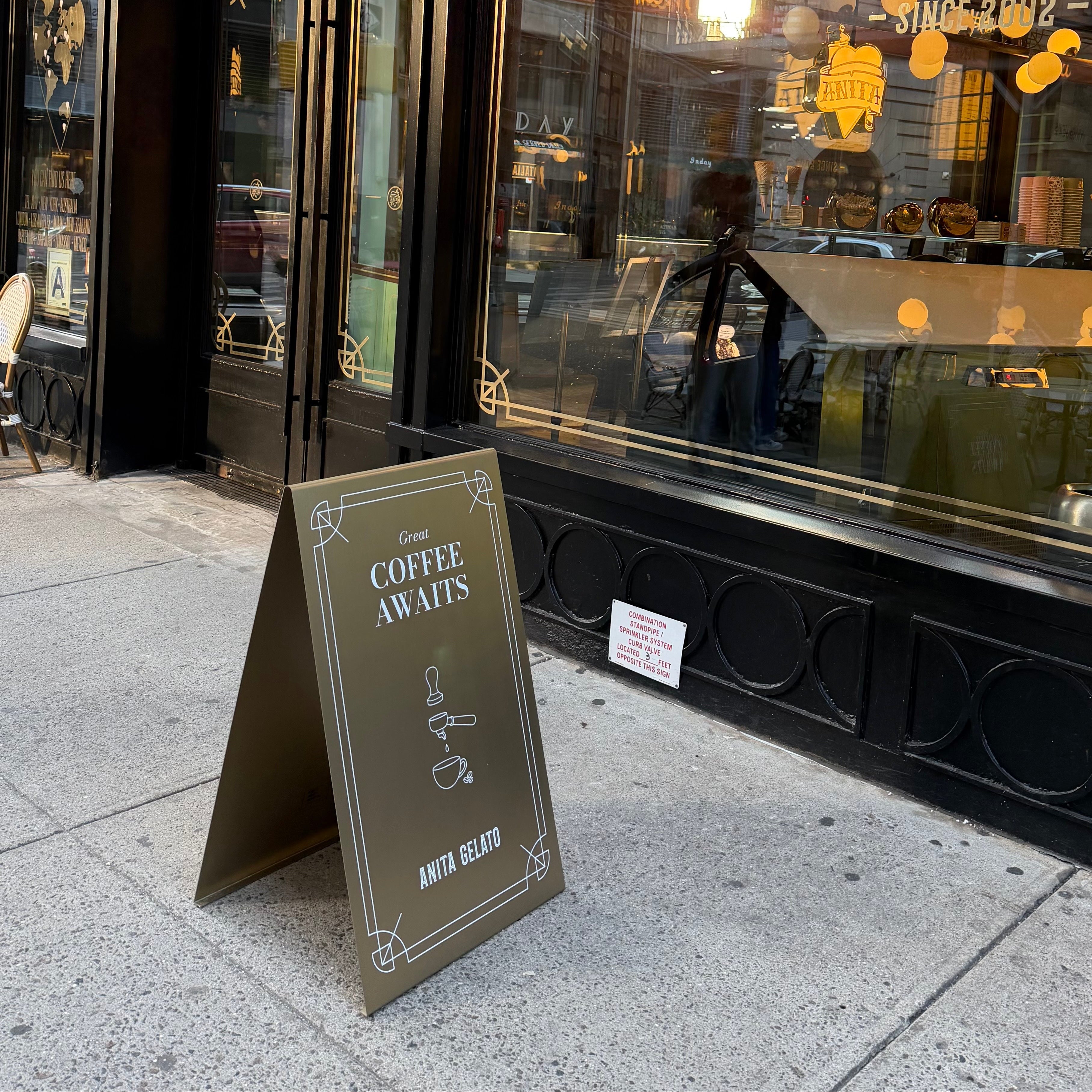
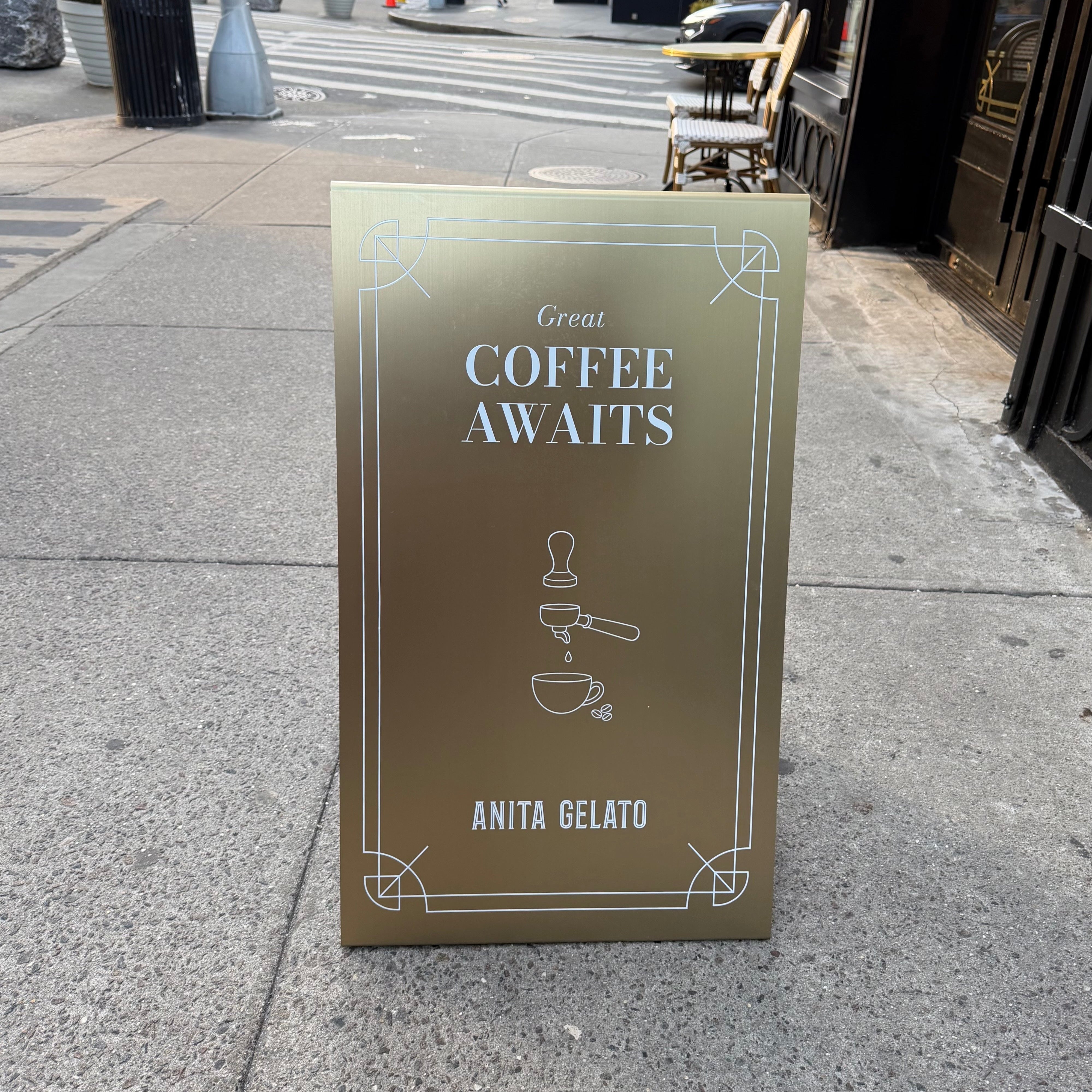
For most restaurants, street traffic still matters. Whether it’s someone heading to work or just passing by with coffee, visibility is often the first step toward a new customer. A good sign does more than point - it pulls attention, even for a few seconds. And in busy city environments, that pause is where discovery starts.
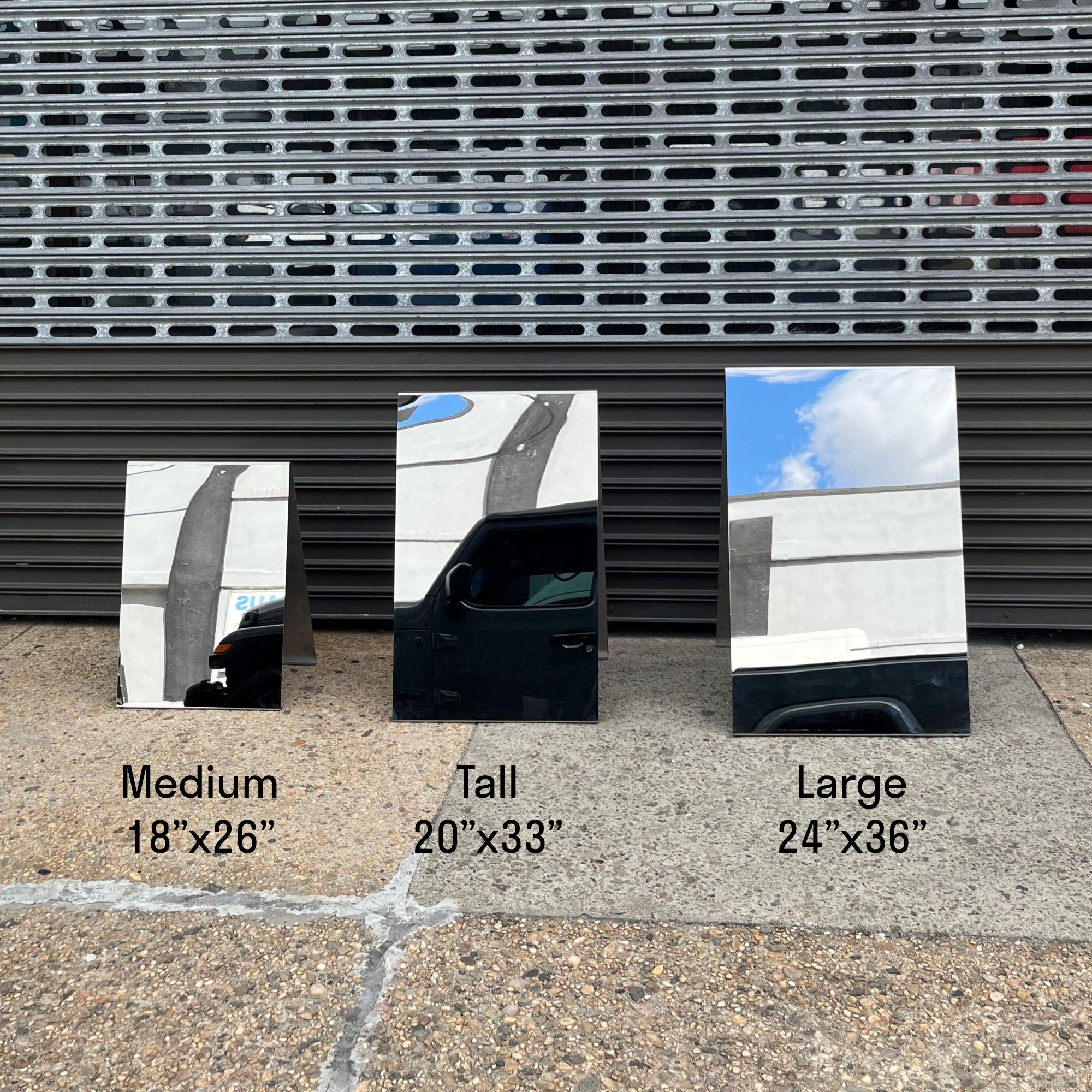
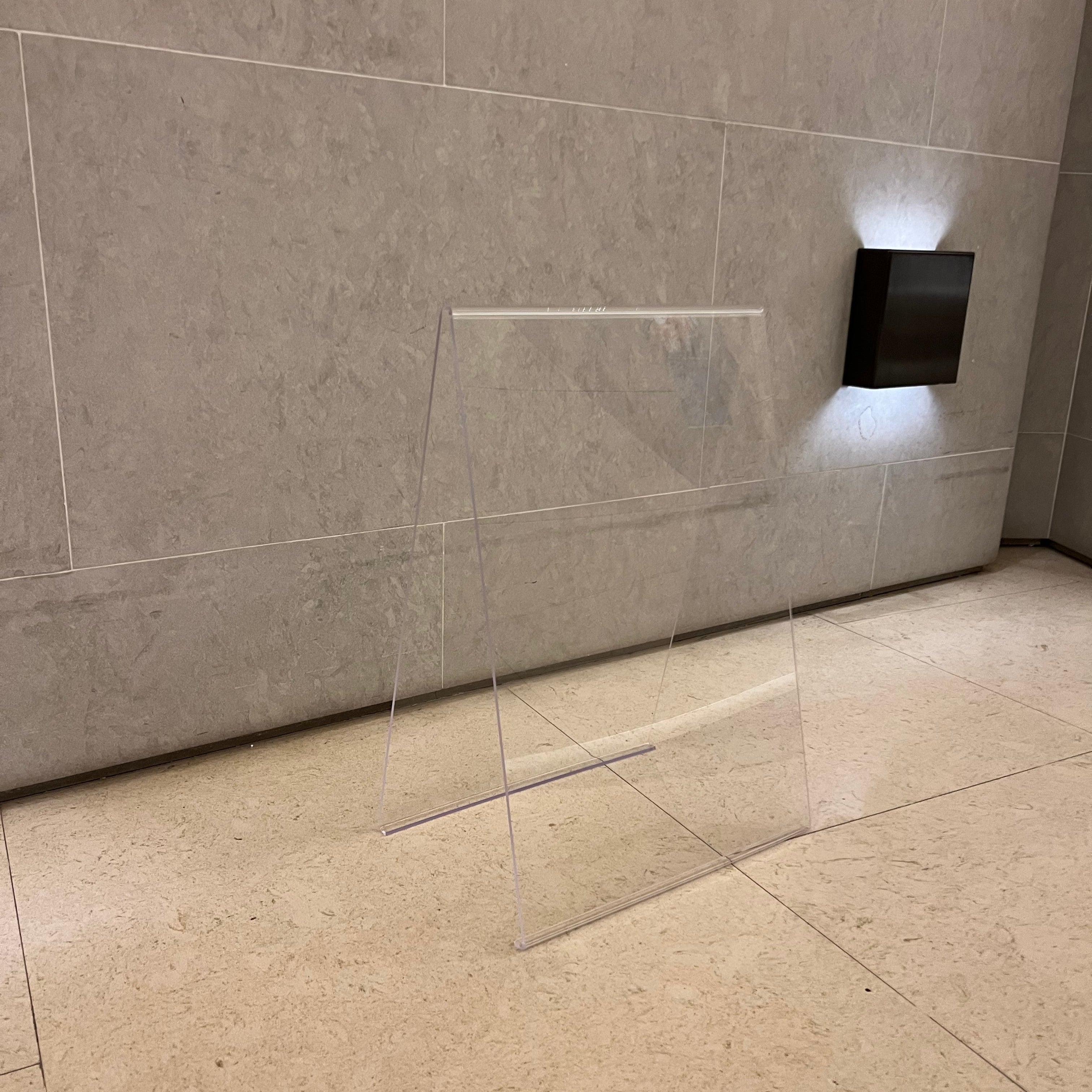
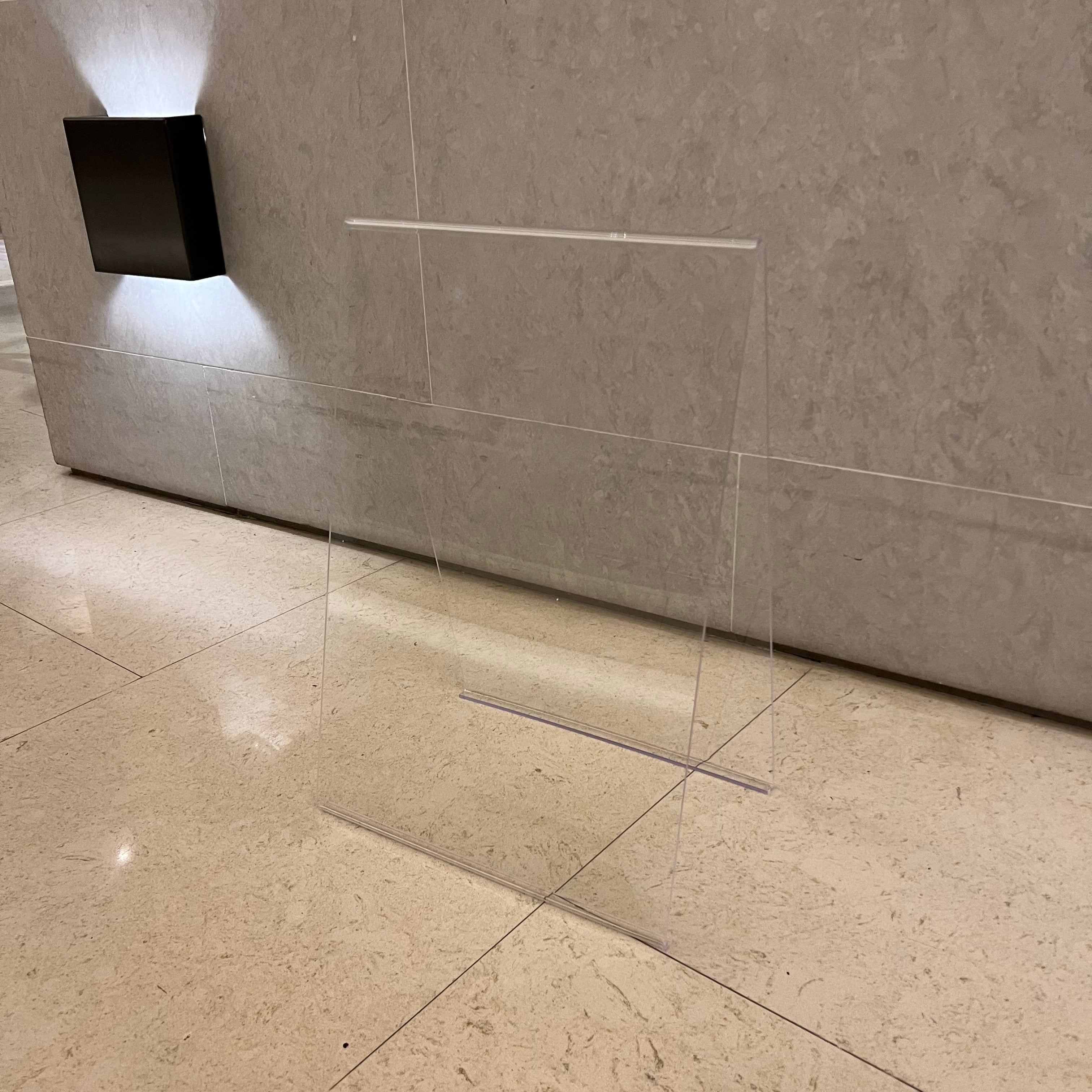
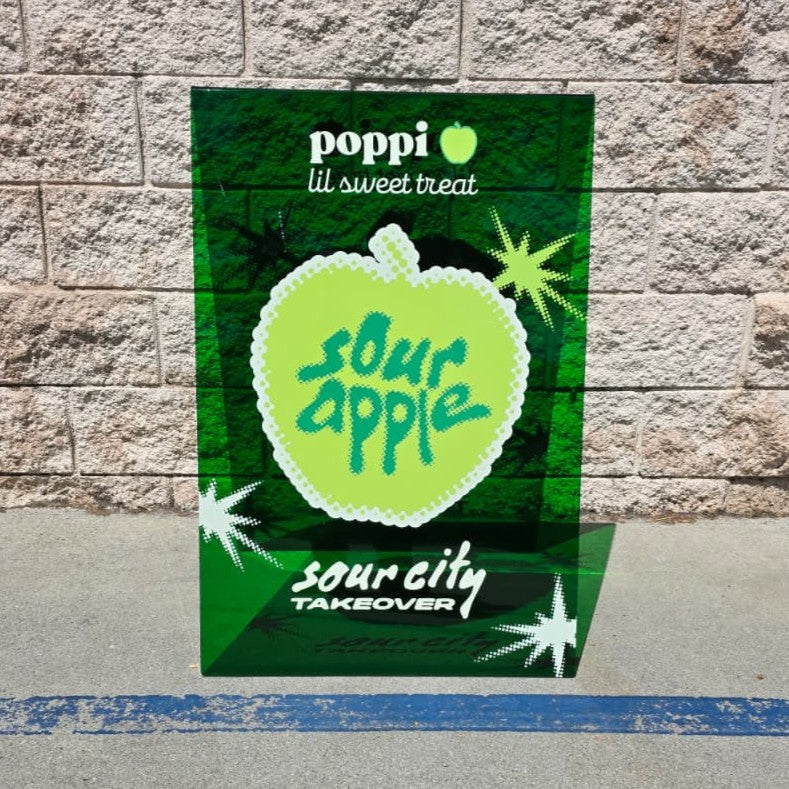
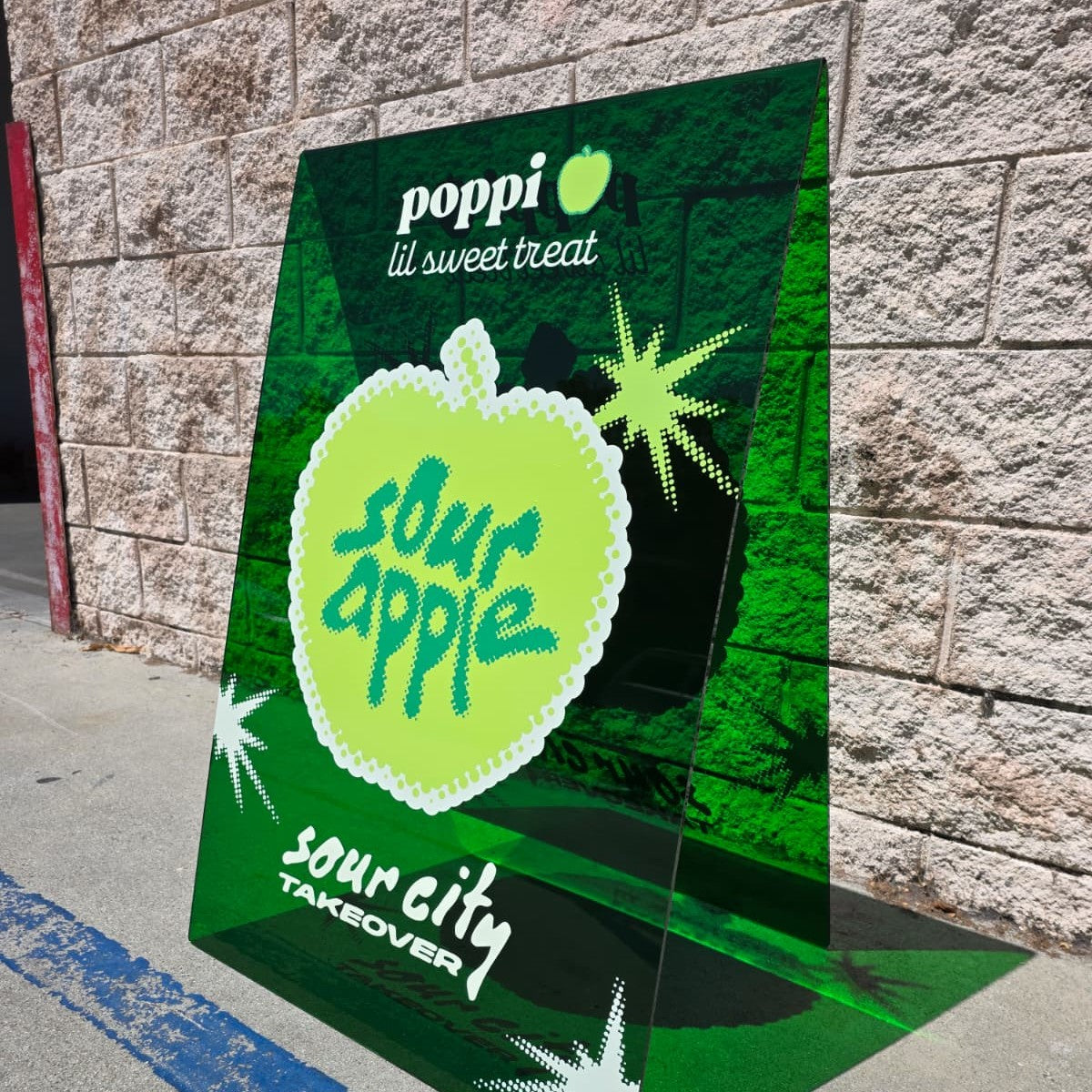
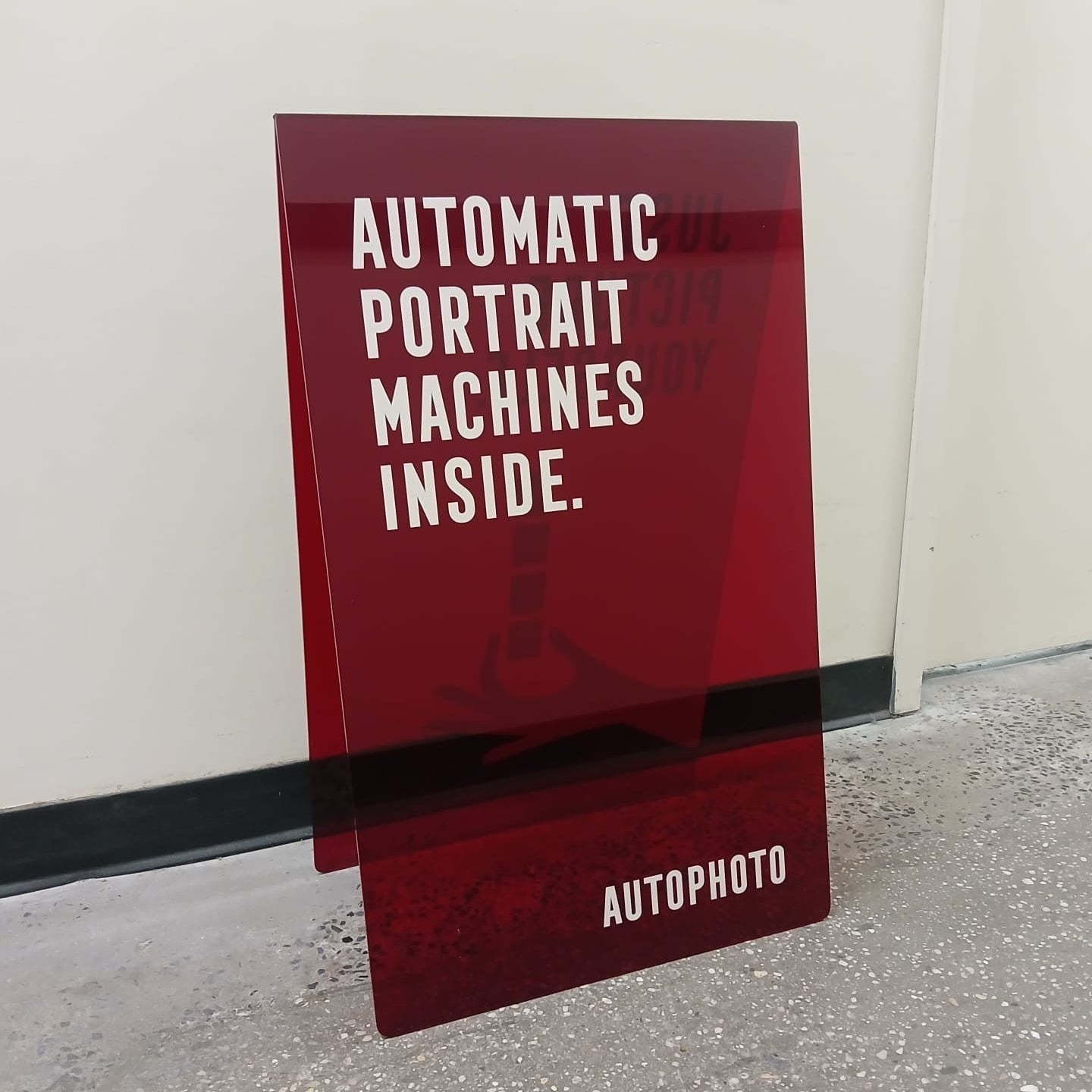
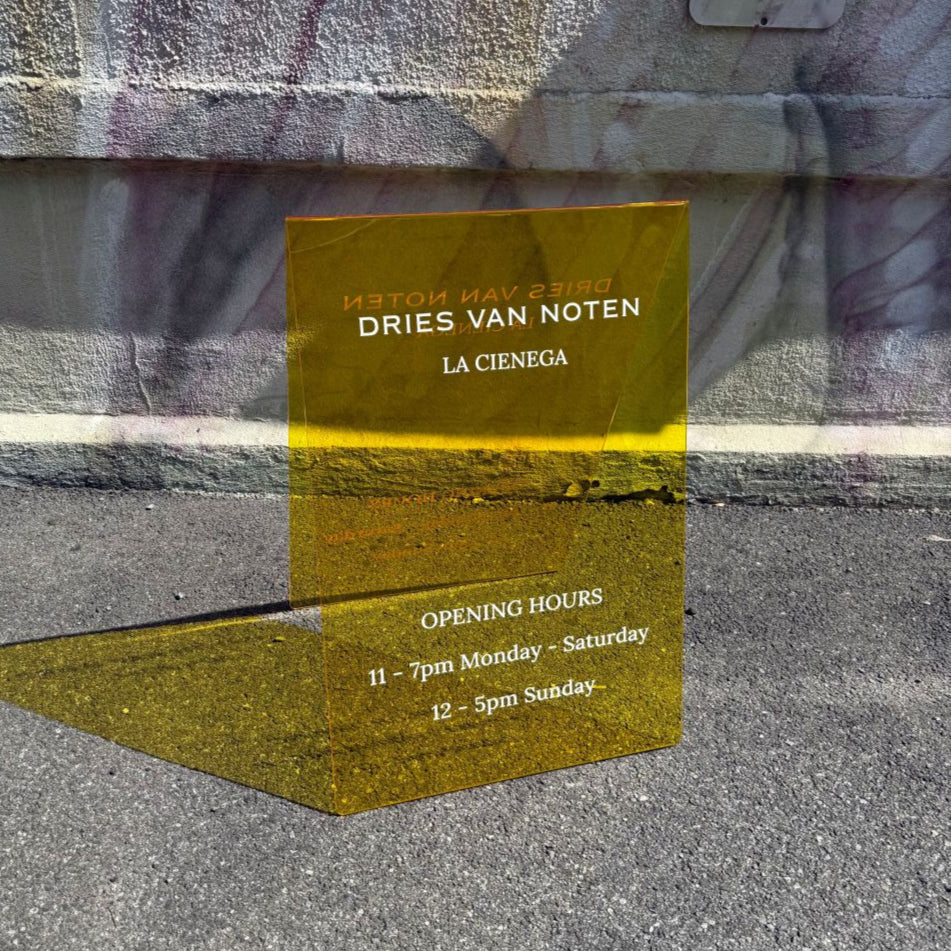
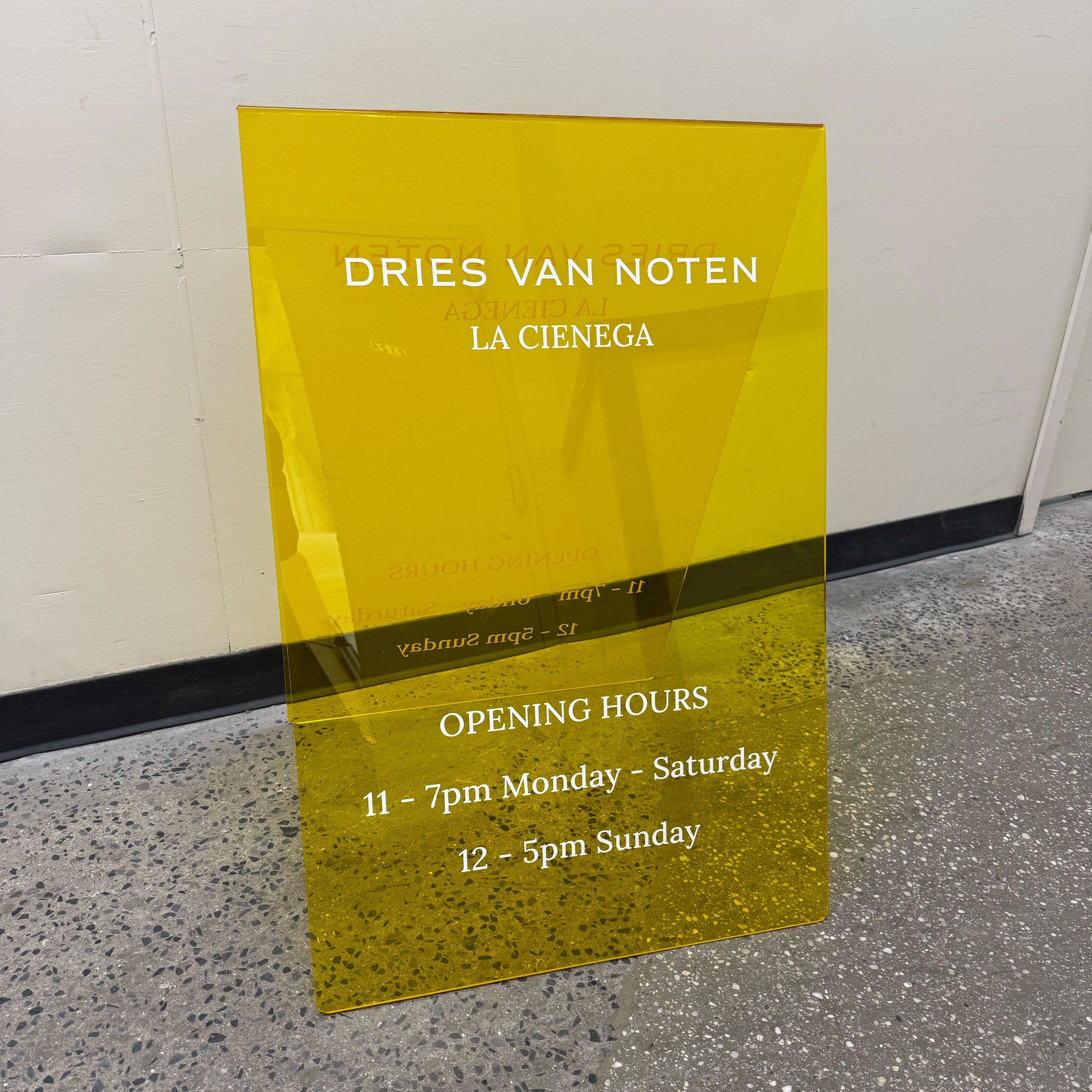
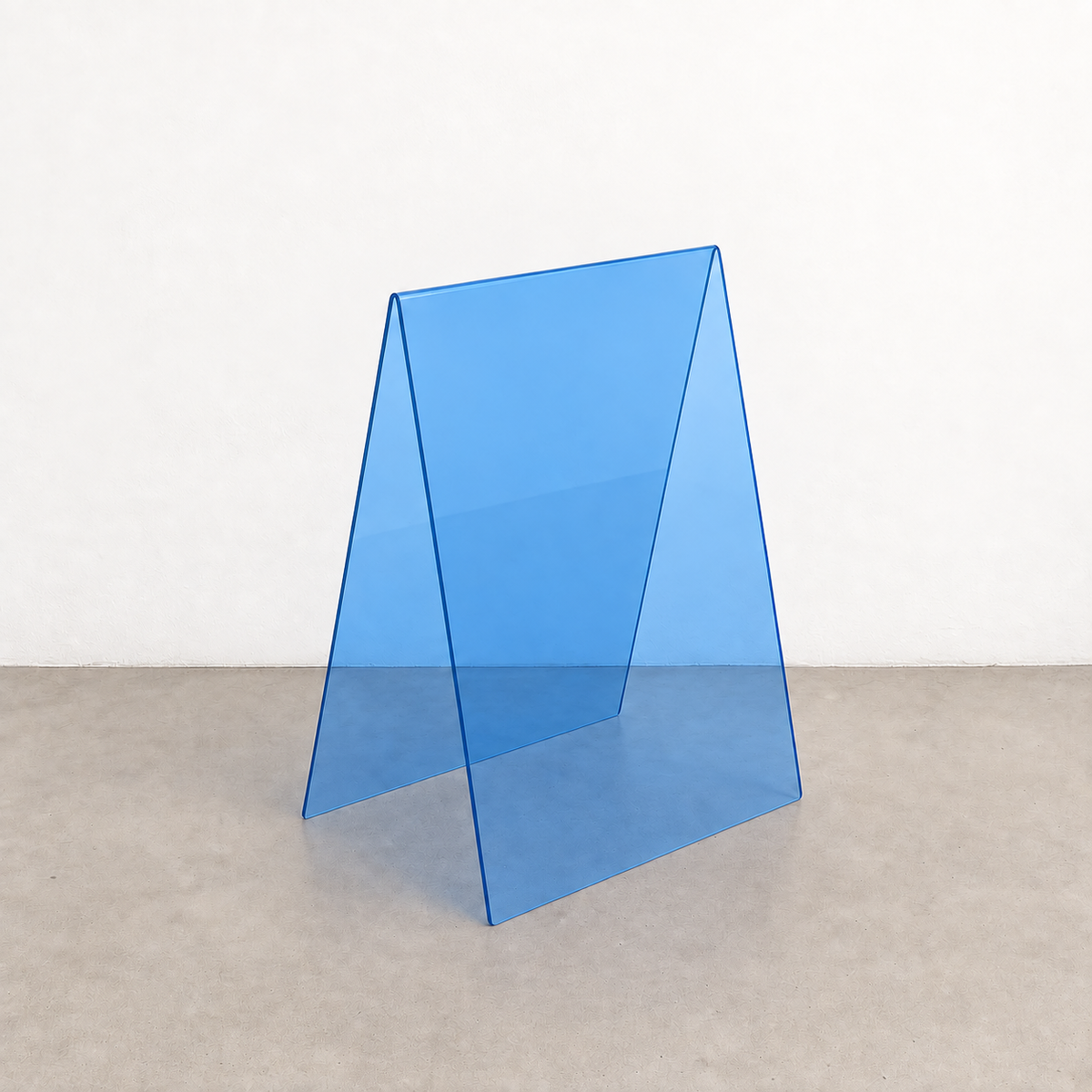
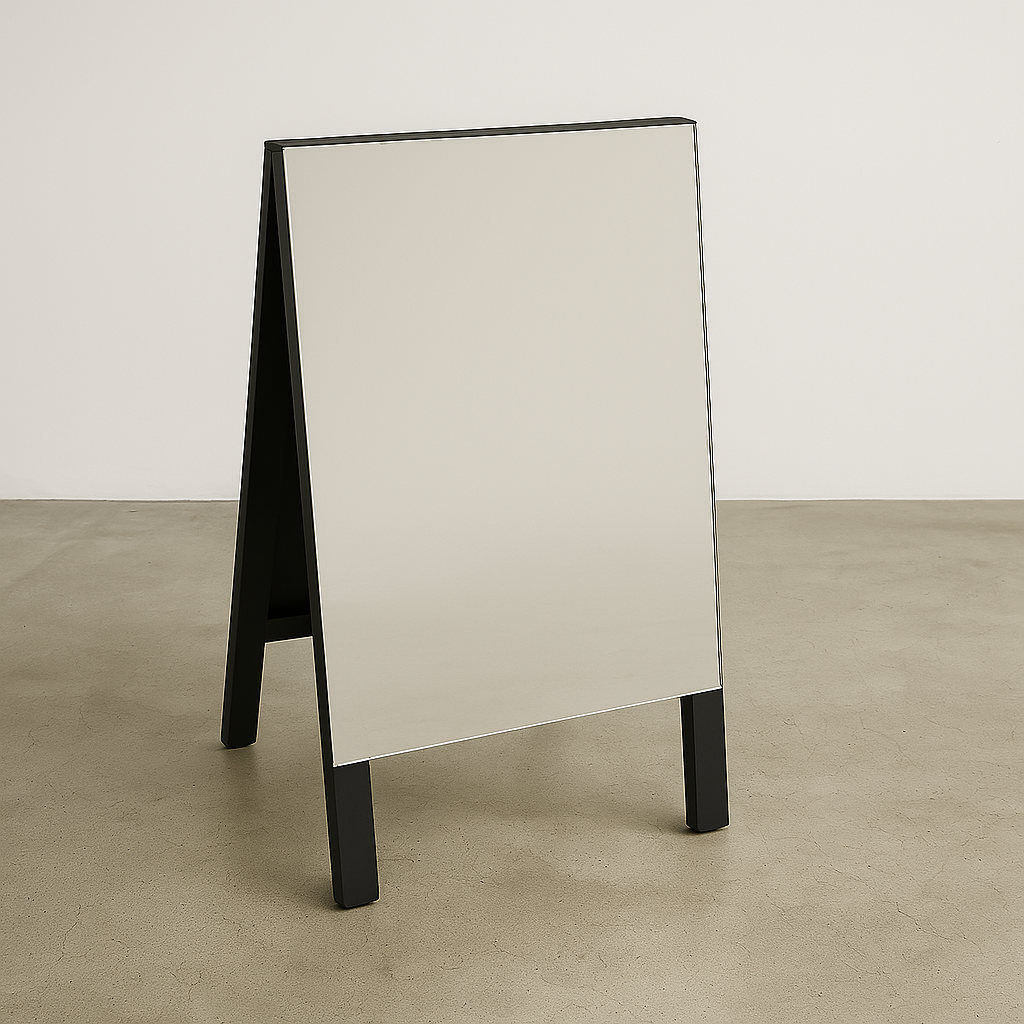
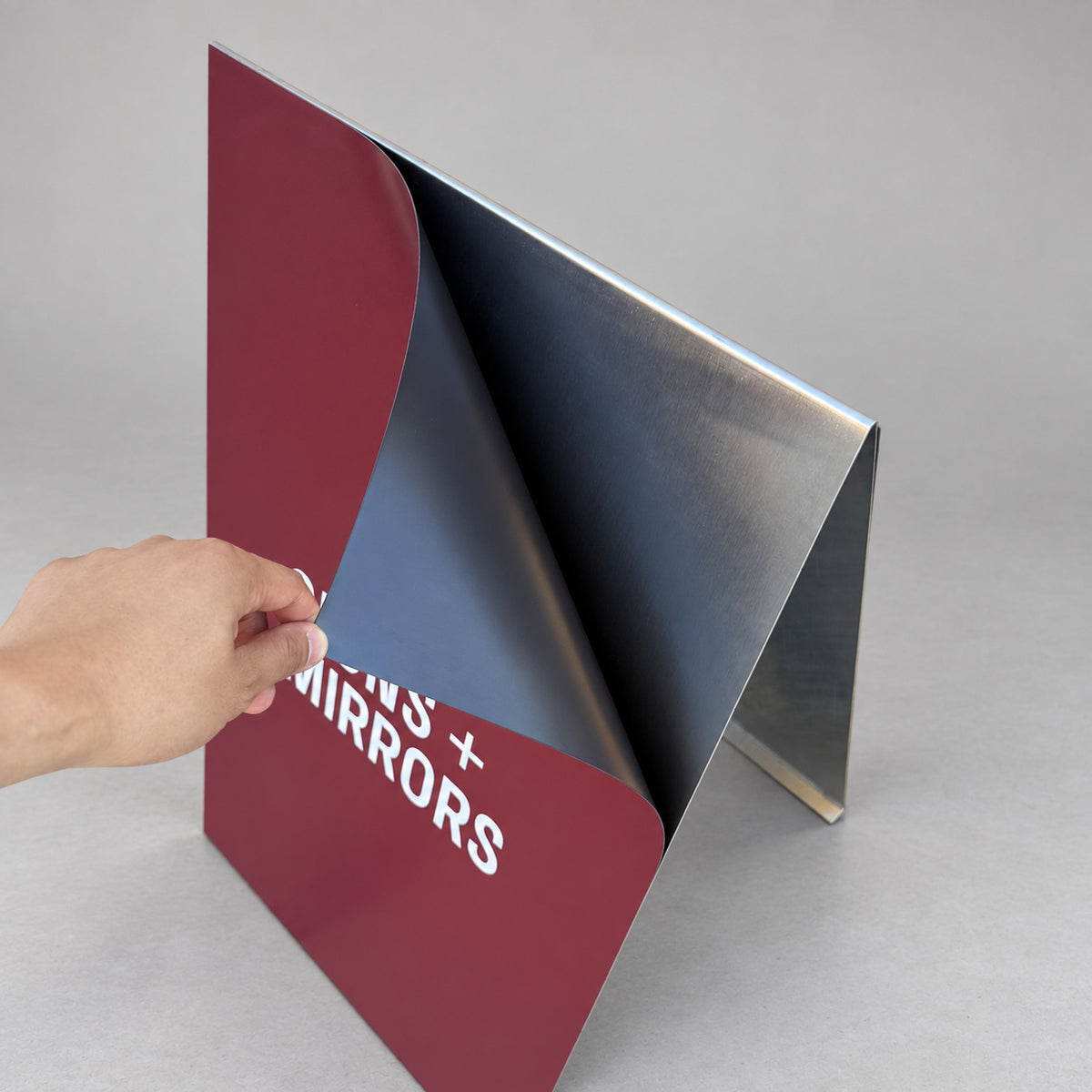
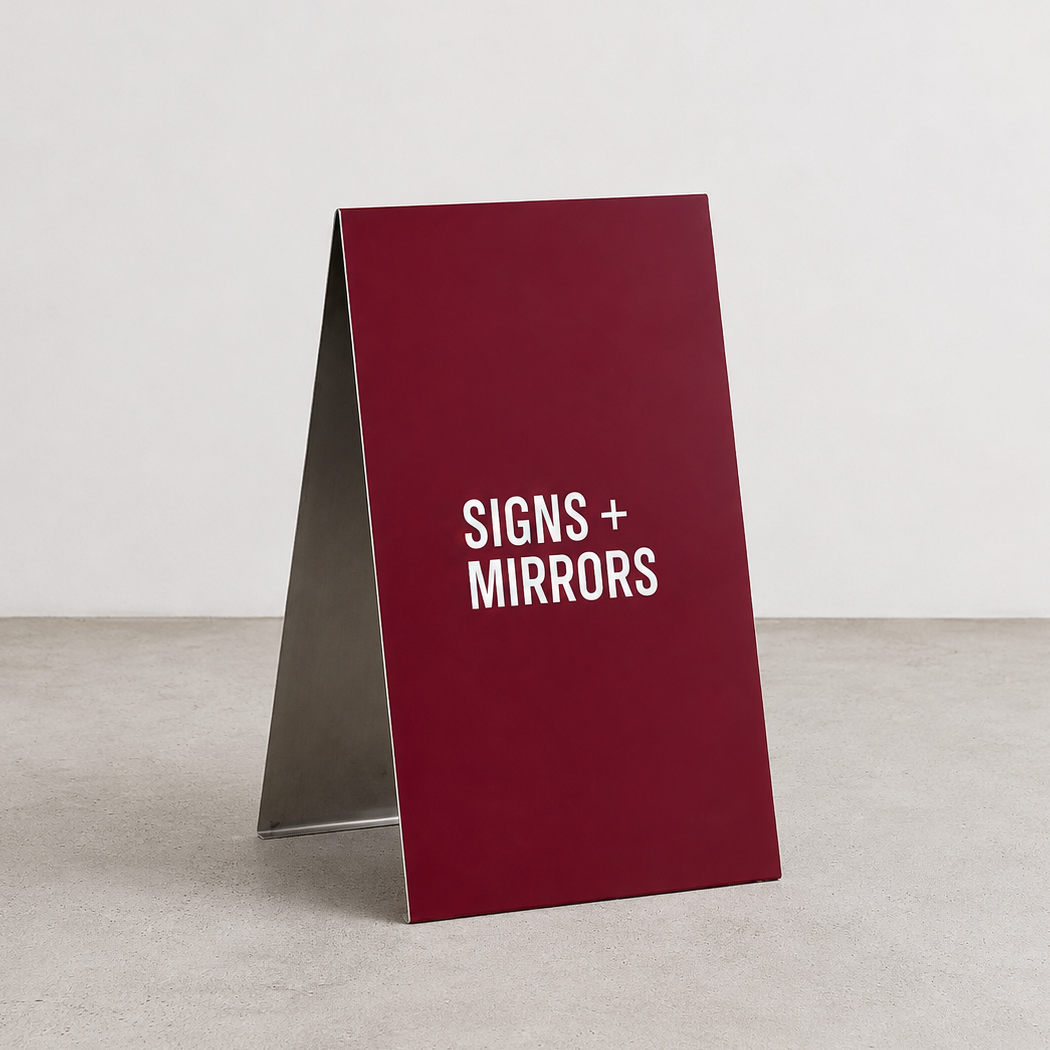
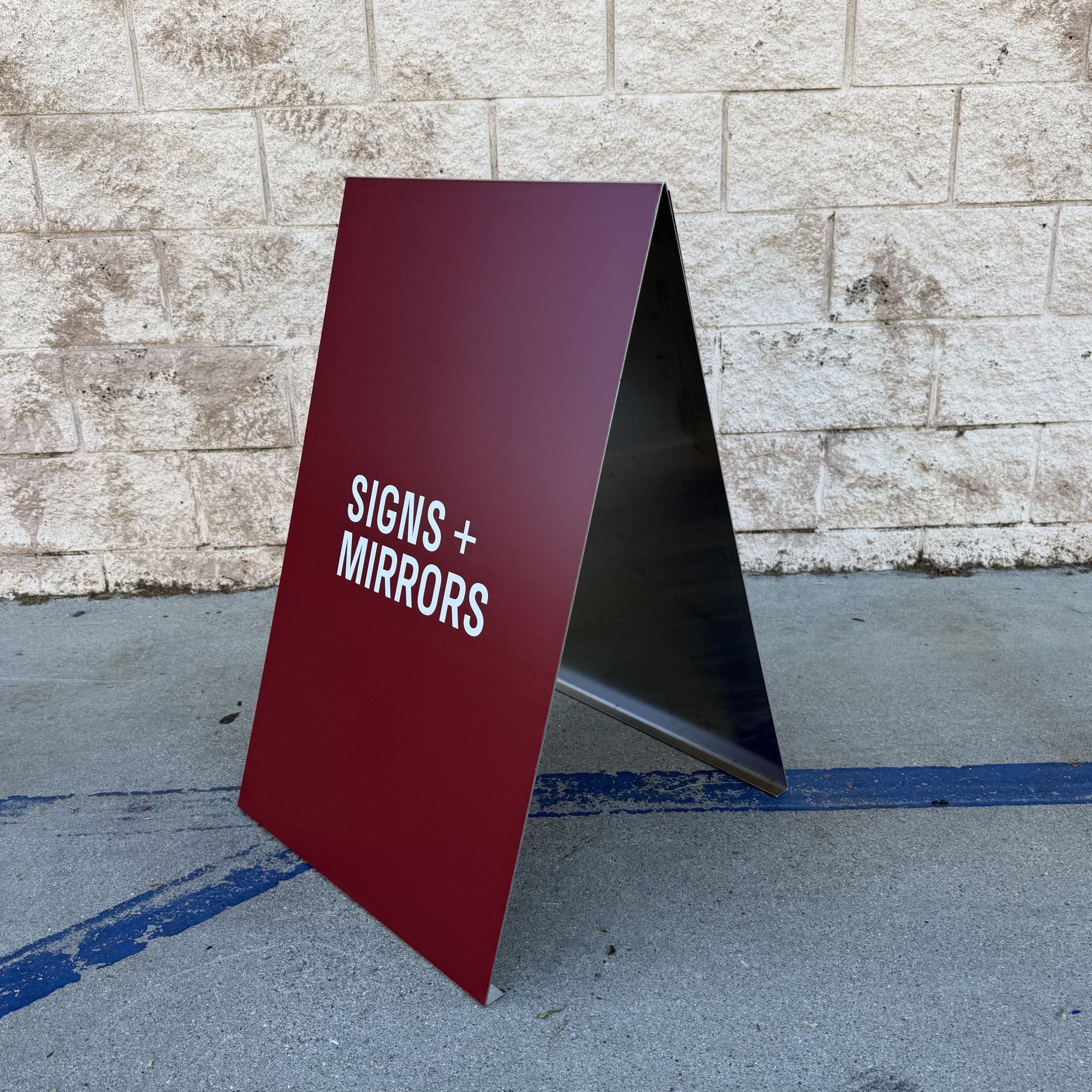
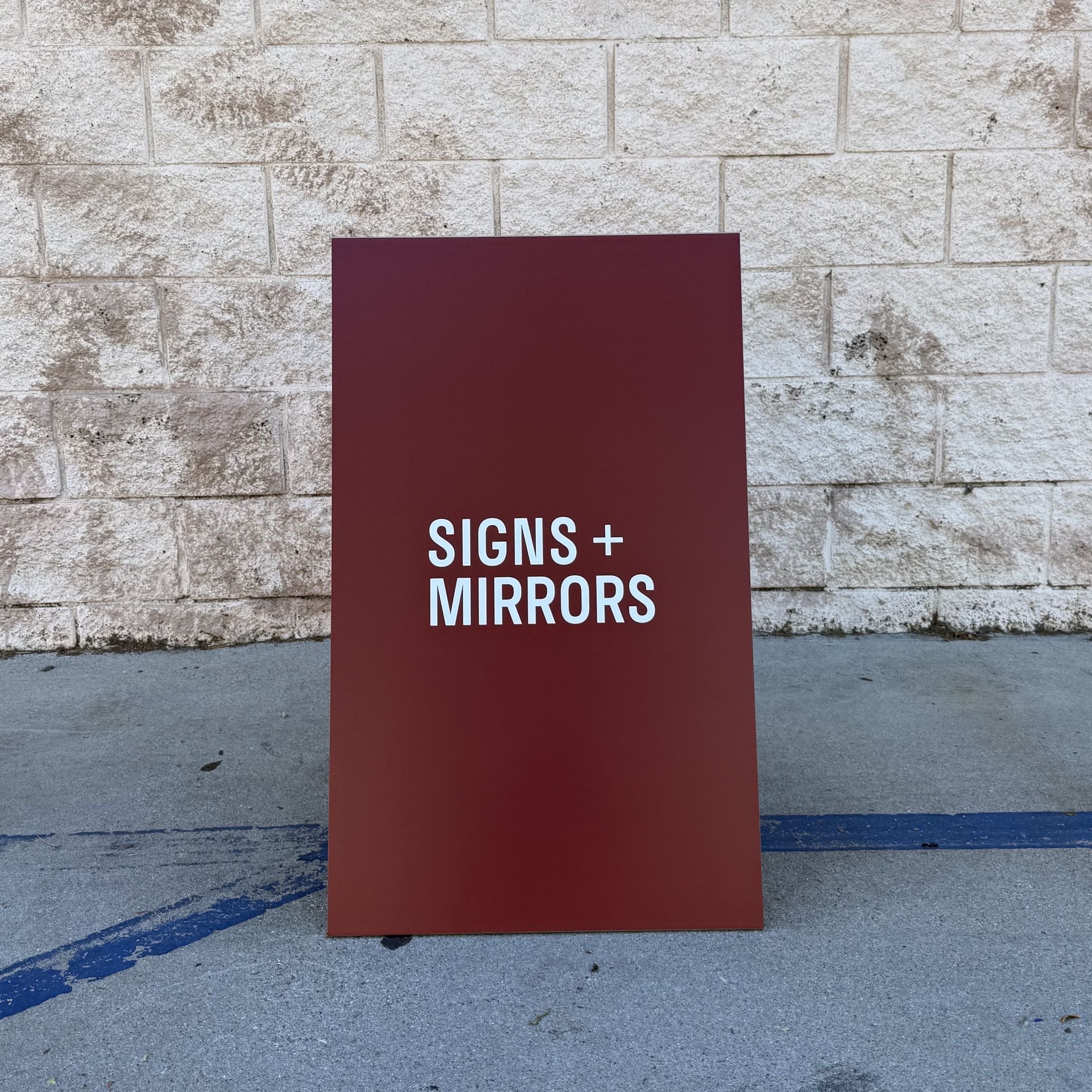
That’s where we come in. At Signs and Mirrors, we’ve spent the last few years making signs that don’t just inform - they get noticed. It started with a mirrored A-frame for our own photo studio, something clean and reflective we couldn’t find anywhere else. We made one. Then more. Now our collection includes sidewalk boards, wall signs, and freestanding pieces designed to work in real spaces - restaurants, cafés, galleries, storefronts.
Many of our clients tell us people stop to take photos. Others tag us on Instagram when someone shares their sign online. It’s not a tactic, just good design doing its job. Below are a few pieces that tend to work well in food and drink settings - especially for places that rely on walk-ins and curb appeal.
Forms That Make a Space Feel Intentional

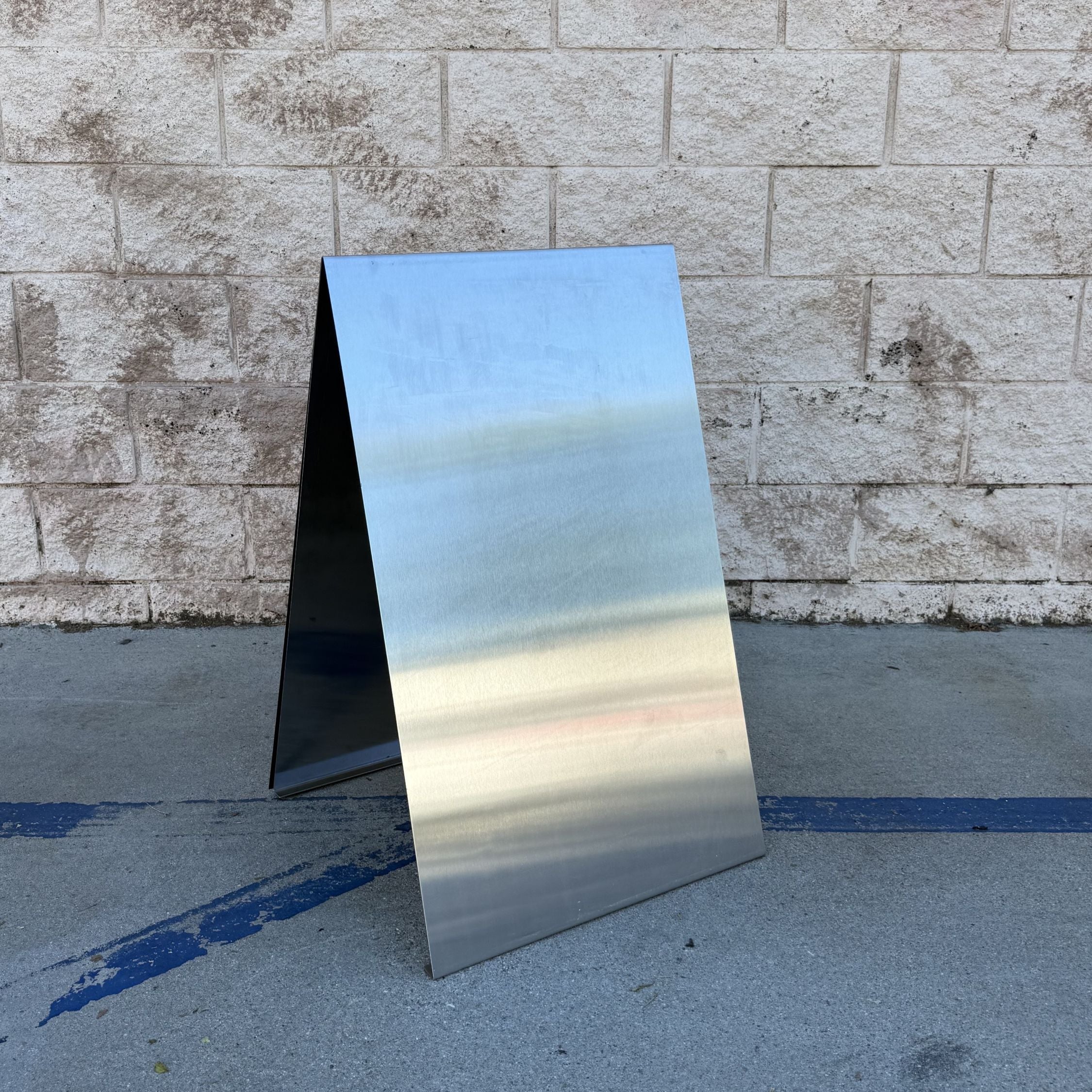
1. Mirrored A-Frame Sandwich Board Sign
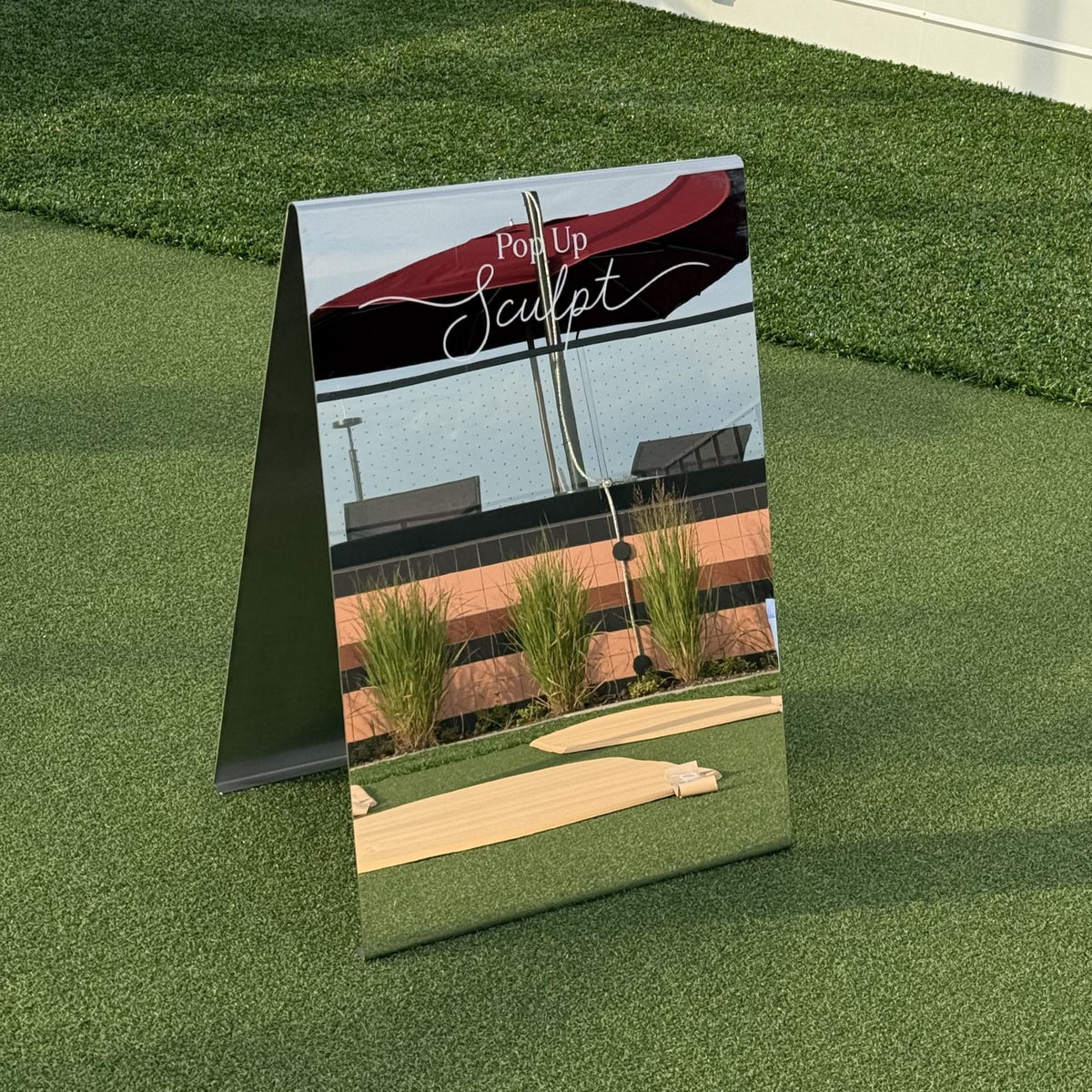
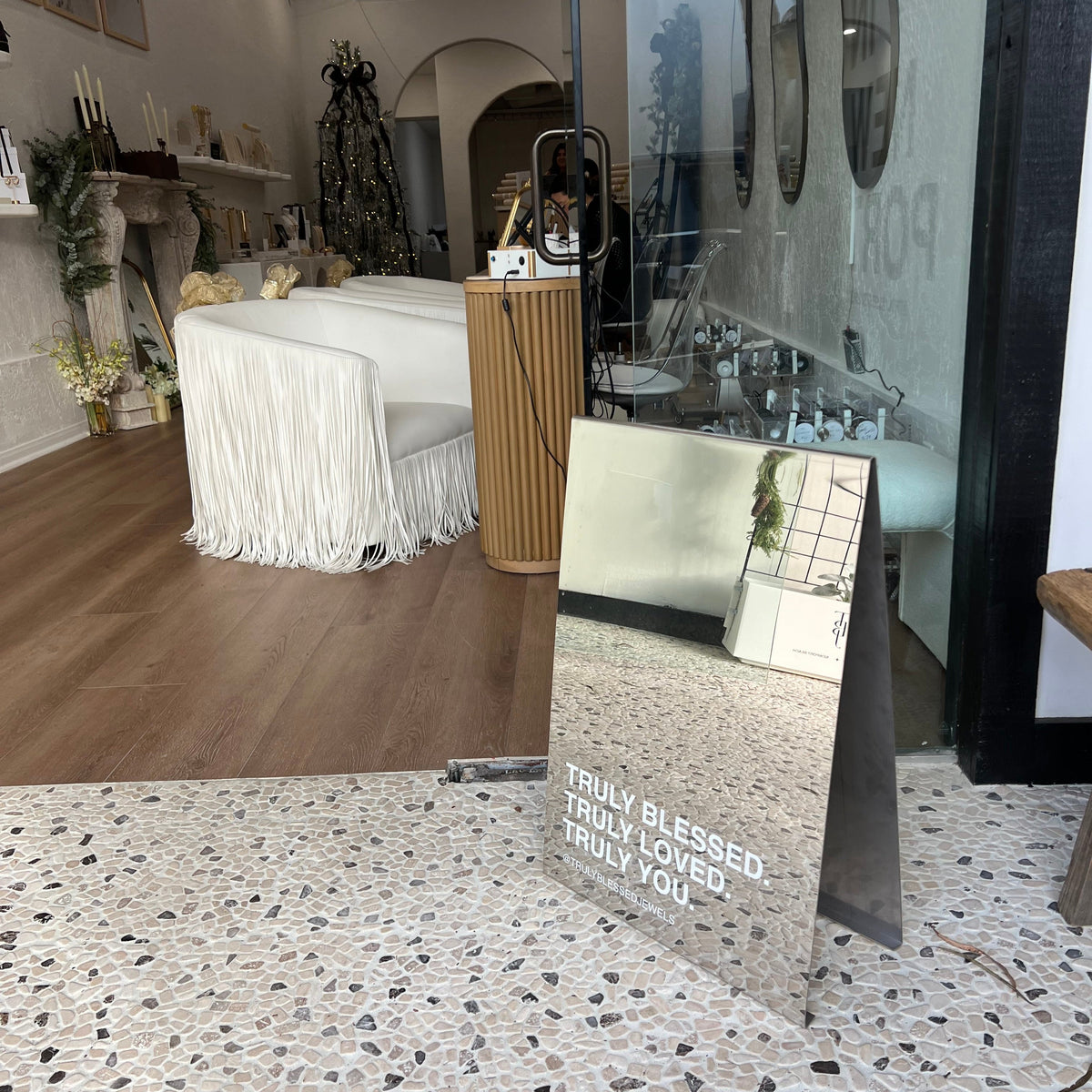
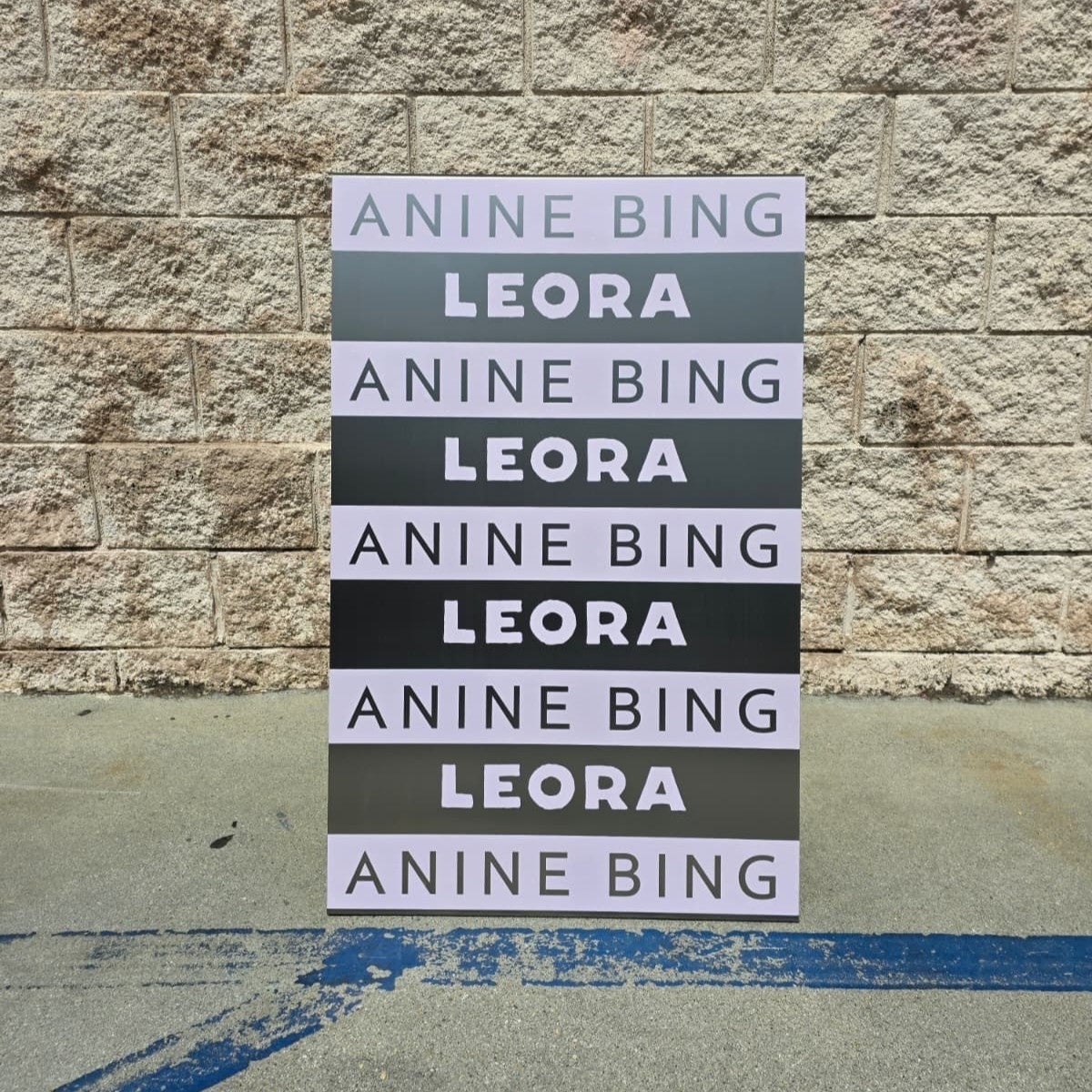
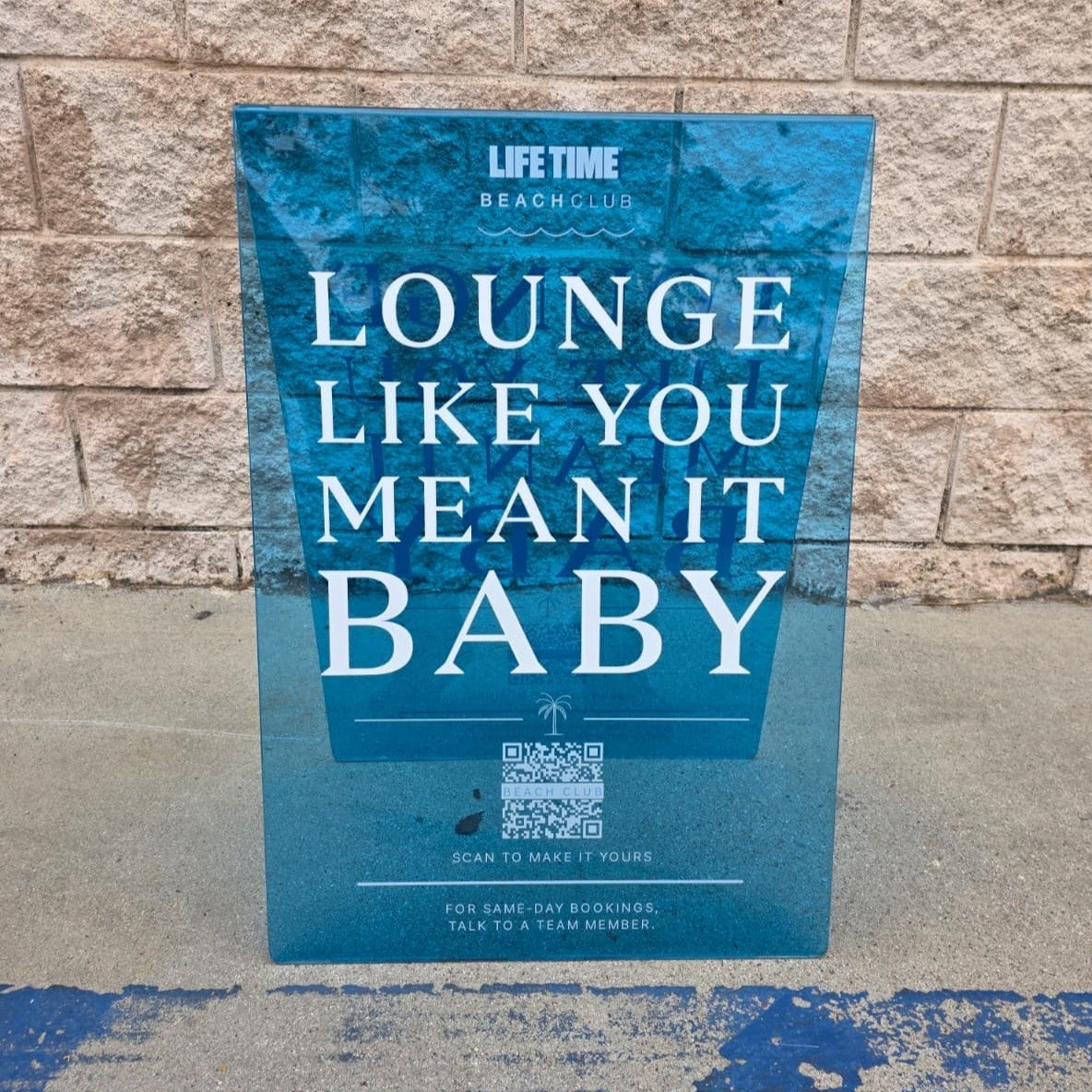
Mirrored A-Frame Sandwich Board Sign is designed to reflect its surroundings - people passing by, light, movement. The surface feels clean and solid, the form stays minimal. It folds flat when not in use and is often placed near entrances or along the curb. Can be left blank or printed on both sides.

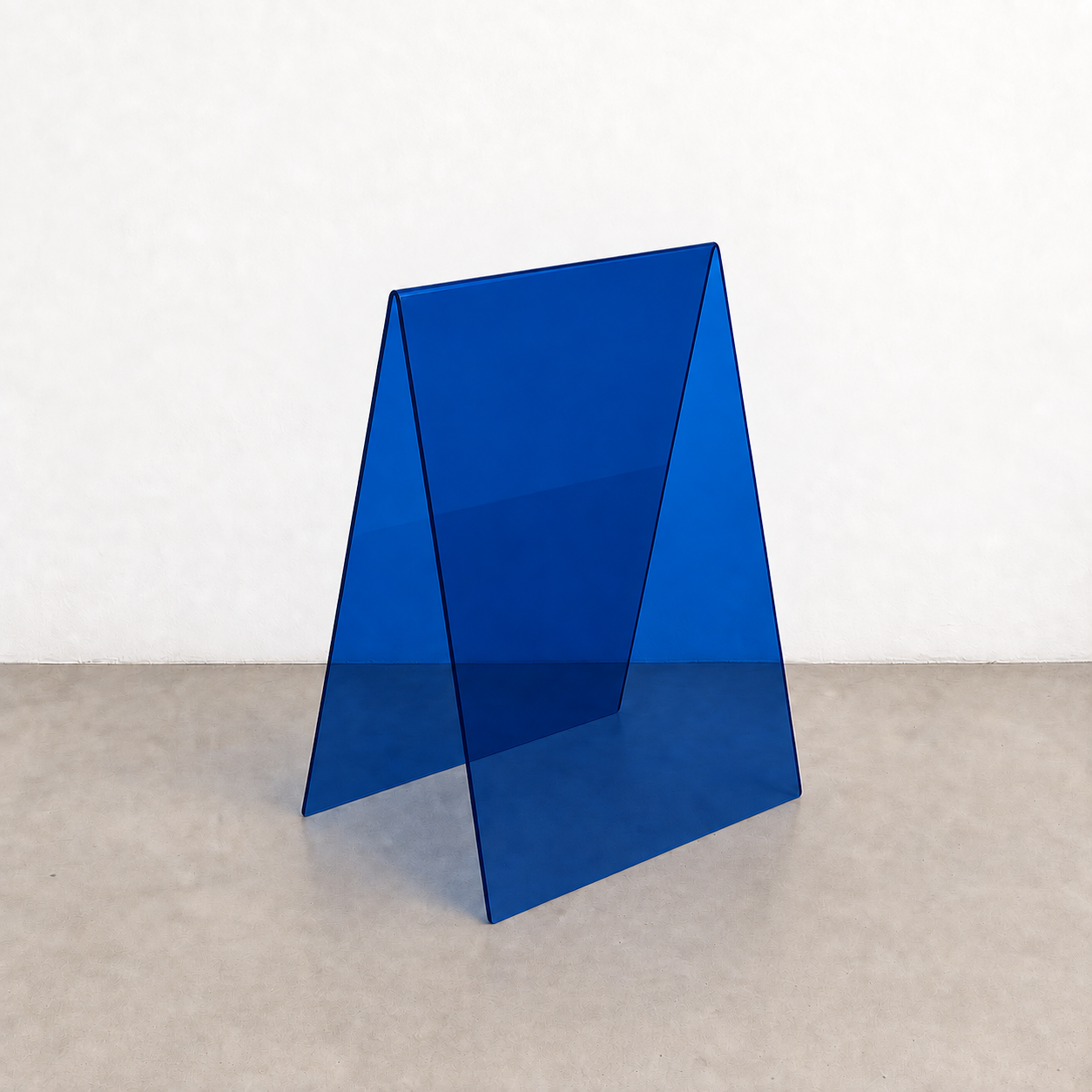
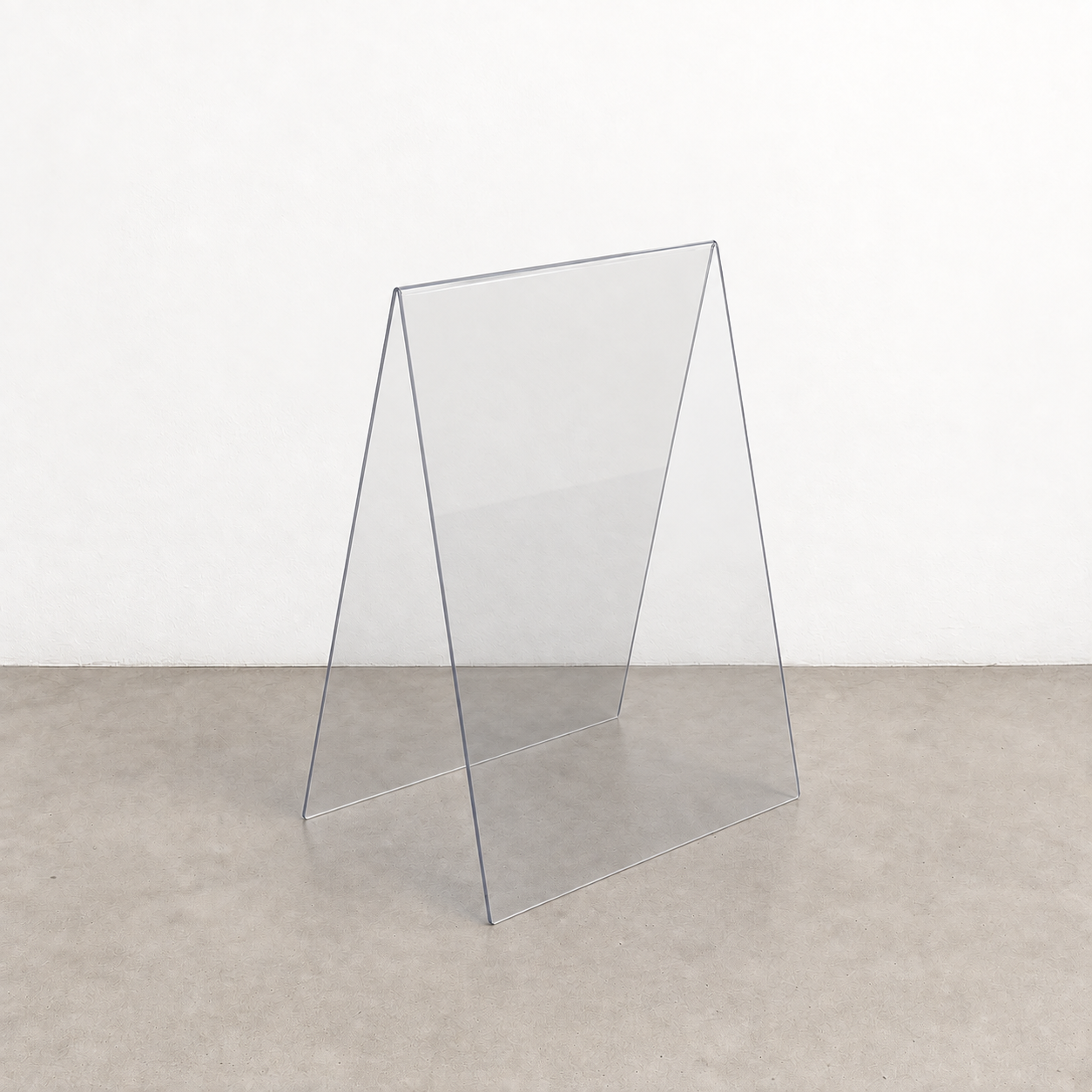
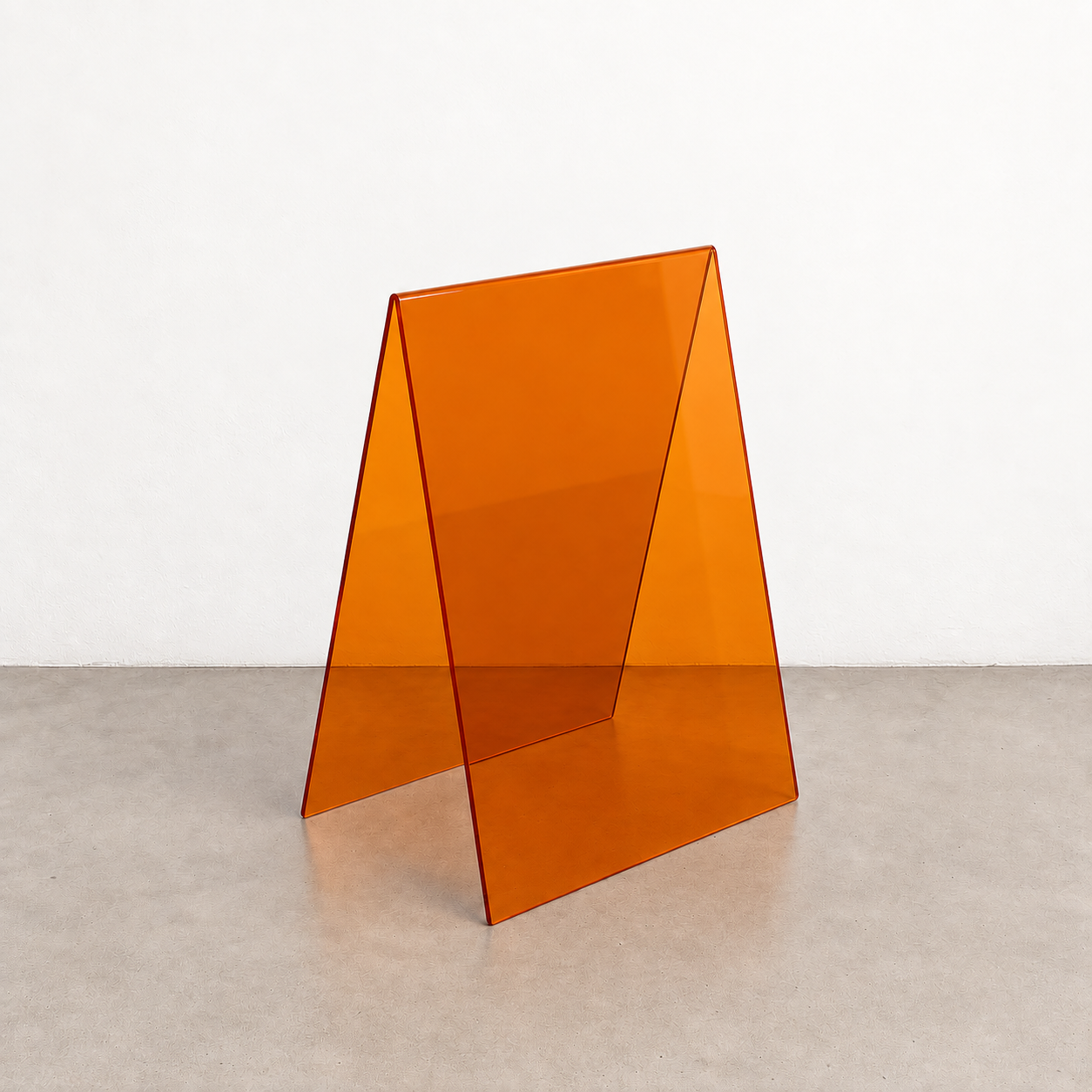
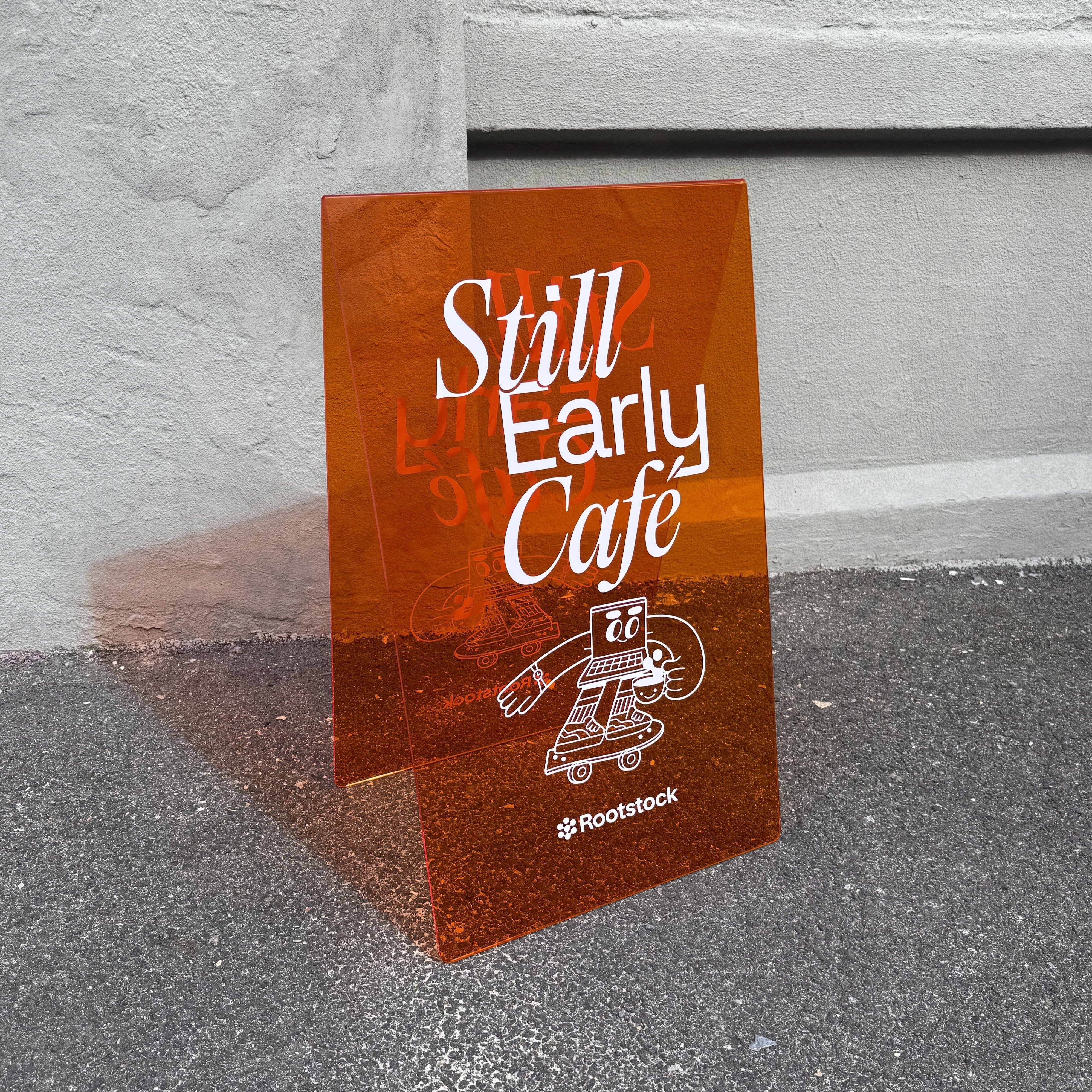
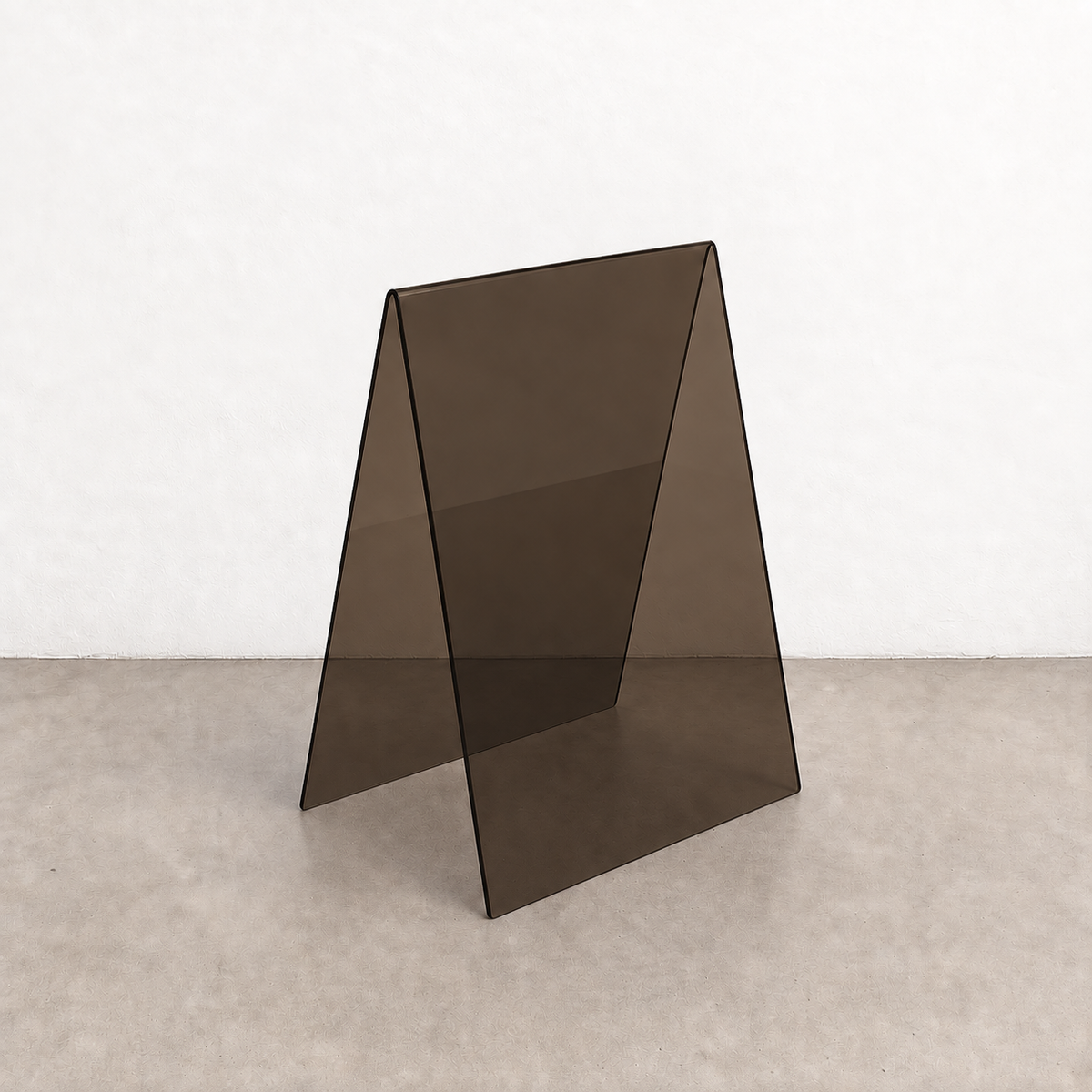
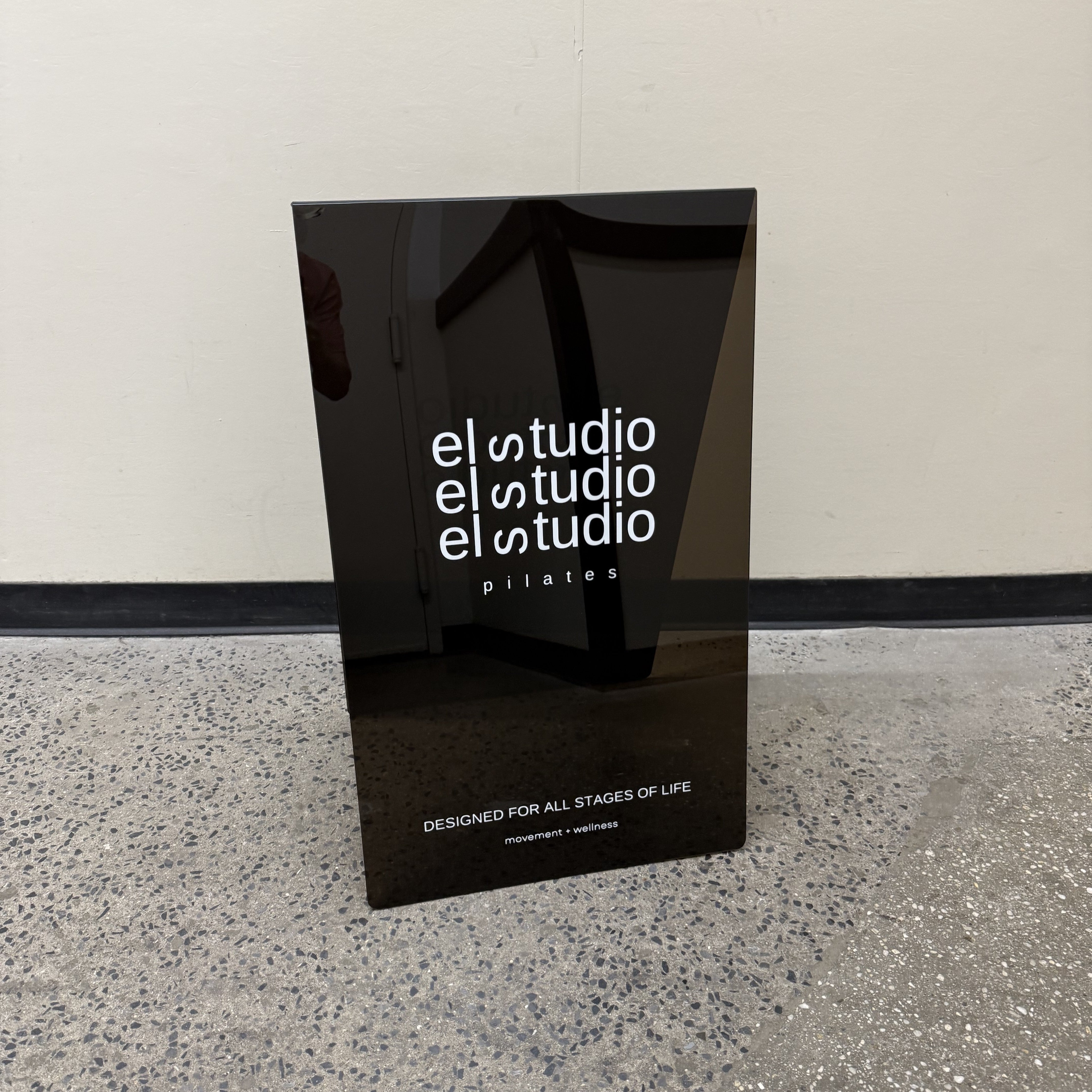
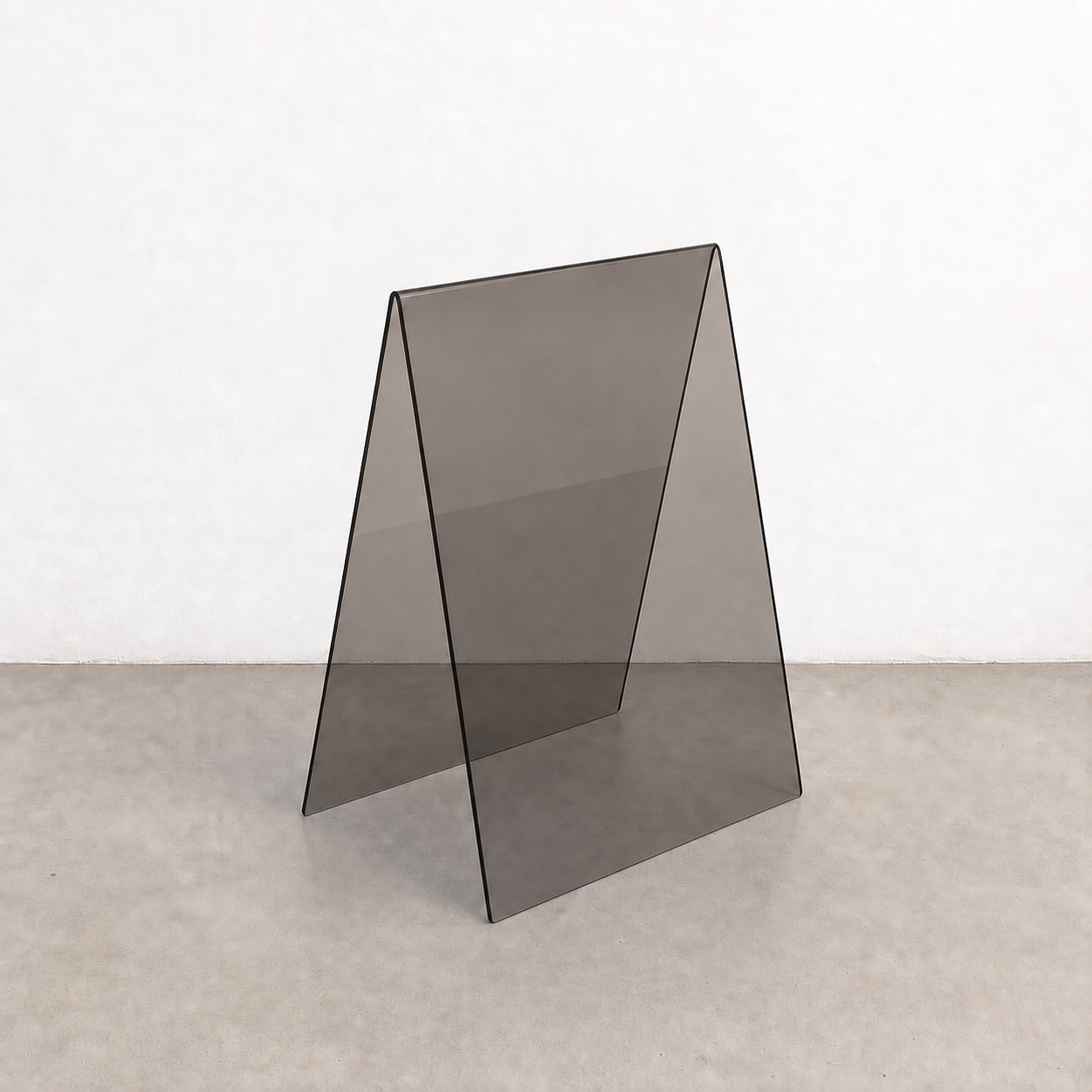
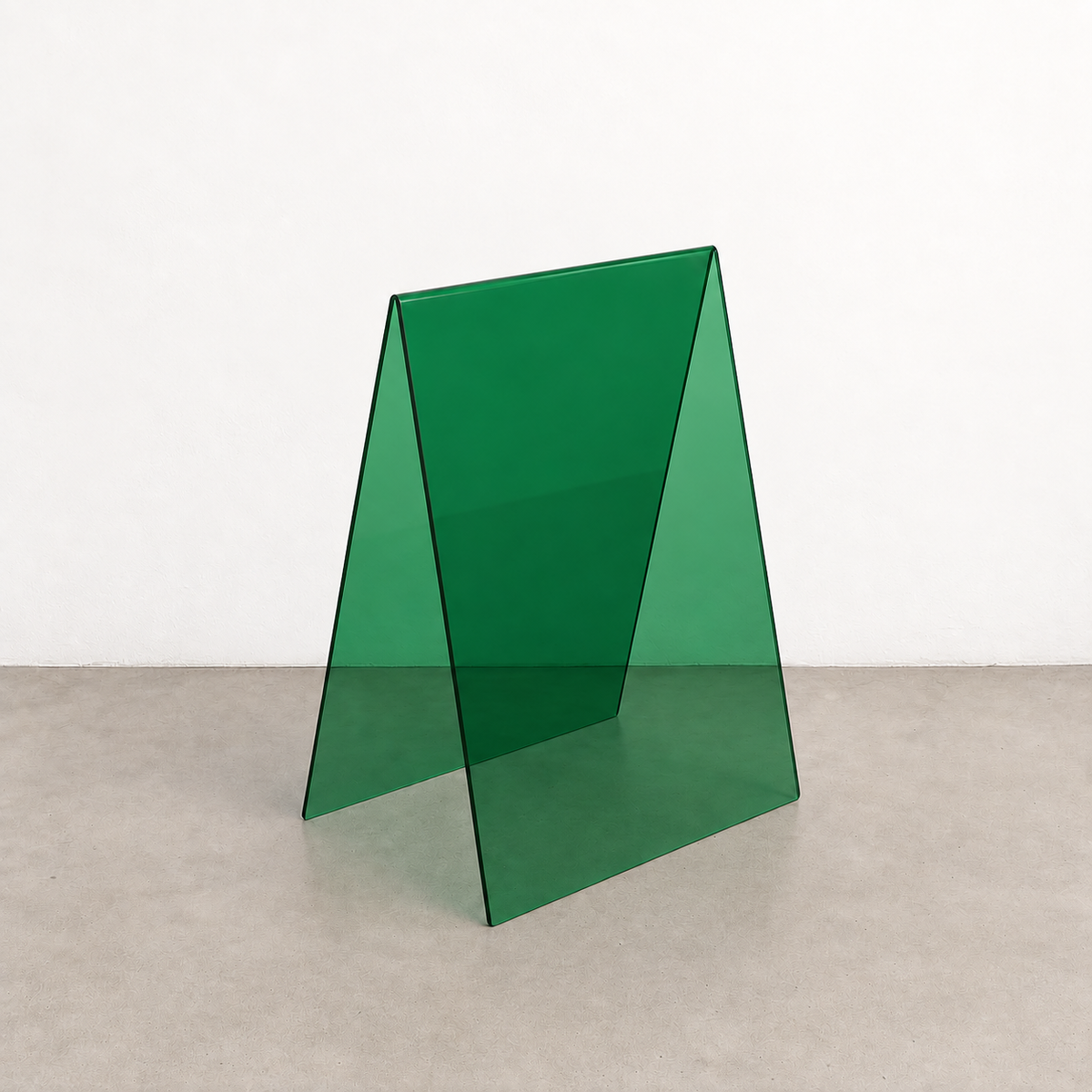
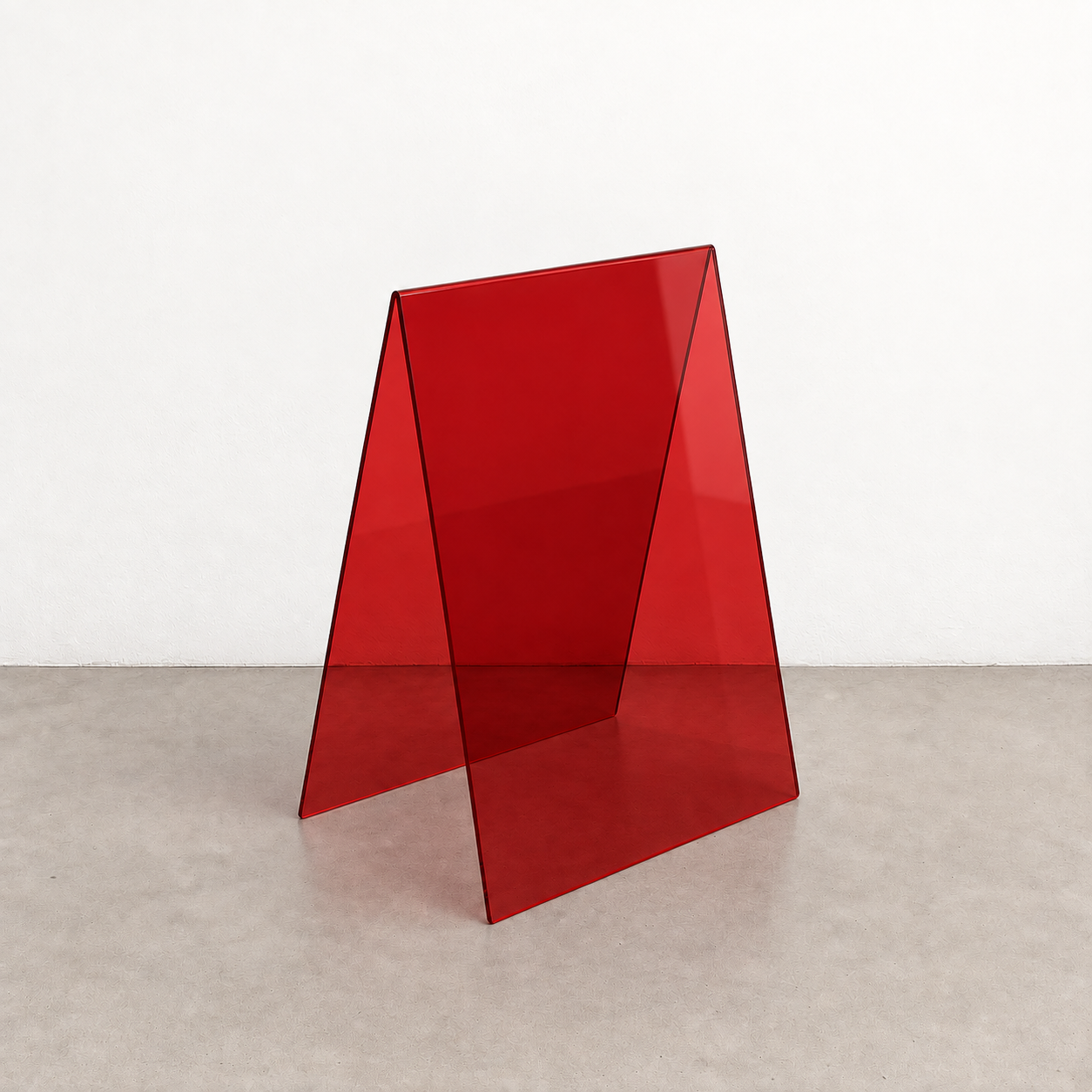
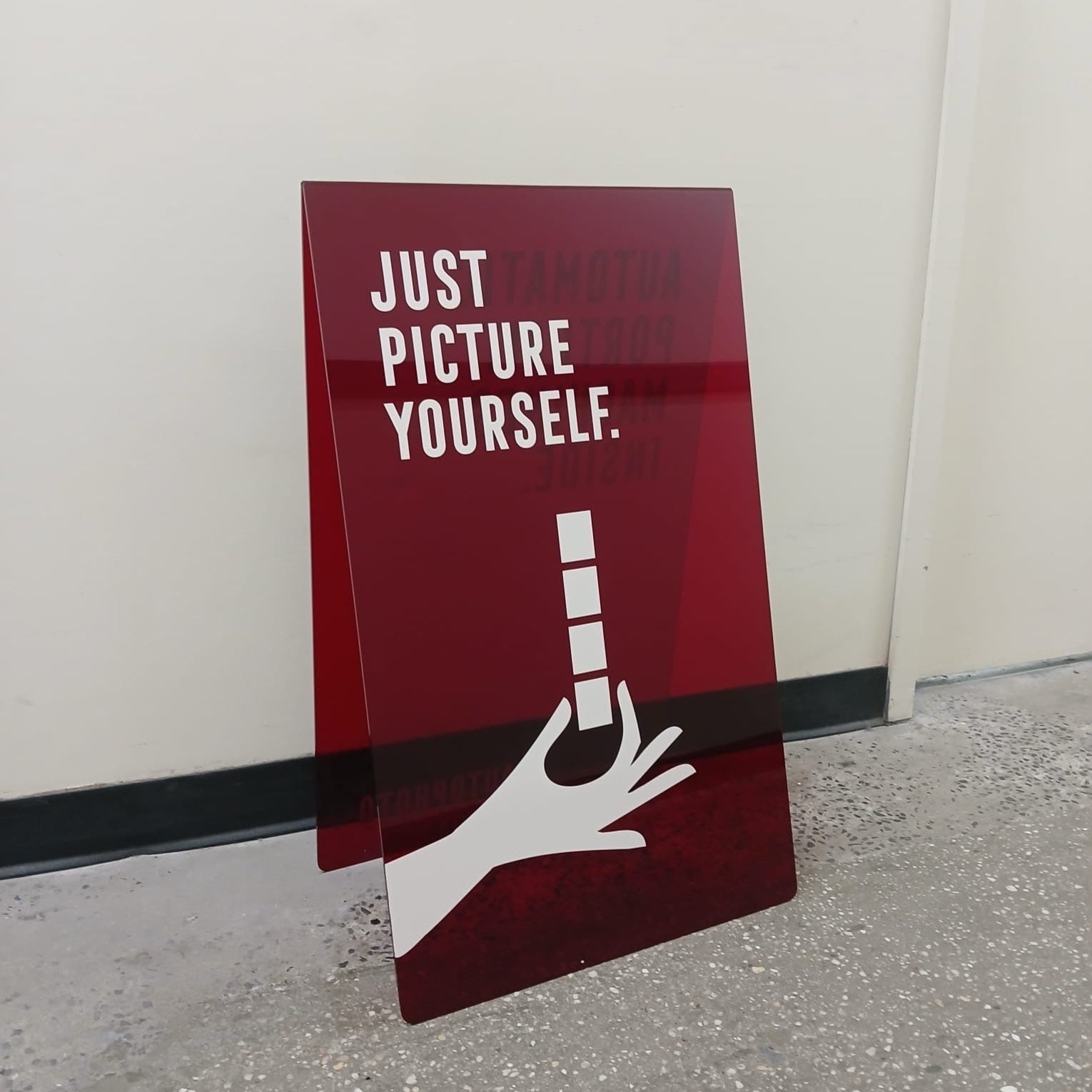
2. Opaque Acrylic A-Frame Sidewalk Sign
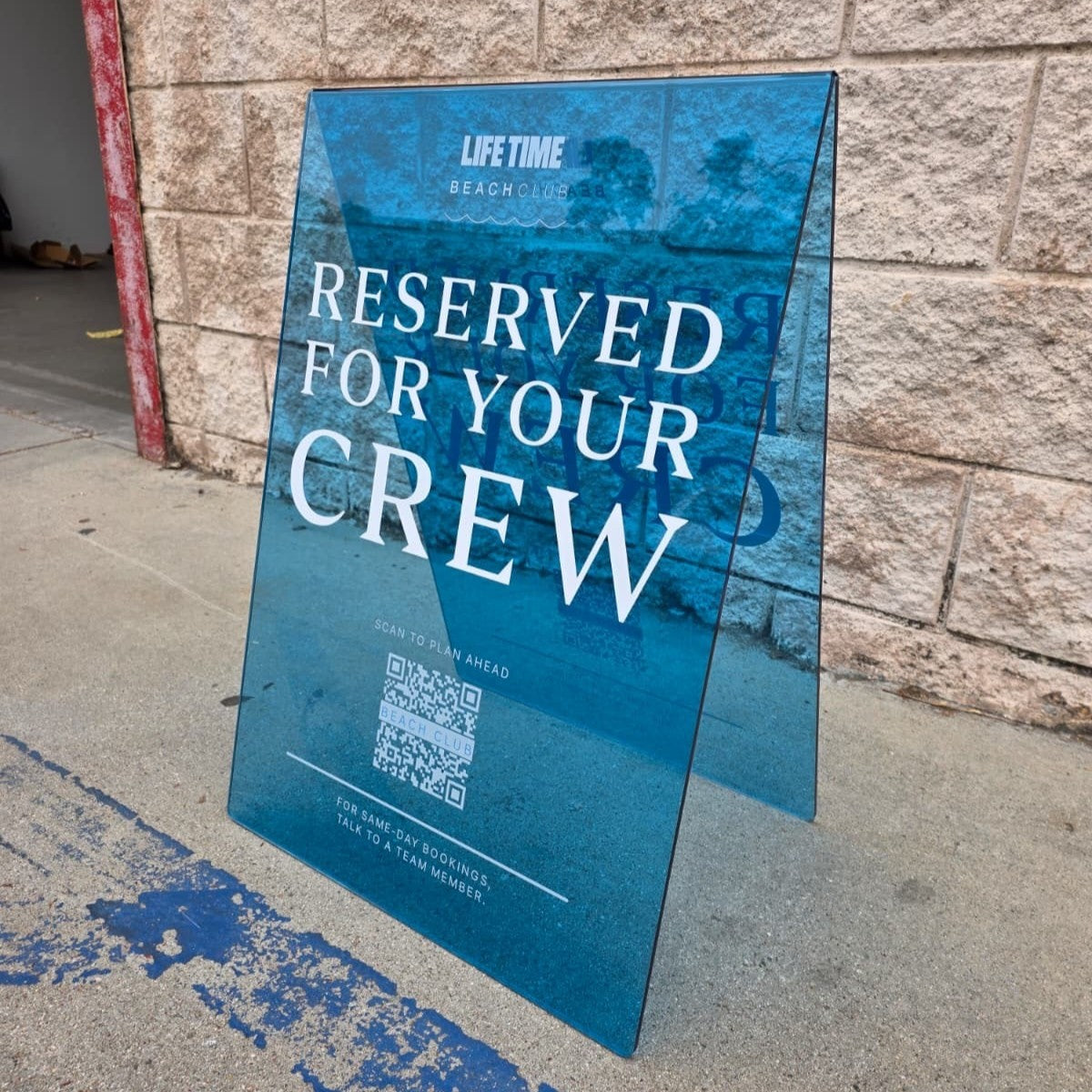
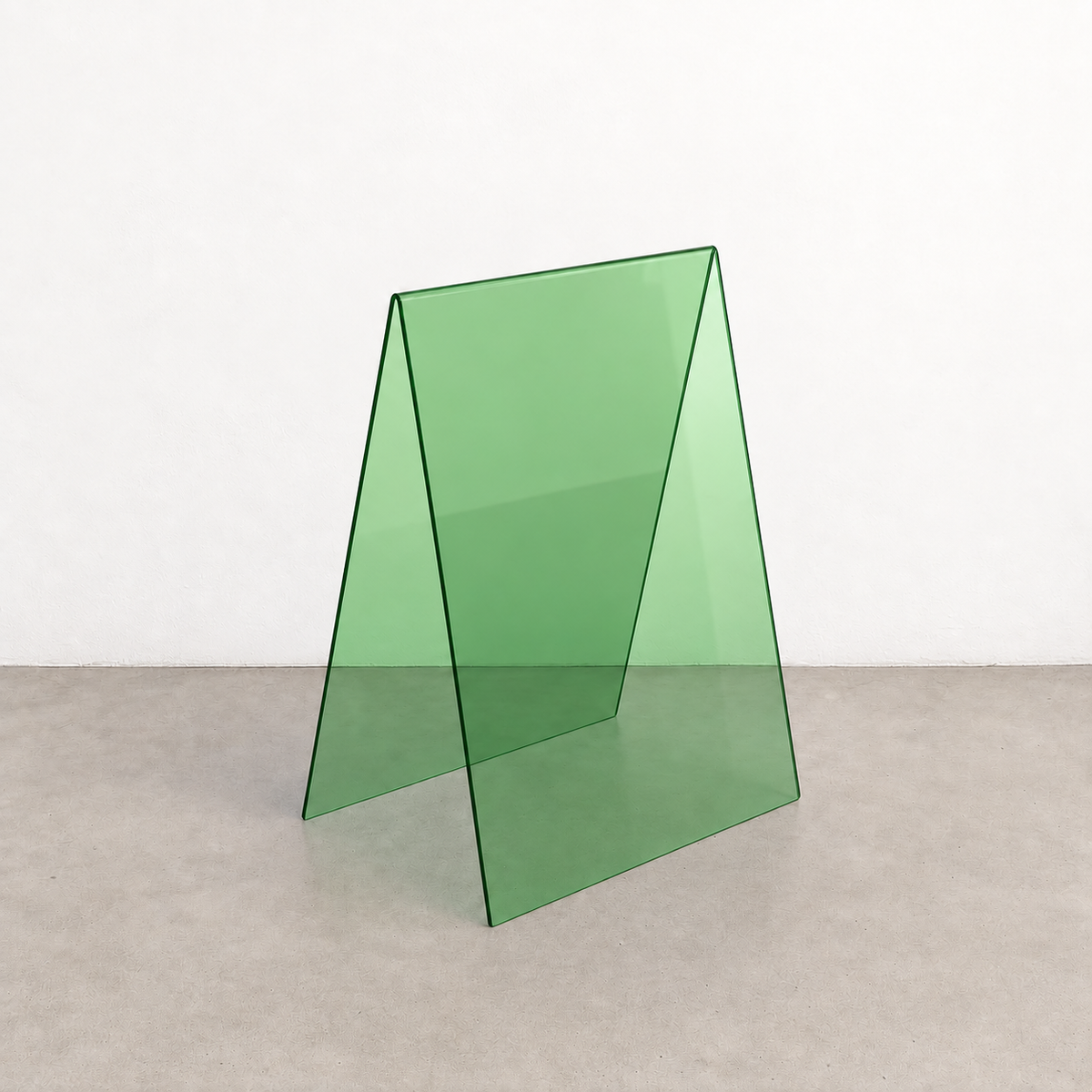
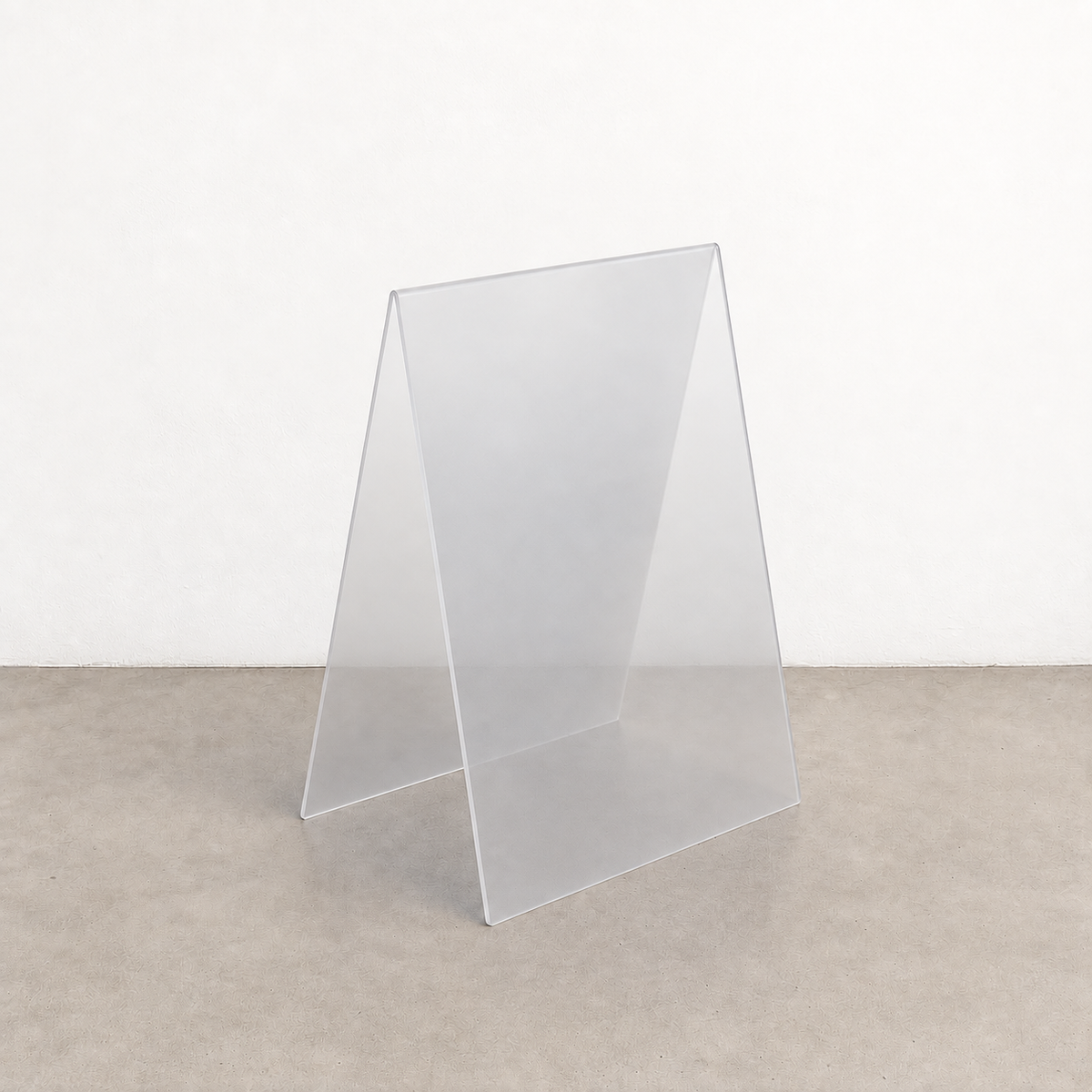
Opaque Acrylic A-Frame Sidewalk Sign brings a glossy, lightweight presence to the space. It works well in covered outdoor areas or inside lobbies, where color and shape do most of the talking. Often used for daily messages or seasonal updates. Custom printing is optional.

3. Round Dimensional Wall Sign
Round Dimensional Wall Sign sits slightly off the wall and reads more like an object than a label. The surface stays restrained, the shape familiar but intentional. Commonly used as a storefront marker or logo sign. Comes ready to mount.

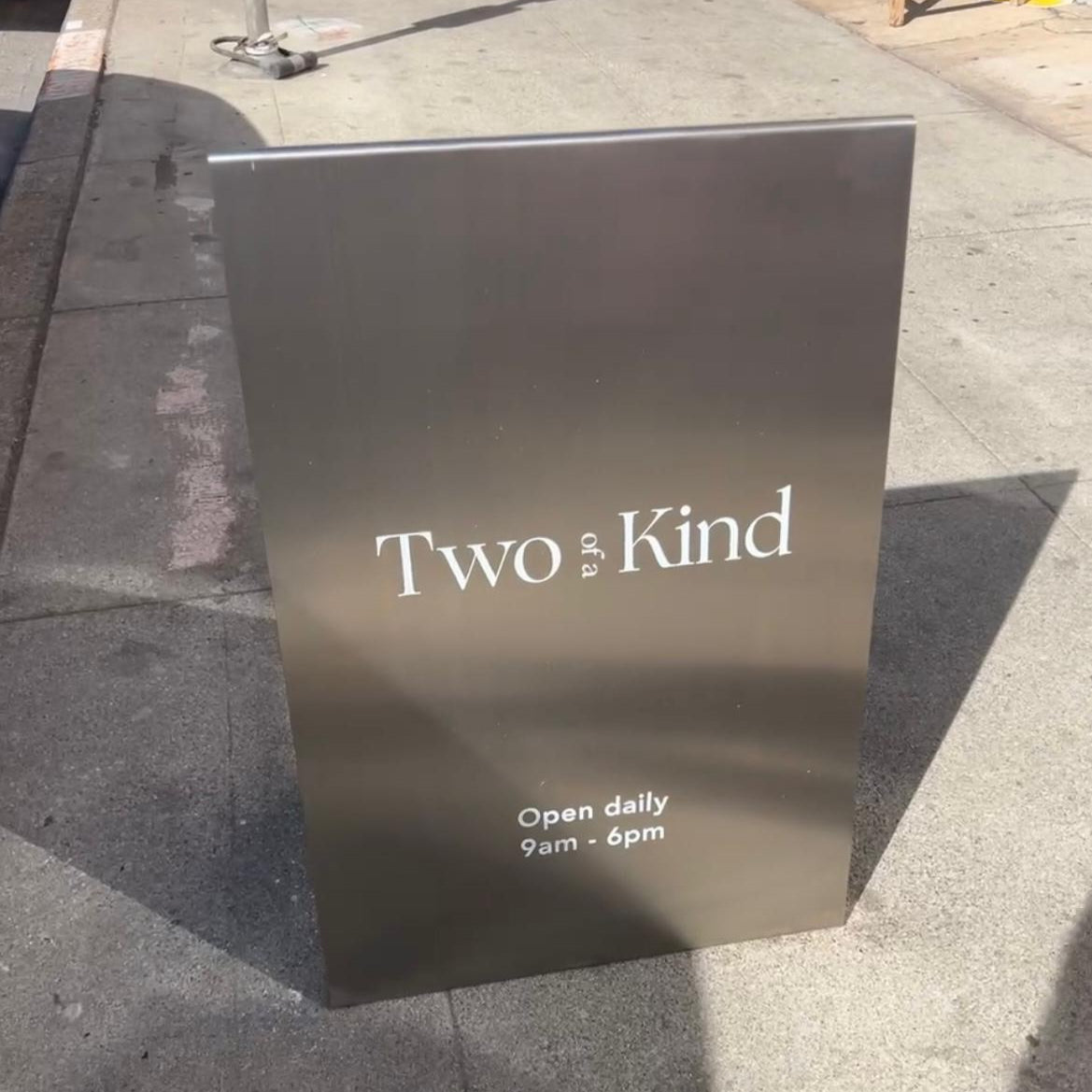
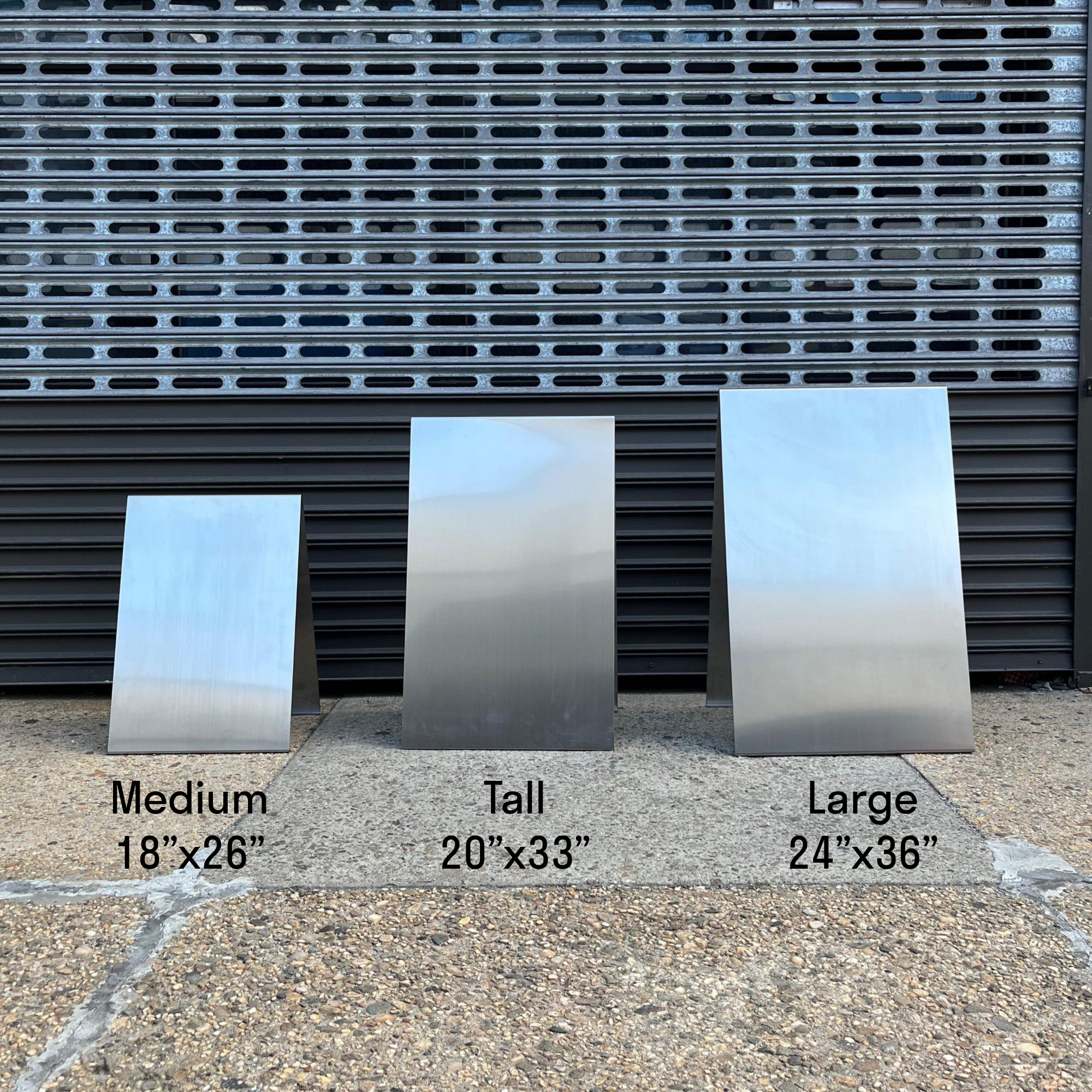
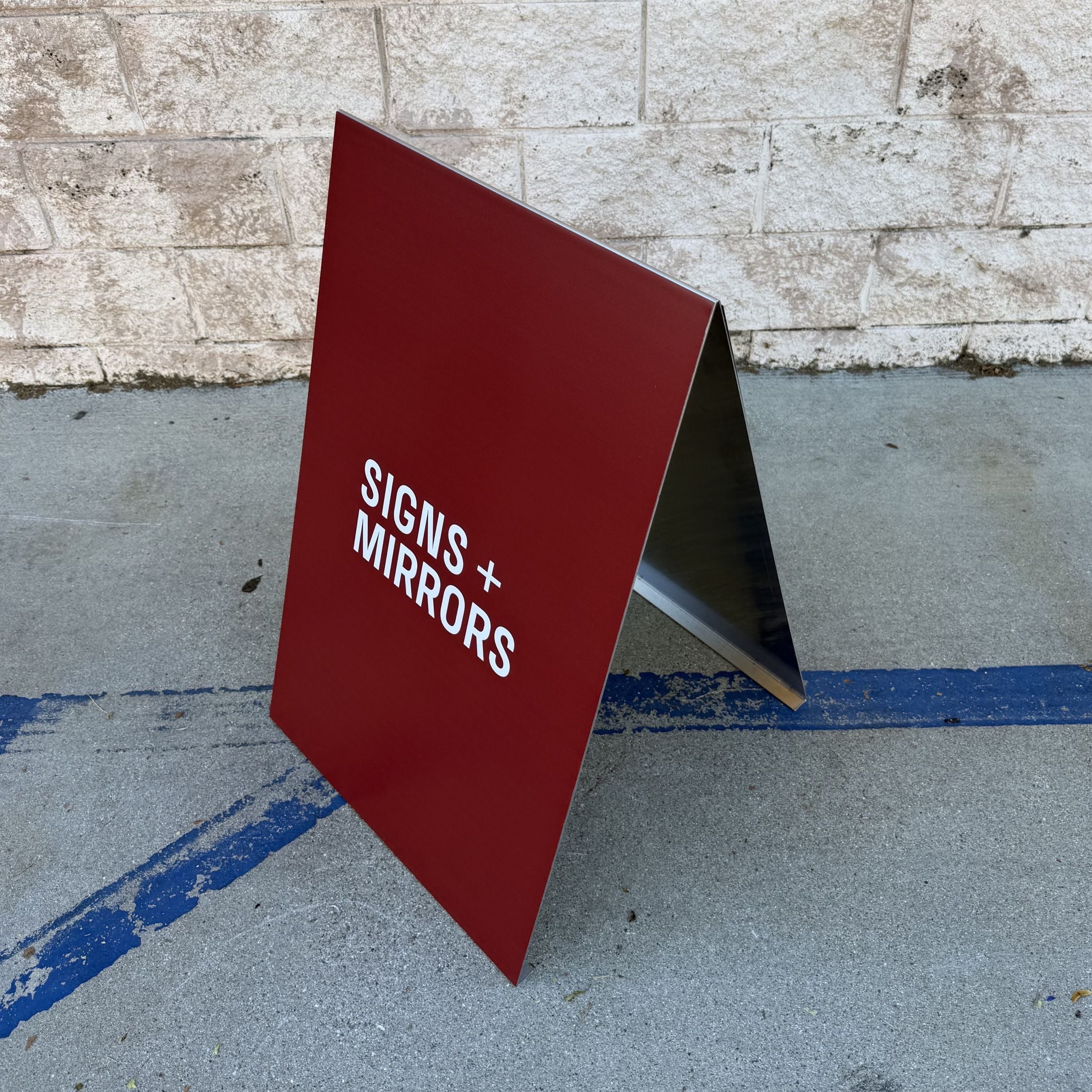
4. Brushed Stainless Steel A-Frame Sidewalk Sign
Brushed Stainless Steel A-Frame Sidewalk Sign is cut from a single sheet of 304 stainless. It’s weighty enough to stay in place and clean enough to fit most surroundings. Used outside storefronts or inside larger spaces. Comes blank or with print, in three sizes.

5. Textured Insert Brushed Stainless Steel Upright Sign
Textured Insert Brushed Stainless Steel Upright Sign pairs a solid frame with a translucent twinwall insert. Light passes through slightly, giving it a softer presence. Often seen in lobbies, corridors, or near entrances. Custom print optional and replaceable.

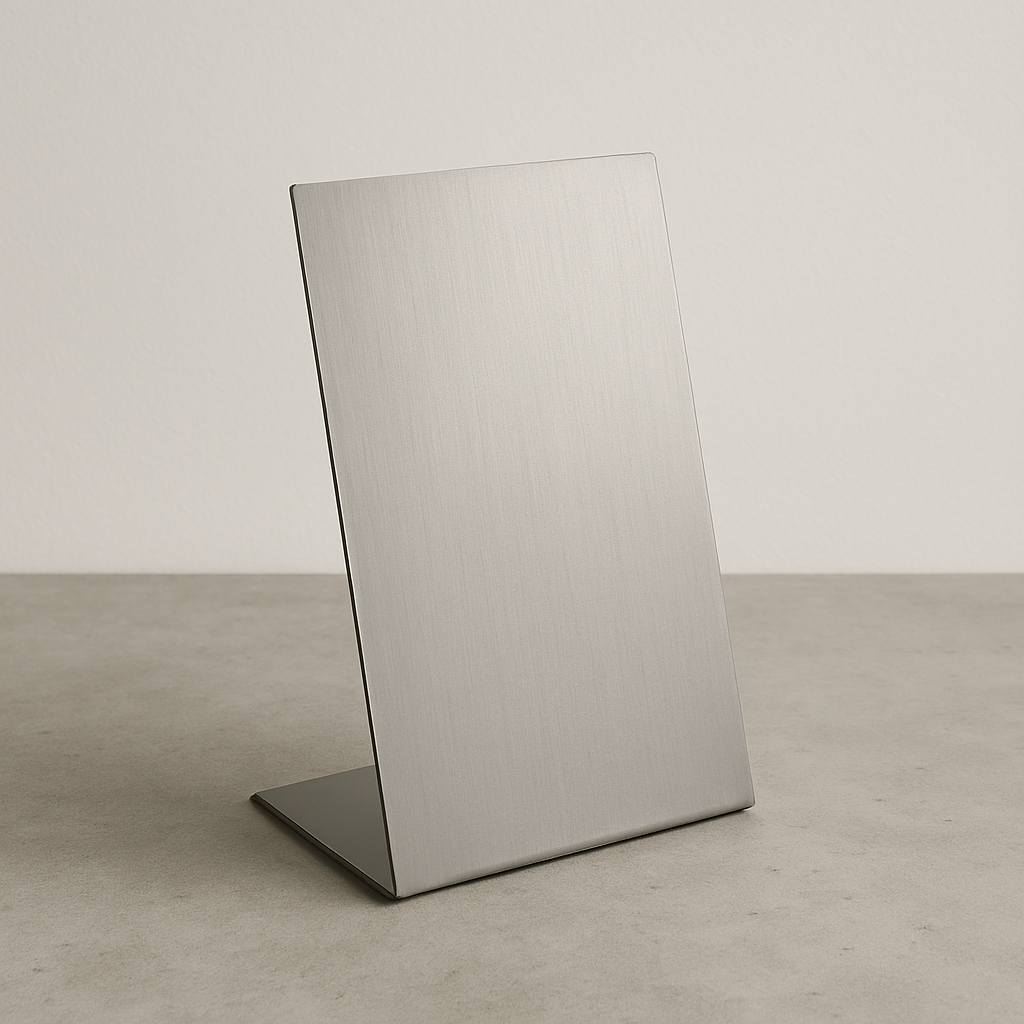
6. Stainless Steel Table Top Stand
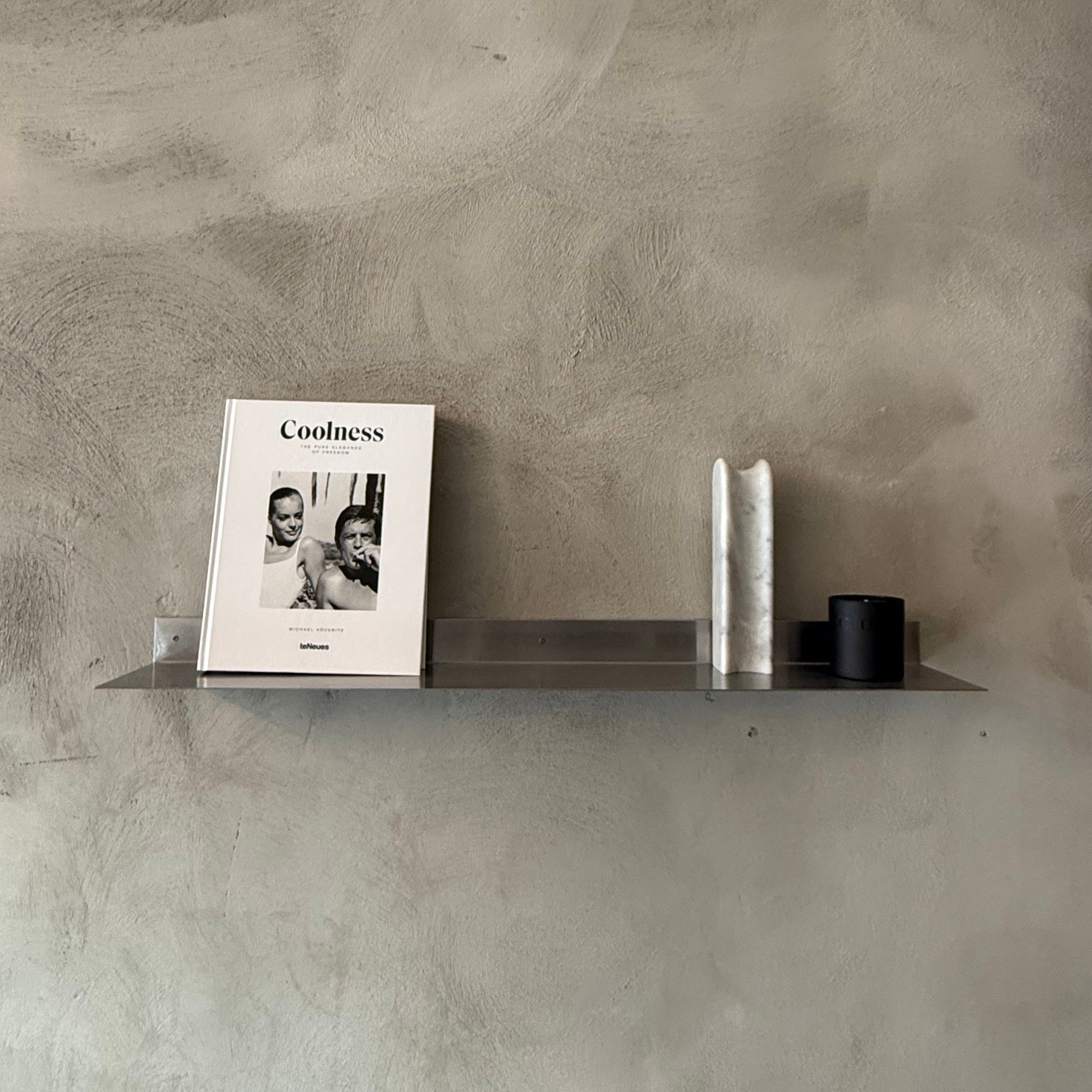
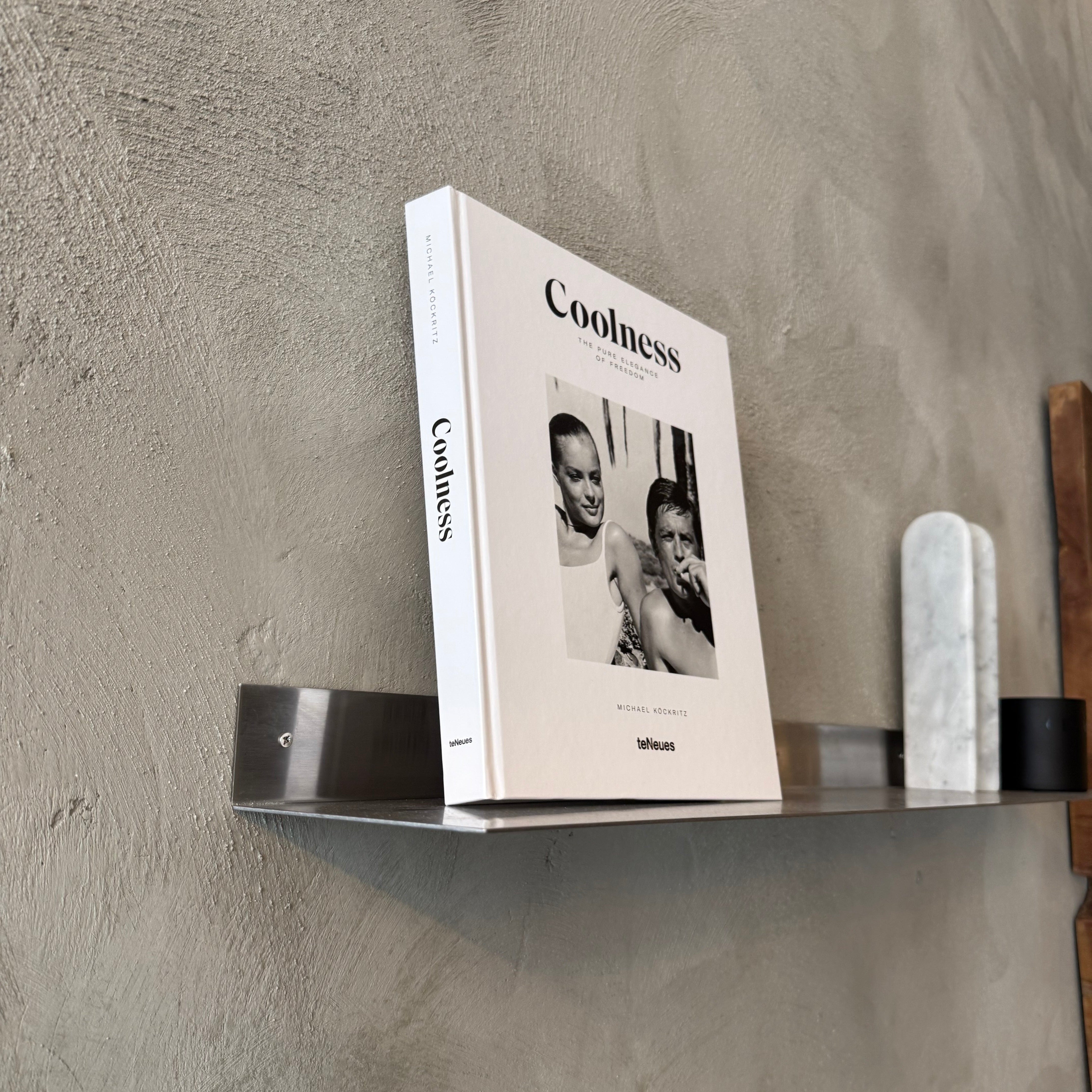
Stainless Steel Table Top Stand is small, sturdy, and made for surface-level messaging. Menus or printed inserts attach with magnets. Used on counters, host stands, or shelving. Comes in two sizes, with brushed or mirrored finish.
2. The Digital Basics: Site, Search, Maps
If someone hears about a restaurant, the first thing they do isn’t walk in - they search. Usually on their phone. That quick search decides whether they keep scrolling or open the door later. So the basics - website, Google Maps, search results - are doing more heavy lifting than most realize.
A restaurant’s website doesn’t need to win awards. But it should load fast, look intentional, and answer simple questions without making people dig. Hours. Menu. Photos. A sense of what the space feels like. Cluttered templates and broken links leave the wrong kind of impression - especially if the food is thoughtful but the site says otherwise.
Maps matter too. Being listed isn’t enough. Photos should be current. Hours should reflect reality. Reviews, even the rough ones, deserve a response. It shows someone’s paying attention. And when everything else is equal, that’s often what tips a decision - a sense that the place is alive and someone’s behind it.
3. Social Media, But Grounded
There’s nothing wrong with going viral. But most restaurants don’t need millions of views - they need the right people to look twice, remember the name, maybe stop by this week. Social media helps, but only when it fits the pace and feel of the place. Think of it less like a campaign, more like a quiet rhythm:
- Post consistently, but not constantly: Two or three times a week is enough. Show what’s already happening - a new dish, a full room, someone slicing bread at the pass
- Keep it close to the space: Photos that reflect the lighting, the materials, the people. Not just what’s on the plate, but how the space holds it
- Don’t over-polish: Clean shots, yes - but avoid turning every image into an ad. Let things look like they do
- Use stories to stay visible: Behind-the-scenes, prep moments, little shifts during the day. They disappear in 24 hours, which makes them feel lighter
- Respond like a human: If someone comments, reply. If they tag you, reshare. Keep the tone natural - same as the service
- Use hashtags with intent: Not dozens. Just the ones that help people find you based on area, style, or moment
Done well, social media doesn’t shout. It blends into someone’s day. Feels like something familiar showing up again - quietly, consistently, in the right light.
4. Email and SMS: Quietly Effective
Not every message needs to be public. Some of the most consistent returns come from the tools no one talks about much - like email or a short text sent at the right time.
There’s nothing glamorous about sending out a dinner reminder or a birthday offer. But it works. These channels reach people directly, without having to beat the algorithm or chase attention. And when the tone feels personal - not pushy - most people welcome it. The key is knowing what’s worth sending:
- A simple email before a long weekend: Remind people you’re open, maybe with a photo that makes them want to book
- A text an hour before lunch service: A few words, maybe a dish of the day, sent to regulars who’ve opted in
- A birthday note with a quiet offer: Not flashy, just a reason to choose your place when making plans
- Updates that feel grounded: New menu changes, temporary closures, or just a thank you to people who keep showing up
None of this needs to be loud. It just needs to be right for the moment. When done well, email and SMS feel more like a nudge than a campaign - a reminder that there’s a place you know, still doing good work, still worth returning to.

5. Earning Loyalty Without Asking for It
Some restaurants hand out plastic cards and punch stamps. Others build loyalty without saying the word out loud. It's not about gamifying the guest - it’s about giving regulars a reason to keep choosing you, quietly and often.
Keep It Simple
Loyalty doesn’t need points or apps. A free drink after a few visits. A name remembered at the door. A “good to see you again” said like it’s meant. These things add up. Most people don’t need a program - they just want to feel like they belong.
Digital, If It Fits
If there’s already a system in place - POS integration, an email list, a branded app - loyalty can live there too. Something automatic, like every fifth lunch gets a discount, or subscribers get early access to a seasonal menu. Keep it light. No one wants to track another reward tier.
Moments That Stay With People
A small dessert with a birthday candle, even if no one asked. A handwritten note slipped into a takeaway bag. These aren’t tactics. They’re choices - and they tend to be remembered long after a discount code would’ve expired.
Consistency Over Noise
Loyalty builds the same way trust does: slow, steady, and mostly invisible. It shows up in the way the space feels at 2pm on a Tuesday. In how staff greet someone who came in once last month. In the small, human rhythms that make someone want to come back - not because of a promo, but because it feels good to be there.
6. Events and Collaborations That Make Sense
Not every restaurant needs a DJ night or tasting menu collab. But sometimes, something extra makes the space feel more alive. A small wine evening. A pop-up from a neighbor. A few tables rearranged to make room for something that wasn’t there yesterday.
Events don’t have to be loud or weekly. They just need to feel right - for the space, the people, the pace of service. When done well, they blend in like they’ve always belonged there. People notice, not because it was advertised, but because something about the room felt different in a good way.
Collaboration works the same. Not every brand fit makes sense. But when it does - when the values, tone, and clientele overlap - it doesn’t feel like promotion. It feels like shared taste. A local bakery bringing in morning pastries. A florist dressing the entry. A small ceramic brand leaving a few pieces out near the bar. Quiet partnerships tend to go further than big splashy ones.
The best part? These moments give people something to talk about. Not in a campaign kind of way - just something worth mentioning to a friend later that week. The kind of memory that sits lightly but sticks.
7. The Right People, Not the Loudest Ones
Influencer marketing gets a lot of attention. But most restaurants don’t need someone with half a million followers. They need someone nearby, with good taste, who knows how to talk to an audience without selling to them.
Look for Fit, Not Reach
It’s easy to get drawn to numbers. But someone with fewer followers - a local writer, a thoughtful photographer, a regular with a quiet following - might make more sense. The content feels closer to the space. More grounded. Less staged. And it tends to stick around longer.
Keep It Loose
The best collaborations don’t feel transactional. Invite them in without a script. Offer a meal, let them experience it on their terms. If it goes well, they’ll probably share. If it doesn’t feel natural, maybe it’s not a match - and that’s okay too.
Make Space for Their Voice
Don’t over-direct. Influencers (at least the good ones) know what their audience responds to. Let them choose the angle, the edit, the moment they want to show. When it comes off as genuine, people can tell. When it feels coordinated, they scroll past.
Think Small, But Local
Micro-influencers are often more connected to their cities than bigger names. They’ve walked past your space. Maybe even eaten there already. Collaborating with someone who already likes your food - that’s where the value is. Not in a post, but in a real, lasting impression.
8. Community Over Campaigns
Most people don’t remember your last post. But they remember how it felt to be in your space. They remember when you donated coffee to the school across the street, or let a neighbor hang their art for a few weeks. That kind of connection lasts longer than a sponsored ad ever will.
Community isn’t something you “build” - it’s something you participate in. Not just the big things, like fundraisers or partnerships. The small ones too. Letting a local musician play a quiet Sunday set. Offering a discount to teachers or hospital staff. Showing up for the people who already pass by your windows every day.
You don’t have to make a statement about it. In fact, it works better when you don’t. These moments tend to speak for themselves. People talk. Not in comments, but in real conversations. "That place was kind." "They helped out during the storm." "You’d like it there." It’s easy to run a campaign. It’s harder - and better - to belong.
9. Measure Quietly. Adjust When Needed.
You don’t need a dashboard full of blinking graphs. Most of the time, you already feel when something’s off. But a few simple metrics, checked regularly, can confirm what your instinct already knows - or catch what you didn’t see yet. The goal isn’t to chase numbers. Just to stay aware:
- Track reservations and no-shows: Not to panic over dips, but to see patterns over time
- Watch which dishes move and which stall: Sometimes the problem isn’t the food, it’s the way it’s framed on the menu
- Check responses on email and SMS: Low open rates might mean timing is off, or the message feels too generic
- Look at walk-ins week to week: A quiet shift in foot traffic could signal a change in routine nearby - weather, roadworks, school terms
- Notice which posts get shared, not just liked: It says more about what people connect with
- Review quietly, without overreacting: Not every slow week needs a strategy. Sometimes it just passes
Making adjustments doesn’t mean starting over. It usually means small moves: change a heading, shift a photo, adjust timing. Quiet fixes that keep things aligned without making noise.
10. Let the Space Tell the Story
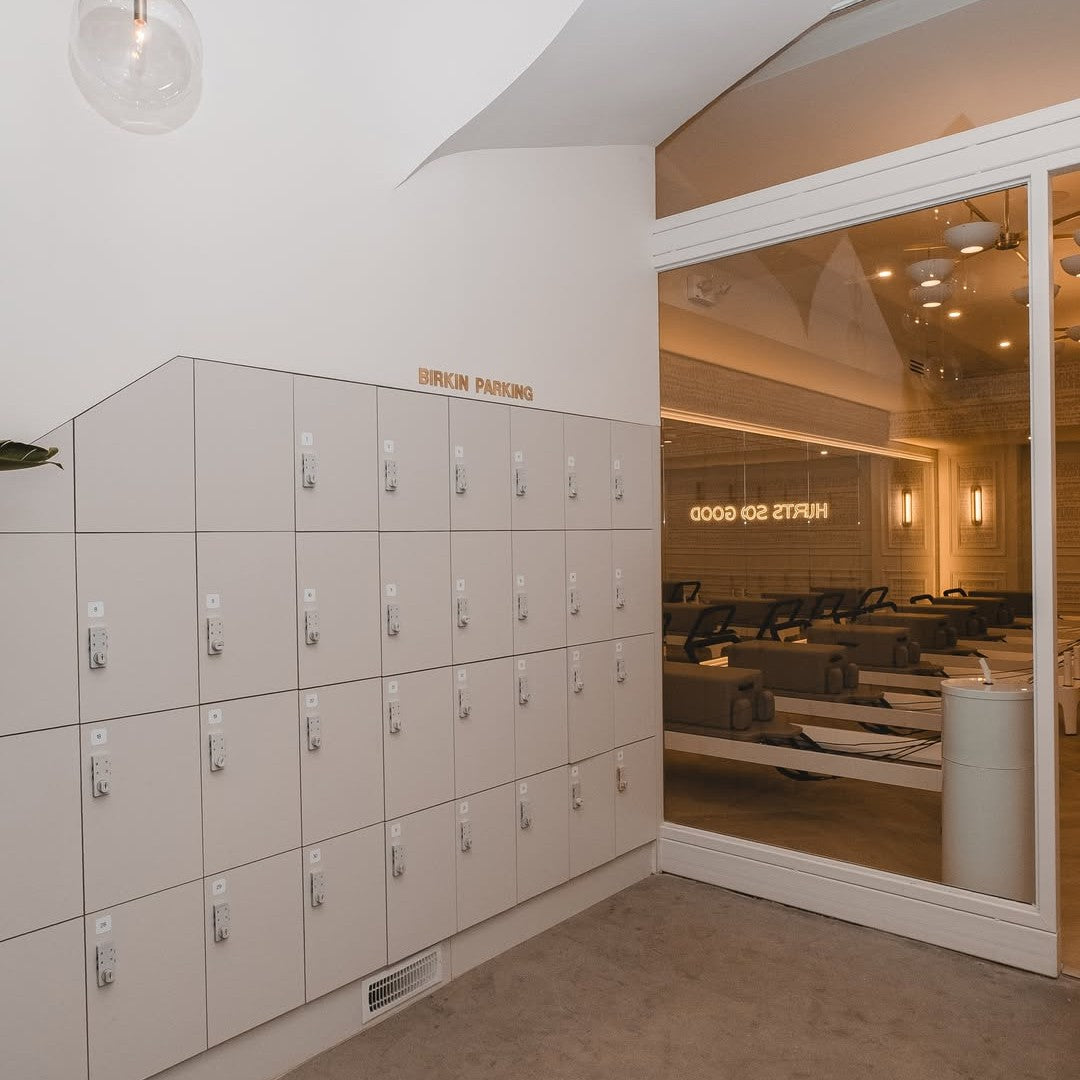
Most people won’t read a brand book. But they’ll read a room without trying. The color of the walls, the way the chairs are placed, how the light shifts in the late afternoon - these things speak long before a caption ever does.
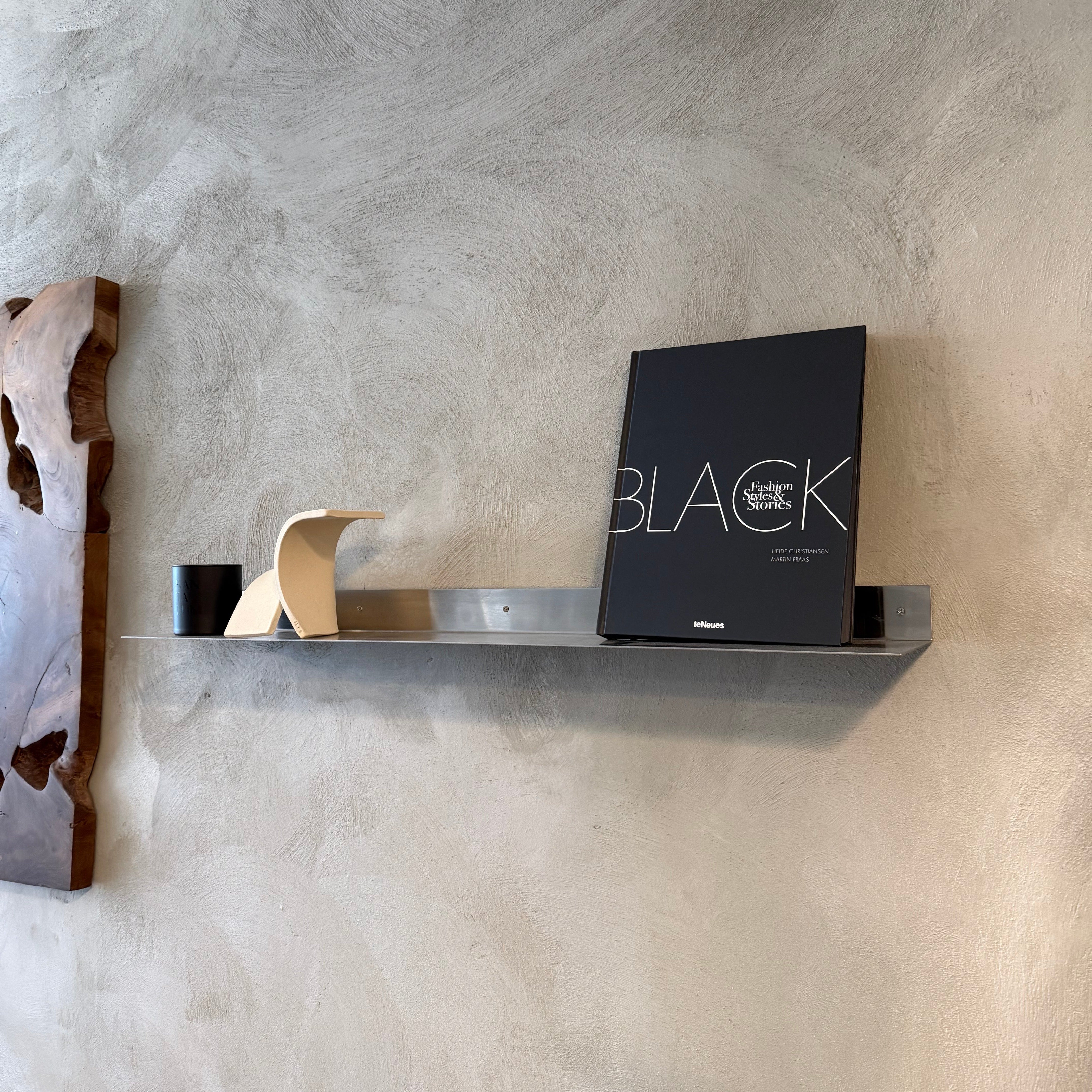
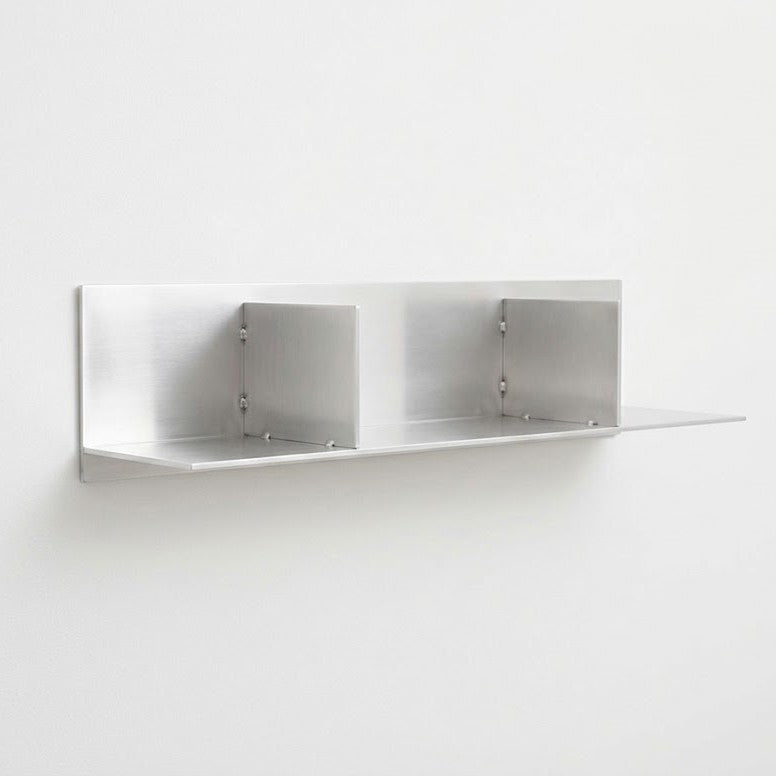
That’s why the space matters more than any post. It’s the first impression, the quiet narrator, the thing people carry with them after they leave. A handwritten menu. A scuff on the floor that says people actually live here. A shelf that holds more than just decor. These details aren’t background. They are the story.
So much of restaurant marketing tries to explain what a place is. But the right space doesn’t need explaining. It’s felt - in the texture of the table, the weight of a glass, the way people lower their voices without being asked. That’s what people remember. That’s what they come back for.
Let the space do some of the talking. You don’t need to oversell it. Just make it honest. Intentional. Lived-in in the right way. If the story’s already there, trust people to notice.
11. Make Takeaway Feel Like Dine-In
Takeout doesn’t have to feel disposable. Even a simple meal to-go can carry the same tone as what happens inside the restaurant - if the details are right. A few things help that translation feel smoother:
- Keep the packaging clean and intentional: Not over-designed, not wasteful, just solid and well-fitted to the food
- Include something human: A short note, a stamped logo, a napkin that feels like part of the table inside
- Make it easy to carry, not just pretty: Handles that don’t break, lids that don’t leak, labels that don’t smudge
- Use containers that fit the pace of real life: Ones that reheat cleanly, stack neatly, or feel good to reuse
- Let the branding hold back a little: Subtle over loud, quality over cleverness
People eat differently at home. But they still notice when something feels considered. Takeout isn’t just logistics - it’s another way of saying who you are.

12. Shape the Menu So It Speaks for Itself
Good menus don’t just list what’s available - they help people decide faster, feel better about the choice, and maybe even come back tomorrow for the thing they didn’t order.
Cut the Friction
Long menus aren’t always better. Too many options slow people down. A few clear categories, shorter descriptions, and visual spacing can make the difference between skimming and actually choosing. If it takes too long to figure out what’s what, people default to what they already know - or skip it entirely.
Make Add-Ons Obvious
Extras and upsells don’t need to be pushy. But they should be visible. A “make it a combo” option that doesn’t feel buried. A snack or drink that naturally pairs with what’s being ordered. These don’t need bold colors or arrows - just good placement and clarity.
Write Like a Human
Descriptions work best when they’re written for the person reading them, not for the person who made the dish. You can still mention what’s in it - just skip the overstyled language. Say what it is, how it’s cooked, maybe one thing about how it feels to eat. Let the food do the rest.
Choosing What Actually Fits
There’s no single setup that works for every restaurant. Some spaces lean on foot traffic and street visibility. Others rely more on word-of-mouth, search, or small collaborations that feel natural. The question isn’t what’s trending - it’s what fits the shape and pace of the business.
A narrow shopfront might need one clean sign and a strong Google Maps presence. A larger, open-plan café could benefit from distinct zones, printed menus, and branded takeaway packaging. Even something as simple as how a menu is structured - or where the QR code lives - can shift how people engage with the space.
It’s less about stacking tactics and more about knowing what each piece is doing. If something helps people find the restaurant, understand it faster, or return more easily, it’s worth using. If not, it probably doesn’t need to be there.
Conclusion
Good restaurant marketing doesn’t need to be loud to be effective. Most of the time, the strongest strategies are quiet ones - a well-placed sign, a clean landing page, an Instagram photo someone posts without being asked. The tools are out there, but the way they’re used should feel considered, not crammed in.
This isn’t about covering every channel or chasing trends. It’s about picking a few things that fit the rhythm of the space and doing them with care. A sharp menu, a real sense of tone, a layout that helps people feel welcome. That’s the kind of marketing people notice without realizing it.
FAQ
Do small restaurants need to be on every platform?
No. Better to be present in a few places and keep them current than to stretch across everything and go stale. Pick what matches how your guests actually find you.
How often should restaurant marketing be updated?
Not constantly, but regularly. Menus change. Photos age. If it looks like no one’s touched the site or Instagram in a year, it can quietly create doubt. Even a few small updates help.
What kind of signs actually work for foot traffic?
Ones that catch light, feel intentional, and aren’t covered in clutter. Mirrored or textured finishes tend to draw more attention than flat boards with too much text. Placement matters more than people think.
Is print still useful for restaurants?
In the right setting, absolutely. Printed menus, small takeaway inserts, branded packaging - these things add texture. Especially when they’re done simply and not overdesigned.
How can restaurants use email without being annoying?
Keep it short. Make it feel like a message, not a campaign. A quick note about a new dish, an event, or even a day the restaurant’s closed - those land better than generic “newsletters.”